Leave Your Message
Engineered for high-speed filling lines, maximum barrier protection, and rugged logistics transit across the United States.
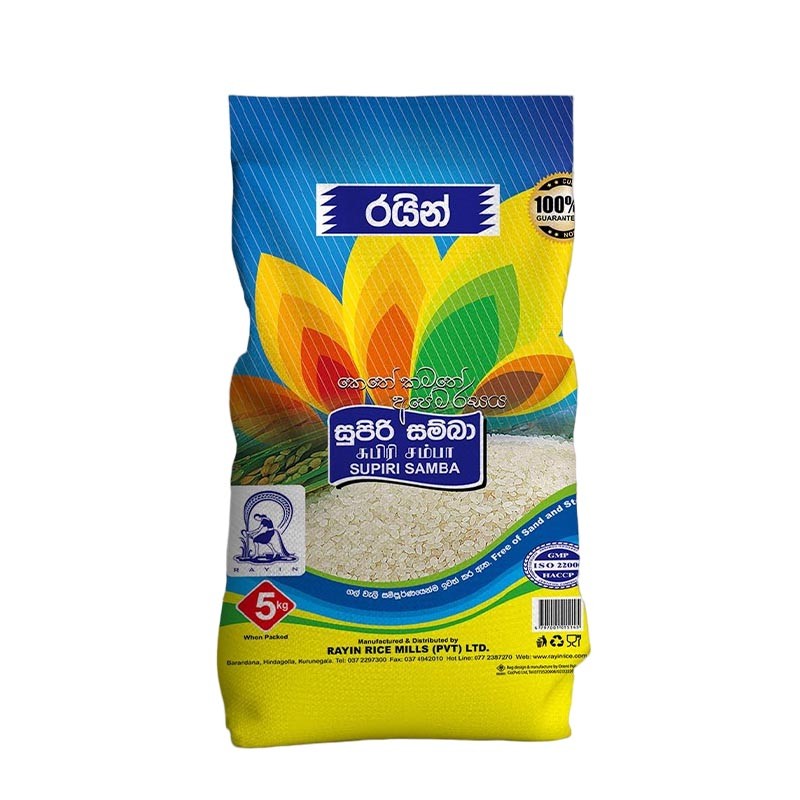
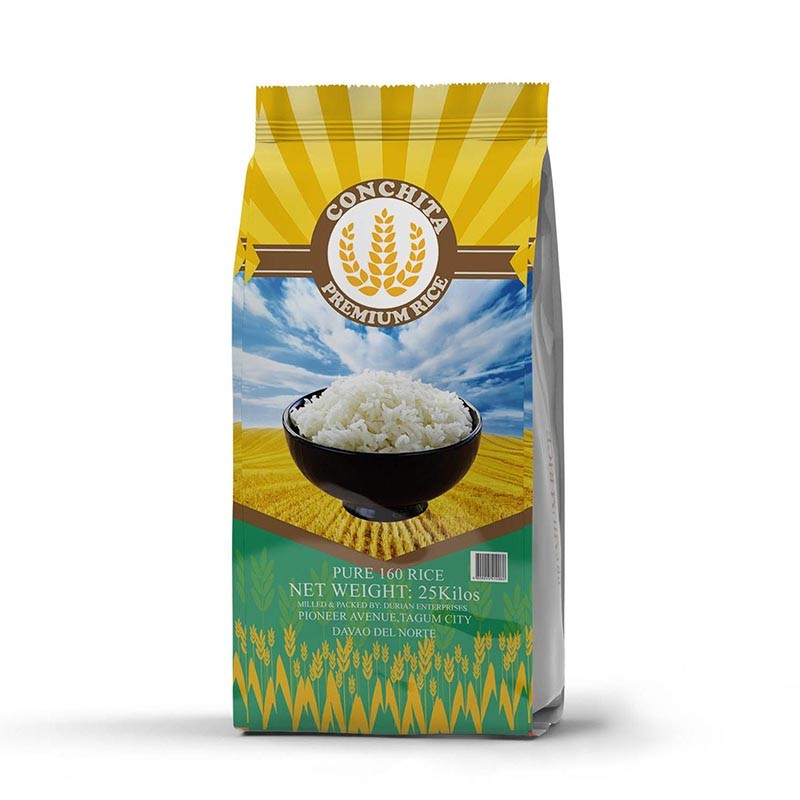
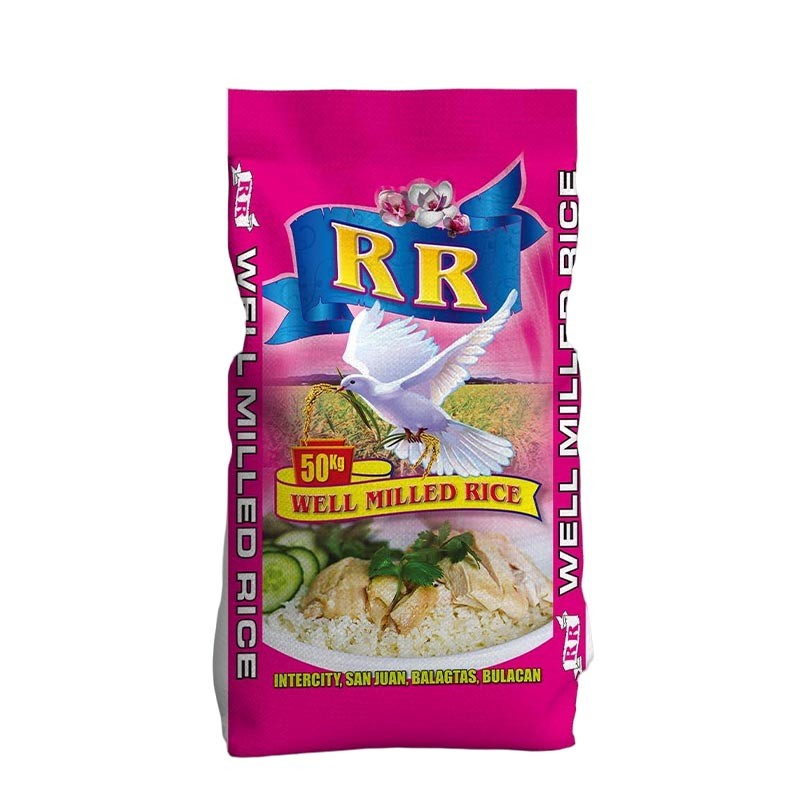

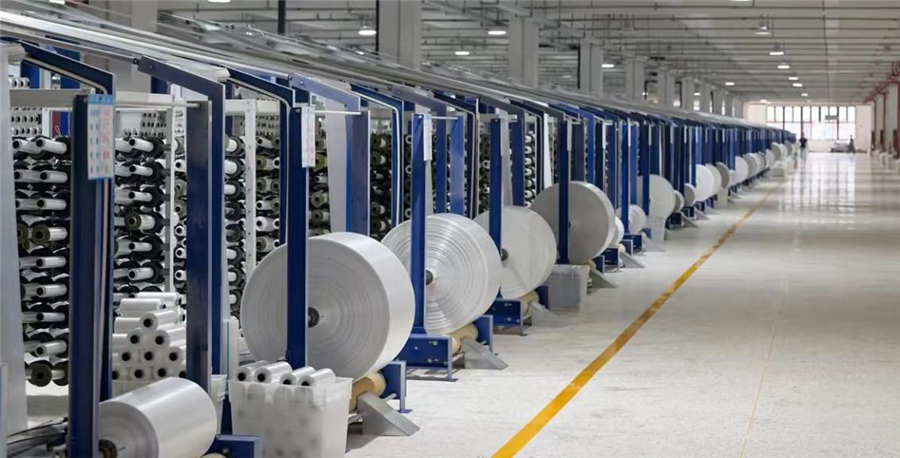
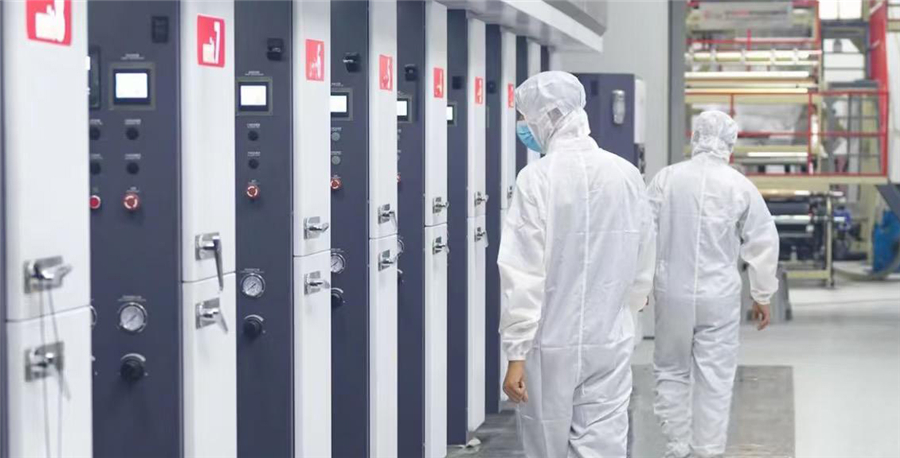
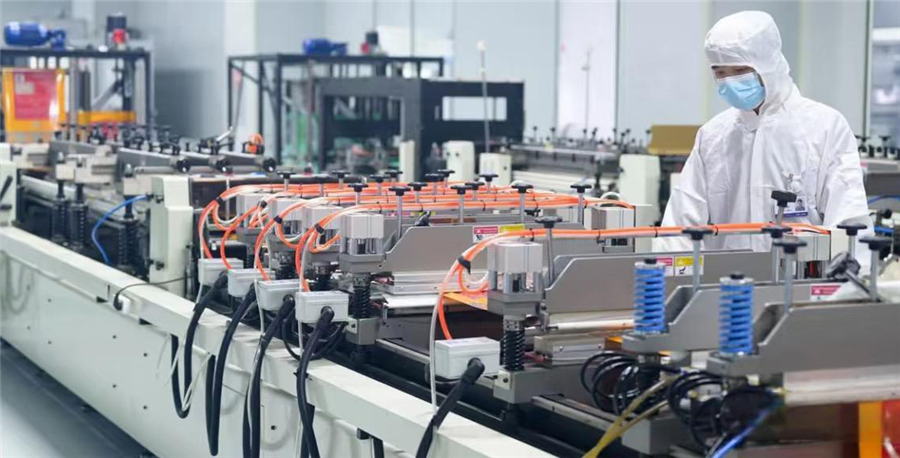
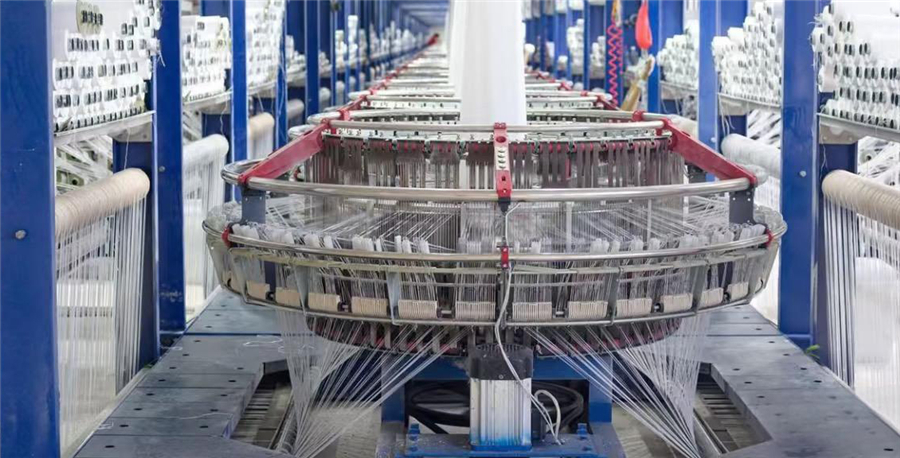
A glimpse inside our state-of-the-art production floors utilizing European-standard technology for precision extrusion, weaving, lamination, and bag-making.
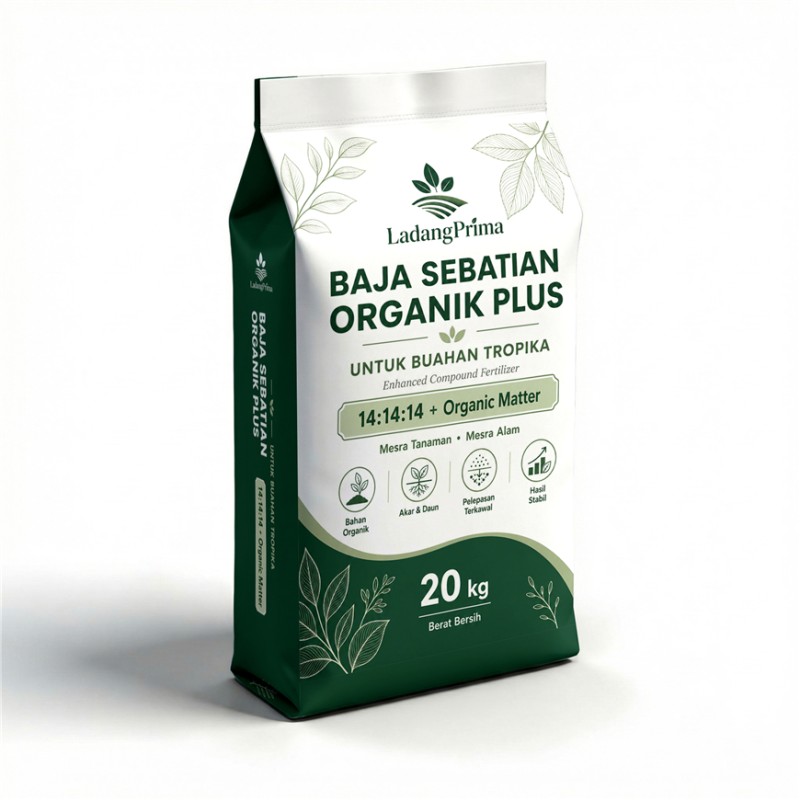
Our main product range includes highly specialized packaging substrates engineered for global distribution:


The industrial landscape in the United States is undergoing a rapid transformation, driven by automation, rising labor costs, and a strict focus on supply chain efficiency. From the agricultural heartlands of the Midwest to the massive chemical corridors along the Gulf Coast, companies are replacing manual bagging processes with high-speed automated packaging systems. At the center of this shift is the demand for advanced packaging substrates that can withstand high-speed automatic filling while ensuring maximum protection. This has made Laminated FFS (Form-Fill-Seal) PP Woven Sacks the preferred choice for bulk packaging across North America.
In the past, traditional packaging options like multi-wall paper bags or simple non-laminated woven bags dominated the market. However, these materials often fell short when exposed to the harsh realities of modern logistics, including moisture, long-distance rail transit, and outdoor storage. Today, major US manufacturers and agricultural cooperatives are upgrading to automated FFS lines. These systems require continuous rolls of tubular material or high-durability pre-made bags that can be filled, sealed, and palletized without human intervention. The integration of laminated polypropylene (PP) with FFS technology represents the pinnacle of modern packaging engineering, combining the strength of woven plastic with the barrier protection of plastic films.
Laminated FFS PP Woven Sacks offer a unique combination of structural integrity, moisture barrier properties, and compatibility with automated machinery. Unlike traditional packaging, these sacks are manufactured through a co-extrusion lamination process where a woven polypropylene matrix is bonded with a high-barrier plastic film (such as BOPP or PE). This multi-layered construction delivers several key advantages:
Switching from multi-wall paper to laminated PP woven sacks can reduce product loss during transit by up to 85% and increase automated filling line speeds by 30% to 40%. This results in direct labor savings and lower overall operational costs.
The versatility of Laminated FFS PP Woven Sacks allows them to serve a wide range of industries throughout the United States. Below are the primary localized applications where these high-performance bags are making a significant impact:
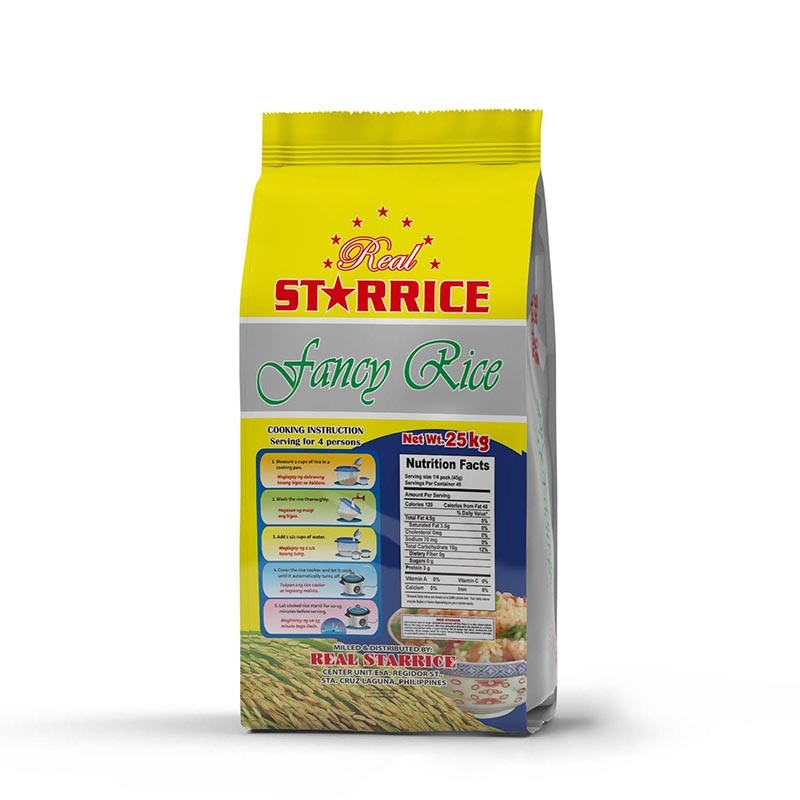
The US Midwest—including states like Iowa, Illinois, Minnesota, and Nebraska—is the global powerhouse for corn, soybean, wheat, and grain production. Co-ops and grain processors require heavy-duty packaging that can handle bulk capacities (typically 20kg to 50kg or 50lbs to 110lbs) and protect the contents from humidity during storage in silos and transit across national rail networks. Food-grade laminated PP woven bags ensure that grains, seeds, and milled flour remain dry and free from mold and pest contamination from the farm to the processing plant.
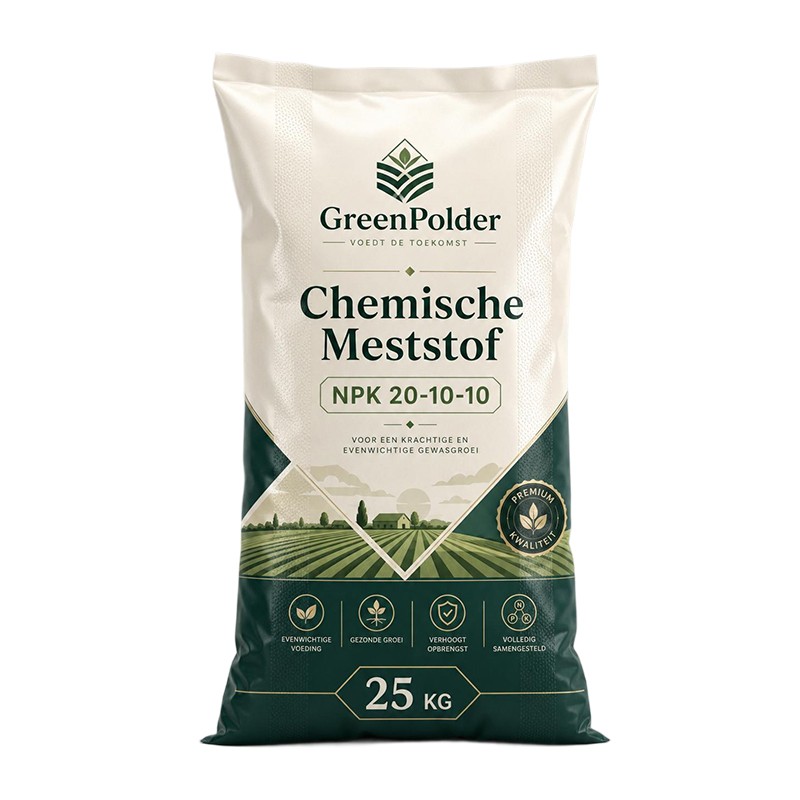
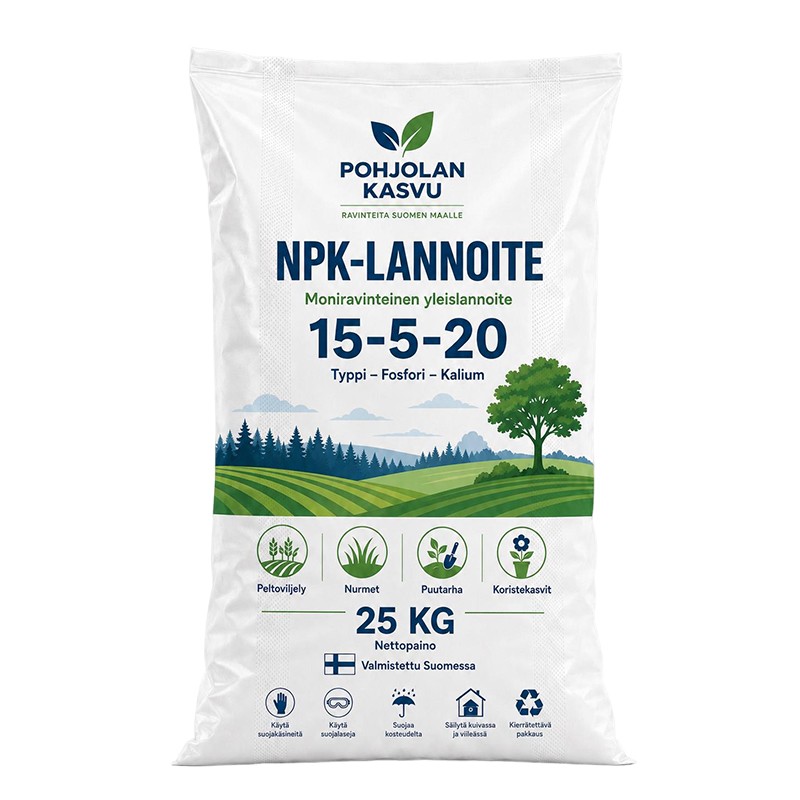
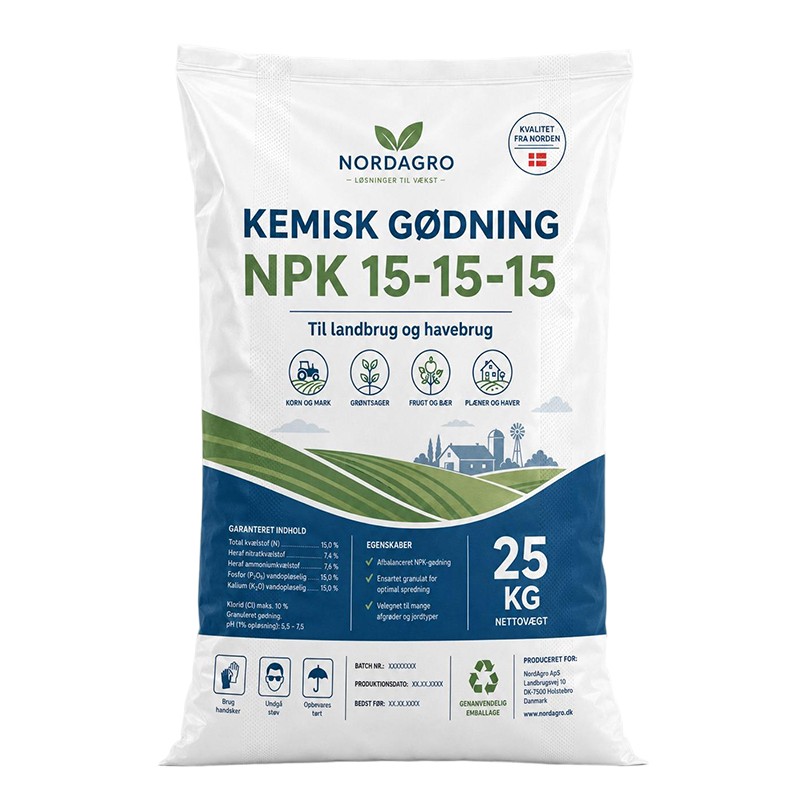
Texas and Louisiana host the largest concentration of petrochemical and fertilizer manufacturing plants in the world. Products such as urea, NPK fertilizers, plastic resins, and chemical powders are highly sensitive to moisture. The petrochemical industry relies heavily on PE and PP FFS tubular film bags. These bags are run on high-speed FFS lines (such as Windmöller & Hölscher or Haver & Boecker systems) to package granular fertilizers and polymer pellets. The high-barrier lamination prevents chemical degradation and ensures safe handling during domestic distribution and export shipping.
The animal feed industry in states like Kansas and North Carolina, alongside the booming premium pet food market nationwide, demands packaging that is both highly durable and visually striking. BOPP laminated PP woven bags are widely used for packaging dog food, cat food, horse feed, and poultry nutrition. The reverse-printed BOPP film protects the graphics from scuffing during transit, while the laminated interior prevents oils and fats from seeping through the bag, maintaining fresh product quality and clean retail displays.
In the construction sector, dry mix concrete, sand, plaster, and mortar are traditionally packaged in paper bags. However, the high moisture absorption of paper often leads to premature hardening of the product in outdoor retail yards. Construction material manufacturers in high-growth states like Florida, Texas, and California are increasingly adopting laminated PP woven sacks. These bags allow for outdoor storage without the risk of water damage, reducing waste and improving inventory management for retail home improvement centers.
As the demand for smarter packaging grows, manufacturers are integrating advanced technologies into the production of FFS PP woven sacks. These innovations are designed to solve common challenges faced by industrial packagers:
During high-speed filling of fine powders (like flour or fine chemicals), air trapped inside the bag can cause ballooning and prevent proper sealing or stacking. Modern laminating lines now utilize laser or mechanical micro-perforation systems. These systems create microscopic holes that allow trapped air to escape quickly during filling while preventing moisture ingress or product leakage, ensuring flat and stable pallet stacks.
Pallet stability is a major safety concern in US warehouses, where automated forklifts and high-rack storage systems are standard. To prevent bags from sliding off pallets during transport, manufacturers apply specialized anti-skid coatings or introduce texture to the lamination layer. This increases the coefficient of friction, allowing pallets to be stacked higher and transported safely.
Sunlight exposure can degrade polypropylene, causing bags to become brittle and tear. For products like agricultural seeds, fertilizers, and construction aggregates that are often stored outdoors on farms or construction sites, UV stabilizers are added to the raw PP material during the extrusion process. This ensures the bags maintain their structural integrity even under intense sunlight for up to 12 months.
For US-based buyers, importing industrial packaging requires partnering with a manufacturer that understands local regulatory standards, quality requirements, and logistics. When evaluating global factories, consider the following key factors:
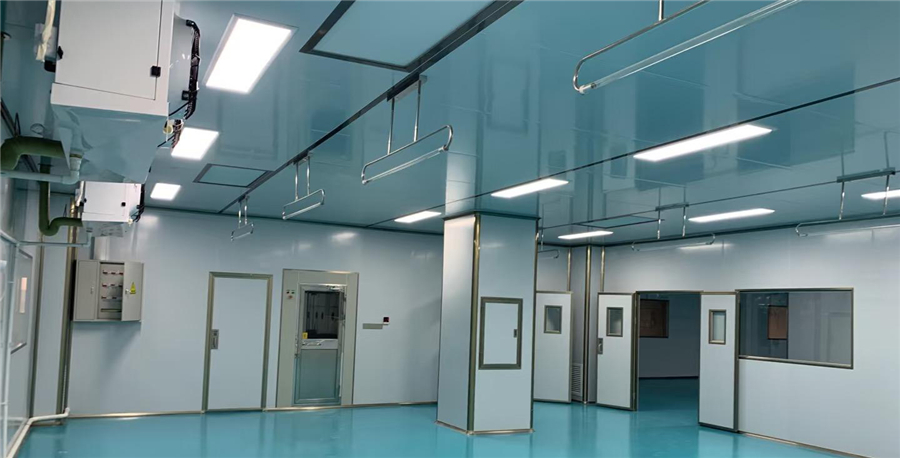
If you are packaging human food ingredients or animal feed, the manufacturing facility must adhere to strict hygiene standards. Ensure the supplier has cleanroom production capabilities and holds certifications such as ISO 22000, BRC, or FDA compliance for direct food contact. The raw materials used (PP resins, lamination films, and printing inks) must be 100% virgin and non-toxic.
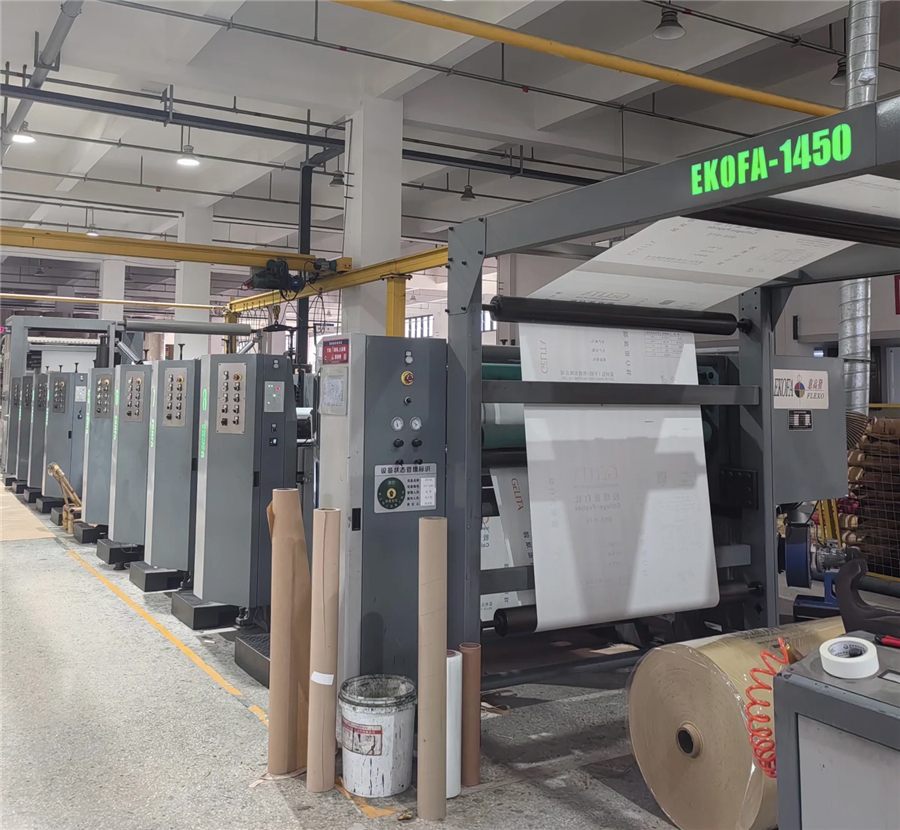
A reliable supplier must have the capacity to handle large-scale volume orders without compromising on lead times. Look for factories equipped with high-speed extrusion lines, circular looms, and advanced multi-color printing presses. An annual capacity of 10,000+ tons indicates that the manufacturer can support large contract orders and seasonal demand spikes.
Shipping costs and transit times are critical components of the supply chain. A manufacturer located near major shipping hubs (such as Ningbo or Shanghai port) can offer faster transit times and lower inland freight costs. Additionally, clear communication regarding customs documentation, tariff codes, and shipping terms (FOB, CIF, or DDP) is essential for a smooth import process.
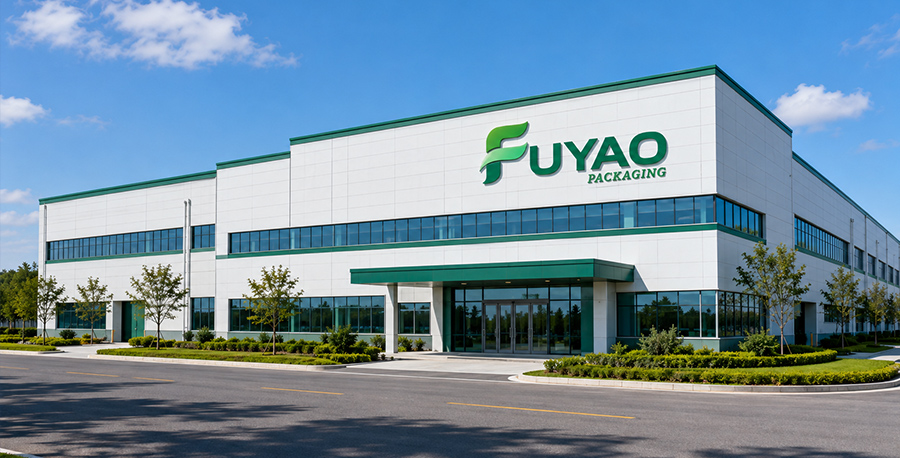
Established in 2010, Wenzhou Fuyao Packaging Co., Ltd. has grown into a leading manufacturer of high-quality industrial packaging, serving clients across North America, Europe, and Asia. With a modern 10,000 square meter facility and over 100 sets of advanced machinery, we specialize in producing custom-engineered Laminated FFS PP Woven Sacks, BOPP laminated bags, and paper-plastic composite bags.
Our factory is located in Xiaojiang Town, Wenzhou—the heart of China's woven packaging industry. This strategic location provides us with access to a highly skilled workforce, raw material suppliers, and efficient logistics networks. Located just 50 kilometers from Wenzhou Airport, we welcome international clients to visit our facility and inspect our production processes firsthand. We utilize 100% virgin materials, advanced quality control systems, and high-speed printing technology to deliver packaging that meets the highest standards of the US market. Whether you require packaging for agriculture, chemicals, pet food, or construction, Fuyao Packaging is committed to providing reliable, cost-effective, and innovative packaging solutions.
Explore our complete range of high-barrier FFS bags, laminated woven sacks, and industrial packaging solutions.