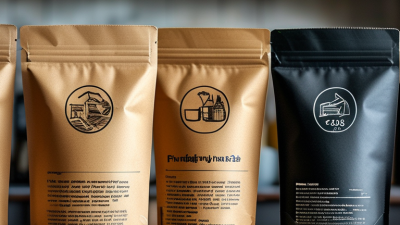
The packaging world is constantly changing, and let’s face it, the demand for smarter, more efficient solutions is just growing faster than ever. Recent reports are saying that the global market for flexible packaging is on track to hit around $300 billion by 2025 — mainly because consumers are gravitating towards options that are both convenient and eco-friendly. Out of all the options out there, the Flat Bottom Bag really catches the eye thanks to its clever design that helps maximize both storage space and display appeal.
Jerry Thompson from Packaging Innovations put it simply: “Flat Bottom Bags offer incredible stability and are super easy to fill.” That really highlights why these bags are becoming such a go-to in modern packaging. They’re not just pretty to look at — they actually make products more visible and easier to grab, which is pretty important these days. With brands trying to streamline their operations, it’s no surprise that the Flat Bottom Bag has become the top pick for both retailers and manufacturers.
That said, it’s not all smooth sailing. Some businesses might hesitate because the initial costs of flat bottom bags tend to be higher compared to traditional ones. But, honestly, the long-term benefits usually make up for that upfront investment. As the packaging industry keeps shifting, getting familiar with the full potential of the Flat Bottom Bag really is worth it — it can end up being a game-changer for efficiency and customer satisfaction.
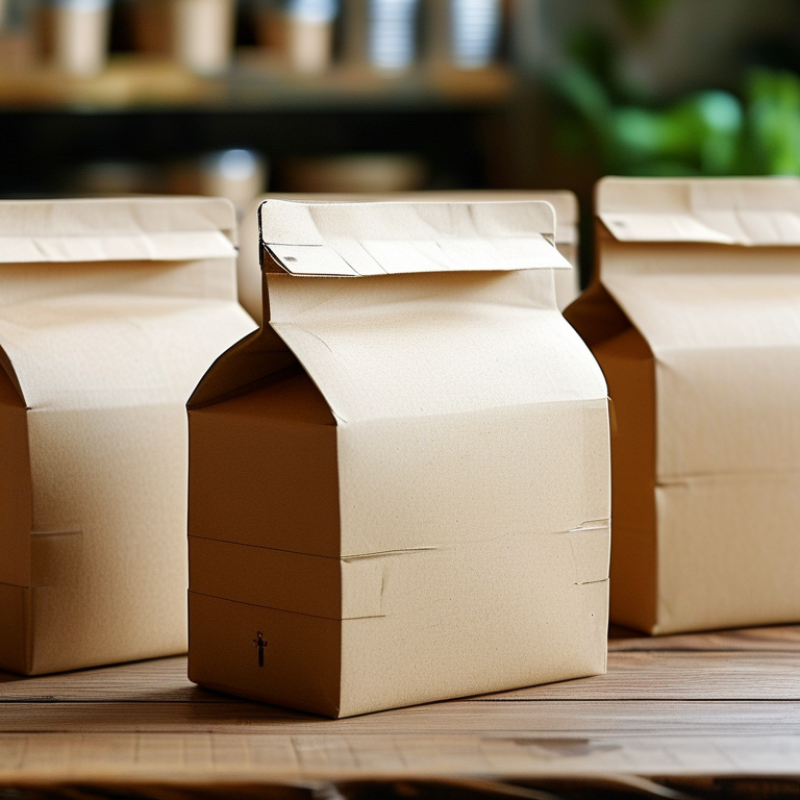
Overview of Flat Bottom Bags and Their Benefits
Flat bottom bags have gained popularity in the packaging industry due to their unique design and practical benefits. Their flat base provides stability, making them ideal for various products. These bags can stand upright on shelves, which enhances visibility and creates an attractive display. Moreover, they are versatile and can be used for a range of items, from food to personal care products.
The manufacturing process of flat bottom bags involves the use of high-quality materials. This ensures durability and protection for the contents inside. Additionally, they can be customized in size, color, and print. Such customization can help businesses strengthen their branding. However, companies must be cautious about the environmental impact of packaging materials. Consumers are increasingly demanding sustainable options. Thus, reflecting on packaging choices is necessary for long-term success.
Flat bottom bags also facilitate efficient packing and transport. Their shape maximizes storage space, both on shelves and during shipping. The bag's design often allows for easy filling, reducing labor time. Still, businesses should consider the cost implications. While they may offer many advantages, price sensitivity is crucial. Balancing cost and benefit will lead to smarter packaging decisions.
Materials Used in Flat Bottom Bag Production
Flat bottom bags have gained popularity due to their efficient design and versatility. The production of these bags primarily involves various materials, each offering unique benefits. Commonly used materials include polyethylene, polypropylene, and paper. These materials ensure durability and strength while catering to different packaging needs.
Polyethylene is a lightweight and cost-effective choice. It offers moisture resistance, which is vital for preserving food products. Polypropylene provides added strength and is often used for heavier items. It is also recyclable, appealing to environmentally conscious consumers. Paper bags, on the other hand, give a classic feel and are biodegradable, making them a preferred option for sustainable packaging.
When selecting materials for flat bottom bags, consider the intended use. Assess whether moisture and durability are critical factors for your product. Evaluate the environmental impact of the materials as well. Striking a balance between functionality and sustainability can enhance your packaging strategy. Remember to test different materials to find the most suitable option for your needs.
Comparative Analysis of Different Flat Bottom Bags
Flat bottom bags have gained popularity due to their effectiveness in packaging. A comparative analysis reveals significant differences in material, design, and functionality. According to industry reports, these bags can enhance shelf life by up to 30%. This is largely attributed to their airtight design, which minimizes exposure to moisture and oxygen.
When evaluating different types of flat bottom bags, it's essential to consider the materials used. Biodegradable options are becoming more prevalent. A 2022 market study highlighted that 70% of consumers prefer eco-friendly packaging. Despite this, many manufacturers still rely on plastic. The challenge lies in balancing durability with environmental responsibility.
In terms of cost-effectiveness, traditional flat bottom bags often provide better longevity than their eco-friendly counterparts. However, companies are facing mounting pressure to shift towards sustainable practices. This creates a paradox: how to remain economically viable while meeting consumer demands for greener solutions. Packaging strategies must continue evolving to address these complexities.
Key Features to Look for in Flat Bottom Bags
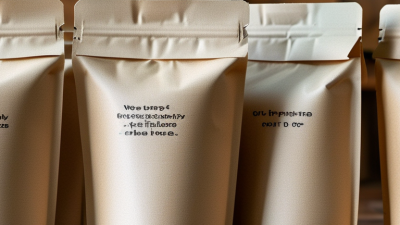
When exploring flat bottom bags, several key features should be prioritized for optimal packaging solutions. The design of a Flat Bottom Pouch allows for great stability, making it ideal for products that require standing space. This feature is particularly useful for items like snacks, coffee, or grains. The wider base provides ample room for branding and labels, enhancing overall visibility on retail shelves.
Material selection is another crucial aspect. Many flat bottom bags are made from multiple layers to ensure durability and protection. A robust material prevents leaks and spoiling, which is essential for perishables. However, consumers often overlook the importance of seal quality. A well-sealed Flat Bottom Pouch keeps contents fresh longer. In contrast, a faulty seal can lead to waste and lost profits.
Additionally, consider the size and dimensions. Not all products fit neatly within standard sizes. Customization options may be necessary, even though it could increase production costs. Many businesses find that without tailored solutions, they risk inefficient space use. Investing time to choose the perfect flat bottom bags can lead to improved efficiency and satisfaction for both producers and customers.
Applications of Flat Bottom Bags in Various Industries
Flat bottom bags have gained popularity in various industries due to their unique design and functionality. They provide a stable and upright packaging solution, making them ideal for products such as grains, snacks, and other loose items. In the food industry, these bags preserve freshness and ensure optimal shelf presentation. Many manufacturers prefer flat bottom bags for their effective branding opportunities, offering ample space for labeling and graphics.
In the medical field, flat bottom bags are used for packaging sterile instruments and supplies. Their robust structure ensures that the contents are safely enclosed while remaining easy to open. Beyond food and healthcare, the retail sector also benefits from these bags. They can hold a variety of products, from clothing to electronics, while providing a professional appearance. However, there are challenges. Recycling and sustainability are becoming crucial concerns. Not all flat bottom bags are made from eco-friendly materials.
Innovations in material science are necessary to tackle these issues. Companies must balance functionality with environmental impact. Some are experimenting with biodegradable alternatives, yet the market still lacks comprehensive solutions. This gap presents an opportunity for improvement. While flat bottom bags are efficient, the industry needs to reflect on their entire lifecycle.
Best Flat Bottom Bags for Efficient Packaging Solutions
| Industry |
Application |
Material Type |
Size Options (cm) |
Sustainability |
| Food Industry |
Packaging snacks and cereals |
BOPP, PE |
10x15, 20x30 |
Biodegradable options available |
| Cosmetics |
Packaging beauty products |
PET, Nylon |
5x10, 15x20 |
Recyclable materials |
| Pharmaceuticals |
Packaging medical supplies |
LDPE, HDPE |
7x10, 12x18 |
Certified for safety |
| Agriculture |
Packaging seeds and fertilizers |
Woven PP |
25x40, 30x60 |
Reusable options |
| Retail |
Packaging products and gifts |
Kraft paper, Recycled plastic |
10x12, 15x25 |
Eco-friendly materials |
Eco-Friendly Options for Flat Bottom Packaging
Eco-friendly packaging is increasingly important in today's market. Flat bottom bags are a popular choice for various industries, especially those focusing on sustainability. These bags offer ample space and stability, making them ideal for food, cosmetics, and household products. However, it's vital to consider the materials used in their production. Many options now incorporate biodegradable or recyclable materials, which can significantly reduce environmental impact.
One interesting aspect of flat bottom bags is their design. This unique structure allows for easy filling and better product display. However, not all materials used are created equal. Some biodegradable options can be less durable compared to traditional plastics. This raises questions about their practicality in certain applications. It's essential to weigh the pros and cons carefully.
Additionally, consumers are becoming more discerning. They seek packaging that aligns with their eco-conscious values. Transparency about materials and sourcing is crucial for building trust. Companies must invest in reliable suppliers and sustainable practices to meet these demands effectively. Flat Pouches can be a part of this eco-journey, but the entire supply chain must be analyzed for true sustainability.
Tips for Choosing the Right Flat Bottom Bag Supplier
Choosing the right flat Bottom Bag supplier requires careful thought. The flat bottom bag’s design provides stability, allowing for better shelf presence. According to a recent market report, more than 45% of companies see improved product visibility with flat bottom packaging. This statistic highlights their growing importance in retail environments.
When assessing suppliers, consider their experience and expertise in producing flat bottom bags. Verify if they adhere to industry standards for quality. Reports suggest that 67% of companies faced issues with bag integrity due to poor manufacturing. It’s vital to discuss materials used to ensure they meet your product needs.
Sustainability is also a key factor. Many suppliers now offer eco-friendly options for flat bottom bags. This aligns with consumer preferences, as 74% of consumers are more likely to purchase products with sustainable packaging. However, it’s crucial to ensure that the sustainability claims are backed by certified data. This reflection on the selection process can help mitigate potential challenges in packaging solutions.
Innovative High Strength Moisture Resistant Fertilizer Packaging: Insights from Global Market Trends and Supply Chain Data
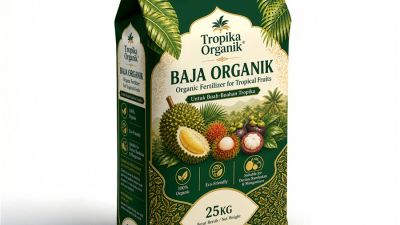
In today's agricultural landscape, the demand for high-strength, moisture-resistant fertilizer packaging has become increasingly pivotal. As we navigate global market trends, it’s evident that effective packaging solutions play a critical role in ensuring the integrity and viability of fertilizers during storage and transportation. The use of advanced materials, such as reinforced woven polypropylene fabric combined with a multi-layer OPP/PE structure, offers exceptional tear resistance and moisture control. This innovative approach not only protects granular and powdered fertilizers but also ensures optimal load stability, catering to the growing needs of agricultural producers.
Our high-quality fertilizer packaging bags are designed specifically for bulk handling, offering capacities ranging from 20kg to 50kg. This flexibility meets the diverse requirements of various agricultural companies and distribution cooperatives. By investing in reliable packaging solutions, stakeholders in the agricultural sector can significantly enhance supply chain efficiency and product safety. As the industry progresses, the emphasis on durable and moisture-resistant materials will continue to be a driving force in meeting both market demands and environmental considerations. Through advanced packaging technology, we can ensure that fertilizers are delivered to their destinations in optimal condition, ready to support the agricultural enterprises that rely on them.
FAQS
: They are widely used for food, cosmetics, and household products.
They reduce environmental impact and align with eco-conscious consumer values.
Their design provides ample space, stability, and enhances product display.
No, some biodegradable options may be less durable than traditional plastics.
Experience, adherence to industry standards, and quality assurance are vital factors.
Ensure they are supported by certified data and reliable sourcing.
Over 45% of companies note improved visibility with flat bottom bags.
Bag integrity issues can lead to significant product losses.
About 74% are more likely to buy products that use eco-friendly packaging.
Analyzing the entire supply chain can mitigate potential packaging challenges.
Conclusion
Flat Bottom Bags are becoming increasingly popular due to their versatile packaging solutions and efficient design. This article explores the numerous benefits of Flat Bottom Bags, including their stable structure that enhances shelf presence and usability. It delves into the various materials used in production, highlighting options such as polyethylene, paper, and biodegradable compounds. A comparative analysis underscores the differences among types of Flat Bottom Bags, with a focus on durability and cost-effectiveness.
The discussion also covers essential features to consider when selecting Flat Bottom Bags, such as size, sealing options, and printing capabilities. Specific applications across various industries—ranging from food packaging to retail—demonstrate their widespread utility. Additionally, the article highlights eco-friendly alternatives for sustainable packaging practices. Finally, it offers valuable tips for choosing the right supplier, ensuring that customers can find high-quality Flat Bottom Bags tailored to their needs.