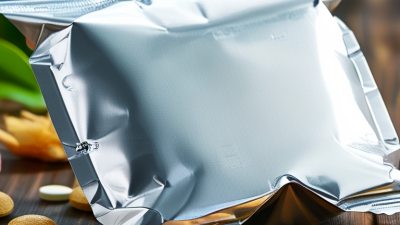
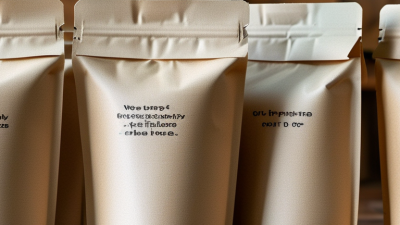
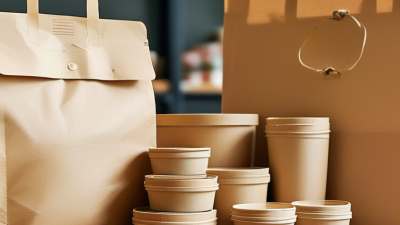
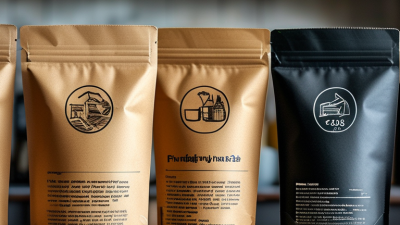
You know, in the ever-changing world of packaging, it's pretty clear that demand for high-quality Plastic PE Bags is skyrocketing worldwide. Honestly, a lot of experts believe these bags are going to be key players in making packaging more sustainable. I recently read what Dr. Jennifer Lee from GreenPack Innovations said — she’s a big name in industrial packaging — and she pointed out that the versatility and recyclability of Plastic PE Bags make them a top pick for many companies these days.
Picking the right Plastic PE Bag can do wonders — it can keep products safer, cut down on waste, and even boost a brand’s image. But here’s the thing: companies are constantly juggling between quality and being eco-friendly. Finding a supplier that ticks all the boxes — like durability, affordability, and eco-consciousness — can be a real challenge. While lots of brands get caught up in how things look, don’t forget that the strength and usability of the Bag Plastic Bag is just as important.
And truth be told, some suppliers claim they’ve got the best stuff — but how can you really tell? It’s super important to look closely at what materials they're using and whether they’re transparent about where their products come from. Not all manufacturers follow the same high standards, so global buyers really need to do their homework. As the industry keeps growing, making smart, ethical decisions is more crucial than ever. Brands are feeling the heat to innovate, but at the same time, they’ve got to stick to fair practices and respect consumer rights. It’s a balancing act, for sure.
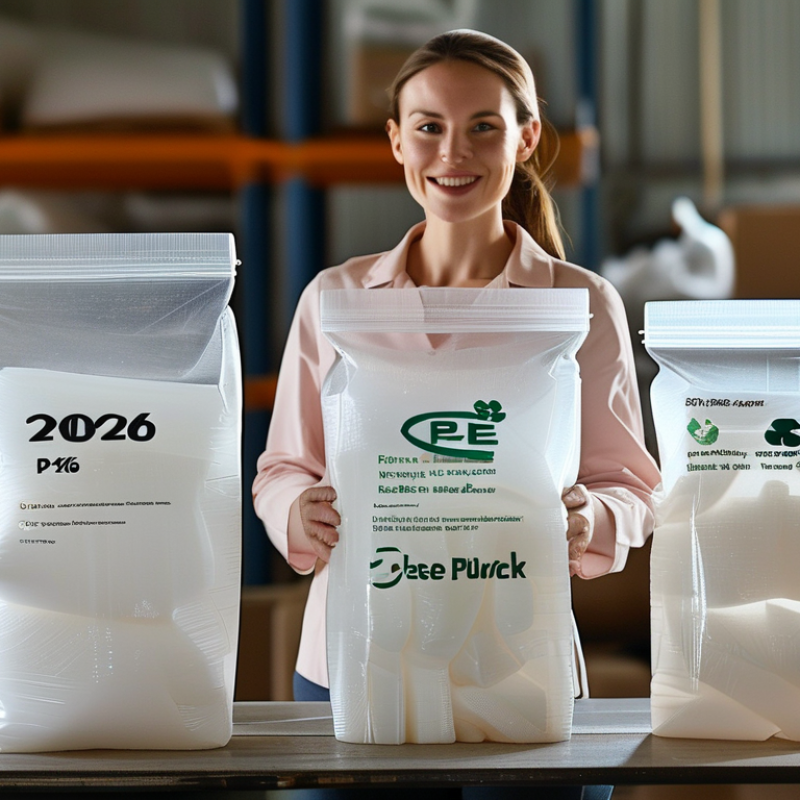
Overview of Plastic Pe Bags and Their Importance in Global Markets
Plastic polyethylene (PE) bags play a crucial role in global markets. They are lightweight, durable, and versatile. Many industries rely on them for packaging, transport, and storage. Their cost-effectiveness makes them a popular choice among businesses worldwide.
When considering PE bags, one must think about material quality. Thicker plastic bags often offer better strength and durability. Buyers should also assess the environmental impact of their bags. Sustainable options are gaining traction, reflecting growing consumer preferences.
Tips for choosing the right bags:
- Evaluate the thickness of the material.
- Look for suppliers who prioritize sustainability.
- Consider customization for branding.
Quality and reliability can vary significantly across suppliers. It is wise to research and compare different options. While price is important, it should not be the only factor. Understanding the specific needs of your application can lead to better choices. Be aware that not all bags perform equally in diverse conditions. Striking a balance between cost and durability is essential.
Types of Plastic Pe Bags: Materials and Designs for Diverse Needs
When choosing the right plastic PE bag, various materials and designs cater to specific needs. The most common types include low-density polyethylene (LDPE) and high-density polyethylene (HDPE). LDPE bags are flexible and resistant to stress, making them perfect for items that require extra cushioning. On the other hand, HDPE bags are stronger and ideal for carrying heavier goods. Their durability ensures that they maintain shape and integrity over time.
Plastic Bags can also come in various designs. Some are plain and functional, while others are printed or colored for branding. Choosing the right design depends on the intended use. For instance, a retail outlet may prefer vibrant, branded bags to enhance visibility. Yet, environmentally conscious buyers may lean toward simple, biodegradable options.
Despite the many advantages, there are challenges. Not all plastic PE bags are eco-friendly, and their improper disposal can lead to environmental issues. Buyers must reflect on the lifecycle of a plastic bag before choosing. The responsibility falls on both manufacturers and consumers. By carefully selecting materials and designs, users can minimize their environmental footprint while still meeting their packaging needs.
Top Manufacturers of Plastic Pe Bags for International Distributors
When looking for the best options for Plastic Pe Bags, international distributors should focus on reputable manufacturers. These companies often have established standards for quality and reliability. It's essential to choose suppliers that prioritize sustainable materials in their production processes. This choice not only enhances brand image but also meets growing consumer demands for eco-friendly packaging.
Consider these tips when selecting a manufacturer. Firstly, review their production capabilities and whether they can customize bag sizes and designs. Look for companies with a solid track record in exporting to multiple countries. Quality certifications can indicate a manufacturer’s expertise. Secondly, assess their customer service. Reliable support is crucial for addressing issues rapidly. Keep in mind that even small miscommunications can lead to significant problems.
Remember that not all Plastic Pe Bag options are equal. Some may have durability issues or inadequate sealing methods. Testing samples before placing bulk orders can mitigate risks. It's vital to understand the nuances of the materials used. Each manufacturer may have different approaches, impacting the overall performance of the bags. Engaging with manufacturers that emphasize innovation and feedback is a wise choice for long-term partnerships.
Sustainability Considerations in the Production of Plastic Pe Bags
As the demand for plastic PE bags grows, sustainability becomes a critical focus. Traditional plastic bags are often seen as single-use and harmful to the environment. However, innovative production practices are emerging. Companies are now exploring biodegradable materials and recycled plastics to reduce waste.
The production process itself requires rethinking. Using renewable energy sources can significantly lower the carbon footprint. Additionally, manufacturers are encouraged to minimize water usage and implement closed-loop systems. This shift is not without challenges. While some techniques show promise, finding a balance between cost and environmental impact is still a work in progress.
Consumers are becoming more conscious. They want packaging solutions that align with their values. Green certifications can help buyers identify eco-friendly options. However, not all labels are reliable. Verification processes need strengthening to ensure authenticity. As the industry evolves, ongoing education will be essential for both producers and consumers.
2026 Best Plastic Pe Bag Options for Global Buyers
| Bag Type |
Thickness (microns) |
Size (cm) |
Biodegradable Option |
Recyclability |
Country of Production |
| Standard PE Bag |
30 |
25 x 35 |
No |
Yes |
China |
| Recycled PE Bag |
40 |
30 x 40 |
Yes |
Yes |
Germany |
| Heavy-Duty PE Bag |
60 |
40 x 50 |
No |
Yes |
United States |
| Compostable PE Bag |
20 |
20 x 30 |
Yes |
No |
Italy |
| Foldable PE Bag |
25 |
15 x 20 |
No |
Yes |
India |
Market Trends Shaping the Future of Plastic Pe Bag Usage
As we approach 2026, the landscape of plastic PE bags is evolving. More businesses are focusing on sustainability. Consumers show increased awareness of their choices. The shift is not just in usage but also in production methods. Eco-friendly alternatives are gaining traction. Traditional plastic bag production often overlooks environmental impact. This calls for reflection on our practices and choices.
Market trends illustrate a growing preference for biodegradable options. Many players in the industry are exploring recycled materials. These changes reflect a demand for greater responsibility. It’s essential to balance functionality with eco-consciousness. While Plastic Bag Pp remains prevalent for many applications, alternatives must be considered. Questions about long-term sustainability linger.
The rise of online shopping fuels demand for plastic bags. However, the environmental cost cannot be ignored. Companies are urged to innovate. Plastic PE bags are still a staple in packaging, yet their future is uncertain. Ensuring quality while minimizing environmental impact requires expertise. Industry players must work together for meaningful change. Examining our approach to plastic PE bags can lead to better solutions.
Regulatory Standards Affecting Plastic Pe Bag Sales Worldwide
The global market for plastic PE bags is influenced by various regulatory standards. Countries have implemented strict regulations to reduce plastic waste. These laws often dictate bag thickness, material composition, and recycling requirements. Buyers must be aware of the requirements in their target markets.
Different regions adopt unique standards. For instance, some countries have banned single-use plastic bags outright. Others encourage biodegradable options. Navigating these regulations can be complex. Manufacturers strive to meet compliance while staying competitive.
In the quest for eco-friendly solutions, it’s crucial for buyers to reflect on their choices. What is the environmental impact of the bags they procure? Are they considering life cycle assessments? These questions can drive meaningful change. The search for sustainable options is ongoing and requires commitment.
Tips for Selecting the Best Plastic Pe Bags for Your Business Needs
When selecting Plastic Pe Bags, understanding your specific needs is crucial. These bags come in various sizes and thicknesses. A study by Smithers Pira stated that the global plastic bag market will reach approximately 500 billion units by 2026. This growing demand emphasizes the importance of choosing the right material for your business.
Consider factors like bag strength and environmental impact. Thinner bags may save costs but could compromise durability. On the other hand, thicker bags offer sturdiness but increase material usage. The balance between cost and quality can be challenging. Remember, customers often prefer eco-friendly options. A report highlighted that 70% of consumers are willing to pay more for sustainable packaging.
Review your supply chain and waste management practices. The production process can be wasteful. Engaging suppliers who prioritize sustainability can enhance your brand’s reputation. However, transitioning to more sustainable options may require investment and adjustments. Evaluating your current operations is essential for long-term success.
A well-informed choice can lead to improved customer satisfaction and loyalty.
Market Analysis and Trends in Custom Printed Paper Plastic Composite Bags for Efficient Powder and Granular Product Packaging Solutions
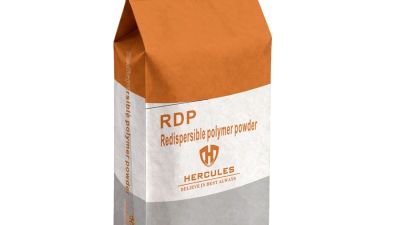
The demand for custom printed paper-plastic composite bags has surged in recent years, driven primarily by the need for efficient packaging solutions for powder and granular products. These composite bags, specifically designed for materials such as flour, feed, starch, and chemical products, leverage the strength of kraft paper and the durability of PP woven fabric, often accompanied by a PE inner liner. This combination not only ensures a strong load capacity but also enhances moisture resistance, making them ideal for various industrial and agricultural applications. According to industry reports, the market for such composite bags is projected to grow significantly, reaching an estimated USD 3.5 billion by 2025, with a compound annual growth rate (CAGR) of 5.2%.
One of the key factors driving this growth is the increasing need for sustainable and efficient packaging solutions. The ability to provide custom printing on these bags also enhances brand recognition and consumer engagement. The composite structure allows for stable handling and reliable transportation, particularly in bulk packaging options ranging from 20kg to 40kg. This is critical in industries where product integrity during shipping is paramount, as compromised packaging can lead to product loss and financial repercussions. In addition, reports highlight that industries are increasingly favoring packaging that prioritizes both functionality and environmental considerations, aligning with global trends towards sustainability.
As businesses adapt to evolving market demands, the adoption of custom printed paper-plastic composite bags presents a dual advantage: it meets the logistical needs of efficient product packaging while supporting branding initiatives. The strong performance attributes of these bags make them a preferred choice among manufacturers looking for both reliability and aesthetic appeal in their packaging solutions.
FAQS
: The most common materials are low-density polyethylene (LDPE) and high-density polyethylene (HDPE).
LDPE bags are flexible and resistant to stress, suitable for items needing cushioning.
HDPE bags are stronger and better for carrying heavier goods without losing shape.
Designs range from plain and functional to printed or colored for branding purposes.
Not all plastic PE bags are eco-friendly, and their disposal impacts the environment.
Reviewing production capabilities and quality certifications is vital for selecting a reliable manufacturer.
It helps mitigate risks like durability issues or sealing problems with bulk orders.
Regulations vary by country and may cover bag thickness, material rules, and recycling requirements.
Buyers should ask about the environmental impact and conduct life cycle assessments of the bags.
Small miscommunications can lead to significant issues in the production process.
Conclusion
The article "2026 Best Plastic Pe Bag Options for Global Buyers" offers a comprehensive overview of Plastic Pe Bags, highlighting their significance in international markets. It explores the various types of Plastic Pe Bags available, detailing the materials and designs tailored to meet diverse consumer needs. Furthermore, the article discusses leading manufacturers that cater to global distributors, emphasizing sustainable practices in production given the growing environmental concerns.
Additionally, the piece examines current market trends and regulatory standards that influence the usage and sales of Plastic Pe Bags worldwide. It provides insightful tips for businesses to select the most suitable Plastic Pe Bags, ensuring they align with both operational needs and sustainability goals. This summary underscores the importance of understanding the evolving landscape of Plastic Pe Bags for buyers in the global marketplace.