You know, as more and more folks are seeking eco-friendly packaging options, the global market for Polyethylene Bags is really starting to shift and grow. I recently came across a report by Smith & Associates, and they’re saying that the polybag industry is expected to grow at about 4.5% annually from 2023 to 2026. It’s pretty interesting — this surge is mainly driven by sectors like retail and online shopping, both of which are on the hunt for affordable, efficient packaging solutions.
Dr. Emily Thompson from EcoPack Solutions once mentioned, “Innovation in Polyethylene Bags is really the key to meeting both what consumers want and the push for sustainability.” That really hits home, showing how important it is to find ways to make these bags more eco-friendly while still doing their job well. These days, lots of manufacturers are experimenting with biodegradable materials, trying to strike a balance between functionality and being responsible to the environment.
Of course, it’s not all smooth sailing. There are still hurdles — like sourcing sustainable materials without breaking the bank. The pressure to develop innovative yet high-quality products is definitely real. That said, there’s a big opportunity for businesses that are willing to adapt and innovate. By 2026, global buyers aren’t just gonna care about how many bags you make; they’ll want those bags to be sustainable and high-quality too. The road towards responsible packaging continues, but honestly, the potential here is huge and pretty exciting.
China's Role in the Polyethylene Bag Market for Global Buyers
China has established itself as a key player in the polyethylene bag market. Its production capacity is unmatched. With affordable manufacturing processes, China serves global buyers effectively. The demand for polyethylene bags continues to rise due to their versatility. Industries use these bags for varied applications, from packaging to retail.
Buyers should consider quality when sourcing polyethylene bags. Not all manufacturers meet stringent standards. Check for certifications that ensure durability and safety. Heavy Duty Polyethylene Bags can withstand tougher conditions, offering better performance. These bags are ideal for heavy products, reducing the risk of tears.
A potential challenge exists in navigating regulations. Different countries have specific guidelines on plastic usage and recycling. It’s essential for buyers to stay informed about these regulations. Choosing reputable suppliers can help mitigate risks. Reliable partners understand compliance and quality control, ensuring that products meet market needs. Collaborating with well-regarded manufacturers enhances supply chain stability.
Key Characteristics of High-Quality Polyethylene Bags from China
High-quality polyethylene bags from China exhibit distinct characteristics that appeal to global buyers. Firstly, durability stands out as a crucial feature. These bags are designed to withstand various conditions, ensuring they maintain their integrity during transportation and storage. Buyers often look for thickness in the film used; thicker bags tend to offer better resistance to tearing and puncturing.
Another key characteristic is versatility. Polyethylene bags can be manufactured in various sizes and styles to meet diverse needs. Whether it’s for heavy-duty applications or lightweight uses, the options are plentiful. Customization is also a significant advantage; businesses can print logos, sizes, or specific designs directly onto the bags. This level of personalization can enhance brand recognition and improve the buyer's satisfaction.
On the flip side, buyers should be cautious. Not all bags meet high industry standards. Variability in quality can lead to confusion. Some bags may appear appealing but fail in performance. Comprehensive testing and reliable certifications are essential for ensuring quality and performance. In seeking the best options, transparency from suppliers is vital. Reliable sellers will provide clear information regarding their manufacturing processes and materials used.
Trends Influencing Polyethylene Bag Production in China for 2026
As we approach 2026, the landscape for polyethylene bag production in China is changing profoundly. The rise in e-commerce and a growing awareness of environmental issues are two main trends. According to a recent industry report, the global polyethylene bag market is expected to reach approximately $20 billion by 2026. This significant growth hints at increased demand for sustainable production practices in China.
Moreover, the Chinese government is advocating for eco-friendly materials. They plan to phase out single-use plastics, pushing manufacturers towards biodegradable alternatives. Data from the China Plastics Industry Association indicate that production of biodegradable bags could increase by 25% annually. This shift may affect traditional polyethylene bag producers, who will need to innovate to stay relevant.
Consumer preferences are also evolving. Research shows that 60% of consumers prefer brands that use sustainable packaging. This statistic highlights a potential challenge for producers. Balancing cost and sustainability is a complex task. Many manufacturers may struggle to adapt to these new requirements while maintaining profit margins. The industry must reflect on how to implement changes effectively for long-term success.
Leading Manufacturers of Polyethylene Bags in China
China has emerged as a leading player in the global polyethylene bag market. The country’s manufacturers focus on producing high-quality bags that meet international standards. These bags are widely used in various industries, from retail to packaging. Many manufacturers leverage advanced technology to optimize production efficiency.
A few trends are shaping the polyethylene bag industry in China. Sustainability is becoming increasingly important. More companies are exploring bio-based polyethylene options. This shift reflects a growing awareness of environmental issues. However, some manufacturers still struggle with sustainability practices. They face challenges balancing cost and eco-friendly initiatives.
Quality control remains a crucial factor for manufacturers. Buyers need assurance that the bags meet their requirements. Many companies are investing in quality assurance processes. It helps in gaining trust and maintaining long-term partnerships. However, not all manufacturers prioritize this, leading to inconsistencies. Overall, China’s polyethylene bag market continues to evolve. It presents various opportunities and challenges for global buyers looking to source these essential products.
Sustainability Practices in China's Polyethylene Bag Industry
The polyethylene bag industry in China is evolving, especially in sustainability practices. As global awareness of environmental issues grows, manufacturers are making significant changes. Many companies are now adopting eco-friendly materials in production. This shift is crucial for reducing plastic waste.
Some manufacturers face challenges in balancing practicality and sustainability. While innovations are promising, not all polyethylene bags can be made biodegradable. The industry is also critiqued for the slow pace of change. Many companies still rely on traditional methods, which can lead to more pollution. However, the push for greener practices is evident.
New regulations are emerging to hold companies accountable. Many businesses are investing in research to create better alternatives. This effort shows a commitment to a sustainable future. Yet, there is a long way to go. The demand for Plastic Bag Polyethylene continues to rise, making it essential for the industry to adapt responsibly.
Comparative Analysis: China vs. Other Global Suppliers of Polyethylene Bags
In 2026, the demand for polyethylene bags is expected to grow significantly. China is currently a leading producer, owing to its advanced manufacturing capabilities. Reports indicate that the global polyethylene market is projected to reach USD 200 billion by 2026, with a compound annual growth rate (CAGR) of over 5%. This growth opens doors for China to dominate more market share against suppliers from other regions.
However, the comparative analysis shows challenges. Countries like the USA and Germany are investing heavily in eco-friendly alternatives. In 2023, the European market introduced regulations that significantly limited single-use plastics, reshaping customer preferences. In contrast, China is still focused on traditional polyethylene products, which raises questions about sustainability. Buyers must consider not only cost but also environmental impact when choosing suppliers.
Consider the market trends carefully. Evaluate suppliers based on their commitment to sustainability and innovation. Engaging with manufacturers that prioritize eco-friendly practices can benefit long-term business relations. Transparency and ethical production processes are becoming crucial for global buyers. Always stay informed about regulations in your target market for polyethylene products.
Comparative Analysis of Polyethylene Bags: China vs. Other Global Suppliers in 2026
Challenges Faced by Buyers When Sourcing Bags from China
Sourcing polyethylene bags from China presents unique challenges for global buyers. In 2026, the demands for eco-friendly options are rising. However, many buyers struggle with inconsistent quality. Reports indicate that nearly 30% of buyers encounter issues with bag durability. This affects brand reputation and consumer trust.
Logistical concerns are significant. Shipping delays can extend lead times, impacting inventory management. In fact, a recent study shows 40% of buyers report longer-than-expected delivery times. This can lead to stock shortages and lost sales. Additionally, language barriers often complicate communication with suppliers. Clear specifications are vital when ordering Pp Bags.
Compliance with environmental regulations is another hurdle. Many countries have stringent requirements regarding plastic waste. Buyers need to ensure that their sourced Pp Bags meet these criteria, which can be complex. Limited transparency in manufacturing processes adds to the challenge. Ultimately, navigating these issues requires careful planning and rigorous supplier vetting.
Comprehensive Guide to Custom Chemical Packaging Bags from China: Ensuring Safe Transport of Industrial Materials
In the realm of industrial logistics, the significance of secure chemical packaging cannot be overstated. The transport and handling of chemicals demand not just durability but also adherence to safety standards to prevent leaks and spills, which can have serious environmental and safety implications. According to recent industry reports, the global demand for chemical packaging solutions is projected to grow at a CAGR of 4.5% over the next five years, underscoring the necessity for reliable packaging options tailored to the unique needs of various chemical products.
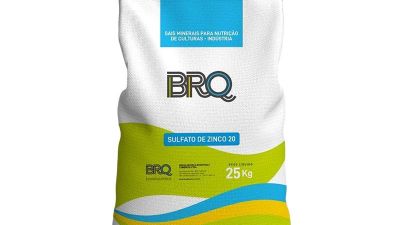
Chemical Packaging Bags manufactured in China are at the forefront of this demand, offering a solution tailored for the secure storage and transport of diverse materials including fertilizers, resins, and industrial raw materials. These bags, crafted from woven polypropylene and enhanced with a paper-plastic composite structure, provide exceptional moisture resistance and load capacity, making them ideal for bulk chemical transport. The customization options available, ranging from 20kg to 40kg, further make these bags an appealing choice for chemical factories and material distributors, ensuring that businesses can choose the right size and design to fit their operational needs.
Moreover, the rigorous testing and quality assurance protocols adhered to during the manufacturing process align with international safety standards, reinforcing the reliability of these packaging solutions. As industries increasingly recognize the benefits of high-performance packaging, the ability to safeguard materials throughout the supply chain remains a crucial aspect, highlighting the growing trend towards specialized, secure chemical packaging solutions from established manufacturers.
FAQS
: China's unmatched production capacity and affordable manufacturing processes attract global buyers. Demand for versatile bags fuels growth.
Buyers should check for certifications and quality assurance. Not all manufacturers meet safety standards, leading to potential risks.
Different countries have varying regulations on plastic use. Staying informed is crucial to ensure compliance and mitigate risks.
Trends like the rise in e-commerce and environmental concerns are reshaping the industry. Many manufacturers must innovate to remain competitive.
About 60% of consumers favor brands using sustainable packaging. This trend pressures producers to balance cost and eco-friendly practices effectively.
Not all polyethylene bags can be biodegradable. The industry faces challenges in maintaining performance while pursuing greener alternatives.
Growing global awareness of environmental issues pushes manufacturers toward eco-friendly practices. Reducing plastic waste is essential for future success.
Many companies still rely on traditional methods, which can hinder progress. Slow adaptation to new regulations is a common critique.
New regulations hold companies accountable for their environmental impact. This forces the industry to invest in research for better alternatives.
The industry must consider how to implement changes effectively while managing rising demand for polyethylene bags. Moving toward sustainability is key.
Conclusion
The article explores China's significant role in the polyethylene bag market, highlighting its key characteristics and high-quality production standards sought by global buyers. As the demand for polyethylene bags continues to rise, the piece discusses the evolving trends that are shaping production practices in China for 2026, emphasizing innovations and sustainability efforts within the industry.
Additionally, it presents a comparative analysis between China and other global suppliers, addressing the challenges buyers face when sourcing polyethylene bags from China. These challenges include navigating quality assurance, supply chain logistics, and fluctuating market demands. Ultimately, the article underscores China's position as a leading provider in the polyethylene bag sector, while also pointing out the importance of sustainable practices in meeting the global market's needs.