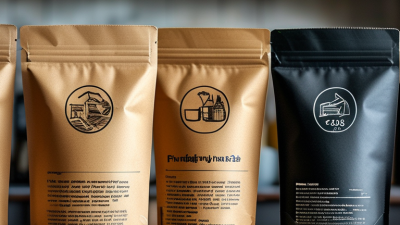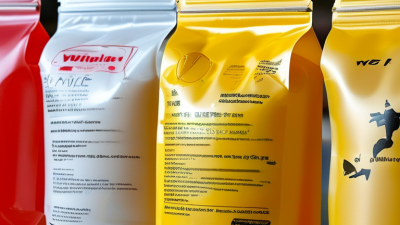
Choosing a foil packaging supplier isn't just about finding the lowest price, honestly. A pouch that looks great in a sample might perform a whole lot differently once it's on the filling line or during a long shipment. Stuff like seal strength, barrier quality, print clarity, and consistent delivery really matter and shouldn’t be overlooked.
So, in this guide, I’ve put together a list of ten foil packaging manufacturers from around the world. It’s a handy starting point if you're trying to compare options—things like product ranges, customization possibilities, manufacturing capacity, and shipping experience. When talking to suppliers, it’s super important to ask the right questions. Can they give you clear specs? Do they offer testing and quality checks before shipping? How flexible are they if your order size changes? These little details actually count a lot.
Each of these manufacturers caters to different needs—from flexible pouches and lidding materials to foil laminates used in food, pharma, or personal care. Instead of just picking the top-ranked or most attractive website, it’s better to match their documented capabilities with what your product actually needs—because, honestly, what works for one company might not work for another.
And here’s the thing—nothing beats evaluating things yourself. Always ask for the latest technical info, test samples in real-world conditions, and chat with them about production timelines and delivery. Certifications and claims are important, but you should double-check those with proper documentation—sometimes, websites can be a little polished but don’t tell the full story. So, a second look is always wise.
Keeping all this in mind, this list should help you cut down your options and prepare for more meaningful conversations with suppliers. Think of it as a starting point—do your homework and verify whatever really matters for your product, your market, and your supply chain.
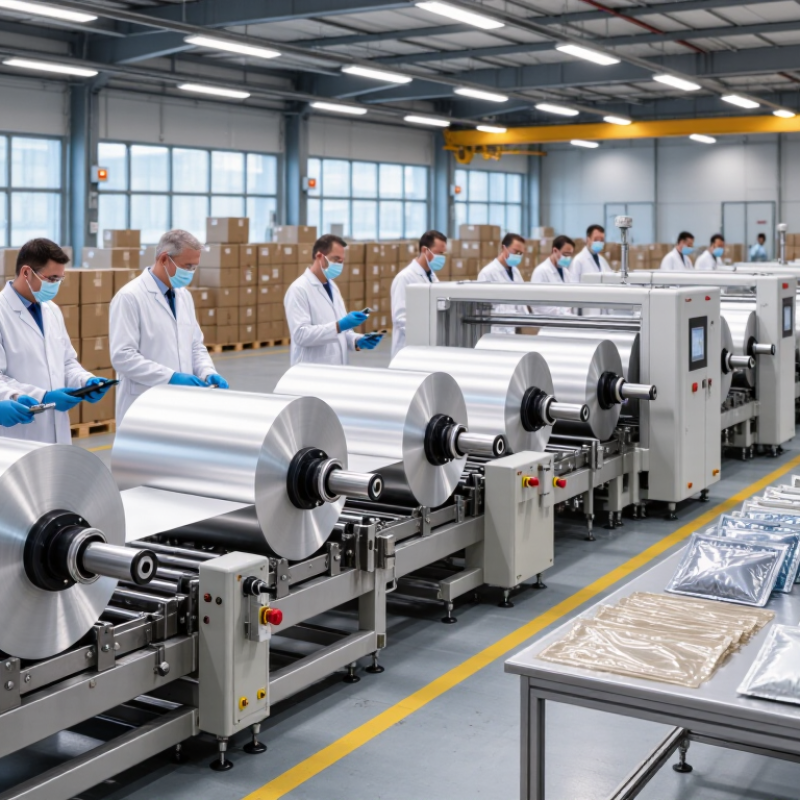
Foil packaging generally means aluminum foil with a thickness of 0.2 mm or less. In a sample, that may feel like a firm sheet or a very thin, flexible layer. The exact thickness affects handling, forming, and barrier performance. But thickness alone does not tell the whole story. Small detail. Big difference.
Foil Food Packaging often uses foil as one layer in a laminate, combined with paper or plastic films. This can help protect food from light, moisture, and oxygen, depending on the full structure and seal quality. A tiny crease near a pouch edge can matter. So can a weak seal. Buyers should request the material specification and test results for the intended use, rather than relying on a general thickness claim. I might be tempted to treat a thicker foil as automatically better; that is not always a sound assumption.
Tips: Ask for thickness in microns, plus barrier and seal data. Check samples after folding and handling. Real conditions can expose flaws that a tidy specification sheet misses.
Foil thickness is a useful starting point when comparing packaging suppliers, but gauge alone does not determine performance. At around 6–20 μm, thin aluminium foil suits flexible laminates where low weight and barrier properties matter. Buyers should check pinhole limits, temper, and coating compatibility, not just the number on a specification sheet. Thin, but demanding. A small variation can affect converting or seal quality.
From roughly 20–100 μm, foil can serve heavier laminates and formed packaging, depending on alloy, temper, and product design. Thicker gauges, extending toward 200 μm, are more relevant to rigid or semi-rigid components and demanding forming needs. Lids need a separate review: seal layers, peel behavior, and fit with the container all matter. Laminates also combine foil with paper or polymer layers, so total structure thickness differs from foil gauge. Ask suppliers for technical data, sample rolls, and test results tied to the intended process. The categories help narrow a shortlist, though real packaging trials may still reveal gaps. A chart is not proof.
Scope: This source-neutral guide compares ten common foil-packaging product categories rather than ranking or identifying individual manufacturers.
| No. | Product category | Typical aluminum gauge | Common construction or finish | Typical applications | Key buyer checks |
|---|---|---|---|---|---|
| 1 | Flexible-packaging foil | 6–9 μm | Thin aluminum foil, commonly laminated with polymer films and/or paper | Food sachets, coffee packs, confectionery wraps, and other flexible packs | Pinholes, thickness tolerance, barrier performance, laminate bond strength, and roll width |
| 2 | General-purpose laminate foil | 7–20 μm | Aluminum foil combined with PE, PET, paper, or other packaging layers | Dry foods, powdered products, personal-care sachets, and household goods | Layer structure, sealing layer, printing compatibility, migration requirements, and intended storage conditions |
| 3 | Pharmaceutical blister lidding foil | 20–30 μm | Printed or plain hard-temper foil, typically coated with a heat-seal lacquer | Push-through lidding for tablet and capsule blister packs | Seal compatibility with the forming web, lacquer specification, print registration, and pharmacopeial or market requirements |
| 4 | Cold-form blister laminate | Approximately 45–60 μm aluminum layer | Formable multilayer structure, commonly including aluminum, polyamide, and PVC layers | High-barrier pharmaceutical blister cavities | Overall laminate structure, forming performance, barrier needs, cavity design, and compatibility with lidding foil |
| 5 | Heat-seal lidding foil | 20–50 μm | Aluminum foil with a heat-seal lacquer selected for the container material | Sealing cups, trays, and tubs made from compatible plastics or coated board | Substrate-specific seal lacquer, seal window, peel or burst requirements, and filling-line conditions |
| 6 | Dairy and yogurt cup lids | 30–50 μm | Printed aluminum lidding foil with heat-seal coating; may include easy-peel formulations | Yogurt, dairy desserts, and other portion-packed chilled foods | Seal integrity, peel behavior, print and lacquer suitability for food contact, and resistance to distribution conditions |
| 7 | Household aluminum wrap | 10–25 μm | Unlaminated foil supplied in rolls; temper and surface finish vary by product | Food covering, wrapping, and general household use | Gauge consistency, tear and handling characteristics, roll length, edge quality, and applicable food-contact rules |
| 8 | Foil for semi-rigid containers | 50–200 μm | Formable container stock, often supplied with a surface coating or lacquer where required | Trays and containers for food preparation, takeaway, and food service | Formability, temper, pinholes, coating needs, container dimensions, and suitability for the intended heating method |
| 9 | Paper–foil laminate | 6–20 μm aluminum layer | Aluminum foil bonded to paper, sometimes with an additional polymer layer | Food wraps, confectionery packaging, dry-product packs, and selected household uses | Bond strength, paper grade, fold performance, barrier needs, and food-contact compliance of the complete structure |
| 10 | Decorative or barrier foil laminate | 6–30 μm aluminum layer | Foil laminated with printed film, paper, or both; structure depends on the package design | Premium food packaging, labels, closures, and selected consumer-goods packaging | Appearance, lamination adhesion, converting method, barrier target, and compatibility with filling and sealing equipment |
Gauge note: Values are indicative ranges for common packaging formats, not universal specifications. Foil thickness, temper, coating, laminate structure, and applicable compliance requirements should be confirmed against the end use and the buyer’s technical specification.
A credible profile of China’s ten leading foil packaging manufacturers should compare usable capacity, not just advertised output. Record annual nameplate capacity, foil thickness ranges, pouch-forming lines, and certifications relevant to food-contact applications. Then check whether facilities can handle repeat orders without long lead times. A roll of foil on a production floor tells part of the story; line utilization and quality-control records tell more. Capacity is not everything.
Export markets reveal how well that capacity serves global buyers. Map each manufacturer’s established destinations, shipment frequency, and experience with different pouch formats. Grand View Research estimated the global aluminum foil packaging market at about US$31.9 billion in 2023 and projected a 4.8% compound annual growth rate from 2024 to 2030. That outlook supports continued demand, but it does not prove any supplier’s export strength. Foil Pouch Packaging buyers should verify reported capacity against factory audits and trade records. A neat ranking can still mislead: public figures may mix foil production with converting capacity, and that distinction deserves closer checking.
For global buyers, foil packaging should be compared by measured barrier performance, not foil thickness alone. Oxygen transmission rate (OTR) is reported in cc/m²/day; water vapor transmission rate (WVTR) uses g/m²/day. ASTM D3985 measures OTR, while ASTM F1249 measures WVTR. Many supplier test sheets show intact, high-barrier foil laminates below 0.01 in both measures, but values depend on temperature, humidity, and test sensitivity. Request the complete conditions with every result. A low figure without them is hard to compare.
Pinhole testing matters just as much. A laminate may look bright and smooth yet contain tiny defects from rolling, converting, or flexing. Those defects can dominate moisture and oxygen ingress. Ask manufacturers for pinhole counts per defined area, test method, and results after flex-crack testing. Compare samples from the same roll or production lot when possible. This is where paper comparisons often fail: different conditioning can make one structure appear better than another.
Tips: Check WVTR under high humidity and OTR under stated temperature conditions. Ask for replicate results, not only a best-case sample. ASTM methods improve consistency, but they do not replace testing on the finished pouch. One practical caveat: a perfect lab coupon does not guarantee a perfect package.
Illustrative comparison of generic foil laminate structures—not supplier test results. Lower WVTR, OTR, and pinhole counts indicate stronger barrier performance.
WVTR is shown in g/m²/day; OTR in cc/m²/day; pinholes are illustrative counts per 100 m². Values are representative examples for comparison only: actual results depend on foil gauge, laminate construction, forming, test conditions, and inspection method. WVTR and OTR should be compared only when measured under the same conditions.
Food-contact compliance deserves more scrutiny than a supplier’s certificate alone. GB 4806.9-2023, effective 6 April 2024, covers metal materials and products intended for food contact. EU Regulation (EC) No 1935/2004 requires packaging not to transfer substances to food at levels that could endanger health or unacceptably alter its composition, taste, or smell. Ask manufacturers for test reports tied to the exact foil structure, including alloy, coatings, inks, and intended food type. A report for bare foil may not cover a printed, lacquered pack.
Data helps frame purchasing decisions, but it is not proof of compliance. Eurostat reported 186.5 kg of packaging waste per EU resident in 2022. The International Aluminium Institute’s recycling guidance notes that recycled aluminium production uses about 5% of the energy required for primary aluminium. These figures support resource discussions; they do not establish food-contact safety. Details matter. Check test methods, sample descriptions, and traceability records, then confirm that documents match the production batch. Paperwork can look complete while missing a coating change.
Tips: Request current GB and EU evidence for the finished article, not just raw foil. Confirm migration testing suits your food, contact time, and temperature. If a report is unclear, ask for clarification before approving samples.
For global buyers, a foil pack is a designed barrier system, not simply metal between plastic sheets. Two-layer laminates can pair a printable film with a sealant, while three-layer structures may add aluminium foil for stronger light, oxygen, and moisture protection. Four- or five-layer constructions can add support, stiffness, or another seal layer. Every layer earns its place. Extra layers can improve performance, but they may also complicate recycling and raise material costs.
The Flexible Packaging Association’s 2023 State of the U.S. Flexible Packaging Industry report estimated sales at $42.9 billion, reflecting the scale of demand for flexible formats. That figure does not prove that every product needs foil.
Buyers should compare oxygen transmission and water-vapor transmission data, measured under stated conditions; ASTM D3985 and ASTM F1249 are established test methods. Ask suppliers for actual laminate specifications, seal-strength results, and pinhole controls. Small defects matter. A Bag Foil pouch may look sound yet lose protection at a weak seal or sharp fold. I would not choose layer count by itself: test the filled pack through transport and storage, because a neat lab sample can still disappoint.
For a China-based shortlist of ten foil packaging manufacturers, compare evidence rather than polished catalog claims. Ask whether ASTM B479 applies to the foil grade and temper being quoted, then request a current test report tied to that material. The standard alone does not confirm a finished pouch’s barrier performance. Check ISO 9001 certificate validity, scope, and issuing body. Small details matter.
MOQ should be stated by construction, dimensions, printing, and order volume. A plain Foil Bag may have a lower threshold than a custom-printed laminate, but setup charges can change the real cost. Request sample fees, repeat-order minimums, and tolerances for thickness and sealing. Put the figures in writing. A low MOQ is not always a bargain if it leaves excess stock or limits material choices.
Lead-time quotes should separate artwork approval, tooling, sampling, production, and dispatch. Ask for recent delivery ranges, not only the fastest possible schedule. Confirm how holidays, raw-material availability, and inspection affect the date. Compare like with like across suppliers. I would still leave room for uncertainty: one delayed sample can expose gaps that a neat spreadsheet misses.
Industrial powders and granules need packaging that can handle repeated lifting, stacking, and transport without compromising the contents. Advanced chemical packaging bags made from sturdy woven fabric provide a practical outer layer for storage and shipment, while optional moisture-resistant liners add protection where humidity or condensation is a concern. Bag size, construction, closure, and printed identification can be tailored to the material and handling process, helping keep filling and warehouse operations organized.
Export packaging must also account for long journeys and multiple handling stages. The UN Conference on Trade and Development’s *Review of Maritime Transport 2023* notes that more than 80% of international trade by volume is carried by sea, underscoring the importance of packaging designed for demanding logistics. For industrial powders and granules, suitable bag specifications can help reduce exposure to moisture and minimize spillage during transport. Manufactured in China, these customizable woven bags offer options for branding and packaging requirements, supporting storage, transportation, and export workflows while maintaining consistent quality.
Compare annual capacity, foil thickness, pouch-forming lines, and repeat-order lead times. Capacity is not everything.
Check destination markets, shipment frequency, and experience with specific pouch formats. Confirm claims using factory audits and trade records.
Published figures may combine foil production with pouch-converting capacity. Ask which processes each figure covers.
Request current test reports for the finished package under relevant food-contact requirements. Reports for bare foil may not cover inks or coatings.
Confirm the food type, contact time, and temperature match your intended use. Check the sample description, too.
Common structures range from two to five layers. Each layer should serve a clear barrier, sealing, or support purpose.
Request oxygen and water-vapor transmission results, with test conditions stated. Also review seal strength and pinhole controls.
Folds, sharp edges, or weak seals can reduce protection during transport and storage. A neat lab sample may still disappoint.
This guide helps global buyers understand the main forms of Foil Packaging and how to evaluate suppliers in China. Aluminum foil is generally no more than 0.2 mm thick, while common product categories include 6–200 μm foil, lids, and laminated materials. It outlines how to compare manufacturers by production capacity and export experience, then assess packaging performance through water vapor transmission rate (WVTR), oxygen transmission rate (OTR), and pinhole testing.
Buyers should also verify food-contact suitability against GB 4806.9-2023 and EU 1935/2004, and consider how two- to five-layer structures balance barrier protection and seal performance. For a practical shortlist, compare relevant ASTM B479 and ISO 9001 documentation alongside minimum order quantities and lead times. These criteria provide a clear framework for matching supplier capabilities with product requirements and purchasing needs.