When you're diving into the world of foil packaging suppliers, China Top Foil Packaging Suppliers for Global Buyers is actually a pretty solid starting point. It gives you a chance to compare materials, see what they can do in terms of production, and get a feel for how they communicate. Foil packaging can be great for keeping moisture, oxygen, and light out, but here's the thing – it really depends on the whole package structure, not just the foil layer. A single layer of foil isn't a guarantee that everything's going to work perfectly.
Okay, so there's this packaging researcher named Dr. Susan Selke, and she makes a good point about how we should think about packaging. It's not just about the materials or what happens after you're done with it—you also gotta consider how well it actually does its job. Basically, her idea boils down to this: pick a package that protects the product and actually fits the way it's used. That's my summary, by the way, not her exact words. But it gets you thinking about the right stuff, like what level of protection does the product really need? And can the supplier give you samples and keep the specs consistent? Those are the things you want to ask. So, are you really sure about the print quality, sealing performance, and lead times? I mean, details matter, right? Here's the thing—ask for samples you can actually test under real filling and storage conditions. Don't just eyeball them, you know? Check if the seals hold up, if the print stays legible, and if the supplier can explain the material layers without throwing jargon at you. Get written specs, quality control info, and a realistic production schedule. And hey, sure, compare prices—but honestly, that's not the only thing that counts.
You know, not every buyer needs the same thing. One product might be all about that premium look, while another just needs to keep stuff out reliably. But hey, don't just trust what suppliers say – get a sample. Seriously, a sample can show you flaws that a slick catalog won't. This guide walks you through Chinese suppliers for global buyers, giving you a balanced framework to compare what they can do, how they talk, and if they actually fit your needs. Fair warning: that comparison takes some effort.
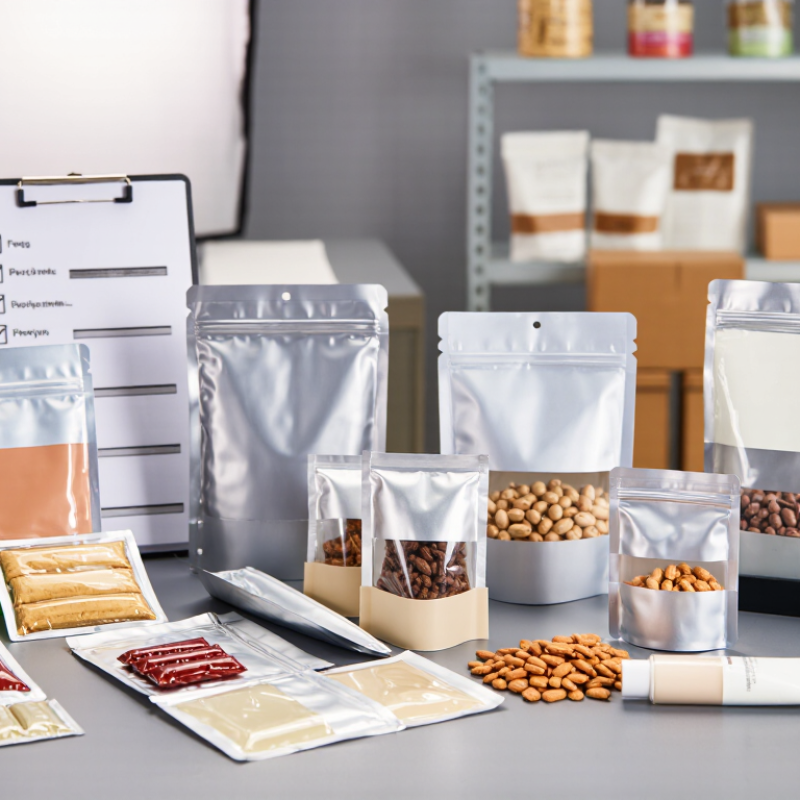
Foil packaging combines a thin metal layer with paper or plastic to help block light, oxygen, and moisture. It appears in meal trays, dairy lids, snack pouches, and coffee packs. Its barrier performance can help protect sensitive foods during storage and transport. That matters. FAO’s 2019 State of Food and Agriculture estimated that 14% of food is lost worldwide between post-harvest and retail. Packaging is only one part of reducing loss; handling and temperature control matter too.
Foil Food Packaging is not one uniform material. A rigid tray behaves differently from a flexible laminate, and some laminated packs are harder to separate for recycling. Buyers should check the full structure, sealing needs, and local recovery options before choosing a format. A shiny surface can suggest protection, but it does not prove a pack suits every product. That is an easy detail to overlook.
Tips: Match the barrier level to the food, not just the appearance. Ask suppliers for layer specifications, seal-performance data, and end-of-life guidance for the target market. Test packs with the actual product and shipping conditions; lab results alone may miss real-world handling issues.
China’s foil packaging industry includes material processors, laminators, pouch converters, and export-focused factories. Their capabilities differ. Some specialize in roll stock, while others produce custom pouches with printed layers and heat-sealed edges. For buyers, the supplier landscape is less uniform than a catalog suggests.
Foil Pouch Packaging often combines aluminum foil with plastic films or paper to balance barrier performance, flexibility, and sealing strength. Ask suppliers for the structure, thickness, and intended use of each layer. A sample should be checked for seal consistency, pinholes, and print alignment. Small defects matter.
Many Chinese suppliers can coordinate material sourcing, printing, and converting under one production plan. Yet “one-stop” service does not automatically mean tighter quality control. Request recent test records, clarify who performs each inspection, and confirm how production samples compare with bulk orders. A tidy specification sheet is useful, but it may leave out tolerances or test conditions.
Communication also shapes the buying experience. Clear drawings, approved color references, and written acceptance criteria reduce avoidable rework. Ask how changes are recorded. That detail is often overlooked. Supplier selection should weigh verified process controls and responsive technical support, not price alone.
Chinese suppliers offer several foil packaging formats for food, household, and industrial applications. Common choices include aluminum foil rolls, laminated pouches, lidding foil, and preformed bags. Foil rolls suit wrapping and portioning, while lidding foil can seal trays or cups when matched with compatible equipment.
Bag Foil products often combine a thin foil layer with plastic films or paper. This structure can help limit exposure to light, moisture, and oxygen, though performance depends on the full material construction and seal quality.
Buyers may find stand-up pouches, flat sachets, zipper bags, and three-side-seal bags in supplier catalogs. Check dimensions, opening style, print requirements, and the intended filling process.
Small details matter. Ask suppliers for material specifications, thickness tolerances, and test reports relevant to the product and destination market. Request samples, then check the seals and handling on your own filling line; a neat sample does not guarantee consistent production.
Catalog names can also be confusing, and “foil” may describe a laminate rather than solid aluminum. It is worth confirming the layer structure in writing.
One point is easy to miss: packaging that performs well for dry goods may not suit oily or humid products.
When comparing foil packaging suppliers, start with the product specification, not the sales brochure. Check alloy, thickness tolerance, temper, roll width, and surface finish against your filling and sealing equipment. Ask for recent inspection records and a clearly defined test method. Barrier figures mean little without units and conditions.
Request samples from more than one production lot. Feel for pinholes, uneven edges, and wrinkles, then test seal strength on your own line. A sample can look excellent yet behave differently at production speed. Ask how the supplier handles deviations, replacement material, and changes to raw-material sources. Small details matter.
Compare lead times, minimum order quantities, packing protection, and response times in one scorecard. Verify that quoted capacity matches the order size you actually need, and ask how delays are communicated. No scorecard is perfect. I would still leave room for judgment: a low price may be useful, but unclear tolerances or slow technical replies can cost more later. Review the documents, sample results, and communication together before choosing a supplier.
For global buyers, foil packaging should be assessed against clear quality standards and the product’s intended use. A reliable supplier can provide current certificates, explain their scope, and share test records for the specific material. Check foil thickness, seal strength, barrier performance, and print adhesion. Small variations matter. A thin spot near a pouch seam can weaken protection during shipping.
For a Foil Bag intended for food or other sensitive products, request relevant migration and safety test reports. Requirements depend on the destination market and the contents, so avoid treating one certificate as universal approval. Ask how production lots are identified and how complaints are investigated. Traceability should connect a finished bag to its material batch and inspection records. Paperwork can look tidy; factory practice may still vary, so remote or on-site audits can add useful evidence.
Tips: Compare documents with the exact product specification, not just the supplier’s general profile. Confirm certificate validity and testing dates. Keep approved samples for later checks. If a result seems unclear, ask for the test method and limits in writing. Be practical, but leave room to question assumptions.
Customization starts with the product, not the artwork. A foil pouch for roasted coffee may need stronger aroma protection than a wrapper for dry biscuits. Share the product type, fill weight, expected shelf life, and packing method with suppliers. These details help them recommend suitable foil thickness and barrier layers.
Small changes matter. A wider seal can reduce leaks, while a matte finish may affect print color. Request a physical sample before approving production. Screens can hide differences in stiffness and surface texture. I have seen buyers focus on unit price, then discover that the chosen roll width creates extra packing waste. That part is easy to miss.
Pricing depends on material structure, dimensions, print colors, order volume, and finishing. Ask for a written quote that separates setup charges, tooling, sampling, and freight. Minimum order quantities vary with print methods and factory schedules. Custom printing often requires more units than plain packaging, but suppliers may offer stock sizes for trial runs. Compare the cost per usable pack, not just the quoted price per piece. A low minimum can still mean higher unit costs. Provide a realistic forecast; changing specifications after approval may add delays and expense. One estimate is rarely enough. Get the assumptions in writing.
Shipping plans for foil packaging should begin with the delivery window, not just the quoted freight rate. UNCTAD’s Review of Maritime Transport 2024 reports that over 80% of world trade by volume moves by sea. Port congestion or missed vessel connections can therefore affect even well-prepared orders. Ask suppliers to confirm production completion, cargo-ready date, and estimated port departure separately. These dates are not interchangeable.
The World Bank’s Logistics Performance Index 2023 assessed 139 economies across areas including customs, infrastructure, tracking, and timeliness. For buyers, that makes shipment visibility a practical question: can the supplier share booking details, packing lists, and prompt updates when schedules change? Build a realistic buffer around peak seasons and transshipment ports. Forecasts still miss sometimes. A few extra days may protect a production line better than an optimistic arrival estimate.
Long-term supplier partnerships improve planning when both sides share demand forecasts and agree on reorder points. Discuss how changes in foil thickness, roll width, or packaging format affect production and loading schedules. Confirm who handles export documents and who reports delays; unclear ownership creates avoidable waiting. Review actual delivery performance quarterly, not just the original promise. One weakness remains: buyers may accept a supplier’s lead-time estimate without checking recent shipment records. Ask for evidence, then adjust the buffer to match observed performance.
| Supplier Type | Typical Products | Indicative Production Lead Time | Common Shipping Options | Planning Transit Time from China | Partnership Considerations |
|---|---|---|---|---|---|
| Aluminum foil container manufacturers | Foil trays, pans, and lids for food service, catering, and prepared foods. | About 15–30 days for repeat orders; new tooling, samples, or custom specifications can add time. | Sea freight is generally practical for larger, less time-sensitive shipments. Air freight may suit urgent samples or small consignments. | Sea: commonly several weeks port to port. Air: typically several days airport to airport. Route, season, and customs affect timing. | Confirm container dimensions, alloy and temper, food-contact documentation, tooling ownership, and repeat-order quality checks. |
| Flexible foil laminate converters | Printed or unprinted foil laminate rolls and pouches for food, pharmaceutical, and personal-care applications. | About 20–35 days for a first custom-printed order; repeat orders may be shorter when materials and artwork are approved. | Sea freight is common for production volumes. Air freight can be considered for samples or urgent, high-value rolls. | Allow several weeks for sea transport or several days for air transport, plus origin handling, customs, and inland delivery. | Agree on barrier requirements, structure, tolerances, artwork approval, ink and adhesive compliance, and retained reference samples. |
| Foil lid and lidding-material manufacturers | Printed or plain foil lids and lidding stock for compatible cups, trays, and containers. | About 15–30 days after specifications and artwork are approved; first orders may take longer for testing or tooling. | Sea freight usually suits regular commercial orders; air can support urgent samples or production trials. | Transit varies by destination and service. Sea shipments take weeks; air shipments take days, excluding clearance and final delivery. | Validate seal compatibility, peel performance, dimensions, printing accuracy, and shelf-life requirements with production trials. |
| Household foil roll producers | Aluminum foil rolls for household, food-service, and catering use, with options for different widths and roll lengths. | About 15–30 days for standard repeat specifications; customized cartons, printing, or packing can extend the schedule. | Sea freight is typically suited to bulk orders. Confirm carton dimensions and loading plan before booking. | Plan for several weeks by sea, with additional time for port handling, customs clearance, and delivery to the warehouse. | Check roll weight and dimensions, packing strength, labeling requirements, and consistency between approved samples and shipments. |
| Custom foil packaging project suppliers | Application-specific foil packaging developed around a buyer’s barrier, forming, sealing, or branding requirements. | Allow time for technical review, sampling, testing, and approval before bulk production; the schedule depends on project complexity. | Use courier or air for samples where appropriate; choose sea or air for bulk orders based on urgency, volume, and landed cost. | Transit time depends on the selected route and service. Obtain a shipment-specific estimate rather than relying on a fixed figure. | Set written specifications, change-control procedures, forecast-sharing routines, corrective-action expectations, and periodic performance reviews. |
Planning note: Lead-time and transit ranges are indicative estimates, not guaranteed market averages. Actual timing depends on order quantity, customization, production capacity, route, season, carrier service, customs clearance, and final destination. Confirm current schedules, Incoterms, documentation, and delivery commitments directly with each supplier and freight forwarder.
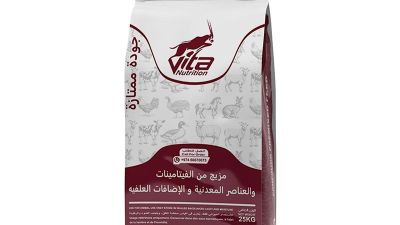
Choosing reinforced agricultural feed packaging bags starts with matching the bag to the product’s weight, texture, and handling requirements. Livestock and poultry feeds may contain dense pellets or coarse ingredients, while aquaculture feeds often require careful protection from moisture during storage and transport. Durable woven polypropylene provides a sturdy outer structure that can withstand routine filling, stacking, and movement. Reinforced construction can add strength at stress points, helping reduce the risk of tearing when bags are handled across busy agricultural supply chains.
Consider the storage environment as well as the feed itself. Where humidity or occasional exposure to damp conditions is a concern, an optional moisture-resistant layer can provide an added barrier and help preserve product quality. Bag dimensions and closure style should suit the filling equipment and planned load, while clear, well-printed surfaces make it easier to identify product type, feed instructions, and batch details. For feed additives, smaller formats may support controlled handling; bulk livestock or fish feed may call for larger bags designed for efficient stacking. Selecting packaging around these practical needs helps producers, distributors, and farms move nutrition products securely from packing facilities to their final point of use.
Its thin metal layer helps block light, oxygen, and moisture. It can support storage and transport.
No. A rigid meal tray differs from a flexible pouch. Some laminated layers are also harder to separate for recycling.
Match the barrier level to the food and its sealing needs. Check local recovery options, too.
Request layer details, thickness, seal data, and end-of-life guidance. A shiny surface proves little.
Check seals, pinholes, edges, and print alignment. Small defects matter.
Not always. Compare samples from different production lots, then test them on your own filling line.
Review tolerances, test methods, lead times, minimum orders, and inspection records. Compare them in one scorecard.
No. Confirm who performs each inspection and how bulk orders match approved samples. I might still miss something.
Foil Packaging plays an important role in protecting products, preserving freshness, and supporting convenient handling across many industries. China’s supplier landscape includes manufacturers offering a broad range of foil-based materials and packaging formats for buyers with different product and market needs. When exploring these options, global buyers can compare suppliers based on product suitability, manufacturing capabilities, quality control, communication, and experience serving international customers.
A thorough assessment should also consider relevant quality certifications and destination-market compliance requirements, alongside customization options, pricing, and minimum order quantities. Clear discussions about samples, specifications, production schedules, shipping arrangements, and expected lead times can help prevent misunderstandings. Rather than focusing only on the initial price, buyers can evaluate consistency, responsiveness, and long-term cooperation potential. A well-matched supplier can support reliable packaging supply and adapt as business requirements change.