When it comes to today's packaging world, picking the right laminated plastic bags is pretty important for a bunch of industries. Did you know that a 2022 report from Smithers Pira predicts the global demand for laminated packaging will hit around 20 billion dollars by 2026? That really shows how everyone’s looking for packaging that's tough, moisture-resistant, and generally reliable. As John Miller from PackTech Innovations puts it, "Getting the right laminated plastic bags can make a big difference in how fresh your products stay and how long they last on the shelves."
Choosing the perfect laminated plastic bags isn’t just about picking any random option. It’s about understanding what different materials can do and how they’re best used. A lot of businesses tend to overlook how important bag thickness and seal strength are — but those little details matter a lot. For example, if a bag’s seals aren’t strong enough, you could end up with leaks or spoiled goods, which is definitely not what you want. So, it’s smart to think through these factors before making a final call.
A lot of companies struggle to find that sweet spot between cost and quality. Some cheap laminated plastic bags might look tempting because they're cheaper, but they could end up compromising your product’s quality and shelf life. That’s why it’s really important to consider the long-term benefits, rather than just chasing the lowest price upfront.
Understanding Laminated Plastic Bags: Key Features and Benefits
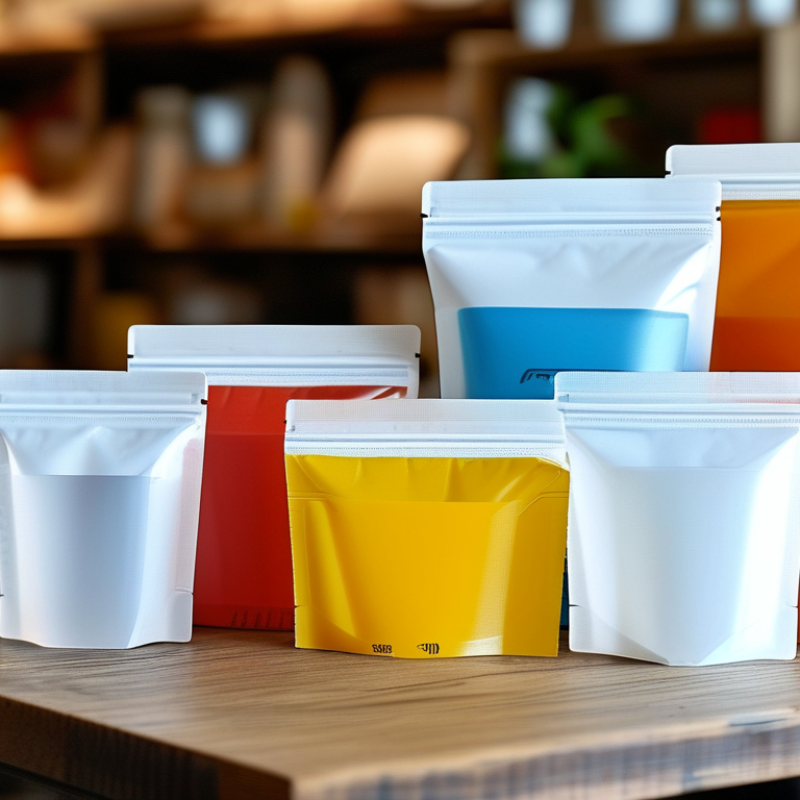
Laminated plastic bags are versatile options for packaging. They are durable, waterproof, and ideal for a variety of items. Understanding their key features can elevate your choice. Laminated bags often have multiple layers, enhancing their strength. This makes them suitable for both retail and food packaging. The multi-layer design also provides excellent barrier properties, protecting contents from moisture and air.
When selecting laminated plastic bags, consider the intended use. If you plan to store food products, look for bags with FDA approval. For retail use, choose bags that are attractive and strong enough to hold your product securely. Assess the thickness of the bag; thicker bags offer more durability but may cost more. Consider your budget while weighing these factors.
Pay attention to the sealing options available. Some bags come with zippers, while others use tape or heat seals. A tight seal is crucial for preserving the quality of your items. If you are unsure about the best choice, testing a few samples might provide clarity. Each option has its pros and cons, which become evident after use. Reflecting on your experiences can guide you in making better decisions in the future.
Different Types of Laminated Plastic Bags: Materials and Dimensions
Laminated plastic bags come in various types, which can influence your choice based on specific needs. Materials usually include polyethylene or nylon. Polyethylene is lightweight and affordable, while nylon offers better durability and resistance. Consider what will go inside your bags. If it involves moist items, opt for water-resistant materials.
Dimensions are just as crucial. Laminated bags can vary from small pouches to large bulk sizes. Smaller bags are ideal for snacks or samples, while larger ones can hold heavier items. Think about your intended use. Clarity in dimensions helps avoid errors when placing orders.
A helpful hint: always check manufacturers' specifications for thickness and seal quality. Sometimes, flimsy seals lead to leaks and damages. Reflect on past experiences with bag quality. It can guide you to make a more informed decision for future purchases. Also, consider the environmental impact of the materials you select.
2026 Laminated Plastic Bags: Size and Material Preference Analysis
Factors to Consider When Choosing Laminated Plastic Bags
When selecting laminated plastic bags, consider material quality. Look for Laminated Polypropylene Bags that provide durability and resistance to tears. Bags made from high-quality plastic can better protect contents and last longer. Ensure the chosen plastic is eco-friendly if sustainability is a priority for your brand. This not only enhances your product appeal but also aligns with consumer values.
Next, evaluate the bag's size and weight capacity. Think about what items you intend to package. Each product may require different bag dimensions. If you're packaging food, ensure the bags meet safety standards. The design also matters; clear or printed options offer varied visibility and branding opportunities. Colors and prints can enhance shelf appeal, though be mindful that excessive design may distract from your message.
Cost should also be a factor. Cheaper options may not always provide the best value. Assess how the laminated polypropylene bags will perform in terms of longevity. Reflect on the balance between cost and quality to avoid potential issues down the line. Sometimes, a slightly higher investment in better materials can save money through reduced waste. Overall, these considerations can significantly impact your choice of laminated plastic bags.
Assessing the Durability and Strength of Laminated Plastic Bags
When selecting laminated plastic bags, durability and strength are essential factors. These attributes directly affect the bags' ability to protect contents during transport. High-quality laminated bags withstand moisture and provide protection from punctures. Choosing thicker materials often results in a more resilient bag. However, striking the right balance between weight and durability is crucial; over-engineered bags might be more cumbersome to handle.
Understanding the layered structure can aid decision-making. Laminated plastic bags, such as Bopp Laminated Pp Woven Bags, offer enhanced strength due to their multi-layer construction. This design improves rigidity while maintaining flexibility. As a result, they are versatile for various applications, from food packaging to industrial uses. Consider testing the bags under different stresses before making a commitment.
Tips for selection include visually inspecting seams and closures. Weak points often compromise overall durability. Pay attention to customer reviews for insight into real-world performance. It’s worthwhile to prototype with a few bags to gauge their behavior under different conditions. Not every type of laminated bag will meet all needs; some may require adjustments or alternative choices for specific applications.
2026 How to Choose the Best Laminated Plastic Bags for Your Needs? - Assessing the Durability and Strength of Laminated Plastic Bags
| Bag Type |
Thickness (microns) |
Load Capacity (kg) |
Water Resistance |
Recyclability |
Typical Uses |
| Standard Laminated Bag |
50 |
5 |
Yes |
Yes |
Retail, Packaging |
| Heavy-Duty Laminated Bag |
80 |
15 |
Yes |
Limited |
Construction, Bulk Items |
| Printed Laminated Bag |
60 |
8 |
Yes |
Yes |
Promotional Use, Gifts |
| Biodegradable Laminated Bag |
70 |
10 |
Yes |
Yes |
Food Packaging, Environmentally Friendly |
| Mini Laminated Bag |
40 |
3 |
Yes |
No |
Samples, Small Items |
Environmental Impact: Eco-Friendly Options for Laminated Plastic Bags
The environmental impact of laminated plastic bags is significant. Many consumers are unaware of the ecological consequences that arise from their widespread use. According to a report by the European Commission, around 8 million tons of plastics end up in oceans each year. This alarming figure stresses the urgent need to opt for more eco-friendly alternatives.
When searching for laminated plastic bags, consider options made from biodegradable materials or recycled plastics. A study by the Ellen MacArthur Foundation states that using recycled plastics can reduce greenhouse gas emissions by up to 70%. Transitioning to such materials can greatly reduce the footprint of your packaging choices. However, not all products marketed as "eco-friendly" are genuinely sustainable, prompting the need for careful research.
Along with material choices, the production process is equally important. Some manufacturers prioritize renewable energy sources to minimize emissions during production. Assessing the entire lifecycle of a laminated plastic bag is crucial. Understanding these complexities ensures that your packaging choices align with sustainable practices. It is essential to remain informed and critical of the available options to truly make a positive impact.
Cost Considerations: Budgeting for Your Laminated Plastic Bag Needs
When it comes to laminated plastic bags, budgeting is key. Prices vary widely based on materials and sizes. Preparing your budget ahead is wise. Consider how many bags you need and what sizes will suit your requirements best. Cleaning and reusing options can save money.
Laminated Woven Polypropylene Bags are a durable choice. They often have higher initial costs but are long-lasting. Investing in quality can reduce the need for replacements. Look for suppliers that offer bulk discounts. If you are uncertain about specific features or your needs, seek expert advice.
Understanding the balance between cost and quality is essential. Sometimes, opting for cheaper materials might lead to premature wear and tear. Researching different suppliers can help you find reliable options. If a bag does not meet performance expectations, reconsider its value in your budget.
Customizing Your Laminated Plastic Bags: Design and Branding Options
Customizing your laminated plastic bags offers various design and branding opportunities. This can improve visibility and foster brand loyalty. A recent report indicates that more than 70% of consumers recognize brands based on packaging. Effective customization sets your product apart in a crowded market. Simple designs can be eye-catching, while intricate graphics may convey luxury.
Choosing the right Laminated Film is also crucial. Various options exist, each with distinct qualities. For instance, matte finishes offer a sophisticated look, while glossy surfaces enhance vibrancy. Research shows that products with high-quality packaging can achieve up to 30% higher perceived value. However, not every design resonates equally with all audiences. Continuous testing and feedback are essential for perfecting your approach.
Sustainability is an increasingly important factor. Many consumers prefer eco-friendly options. Choosing biodegradable laminated films can appeal to a growing eco-conscious demographic. However, balancing aesthetics and sustainability can be challenging. Brands must weigh costs against consumer appeal, ensuring that their choices align with audience expectations. Creativity in design remains crucial, but staying grounded in practicality and ethics will ensure long-term success.
Optimizing Your Supply Chain: The Benefits of Moisture Resistant Chemical Packaging Bags for Resin and Powder Applications
In the realm of chemical manufacturing, optimizing supply chain efficiency is pivotal, especially when it involves handling sensitive materials such as resin pellets and plastic granules. The choice of packaging can significantly influence operational performance, and moisture resistant chemical packaging bags stand out as a critical solution in this context. These bags, expertly crafted from durable woven polypropylene or innovative paper-plastic composites, are designed to provide robust protection against moisture and environmental factors that could compromise the integrity of the contents.
Studies indicate that approximately 30% of supply chain disruptions arise from packaging failures, highlighting the importance of selecting appropriate materials. Moisture resistant bags are specifically engineered to mitigate such risks, offering superior sealing performance and load capacity, which ensures that the chemical raw materials remain uncompromised during storage and transit. With customizable specifications ranging from 20kg to 40kg, these bags cater to diverse operational needs, making them a staple in manufacturers' logistics strategies.
Moreover, the application of moisture resistant packaging in chemical supply chains not only enhances product quality but also supports sustainability initiatives. The utilization of high-quality materials helps reduce wastage during transport, aligning with industry benchmarks, such as those indicated in the latest reports from leading logistics and supply chain organizations. By incorporating these innovative packaging solutions, businesses can achieve greater reliability in their distribution networks and maintain competitiveness in an increasingly dynamic market landscape.
FAQS
: Laminated plastic bags often use polyethylene or nylon. Polyethylene is lighter and more affordable. Nylon offers better durability.
Size affects functionality. Smaller bags work for snacks; larger bags accommodate bulk items. Think about your packing needs.
Check specifications for thickness and seal quality. Flimsy seals can lead to leaks. Reflect on past experiences for better choices.
Look for eco-friendly materials. This enhances product appeal and aligns with consumer values. It can be a significant selling point.
Prices vary greatly by material and size. Assess how many bags you need. Consider cleaning and reusing options to save money.
Low-cost bags can wear out quickly. Investing a bit more can prevent frequent replacements and save money in the long run.
Conclusion
Laminated plastic bags are versatile packaging solutions that offer various key features and benefits, making them ideal for a wide range of applications. Understanding their different types, materials, and dimensions helps in selecting the right option for specific needs. Key factors to consider include durability, strength, and environmental impact, as eco-friendly options become increasingly important in today’s market.
When choosing laminated plastic bags, cost considerations play a significant role in budgeting for your packaging needs. Additionally, customizing these bags with unique designs and branding options allows businesses to enhance their visibility and appeal. By evaluating these aspects, individuals and organizations can effectively choose laminated plastic bags that align perfectly with their requirements while maintaining sustainability and cost-effectiveness.