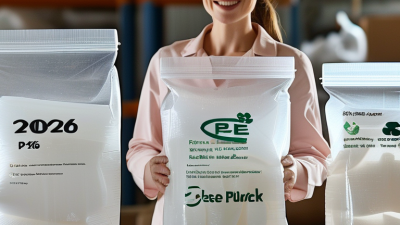
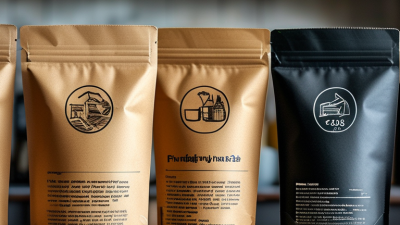
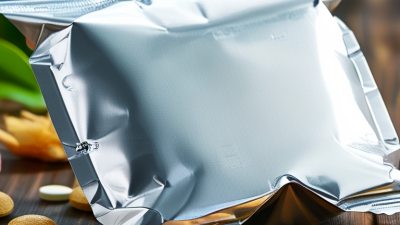
When you're picking the right Polyethylene Bags, it's really important to understand what you actually need. Not all polyethylene bags are the same—some are thicker, some are made for specific purposes. For example, if you're eco-conscious, a biodegradable version might be your best bet. Also, don’t forget to think about the size you need—getting the right dimensions really makes a difference.
Think about what you're packing. If your stuff is heavy, you'll want thicker bags—they can handle more weight. But, keep in mind, those thicker options might also cost a bit more. Taking a moment to reflect on your actual usage will help you figure out what’s best. And honestly, chatting with a trusted supplier can be super helpful—they can point you in the right direction based on what you’re after.
Of course, mistakes can happen. Picking the wrong size or thickness might cause some headaches later on. That’s why it’s worth reviewing your options carefully—they can impact your budget and even your reputation if things go wrong. The goal is to find the right polyethylene bags that will make your packing more efficient and keep your products protected—simple as that.
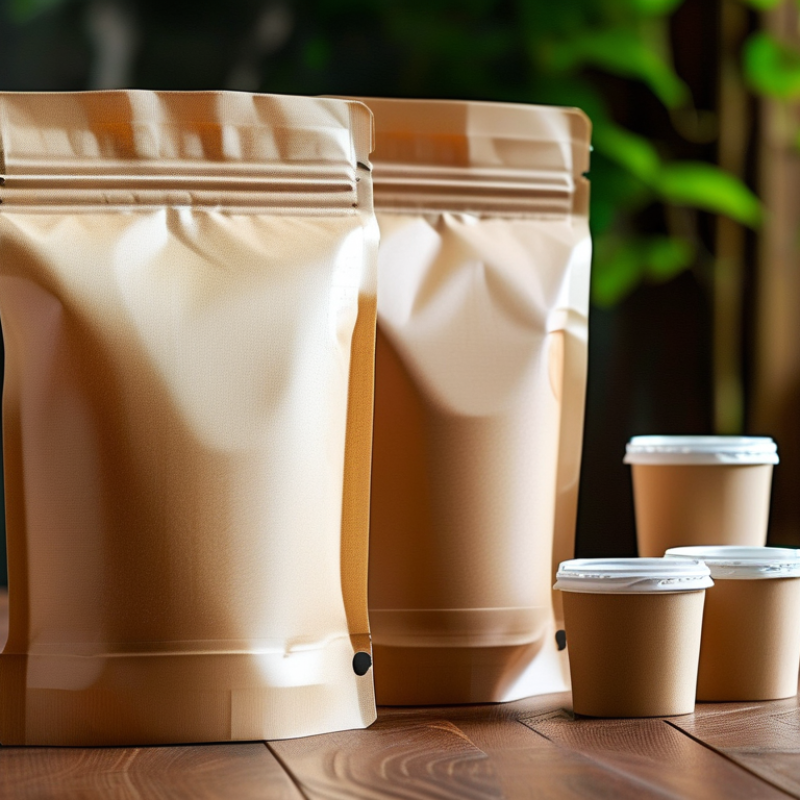
Understanding Polyethylene Bags and Their Types
Polyethylene bags are widely used for their versatility and durability. They come in different types, each serving unique purposes. Understanding these types helps you select the right bag for your needs.
Low-density polyethylene (LDPE) bags are flexible. They are great for carrying light items. High-density polyethylene (HDPE) bags are tougher. They can hold heavier loads without tearing. Various thicknesses also play a role in the bag’s strength. Thinner bags might not withstand heavy use, making them less reliable for certain tasks.
Tips: Consider the bag’s thickness based on its intended use. If you require stronger protection, opt for a thicker option. Look for features such as resealable closures for better functionality.
Another option is biodegradable polyethylene bags. They are eco-friendly and break down over time. This can be an essential factor for those concerned about environmental impact. However, they're still not as durable as traditional options. Reflect on your values and needs before making a choice. Selecting the right polyethylene bag requires careful thought. Different applications may demand different strengths.
Assessing Your Specific Needs for Polyethylene Bags
When assessing your specific needs for polyethylene bags, start by identifying the intended use. Are you storing food items, packaging industrial components, or preparing for shipping? Each application has unique requirements that impact the type of polyethylene bag you should choose. For example, food storage mandates bags that meet safety standards and offer durability against wear and tear.
Another factor to consider is the thickness of the bag. Thicker bags are more robust, but they can be less flexible. If you need bags for lightweight items, a thinner option may suffice. On the other hand, you might find that a thick bag provides added protection for fragile products. Always evaluate your products to ensure the chosen bag will adequately safeguard them throughout their lifecycle.
Consider environmental impacts too. Choosing biodegradable options can reflect well on your brand. However, these may not always offer the same strength as traditional polyethylene options. Balance practicality with sustainability based on your goals. Reflecting on these needs helps you make informed choices that align with your values and requirements.
Evaluating the Thickness and Durability of Bags
When selecting polyethylene bags, thickness and durability are key factors. The thickness of a bag is typically measured in mils. A thicker bag often has better durability and can handle heavier weights. For example, a 2-mil bag is suitable for lightweight items, while a 4-mil bag works well for heavier products. Understanding the right thickness ensures your bags can withstand stress without tearing.
For shoppers, it can be tempting to choose the cheapest option available. However, a lower price may mean lower quality. Consider how often you’ll use the bag and for what purpose. If your needs involve carrying sharp objects, thicker, more durable bags are essential. Always evaluate the potential wear and tear during your intended use.
Tips: Look for indications of tensile strength on the packaging. Test bags for flexibility by stretching them. This helps assess their durability. Additionally, consider your environmental impact. Biodegradable options are available, providing a sustainable alternative to standard polyethylene bags. Reflect on these aspects as you make your choice.
Evaluating the Thickness and Durability of Polyethylene Bags
Choosing the Right Size for Your Items
Choosing the right size for your polyethylene bags is crucial. A well-fitted bag prevents items from shifting during storage or transport. Consider measuring your items accurately. Use a ruler or tape measure for precision. If you’re storing loose items, don’t forget to account for the bag’s thickness.
Heavy Duty Polyethylene Bags often come in multiple sizes. Selecting the right one can save you money and hassle. Oversized bags may require excess materials, while undersized options can lead to tears or spills. When in doubt, opt for a bag that allows a little extra space.
Reflecting on your needs is important too. Think about your storage conditions. Are the bags exposed to heat? This affects the choice significantly. Some bags may not hold up under stress. Proper size contributes to durability and reliability. Choosing wisely can ultimately lead to better long-term results.
Exploring Different Closure Options Available
When selecting polyethylene bags, closure options play a crucial role. Different styles can significantly impact usability and security. One common option is the zip-lock closure. This design allows for easy sealing and resealing, making it perfect for food storage or items that need repeated access. However, they can be prone to wear over time.
Another popular choice is the heat seal closure. This method provides a permanent seal, ideal for shipping products where tampering could be an issue. It offers a certain level of security, but it may not be user-friendly if you need to access the contents frequently. Users often find themselves reflecting on whether the trade-off for security is worth the inconvenience.
Some people may overlook the value of ties or adhesive closures. Ties can be a simple, effective way to keep bags closed, but securing them tightly can be a challenge. Adhesive closures, on the other hand, can provide a quick seal but are often less reliable over time. Each option presents its own challenges, highlighting the importance of considering your specific needs when choosing the best polyethylene bags.
How to Choose the Best Polyethylene Bags for Your Needs? - Exploring Different Closure Options Available
| Closure Type |
Features |
Ideal Use Cases |
Advantages |
| Ziplock |
Reusable, Airtight Seal |
Food Storage, Travel |
Easy to use, protects contents from moisture |
| Heat Seal |
Permanent Closure, Strong Seal |
Shipping, Packaging |
Secure, tamper-proof |
| Twist Tie |
Flexible Closure, Easy to Adjust |
Gift Bags, Bakery Items |
Cost-effective, reusable |
| Gusseted |
Expandable, Accommodates Bulk Items |
Retail, Bulk Packaging |
Great for larger items, space-saving |
| Button Closure |
Secure and Reusable |
Retail, Reusable Storage |
Stylish, environmentally friendly |
Considering Environmental Impact and Sustainability
When choosing polyethylene bags, consider their environmental impact. Many polyethylene bags are recyclable, but the reality is complex. Recycling rates can be low, and many end up in landfills or oceans. This causes harm to wildlife and ecosystems. Understanding the lifecycle of Plastic Bag Polyethylene can help inform better choices.
Sustainability involves looking beyond just recyclability. Some bags are made from renewable resources. Others maintain their quality over repeated use. However, the production processes can still release greenhouse gases. Assessing how these bags affect the environment requires critical thinking. Are we trading convenience for environmental damage? This question often lacks a straightforward answer.
The ideal option balances functionality and ecological responsibility. Evaluate how often you use bags. A reusable alternative might reduce long-term waste. Choosing the best polyethylene bags goes beyond mere convenience. It involves a commitment to sustainability. Reflecting on the choices we make can guide us toward a healthier planet.
Comparing Cost-Effectiveness of Various Polyethylene Bags
When it comes to selecting polyethylene bags, cost-effectiveness is crucial. Pp Bags come in various types, each with unique features. A thorough comparison can help identify the most suitable option for your specific application.
Consider the thickness of the bags. Thicker bags may cost more upfront but often provide better durability. They also reduce the risk of tears, leading to less waste over time. Thinner bags are usually cheaper but may not hold heavier items as effectively. Finding the right balance is essential.
Another factor influencing cost is production method. Some Pp bags are manufactured through advanced techniques, increasing their strength and lifespan. However, these may come at a premium price. It’s vital to evaluate how long you need the bags to last. Cheaper options might seem appealing but could result in higher replacement costs in the long run. Always reflect on your specific needs and the long-term implications of your choice.
FAQS
: Thickness and durability are crucial. Thicker bags handle more weight better.
Thickness is usually measured in mils. A 2-mil bag is for lightweight items.
Lower-priced bags may lack quality. Consider your use to avoid poor durability.
Choose thicker, more durable bags to prevent tearing during use.
Look for tensile strength details on packaging. Stretch-testing can also help.
Yes, biodegradable bags are available for a sustainable choice. Evaluate their impact.
Zip-lock, heat seal, ties, and adhesive closures are popular choices.
Zip-locks allow easy access but may wear out over time.
It provides a permanent seal for shipping but lacks easy access.
Ties are simple but may not secure tightly. Adhesive seals can be unreliable.
Conclusion
When selecting the best polyethylene bags for your needs, it is essential to understand the various types available and assess your specific requirements. Start by evaluating the thickness and durability of the bags, as these factors greatly influence their performance for different applications. Consider the right size for your items to ensure proper containment and protection.
Additionally, explore the different closure options, such as zip seals or ties, to maintain product integrity. It's also important to weigh the environmental impact and sustainability of the polyethylene bags, as many options now come in recyclable materials. Lastly, compare the cost-effectiveness of various bags to find a solution that meets both your functional and budgetary needs, ensuring you make an informed choice that aligns with your priorities.