Leave Your Message
Picking the right PP Bags for global sourcing isn’t just about comparing prices per unit. You really gotta think about whether the packaging can actually protect your goods, fit into production lines, and stay reliable during those long shipments across different countries. For example, a bag that works perfectly in a dry warehouse might totally fall apart when it hits humid ports. Little details matter—a lot—like fabric density, how strong the seams are, valve design, coatings, printing accuracy, and how well the closures hold up.
Usually, experienced sourcing teams don’t just start by flipping through catalogs. They focus first on the actual cargo—considering weight, filling methods, stacking height, storage conditions, and any handling risks along the way. Clear specs help suppliers give accurate quotes, and it’s smart to check samples before placing big orders. Do some practical testing—load capacity, tearing strength, leakage, and size consistency—to make sure everything holds up. If you’re dealing with products that need specific performance standards or need to be food-safe, independent lab testing can give you that extra peace of mind. Also, keep in mind that rules about import, labeling, and packaging can change depending on the destination country, so it’s worth double-checking those details with a local expert.
And don’t forget about evaluating your suppliers—this part is just as crucial. A solid manufacturer should be willing to walk you through their raw materials, production controls, inspection records, and how they handle issues when things go wrong. Visiting their factory or bringing in third-party auditors can reveal problems that a shiny sample might hide. But hey, no process is perfect. Even the most experienced buyers sometimes overlook seasonal changes in moisture or color, or get caught up in export delays. We once thought that if a supplier kept prices steady, they were good to go—that definitely wasn’t always the case. The total cost of working with someone includes not just the price, but also handling defects, rework, storage, shipping, and customer complaints. The best choice isn’t always the cheapest—it's about balancing solid evidence, acknowledging risks, and trusting practical performance. Durable PP Bags are important, but they aren’t automatically the best—what really matters is choosing a bag that consistently protects your product, helps you stay compliant, and performs reliably from the factory all the way to your customer’s hands.
How to Choose the Best PP Bags for Global Sourcing?
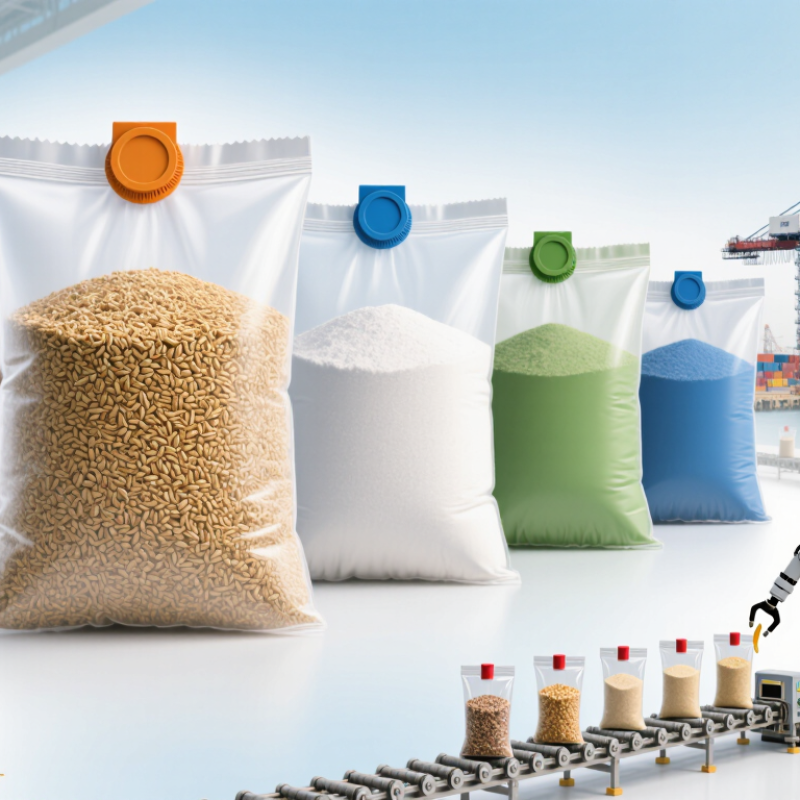
PP bags are containers made from polypropylene, a lightweight thermoplastic polymer. Woven PP bags use interlaced tapes, creating strength with limited material. Laminated versions add a coated layer for moisture and print protection. They are not the same as paper sacks or ordinary plastic film bags.
Their applications are broad. Agricultural suppliers use them for rice, flour, animal feed, seeds, and other dry commodities. Construction companies commonly select heavy-duty sacks for cement, sand, and mineral powders. Chemical producers may require specially designed bags with antistatic properties and secure closures. Food-contact use demands verified materials, clean production, and compliance with the destination market’s rules. A food-grade label alone is not enough.
Market evidence supports their continued relevance. Grand View Research projects the global polypropylene woven bags market to expand at roughly 4.5% annually through 2030. The Food and Agriculture Organization also continues to report substantial post-harvest losses worldwide, making durable, well-ventilated packaging important for grains and produce. Yet packaging cannot solve poor storage conditions. That assumption needs challenging. In sourcing reviews, bag performance often depends on stitching, liner fit, UV resistance, and filling weight—not appearance. A lower-cost bag may fail during pallet handling. Specify fabric denier, bag dimensions, load rating, closure style, and testing records before comparing quotations. Mistakes still happen. Clear specifications reduce them.
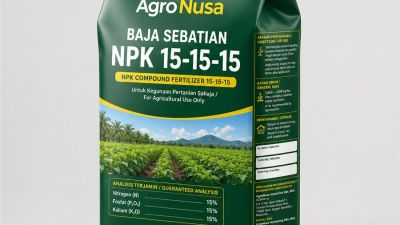
Customized NPK fertilizer bags from China are designed to meet the demanding requirements of modern agricultural packaging. Suitable for NPK fertilizers, compound fertilizers, blended fertilizers, and other bulk granular products, these bags combine practical protection with a professional appearance. Their three-layer structure uses strong PP woven fabric, a BOPP laminated outer surface, and a PE inner liner to help resist moisture, tearing, punctures, and pressure during filling, transportation, and storage.
Market insights highlighted in the Grand View Research report point to the growing importance of durable, efficient, and visually distinctive fertilizer packaging. With high stacking strength, the bags support safer warehouse handling and more stable palletizing, while the smooth BOPP surface enables sharp, colorful, and detailed printing. This allows agricultural packaging to display product information, usage guidance, safety instructions, and visual elements clearly across retail and distribution channels.
Manufacturing options can be tailored to individual packaging needs, including bag dimensions, material thickness, liner design, valve or open-mouth formats, surface finish, stitching, and printing style. By working directly with a China-based factory, fertilizer suppliers can develop packaging that matches their filling equipment, transportation conditions, and market positioning while maintaining consistent quality across production runs.
Define load weight, dimensions, fabric density, seam strength, and moisture exposure. Specify whether virgin or recycled resin is acceptable. Small details matter.
Request recent reports for tensile strength, drop resistance, seal integrity, and migration. Migration testing matters for expected food-contact use. Check the laboratory’s accreditation and test methods. A report number alone proves little.
No certificate guarantees every production batch. It can show that documented processes exist. Compare certificates with batch records and inspection results. A certificate alone is not enough.
Review resin logs, production records, storage areas, and maintenance habits. Inspect stitching, print adhesion, odor, and pallet wrapping. Use ordinary warehouse lighting. A clean visit may not represent every shift.
Ask about equipment, shifts, monthly output, skilled operators, and peak-season limits. Compare current orders with available capacity. Check lead times for materials, weaving, printing, stitching, and packing. Backup equipment matters too.
Check resin specifications before production begins. Measure fabric weight, bag dimensions, tensile strength, seam strength, and print accuracy. For sealed formats, test seal consistency and opening resistance. Take samples across different production hours.
Approved samples create a physical comparison standard. Retained samples support later reviews if bulk goods differ. Photos are weak evidence. Inconsistent thickness can hide inside attractive samples.
Use traceability codes and record the affected batches. Request corrective-action records and a clearly agreed remedy. Define inspection rules before payment milestones. No audit is perfect. Keep questioning the evidence.
Choosing the best Pp Bags for global sourcing requires a clear understanding of your product, packaging environment, and supply chain needs. Start by defining the bag’s main application, such as agricultural products, chemicals, construction materials, food ingredients, or industrial goods. Then determine the appropriate size, weight capacity, fabric strength, ventilation, moisture resistance, printing requirements, and closure style. Comparing woven structures, coatings, liners, and sealing options helps ensure the bags provide reliable protection during handling, storage, and transportation.
A successful sourcing decision also depends on supplier evaluation. Review production capacity, manufacturing consistency, quality-control procedures, testing records, and relevant certifications for your market. It is equally important to compare material costs, customization expenses, minimum order quantities, shipping volume, delivery schedules, and import requirements. Instead of focusing only on the lowest unit price, assess the total sourcing value, including durability, product protection, reduced waste, and supply reliability. A balanced evaluation will help you select Pp Bags that meet performance expectations while supporting efficient and responsible international procurement.