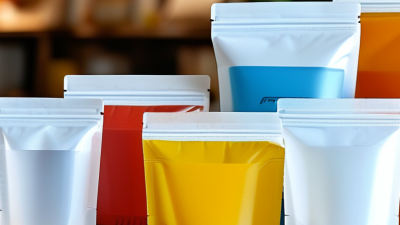
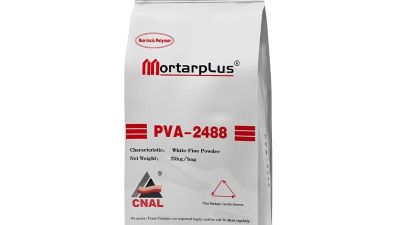
In today's super competitive market, picking the right Packaging Bag can really make a difference for your business. Every product is a bit different, so understanding your options is pretty darn important. Whether you're into retail, e-commerce, or food services, having the right bag can leave a great first impression. These days, more folks are leaning toward sustainable materials and clever, functional designs—and it’s easy to see why!
But here’s the deal—not all Packaging Bags are made equal. The right one can boost your brand’s visibility and keep your products safe, but sadly, a lot of businesses miss that. Choosing the wrong bag might not only fall short of customer expectations but could even do some damage to your product. Looking back at past choices can help you get better at picking the right packaging next time.
Oh, and don't forget—your target audience really matters here. Their tastes and preferences can help steer your decision-making, turning your Packaging Bag from just a simple container into a slick marketing tool. Finding that sweet spot between durability, style, and budget is key. So, take your time, weigh your options, and don’t just settle for the very first thing that pops up—you’ll thank yourself later!
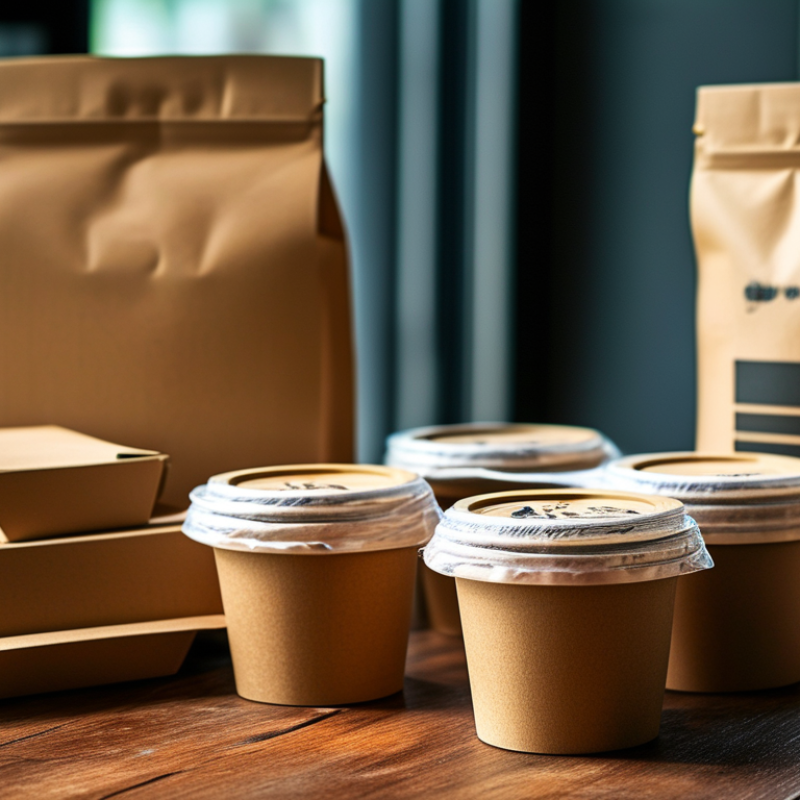
Understanding Your Packaging Needs for Business
When selecting packaging bags for your business, understanding your specific needs is crucial. A recent report by The Freedonia Group shows that the global flexible packaging market is projected to grow at a rate of 4.4% annually, reaching $300 billion by 2024. This growth highlights the importance of choosing the right packaging to meet consumer demand for convenience and sustainability.
Consider the size, material, and design of your packaging. The right size ensures your product is secure, minimizing damage during transit. For instance, if your product is delicate, lightweight bags with cushioning features may be necessary. According to a survey by PCI Films Consulting, 40% of consumers prefer packaging that is easy to open and resealable. This means that functionality should not be sacrificed for appearance.
Moreover, evaluating your packaging's environmental impact is vital. About 70% of consumers today are willing to pay more for sustainable packaging. This trend compels businesses to rethink their choices. Are you using materials that align with eco-friendly practices? This reflection can guide you toward making more informed choices that resonate with your target audience, enhancing your brand’s reputation.
Types of Packaging Bags: Which One Suits Your Products?
Choosing the right packaging bag can make a difference in your product's success. The type of bag influences how well your items are presented and protected. For example, biodegradable bags are environmentally friendly. However, their durability might be a concern for shipping fragile items.
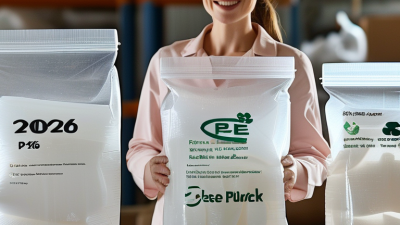
Pe Bag Packaging is versatile and commonly used. It offers great durability and is often waterproof. This can be essential for food products or electronics. On the other hand, consider the seal type. Resealable bags are convenient for consumers, promoting repeated use. But is this the best choice for your specific needs?
One crucial approach is to test your selected bags with real products. Create prototypes and gather feedback. This process reveals potential issues before launch. Additionally, consider the aesthetic appeal. Colors and designs should reflect your brand identity. Ultimately, the best packaging bag aligns with your product, business goals, and customer preferences.
Factors to Consider When Choosing Packaging Materials
Choosing the right packaging materials can significantly impact your business. When selecting packaging bags, consider the material's durability. Strong materials can protect products during shipping and handling. Lightweight options can save on shipping costs but may not provide adequate protection. Research the right balance for your needs.
Another factor is environmental impact. Many consumers prefer eco-friendly packaging. Using recyclable or biodegradable materials can enhance your brand image. This approach also appeals to a growing market segment focused on sustainability. However, ensure that these materials meet your product’s needs effectively.
Cost is a crucial consideration. Often, high-quality materials come at a higher price. However, investing in good packaging can reduce product damage. Evaluate your budget carefully, but don’t compromise on quality. It’s essential to reflect on your choices. Not every low-cost option delivers the desired protection or aesthetic appeal. Consider trialing different materials before making a large commitment. This way, you can learn and adjust based on real-world performance.
Digital Tips for Choosing the Best Packaging Bag for Your Business
| Factor |
Description |
Consideration |
| Material Type |
Choose between paper, plastic, biodegradable, or reusable materials based on environmental impact and product compatibility. |
Assess sustainability goals and cost-effectiveness. |
| Size |
Ensure the bag dimensions are suitable for your products, allowing for protection while avoiding excess material use. |
Measure products accurately before choosing sizes. |
| Printing Options |
Consider the printing techniques available for branding and information display on the bags. |
Evaluate cost and quality for various printing methods. |
| Closure Type |
Decide on zip locks, adhesive seals, or other closure types that meet functionality and product safety. |
Test convenience and security for end-users. |
| Cost |
Factor in the production cost per bag and how it fits into your overall budget. |
Consider bulk purchasing for discounts. |
| Lead Time |
Understand the timeframe for ordering and receiving the bags to align with product launch schedules. |
Plan ahead to avoid delays. |
The Importance of Branding in Packaging Design
Branding plays a crucial role in packaging design. It is not just about aesthetics; it conveys your brand's message to customers. A well-designed package can enhance brand recognition and loyalty. Consider the colors, fonts, and materials you use. These elements should reflect your brand identity. For instance, eco-friendly materials might appeal to environmentally-conscious consumers.
When choosing your packaging, think about the specific needs of your product. Gusset Bag Packaging offers flexibility in design and functionality. This style accommodates different shapes and sizes, ensuring your product is well-protected. It also provides ample space for branding messages. Consider how your packaging will display your logo and product information clearly. Visual elements should draw customers in and help them remember your brand.
Never underestimate the impact of texture and finish. A matte finish can feel more premium, while a glossy finish can be eye-catching. Balance is essential in achieving your desired look. Evaluate your choices and seek feedback. Sometimes, what looks good in theory doesn’t translate well in practice. Reflection on your design choices can lead to better branding strategies.
Sustainability: Eco-Friendly Options for Packaging
When selecting packaging options for your business, sustainability should be a key factor. Eco-friendly packaging not only benefits the environment, but it can also enhance your brand's reputation.
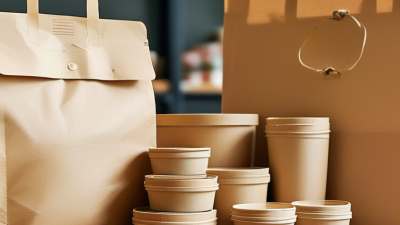
Coffee Bag Packaging made from biodegradable materials is a great choice. These options reduce waste and can attract environmentally conscious consumers.
Consider using packaging made from recycled materials. This choice supports a circular economy and minimizes resource extraction. Using water-based inks for printing can further reduce your environmental impact. It’s essential to communicate your sustainable practices to customers. Transparency builds trust, which is vital in today’s market.
However, the move towards eco-friendly solutions can present challenges. Finding reliable suppliers who prioritize sustainability is critical. Not all green claims are equal; some products may pose hidden environmental costs. Regularly reflect on your supply chain's impact. Are you genuinely contributing to a sustainable future? By carefully considering these aspects, your business can thrive while also honoring ecological responsibilities.
Cost Analysis: Balancing Quality and Affordability
Choosing the right packaging bag for your business involves careful cost analysis. Finding that sweet spot between quality and affordability is essential. High-quality materials can enhance product appeal. However, they often come at a premium price. Businesses need to assess what their budget realistically allows.
Evaluate the trade-offs between durability and cost. A cheaper bag might save money upfront. Yet, it can lead to higher replacement costs over time. Consider factors like the product's weight and exposure to environmental conditions. Sometimes, investing in a sturdier bag pays off in the long run.
Looking at recycling options can also impact costs. Eco-friendly bags may be pricier, but they can attract conscious consumers. It’s important to reflect on your target audience. Quality isn’t just about material; branding and customer perception play significant roles. What message does your packaging send? Striking a balance here often requires a bit of trial and error.
How to Source Reliable Packaging Suppliers and Manufacturers
Sourcing reliable packaging suppliers and manufacturers is crucial for any business. Companies often face challenges in identifying quality partners. According to industry studies, about 50% of new businesses struggle with supplier reliability. This statistic highlights the importance of thorough research.
Start by evaluating potential suppliers based on experience and references. A well-established packaging manufacturer will typically have a solid portfolio. Inspect their previous work to gauge the quality and innovation in their designs. Pay attention to the types of Packaging Bag Plastic they specialize in. This can give insights into their capabilities and whether they meet industry standards.
Networking at trade shows can also provide valuable connections. Many businesses find their best suppliers through recommendations. Additionally, consider online platforms that focus on supplier reviews. However, not all reviews are trustworthy. Use multiple sources to verify information and avoid potential pitfalls. Keeping these tactics in mind can help your business select the right packaging partners.
Comprehensive Guide to Moisture Resistant Chemical Packaging Bags for Effective Resin, Powder, and Granule Storage
Moisture resistant chemical packaging bags are essential for effectively storing and transporting various materials such as resin pellets, plastic granules, and industrial powders. These bags are crafted from durable woven polypropylene or paper-plastic composite materials, often featuring optional polyethylene (PE) inner liners. This design not only enhances moisture protection but also ensures a stable load capacity and reliable sealing performance, which are critical for maintaining the integrity of sensitive chemical products.
With customizable sizes ranging from 20kg to 40kg, chemical packaging bags cater to the specific needs of different industries. They are widely utilized in chemical manufacturing plants, material suppliers, and distribution networks, providing secure bulk packaging solutions that streamline logistics operations. Whether used for long-term storage or transportation, these bags offer a trustworthy solution for managing chemical materials while mitigating the risks associated with moisture exposure.
FAQS
: Understanding packaging needs helps ensure your products are secure and appealing, meeting consumer demands effectively.
Consider size, material, and design to ensure protection and ease of use for your products.
Many consumers prefer easy-to-open, resealable packaging that maintains product quality and convenience.
Yes, about 70% of consumers are willing to pay more for sustainable packaging, affecting purchase decisions.
Balancing quality and affordability is crucial; cheaper options might save money but could lead to higher future costs.
Eco-friendly bags may cost more but can attract environmentally conscious consumers and enhance brand image.
Assess what message your packaging conveys. It's essential to consider customer perception alongside material quality.
Yes, durability often comes at a higher cost. Weighing the benefits against potential savings is important.
Assess your product's exposure to environmental conditions; some packaging may need extra durability in specific situations.
Yes, finding the right packaging can take trial and error, and it’s key to learn from any missteps.
Conclusion
Choosing the right packaging bag for your business involves a comprehensive understanding of your specific packaging needs. Different types of packaging bags cater to various products, and each type offers unique benefits. When deciding which packaging materials to use, consider factors such as durability, usability, and the nature of your products. Additionally, the role of branding in packaging design is crucial, as an appealing package can capture consumer attention and enhance brand identity.
Sustainability is an increasingly important aspect when selecting packaging options, with eco-friendly bags becoming more popular among consumers. However, balancing quality with affordability is essential, as the right packaging bag should not compromise your budget. Finally, sourcing reliable suppliers and manufacturers is critical to ensuring that you have access to high-quality packaging solutions that meet your business needs. By carefully assessing all these factors, you can choose the best packaging bag that aligns with your brand's values and customer expectations.