When you're diving into packaging options, picking the right flat bottom bag can sometimes feel pretty tricky, right? I mean, James Thornton from Packaging Solutions Inc. sums it up well—he says, “Choosing the right bag isn’t just about how it looks; what really matters is how it functions.” It’s a good reminder that understanding what you actually need is a big part of the process when you're considering these bags.
Now, flat bottom bags definitely come with their perks. They’re stable, easy to fill, and work well for all kinds of products. But here’s the kicker—you really need to consider things like what material you want and what size fits best. Every little detail makes a difference in how effective the bag’s gonna be. And honestly, with so many choices out there, it can get a bit overwhelming to figure it all out.
So, take a moment to think about what’s most important for your project. Are you more focused on durability, or do you want it to look sleek and attractive? The key is to pick a flat bottom bag that matches your goals. Putting in some thought now? Trust me, it’s gonna save you headaches down the road. And hey, don’t hesitate to chat with the pros—they’re usually happy to help make sure you’re on the right track.
Understanding Flat Bottom Bags: A Comprehensive Overview
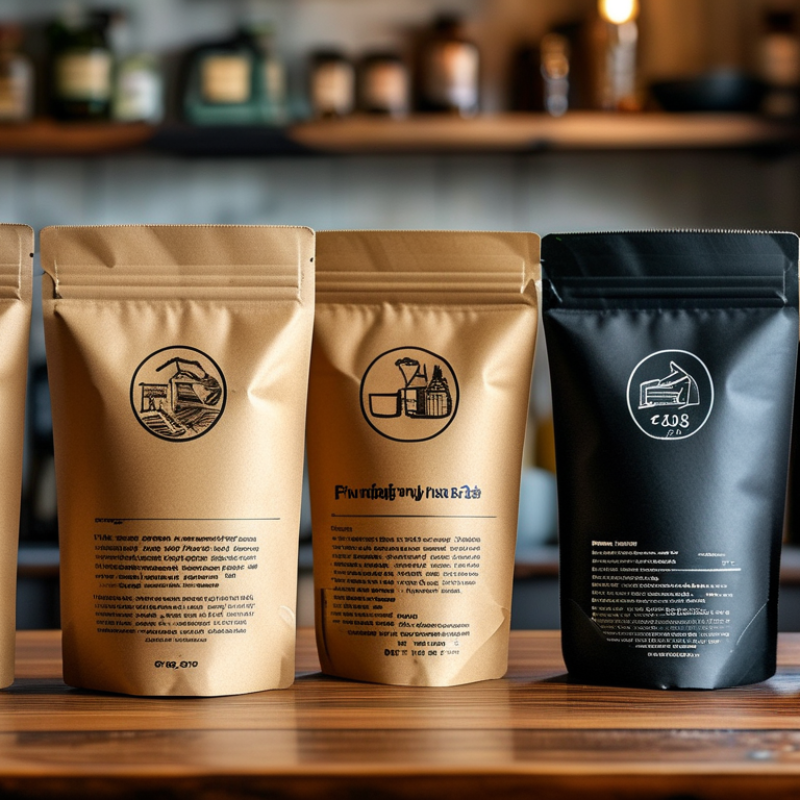
Flat bottom bags are unique in design, offering stability and ample storage. These bags stand upright, making them ideal for packaging various items. From food products to cosmetics, the flat bottom design enhances shelf life and visibility. Consumers appreciate the convenience of easy filling and sealing. Their structure also allows for efficient stacking, making storage and transportation simpler.
Understanding the materials is crucial when selecting flat bottom bags. Common choices include paper, plastic, and biodegradable options. Each material has distinct benefits, affecting durability and environmental impact. It's vital to consider your specific needs. For instance, biodegradable options cater to eco-conscious consumers but may lack the sturdiness of plastic bags. Reflect on your product's weight and moisture sensitivity to make an informed choice.
Not all flat bottom bags are created equally. Variations in thickness, size, and sealing methods can change bag performance. It’s essential to assess the bag's capacity against your product requirements. Examining samples before bulk purchasing can help identify potential issues. Recognizing the limitations of your chosen bag will lead to a more satisfactory experience in packaging.
Key Factors to Consider When Choosing Flat Bottom Bags
When selecting a flat bottom bag, consider several key factors to meet your specific needs. The material is crucial for durability and functionality. Common options include paper, plastic, and fabric. Each material offers different benefits. For instance, paper bags are eco-friendly but may lack water resistance. Plastic bags, on the other hand, are versatile and more resilient.
Next, size matters significantly. Think about the items you’ll be placing in the bag. A smaller bag is ideal for lightweight items, but a larger one provides more capacity. Don’t forget about your audience. If you are targeting eco-conscious consumers, opt for recyclable options. Color and design can also impact your choice. Bright colors can attract attention, but they may not align with your brand’s identity.
Finally, reflect on the bag’s purpose. Is it for retail, food packaging, or events? Each context may require a different strength and style. Evaluate if clear labeling or branding is necessary. Taking time to analyze these factors will lead to better decision-making. A well-chosen flat bottom bag enhances both functionality and brand image.
Types of Flat Bottom Bags and Their Specific Uses
When selecting a flat bottom bag, understanding the various types available is crucial. Each bag serves different purposes based on its design and material. For instance, paper flat bottom bags are ideal for groceries or baked goods. They offer stability and make it easy to fill them with products. However, they may not be suitable for heavy or wet items, as moisture can weaken the material.
Plastic flat bottom bags are another common choice. These bags are lightweight and resistant to moisture. They work well for packaging food items, electronics, and clothing. While they provide great functionality, users should reflect on their environmental impact. Some consumers prefer reusable options, as single-use plastic bags contribute to waste.
Fabric flat bottom bags stand out for their durability. Cotton or canvas bags are excellent for carrying heavy loads, making them popular for shopping. They're washable and often come in various designs. Nonetheless, maintaining these bags requires some effort, as stains can be tougher to remove. Choosing the right flat bottom bag hinges on specific needs and personal values regarding environmental sustainability.
Material Options for Flat Bottom Bags: Pros and Cons
When selecting a flat bottom bag, material choice plays a crucial role. Common options include
paper, plastic, and fabric. Each comes with distinct advantages and drawbacks. For instance,
paper bags are biodegradable, making them environmentally friendly. However, they may not be as durable as
plastic options. If you prioritize sustainability, paper could be the best choice.
Plastic bags provide strength and moisture resistance. They are often less expensive than paper bags,
making them popular for many businesses. Yet, plastic is often criticized for environmental impact. It is essential to balance cost with ecological
responsibility when choosing.
Fabric bags, like cotton or canvas, offer durability
and reusability. They stand up well to heavy loads. Some users find them stylish, promoting brand identity.
However, fabric bags can be pricier upfront. Reflect on your needs and budget when making this choice. Each material presents unique challenges
and benefits that warrant careful consideration.
Sizing Considerations for Your Flat Bottom Bag Needs
When it comes to selecting a flat bottom bag, sizing considerations play a critical role.
The size of the bag impacts not only its capacity but also its usability in various applications. For instance,
industry studies indicate that 80% of consumers find a bag too small for their needs when it lacks appropriate sizing specifications.
Therefore, understanding the dimensions required for your specific use case is essential.
Consider the dimensions carefully. A standard flat bottom bag might range from 5x7 inches to larger sizes like 24x36 inches.
If you’re looking to carry bulk items, opt for larger bags. Reports from packaging analysts show that 70% of users prefer bags that provide a snug fit rather than overly large ones.
This ensures items remain secure during transport. Users often express frustration when bags do not accommodate their product dimensions.
A mismatch between product size and bag size can lead to damages or lost items.
Feedback from various industries highlights the importance of depth in flat bottom bags. Many fail to realize that depth influences the overall stability of a bag when filled.
A bag too shallow may risk tipping over, while one that is too deep may not provide enough access. Approximately 40% of customers reported issues with bag stability in their packaging reviews.
Finding a balance in size and functionality can greatly enhance user experience and reduce waste.
Design Customization for Flat Bottom Bags: What to Know
When considering flat bottom bags, custom design is crucial. The growing demand for sustainable and personalized packaging reflects consumer preferences. According to recent industry data, 70% of consumers favor brands offering customizable packaging options. This trend highlights the importance of tailoring bags to meet customers' specific needs.
Customization can involve size, material, and print design. For instance, eco-friendly materials are gaining traction, with 60% of brands incorporating them into their packaging strategies. However, a clear challenge arises in balancing sustainability with cost-efficiency. Some businesses struggle to find affordable options that meet both environmental standards and aesthetic appeal. The process can be invaluable, yet complex.
Moreover, color choices and branding elements play a role too. Psychology indicates that colors can influence consumer behavior significantly. Unfortunately, some designs may miss the mark, failing to resonate with the target audience. This underlines the need for research and testing. Packaging design is not merely a decorative aspect; it directly impacts sales and brand loyalty. Ensuring a thoughtful approach to customization can lead to more effective and satisfying outcomes.
2026 How to Choose the Best Flat Bottom Bag for Your Needs? - Design Customization for Flat Bottom Bags: What to Know
| Feature |
Description |
Considerations |
Customization Options |
| Material |
Common materials are paper, plastic, and fabric. |
Consider durability and intended use. |
Select from eco-friendly or recyclable materials. |
| Size |
Available in various dimensions to fit products. |
Ensure it fits your products without wasted space. |
Custom sizing options are often available. |
| Print Options |
Full-color printing or simple logo designs. |
Assess the impact of print on brand visibility. |
Choose from multiple printing techniques. |
| Closure Type |
Options include zip-lock, drawstring, or open-top. |
Consider how the closure affects product accessibility. |
Customization includes different closure configurations. |
| Reusability |
Some bags are designed for one-time use, others are reusable. |
Consider your sustainability goals. |
Custom designs can promote reusability. |
Sustainability and Eco-Friendly Choices in Flat Bottom Bags
As consumers become more environmentally conscious, the demand for sustainable flat bottom bags is surging. Reports show that the global eco-friendly bags market is expected to grow by 14% from 2021 to 2028. This highlights the increasing value placed on sustainable choices. Flat bottom bags made from recycled materials, such as PET, are becoming popular. They offer durability and versatility, making them ideal for groceries and retail.
However, not all eco-friendly bags are created equal. Some materials, while labeled "biodegradable," might still take years to decompose. A 2022 study revealed that only 30% of consumers understand the difference between biodegradable and compostable materials. This misunderstanding can lead to choices that are not as eco-friendly as perceived. Transparency in material sourcing and production processes is crucial when selecting a bag that truly aligns with sustainability goals.
When choosing a flat bottom bag, consider the bag's life cycle. Many manufacturers now provide data on their products' environmental impact. Look for certifications or third-party validations. These documents offer assurance about a product's sustainability. It’s essential to reflect on how our decisions impact the planet. Making informed choices can help drive demand for genuinely sustainable options in this evolving market.
FAQS
: Consider the dimensions carefully. The right size impacts capacity and usability for your needs.
Many consumers find a bag too small. Approximately 80% of users report sizing issues.
Depth affects stability. A shallow bag may tip, while a deep bag can limit access.
About 40% of customers have reported stability problems with flat bottom bags in reviews.
Demand for eco-friendly bags is growing. The market is expected to rise by 14% through 2028.
No, some biodegradable bags take years to decompose. Understanding materials is essential for true eco-friendliness.
Check for certifications or third-party validations. They confirm a product's environmental impact.
Making informed choices drives demand for truly eco-friendly options, influencing market practices.
Transparency in sourcing helps consumers select bags that align with their sustainability goals.
Conclusion
When selecting the best Flat Bottom Bag for your needs, it's essential to understand their unique features and functions. Flat Bottom Bags offer a stable base, making them ideal for storing and displaying products. Key factors to consider include the bag's intended use, the materials available—each with its own pros and cons—and appropriate sizing to accommodate your specific requirements.
Design customization options can enhance branding and functionality, while sustainability is another important aspect to consider, as eco-friendly materials are increasingly available. By evaluating these elements, you can ensure that the Flat Bottom Bag you choose will not only meet your practical needs but also align with your environmental values.