Leave Your Message
0%

Looking to pick the right Polyethylene Bags? Well, it’s not just about the packaging itself — you gotta understand what you’re actually using the bag for first. For example, a bag that’s meant for fresh produce needs different features compared to one for metal parts, documents, or retail stuff. Things like the thickness of the film, how well it seals, how clear and flexible it is, and its resistance to moisture all play a role in how it performs day-to-day. Honestly, those small details really do matter.

In my experience with buying this stuff, I’ve seen thin bags rip easily when they come into contact with sharp edges. On the flip side, I’ve also seen bigger bags that end up wasting material and taking up extra storage space. So, a good starting point is really to think about what weight the bag needs to hold, its size, temperature conditions, and how it’ll be handled. For instance, low-density polyethylene is softer and more flexible, while high-density tends to be stiffer and a bit stronger. Picking the wrong grade can cost you more in the long run, and sometimes, going for the cheapest option isn't necessarily the smartest move financially.

A reliable supplier should be happy to explain their material specs, production tolerances, testing methods, and quality checks. Don’t forget to ask for samples—then put them through some real-world tests: fill ‘em up, transport them around, seal them up, and check all the corners. Also, keep in mind that regional standards and recycling rules can differ, so make sure to double-check those requirements before placing a big order. Manufacturers like Berry Global or Inteplast Group usually provide good documentation, which helps you compare options better, but always verify what they say—don’t just take it at face value. Honestly, no single choice is perfect; the key is to find a balance between performance, budget, sustainability, and safety. This guide is here to walk you through those factors, so you can feel a bit more confident about choosing polyethylene bags and avoid some costly surprises along the way.
How to Choose the Right Polyethylene Bags?

Understanding Polyethylene Bag Types and Their Key Differences

How to Choose the Right Polyethylene Bags?

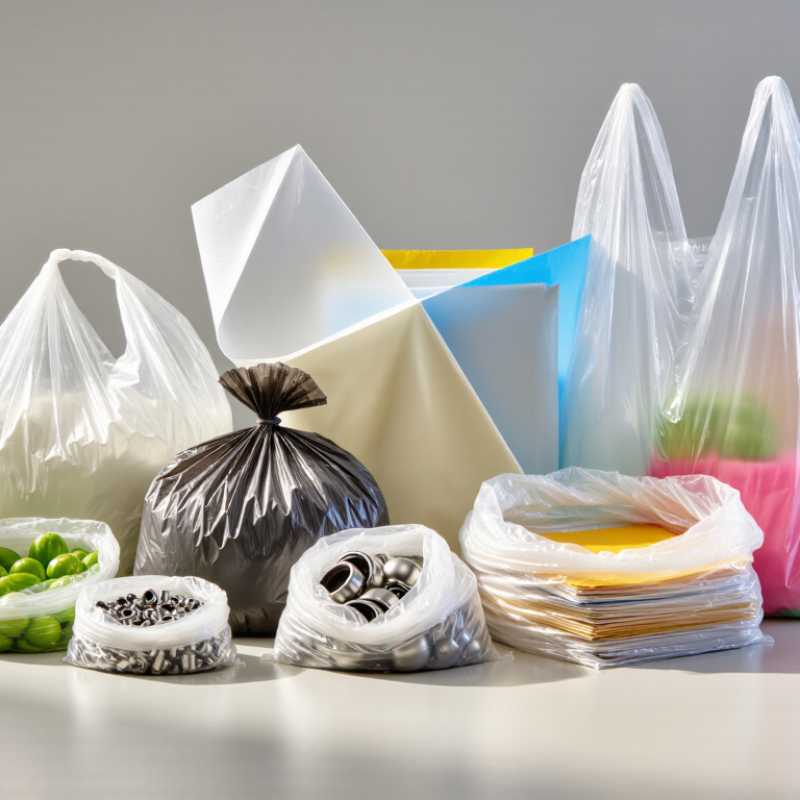
Understanding polyethylene bag types helps you match strength, flexibility, clarity, and cost. Low-density polyethylene, or LDPE, feels soft and bends easily. It works well for clothing, linens, and products with irregular shapes. High-density polyethylene, or HDPE, feels crisper and resists punctures from light, sharp edges. Linear low-density polyethylene, or LLDPE, offers strong stretch and impact resistance. It suits heavier contents and repeated handling.

Heavy Duty Polyethylene Bags usually require thicker film, stronger seals, or both. Thickness is often measured in mils, but thickness alone does not guarantee performance. A thin, well-made film can outperform a thicker, poorly sealed bag. Choose a gusseted design for bulky items. Select clear film when quick visual checks matter. Use opaque film when light exposure or privacy needs greater control. Temperature also matters, especially during storage or transport.

Tips: Test a sample with the actual product. Drop it from a realistic handling height. Check the seal after filling. I once chose a bag by thickness alone, and the corner split during stacking. That mistake changed my process. I now inspect film flexibility, seal width, and load weight together. Ask for material details and confirm any applicable handling or packaging requirements. A practical trial often reveals weaknesses that a specification sheet misses.

Identifying the Right Bag Size, Thickness, and Load Capacity

Choosing Bag Polyethylene correctly starts with the load, not the product label. Measure the item’s length, width, and height, then add clearance for easy filling. A tight bag creates seam stress and awkward handling. For powders or sharp-edged parts, allow extra volume and use a stronger seal. The U.S. EPA reported about 4.2 million tons of plastic bags, sacks, and wraps generated in 2018. That figure supports practical right-sizing: unnecessary material becomes unnecessary waste.

Thickness must match the load’s behavior. A thin film may suit clean, lightweight clothing, while heavier contents need more puncture resistance. ASTM D1709 evaluates impact strength, and ASTM D882 measures tensile properties. These tests provide useful comparisons, but they do not replace a real packing trial. In my experience, fill a sample bag, lift it repeatedly, and inspect the corners and seal. A 100-micron bag is not automatically stronger than every 80-micron bag. Film structure matters. So does manufacturing quality.

Tips: Choose load capacity below the bag’s tested maximum. Leave headspace for tying or sealing. Test cold temperatures, drops, and rough surfaces when relevant. Record the failure point, not only the successful sample. This is where selection can become imperfect. A bag may pass in a warehouse and fail during transport. Review ASTM results, supplier test data, and actual handling conditions before approval.

Choosing Bag Features for Specific Products and Applications

Choosing polyethylene bags starts with product behavior, not bag appearance. A soft bakery item needs gentle handling and enough flexibility. Sharp-edged hardware needs stronger film and protected seams. Granules require a reliable closure that prevents leaks during transport. I have found that a thicker bag is not always better. Extra material can reduce flexibility, raise costs, and complicate packing. Test the filled bag, not just an empty sample.

Film thickness should match weight, abrasion, and drop risk. Low-density polyethylene offers softness and stretch for clothing, produce, and irregular items. High-density polyethylene feels stiffer and suits lightweight goods needing crisp handling. For a Plastic Bag Polyethylene selection, request gauge data, seal strength, and puncture results. Clear film improves visibility, while tinted or opaque film protects privacy and light-sensitive contents. Small details matter.

Closures should fit the workflow. Heat seals support controlled packing, while zip closures allow repeated access. For dusty products, choose a closure with minimal exposed edges. Moisture-sensitive goods may need barrier film rather than polyethylene alone. Confirm compatibility with temperature, storage time, and contact requirements. A supplier should provide specifications and test methods in writing. Real conditions can be messy. One trial may miss stacking pressure, cold storage, or hurried handling. Recheck the bag after these stresses before approving the final size.

Evaluating Clarity, Strength, Flexibility, and Chemical Resistance

How to Choose the Right Polyethylene Bags?

When selecting polyethylene bags, clarity should match the product and handling environment. Clear film helps workers inspect contents without opening the bag. This matters for small parts, textiles, and moisture-sensitive materials. However, excessive clarity may add cost without improving performance. A cloudy bag can still be practical. Check whether visibility supports your workflow.

Strength Strength depends on film thickness, resin quality, seal design, and the weight of the contents. A thicker bag is not automatically stronger. In practical packaging checks, sharp corners often cause failure before weight does. Place a sample on a rough shelf and lift it gently. Watch the bottom seam. Pp Bags are often compared with polyethylene bags, but their stiffness and sealing behavior can differ. Test the actual construction, not only the material name.

Flexibility helps bags fit irregular shapes and reduces wasted space. Chemical resistance requires closer attention. Oils, solvents, cleaning agents, and heat may affect the film differently. Review technical data, then run a small compatibility test with the real substance and exposure time. Do not rely on appearance alone. A bag may look unchanged while losing strength. I have seen specifications seem convincing, yet simple handling revealed weak seals. That mistake is worth questioning. Choose based on measured performance, storage conditions, and the consequences of failure.

Selecting Food-Grade, Recyclable, or Biodegradable Options

How to Choose the Right Polyethylene Bags?

Choosing polyethylene bags starts with the product, not the label. For food, select bags made from food-grade resin and designed for the intended use. A bag for dry bread may not suit oily meat or frozen vegetables. Check migration testing, production controls, and supplier traceability before buying. The plastic should remain flexible without tearing when handled with cold or damp hands. Small details matter.

Recyclable bags can reduce waste, but recycling access differs between communities. Confirm whether local facilities accept the bag type, film thickness, and printed material. Clean, dry bags are more likely to enter a useful recovery stream. Store them separately from food residue. This step is often overlooked.

Biodegradable options need closer examination. Some require industrial composting, controlled heat, and moisture. They may not break down in a backyard compost bin or landfill. Ask for clear certification and disposal instructions, rather than trusting vague green claims. I have found that choosing the thinnest bag is not always responsible; a weak bag may cause leaks, double-bagging, and more waste. A stronger bag can sometimes use more material, yet perform better. That trade-off deserves review.

Comparing Suppliers, Costs, Quality Standards, and Customization Choices

Choosing the right polyethylene bags starts with comparing suppliers beyond quoted prices. Ask for resin type, thickness tolerance, production capacity, and inspection records. A reliable supplier should explain whether the bags use virgin or recycled material and provide clear test data. Request samples from the actual production line, not only showroom pieces. Check seal strength, tear resistance, odor, and dimensional accuracy. Small differences matter.

Cost needs a wider view. A cheaper bag may use thinner film, cause more breakage, or require extra packing labor. Compare the price per usable bag, including freight, tooling, printing plates, and rejected units. Ask about minimum order quantities and payment terms. A pilot order can expose hidden costs. It may feel inefficient, but it protects the main shipment. My practical preference is to record defects by batch; memory is unreliable.

Quality standards should match the bag’s purpose. Confirm thickness measurements, tensile testing, sealing temperature, and storage conditions. For food-contact or regulated uses, request current compliance documents and verify their scope. Customization can include size, gusset shape, handle style, color, warning text, and recyclable structures. Every added feature affects cost and lead time. Over-customization is tempting. Sometimes a standard size performs better and arrives sooner. Discuss artwork proofs carefully, because one incorrect measurement can waste thousands of bags. A capable supplier welcomes questions and documents changes before production.

How Reinforced PP Woven Bags Protect Bulk Grain: A Buyer’s Guide to Reliable China Suppliers

Reinforced PP woven bags provide a practical way to protect bulk grain during storage, loading, and transportation. Made from food-grade polypropylene woven fabric, these bags offer high tensile strength and resistance to tearing, helping contain rice, wheat, flour, sugar, and animal feed securely. An OPP laminated surface improves moisture resistance and helps reduce contamination from dust and handling. For products that require additional protection, a PE inner liner can provide a cleaner barrier against humidity and leakage.

When choosing a reliable China supplier, buyers should confirm the raw-material quality, bag construction, stitching strength, and production consistency. Clear specifications for capacity, dimensions, printing, closure style, and liner options can help prevent quality differences between orders. These food packaging bags are available in customizable capacities from 20kg to 40kg, supporting the needs of food processors, grain distributors, agricultural networks, and wholesale suppliers. Factory-manufactured production can also offer flexible customization and stable supply for recurring orders. Before shipment, buyers may request samples or inspection records to verify weight tolerance, seam durability, surface finish, and cleanliness. Properly selected reinforced bags help maintain package integrity while making bulk grain easier to stack, handle, and transport.

FAQS

How should I choose a polyethylene bag for a specific product?

Start with the product’s behavior, not its appearance. Soft bakery items need flexibility and gentle handling. Sharp hardware needs stronger film and protected seams. Test the filled bag.

Is a thicker bag always better?

No. Extra material can reduce flexibility, increase cost, and slow packing. Match thickness to weight, abrasion, and drop risk. More material is not automatically safer.

Which film type suits clothing or irregular products?

Softer, stretchable film suits clothing, produce, and irregular items. Stiffer film suits lightweight goods needing crisp handling. Confirm thickness data before approval.

How do I choose between clear, tinted, and opaque bags?

Clear film helps workers identify contents quickly. Tinted or opaque film offers privacy and limits light exposure. Consider the storage environment, not only shelf appearance.

Which closure works best for repeated access?

Heat seals support controlled packing and secure storage. Zip closures suit products opened several times. Dusty products need closures with fewer exposed edges. Small details matter.

What supplier information should I request?

Ask for resin type, thickness tolerance, production capacity, and inspection records. Request samples from the actual production line. Showroom samples can look better than ordinary batches.

How can I compare bag costs accurately?

Compare the price per usable bag, including freight, tooling, printing, and rejected units. A cheaper bag may cause breakage or extra labor. Pilot orders reveal hidden costs.

What testing should happen before final approval?

Test seal strength, tearing, odor, dimensions, and puncture resistance. Recheck bags after stacking, cold storage, and hurried handling. One trial may miss important problems. I have missed details before.

Conclusion

Choosing the right Polyethylene Bags begins with understanding the differences among bag types, such as low-density, high-density, and specialty options. Consider the intended product, required dimensions, thickness, and load capacity to ensure the bag provides reliable protection without unnecessary material use. Features such as resealable closures, handles, gussets, perforations, or custom printing may improve convenience and performance for storage, packaging, shipping, or retail applications.

It is also important to evaluate clarity, strength, flexibility, moisture resistance, and chemical compatibility based on the contents. For food-related uses, select suitable food-grade materials, while recyclable or biodegradable alternatives may support specific environmental goals when properly certified and available. Finally, compare suppliers according to price, consistent quality, production capabilities, customization choices, certifications, and delivery reliability. A balanced decision should consider both the bag’s performance and its total value, helping ensure the selected solution is practical, durable, and appropriate for its intended use.
Lucas

Lucas

Lucas is a dedicated marketing professional with a profound expertise in industrial packaging products, representing Fuyao Packaging as a key figure in the industry. With a keen understanding of the manufacturing processes that ensure the highest standards of quality, Lucas plays a crucial role in......
Previous How to Choose the Best PP Bags for Global Sourcing?