Global fertilizer demand is expanding, but procurement decisions are becoming more demanding. The International Fertilizer Association’s Medium-Term Fertilizer Outlook 2024–2028 indicates continued growth in global nutrient demand through 2028. Meanwhile, FAO’s World Food and Agriculture Statistical Yearbook highlights persistent pressure to improve agricultural productivity with fewer operational losses. These trends make reliable Fertilizer Bags essential for safe handling, efficient transport, and extended warehouse storage.
This guide examines leading Fertilizer Bags manufacturers serving international buyers, including Mondi, LC Packaging, Berry Global, ProAmpac, and Emmbi Industries. Their product ranges may include woven polypropylene bags, valve sacks, laminated bags, and flexible intermediate bulk containers. Practical evaluation matters. Buyers should compare bag strength, seam quality, moisture barriers, UV resistance, filling speed, and discharge performance. Certification records and production traceability also deserve close attention. ISO 21898 can support FIBC quality assessment, while local import, labeling, recycling, and chemical-handling requirements may differ.
Performance is not only about price. A weak seam can spill valuable fertilizer across a loading floor. Poor moisture protection can create hard lumps before delivery. Supplier claims should therefore be checked against test reports, factory audits, sample trials, and references from comparable markets. Data can vary between IFA, FAO, and commercial packaging studies. Forecasts are not promises. No manufacturer is perfect, and even a strong supplier may need improvement in lead times, customization, or sustainability reporting. This overview offers a practical starting point for global buyers seeking dependable packaging partners and clearer purchasing decisions.
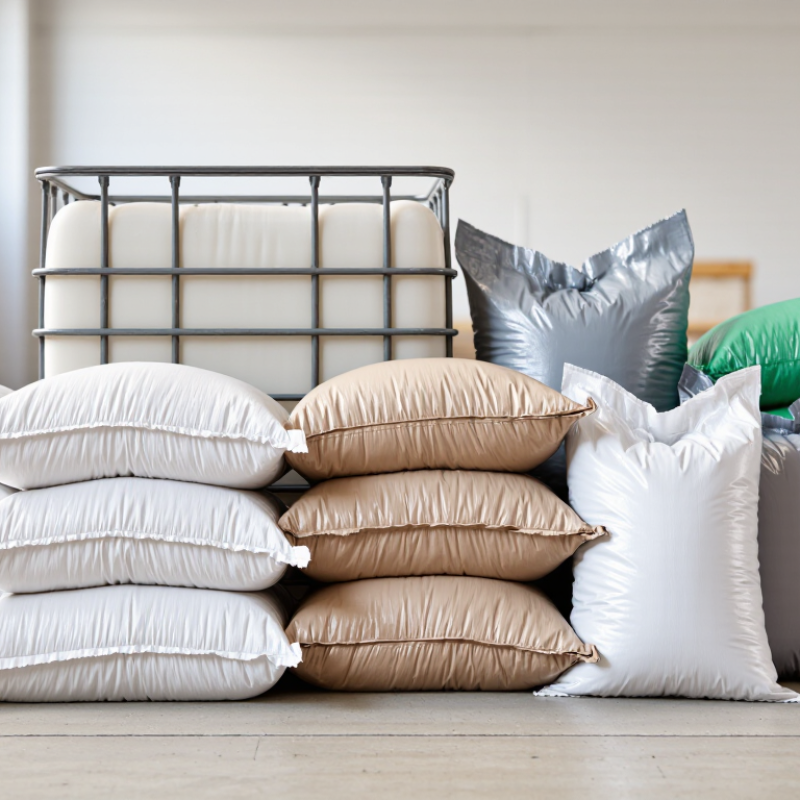
A fertilizer bag manufacturer suitable for global buyers must understand more than fabric weight. The International Fertilizer Association’s 2024 outlook places global fertilizer demand above 200 million tonnes of nutrients. That scale magnifies small packaging failures. A weak seam can become a wet, hardened shipment.
Fertilizer Packaging Bags should use consistent woven material, reliable stitching, and moisture-resistant inner layers. Manufacturers should provide test records for tensile strength, drop resistance, seam performance, and stacking loads. Standards such as ISO 21898 and ASTM D4169 can support structured testing, although neither certificate replaces practical inspection. The World Bank’s 2023 Logistics Performance Index highlights customs, infrastructure, and delivery reliability as major supply-chain factors. Therefore, clear labeling, accurate dimensions, pallet stability, and export documents matter just as much as the bag itself.
Sea transport adds another concern. UNCTAD reports that more than 80% of global merchandise trade by volume moves by sea. Bags may face humidity, compression, vibration, and long storage periods inside containers. Good manufacturers use batch traceability and retain samples for complaint investigation. I would also request production photographs and independent test results, not polished promises alone. A perfect specification can still fail in a hot warehouse. Small details matter. Some buyers, including experienced ones, overlook print rub resistance and closure quality. That mistake is expensive to correct after loading.
Top Fertilizer Bag Manufacturers for Global Buyers
Fertilizer bags must match both the product and its handling environment. Woven polypropylene bags suit granular fertilizers because they resist tearing during pallet movement. Laminated woven bags add moisture protection for humid storage areas. Paper valve bags offer clean filling and stable stacking, especially for powdered fertilizers. For large-volume distribution, flexible intermediate bulk containers can carry several hundred kilograms with fewer handling steps. Some products still require an inner liner. That detail is easy to overlook.
Industrial application changes the specification. Field distributors often need strong seams, readable printing, and reliable lifting points. Blending plants may prefer bags with accurate filling valves and low dust release. Export warehouses need UV resistance, secure closures, and pallet-friendly dimensions. In practical inspections, drop tests and seam checks reveal more than attractive samples. No bag is perfect. A stronger laminate may improve protection, but it can slow recycling and increase cost. I sometimes reconsider the “best” material after seeing real warehouse conditions.
Tips: Ask manufacturers for test data, not only product photos. Confirm bag capacity, filling method, stacking height, and storage humidity. Request samples before approving a full order. Check whether printed markings remain clear after handling. A small trial can expose weak seams, poor fit, or unexpected moisture damage.
The chart compares representative commercial fill weights commonly used for major fertilizer packaging formats. Woven polypropylene and paper valve bags are widely used for retail and agricultural distribution, while FIBC bulk bags are designed for large-volume handling, storage, and transport. Actual specifications vary by fertilizer type, filling equipment, handling requirements, and buyer standards.
For global buyers, fertilizer bag quality begins with material selection, not attractive printing. A reliable Fertilizer Pouch should resist moisture, punctures, abrasion, and repeated handling. Woven polypropylene offers strength, while laminated layers improve moisture protection. Paper bags can work for dry storage, but humidity exposes their limits. Ask for material specifications, layer thickness, and test reports before comparing prices. Numbers matter.
During supplier evaluation, inspect the seams closely. Loose threads, uneven stitching, or weak valve areas can cause leakage during pallet movement. Fill sample bags with the intended fertilizer and observe their shape after 24 hours. Then perform drop tests from realistic warehouse heights. Check tensile strength, tear resistance, and seal performance through an independent laboratory when possible. I have found that a bag passing one test may still fail at the corner. Small defects matter.
Storage conditions deserve equal attention. Sunlight can weaken polymers, while condensation may harden paper and damage printed surfaces. Request UV resistance data when bags may remain outdoors. Confirm pallet stacking limits and compression performance under actual load. A capable supplier should explain rejected-bag rates, corrective actions, and inspection methods. Do not rely only on certificates. Visit the facility when possible, and compare samples from different production dates. My own evaluations are not perfect; transport vibration and seasonal humidity can reveal problems that factory testing misses. Leave room for rechecking.
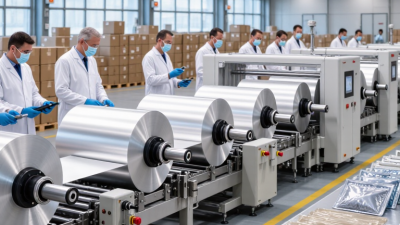
Reliable fertilizer bag manufacturers treat compliance as a production requirement, not a sales promise. They select woven polypropylene, laminated films, and liners according to fertilizer density, moisture, and stacking pressure. In factory audits, buyers should inspect clean floors, calibrated weighing scales, and documented batch controls. Details matter. A strong quality system usually follows ISO 9001 principles, with traceable records from resin receipt to final loading.
Bag performance needs measurable evidence. For woven sacks and flexible intermediate bulk containers, manufacturers may test seam strength, drop resistance, top-lift performance, and moisture protection under relevant standards. Request recent laboratory reports, not general claims. The certificate should match the factory, product type, and production site. A certificate copied from another facility is a warning sign. In practice, this step is often rushed.
Export compliance also depends on the destination country and fertilizer classification. Suppliers should provide accurate product specifications, packing lists, commercial invoices, and shipment markings. If the fertilizer is regulated for transport, the packaging may require additional performance testing and transport documentation. Import rules can also cover recycled content, waste packaging, chemical registration, or extended producer responsibility. Confirm the HS code with a qualified customs professional. I have found that even experienced buyers sometimes overlook local labeling language. That mistake can delay a container for weeks. A dependable manufacturer supports pre-shipment inspection and keeps retention samples for later investigation.
Top Fertilizer Bag Manufacturers for Global Buyers
Production capacity matters when seasonal fertilizer demand rises quickly. Reliable manufacturers should show monthly output, machine numbers, staffing levels, and recent delivery records. Buyers should also check whether capacity is reserved for long-term orders. A factory may quote a large volume, yet struggle during peak months. Ask for production schedules and realistic lead times. Clear evidence is more useful than impressive promises.
Customization begins with the fertilizer itself. Bag manufacturers can adjust woven fabric strength, coating, dimensions, handle design, and closure type. A 5 Kg Fertilizer Bag may need a compact shape, strong stitching, and easy stacking. Larger bags often require reinforced lifting points and improved seam strength. Printing should remain readable after transport, dust exposure, and warehouse handling. Color samples and print proofs should be approved before mass production.
Packaging services should include folding, counting, bundling, palletizing, and moisture protection. Some suppliers can add inner liners or use laminated surfaces for better product protection. Request samples from actual production materials, not only laboratory pieces. Inspect seams, valve openings, barcode clarity, and pallet stability. Small defects happen. The important question is how quickly the manufacturer identifies and corrects them. No production plan is flawless, and that deserves honest discussion. A careful supplier shares inspection records, packaging photos, and corrective actions without hiding weak points.
| Manufacturer Category | Common Production Region | Typical Annual Capacity | Primary Bag Materials | Standard Bag Sizes | Customization Options | Packaging Services | Typical Lead Time |
|---|---|---|---|---|---|---|---|
| Large woven polypropylene bag producer | East and Southeast Asia | 30–120 million bags per year | PP woven fabric Laminated PP | 5 kg, 10 kg, 25 kg, 40 kg, 50 kg | Rotogravure printing, gusseted sides, inner liner, valve or open-mouth design, custom colors | Bag making, liner insertion, bale packing, export palletization | 25–45 days |
| Heavy-duty fertilizer sack manufacturer | South Asia and the Middle East | 15–80 million bags per year | High-strength PP PE-coated PP | 25 kg, 40 kg, 50 kg, 60 kg | Higher-denier fabric, reinforced seams, anti-slip coating, moisture-resistant lamination | Stitched or heat-cut bags, quality inspection, counted bundles, container loading | 30–50 days |
| BOPP laminated fertilizer bag producer | China, Türkiye, and Southeast Asia | 10–60 million bags per year | BOPP film PP woven substrate | 10 kg, 20 kg, 25 kg, 40 kg, 50 kg | High-resolution graphics, matte or gloss finish, barcode area, tear notch, anti-counterfeit features | Artwork prepress, cylinder or plate preparation, lamination, finished-bag bundling | 35–60 days |
| Small-bag and retail packaging specialist | Europe and North America | 3–25 million bags per year | PE film Paper laminate PP woven fabric | 1 kg, 2.5 kg, 5 kg, 10 kg, 20 kg | Resealable zipper, carrying handle, window panel, retail graphics, digital printing | Small-batch production, carton packing, labeling, retail-ready shipment preparation | 20–45 days |
| Kraft paper fertilizer bag manufacturer | Europe, South America, and Asia | 5–40 million bags per year | Multiwall kraft paper Paper-PE laminate | 5 kg, 10 kg, 25 kg, 40 kg, 50 kg | Two- to four-ply construction, moisture barrier, sewn or pasted closure, custom paper grades | Paper tube forming, valve insertion, stitching, pallet wrapping, moisture-protection packing | 30–55 days |
| FIBC and bulk fertilizer bag producer | Asia, Eastern Europe, and the Middle East | 1–8 million bulk bags per year | UV-stabilized PP Coated PP | 500 kg, 750 kg, 1,000 kg, 1,250 kg, 1,500 kg | Four-panel or circular construction, inlet and outlet spouts, sift-proof seams, liner options | FIBC sewing, liner fitting, folding, compression, bale packing, container loading | 35–70 days |
| Recyclable and sustainable packaging supplier | Europe and selected Asian markets | 5–35 million bags per year | Mono-material PP Recycled-content PP Paper-based materials | 5 kg, 10 kg, 20 kg, 25 kg, 50 kg | Design for recyclability, reduced-material construction, water-based inks, recycled-content options | Material traceability, batch documentation, pallet wrapping, recyclable transport packaging | 35–65 days |
| Integrated bag-printing and converting factory | China, India, Vietnam, and Türkiye | 20–100 million bags per year | PP woven BOPP laminated PP PE film | 10 kg, 25 kg, 40 kg, 50 kg, custom sizes | Artwork development, multi-color printing, perforation, anti-slip finish, custom closure systems | Extrusion, weaving, lamination, printing, cutting, sewing, inspection, export packing | 30–60 days |
Choosing top fertilizer bag manufacturers requires more than comparing the lowest quotation. Fertilizer Packaging must protect products from moisture, tearing, and rough warehouse handling. Ask for material specifications, bag weight, stitching details, and test records. A reliable supplier should explain how performance is verified. Request production samples before approving a large order. A cheaper bag may create higher costs through leaks, rejected shipments, or repacking.
Logistics can change the real purchase price. Compare quotations using the same quantity, delivery term, port, and shipping schedule. Check whether the factory has experience with container loading and export documents. Strong suppliers provide clear lead times and communicate delays early. I have found that a neat packing plan often prevents damaged corners and wasted container space. Still, delivery promises are not always accurate, so allow practical buffer time.
Tips: Compare total landed cost, not unit price. Confirm moisture resistance with a documented test. Review recent sample consistency. Ask for photos during production. Keep specifications in writing. One overlooked detail matters. Inspect bag dimensions, print clarity, and pallet stability before shipment. Supplier reliability develops through repeated evidence, not confident promises. A small trial order may feel slower, but it can reveal weak stitching, uneven sizing, or poor communication before larger funds are committed.
Selecting a fertilizer bag manufacturer requires more than comparing unit prices. FAOSTAT reports that global inorganic fertilizer use exceeded 180 million tonnes of nutrients in 2022. This volume increases pressure on packaging consistency, storage protection, and transport efficiency. Choose a supplier that understands your fertilizer type, climate, loading equipment, and distribution route.
Ask for documented tests on seam strength, drop resistance, moisture protection, and ultraviolet stability. ISO 21898 provides a useful reference for flexible intermediate bulk containers. However, certification alone is not enough. Request recent test reports, production samples, batch traceability, and inspection procedures. A reliable manufacturer should explain how polypropylene fabric, inner liners, and printing inks perform in humid warehouses or open-sided containers.
Review capacity records before signing a contract. The World Bank’s Commodity Markets Outlook showed fertilizer prices remained highly volatile after the 2022 shock. That volatility can affect resin costs, lead times, and minimum order quantities. Confirm raw-material sourcing, backup production lines, and shipment planning. Small details matter: valve dimensions, lifting loops, pallet fit, and discharge speed can prevent costly delays. I would also test bags with your actual granules, not only laboratory material. Laboratory results can look convincing. Field performance may disagree. One weakness remains common: buyers often approve packaging before measuring handling losses at destination. That decision deserves reconsideration.
Premium animal feed packaging bags must meet demanding quality standards to protect nutritional value from production through distribution. Made from strong woven materials, these bags are designed to resist tearing, punctures, compression, and handling stress during storage and transportation. Moisture-control layers help reduce exposure to humidity, supporting the freshness and stability of livestock feed, aquaculture feed, and agricultural feed materials. Reliable stitching, consistent dimensions, and secure closures further improve filling efficiency and package integrity.
Custom solutions allow packaging to match different feed types, weights, and market requirements. Bag size, thickness, opening style, liner construction, and surface finish can be adjusted according to product characteristics and filling equipment. High-quality printing options provide clear information, attractive graphics, and practical identification, helping products maintain a professional appearance while supporting traceability and organized distribution. Careful material selection also balances durability with efficient storage and handling.
When selecting a China-based supplier, buyers should evaluate material quality, production consistency, printing accuracy, moisture protection, and quality-control procedures. A dependable factory should offer sample approval, flexible customization, stable production capacity, and transparent communication throughout the order process. Attention to packaging details, inspection standards, and delivery reliability can help ensure that each shipment performs consistently in warehouses, transport networks, and retail or agricultural supply channels.
The manufacturer should control material quality, stitching, moisture protection, and shipment preparation. Small failures matter. A weak seam can ruin a wet shipment.
Bags commonly use consistent woven polypropylene, laminated film, and suitable inner liners. Material choice depends on fertilizer density, moisture, and stacking pressure. One material does not fit every shipment.
Request reports for tensile strength, seam strength, drop resistance, stacking loads, and moisture protection. Ask for recent results. General promises are not enough.
Inspect clean floors, calibrated scales, batch records, and controlled production areas. Records should trace materials from receipt to final loading. Factory visits still need careful judgment.
Accurate specifications, packing lists, invoices, and shipment markings support smoother customs processing. Local language requirements may also apply. A missing detail can delay a container for weeks.
Manufacturers should consider humidity, compression, vibration, and long storage inside containers. Stable pallets and secure closures help protect the load. Sea journeys are not gentle.
Request production photographs, independent laboratory reports, batch traceability, and retention samples. Pre-shipment inspection adds another control point. Polished documents can still hide practical weaknesses.
Print should resist rubbing during handling, and closures should remain secure under pressure. These details are easy to overlook. Fixing them after loading is expensive.
Confirm that each certificate matches the factory, product type, and production site. Check destination rules, packaging obligations, and fertilizer classification with a qualified customs professional. I might still miss a local requirement without expert review.
Choosing the right fertilizer bag manufacturer is essential for protecting product quality, supporting efficient handling, and meeting the needs of global agricultural markets. Suitable suppliers should offer a broad range of Fertilizer Bags, including woven polypropylene bags, laminated bags, valve bags, and bulk packaging designed for different fertilizer types and industrial applications. Buyers should evaluate material strength, moisture resistance, seam durability, print quality, and performance during storage, transportation, and loading.
A reliable manufacturer should also demonstrate consistent production capacity, quality control, export compliance, and relevant certifications. Flexible customization, accurate packaging, dependable delivery schedules, and responsive communication are equally important for international buyers. When comparing suppliers, consider total cost rather than unit price alone, including logistics, packaging efficiency, lead times, and after-sales support. By assessing product performance, manufacturing standards, customization options, pricing transparency, and supplier reliability, businesses can select a manufacturer that aligns with their market requirements and supports long-term supply stability.