If you're trying to pick a reliable Flat Bottom Bag manufacturer, it takes a lot more than scrolling through product photos or comparing advertised prices. That stuff only gets you so far. A really solid supplier needs hands-on manufacturing experience, stable materials, sharp printing, and quality control that doesn't slip.
That's the lens this guide uses to look at ten manufacturers—not just who's popular. For each company, we consider production capacity, customization options, minimum order quantities (MOQs), lead times, and how well they communicate. Those things actually matter when your bag has to stand upright on a retail shelf, keep coffee or dry food protected, and make it through shipping without getting crushed or misshapen.
The review also looks at certifications, factory equipment, testing procedures, and environmental claims. Before ordering, buyers should ask for current documents, sample bags, and clear specs. A sample can quickly show weak seals, uneven gussets, or off colors—stuff you'd rather catch early. And real production experience? It often surfaces problems that brochures conveniently skip.
No ranking is ever set in stone. Market conditions, machinery upgrades, and service changes can all shift a manufacturer's performance. Some companies are great for big-volume orders, while others might be a better fit for smaller brands that need flexible customization. That distinction is worth paying attention to. The final selection here is helpful, but it isn't perfect. You should still compare quotes, inspect samples, and confirm compliance requirements for your target market. A dependable partnership starts with evidence, good questions, and realistic expectations.
Flat Bottom Bags Explained: Structure, Materials, and Common Applications
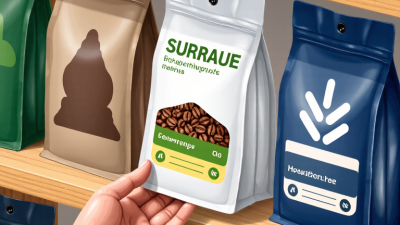
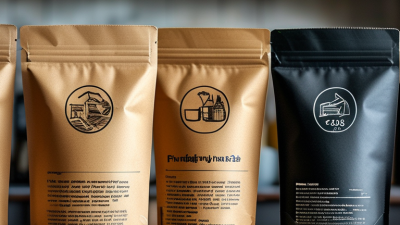
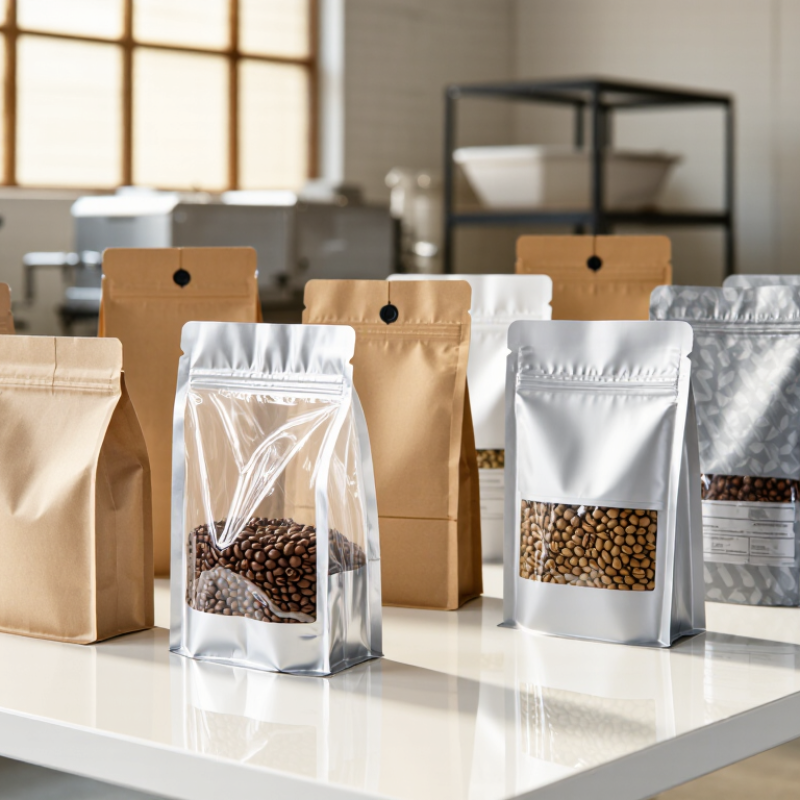
Flat bottom bags stand upright because their base is formed with squared gussets rather than a simple folded seam. This structure creates a stable shelf footprint and gives products more visible front-facing space. A typical bag includes a flat base, side gussets, a top closure, and heat-sealed or stitched seams. The base must carry weight without losing its shape. Small design errors can cause leaning or poor filling performance.
Material selection depends on the product, filling equipment, and storage conditions. Kraft paper provides a natural appearance and useful stiffness. Polypropylene and polyethylene films offer moisture resistance and flexible sealing. Laminated structures can combine paper strength with plastic barrier layers. Some bags also use foil or high-barrier films for products sensitive to oxygen, light, or humidity. However, more layers do not always mean better performance. They may increase cost, complicate recycling, and create sealing challenges.
Common applications include coffee, pet food, grains, flour, snacks, fertilizer, and powdered household goods. Manufacturers are often compared by seal reliability, print accuracy, barrier performance, and production consistency. Experienced buyers also inspect how cleanly the bag opens and whether it remains stable during transport. That matters. A package can look impressive but still perform poorly on a fast filling line. In practice, testing with the actual product is essential. Even careful specifications can miss friction, dust, or uneven weight. The best design is not universal; it is the one that matches real handling conditions.
Market Context: Smithers’ Flexible Packaging Forecast Through 2028
The global flexible packaging market is entering a measured growth phase. Smithers’ forecast estimates the market could rise from about US$261 billion in 2023 to US$305 billion by 2028. That represents an annual growth rate near 3.2%. Demand is shifting toward lighter structures, resealable formats, and efficient shelf presentation. A Flat Bottom Pouch fits this direction well. Its squared base improves stability on retail shelves and supports efficient filling lines. Yet, format alone does not guarantee performance.
Selecting the top 10 flat bottom bag manufacturers requires more than comparing machine capacity. Buyers should examine seal consistency, barrier testing, print registration, material traceability, and production experience. Smithers highlights sustainability and downgauging as major flexible packaging themes through 2028. The Flexible Packaging Association also reported that the United States flexible packaging market remained worth tens of billions of dollars in 2023. These figures show strong demand, but market growth is not uniform. Regional recycling systems still complicate material choices. That weakness deserves honest attention.
Tips: Request recent seal-strength data, migration documentation, and pilot samples. Check pouch performance after stacking, transport, and repeated opening. Ask whether the supplier can control small design changes consistently. A glossy sample may look impressive. Real production is less forgiving. Evaluate lead times, quality records, and technical support before ranking any manufacturer.
Ranking Criteria: Capacity, Certifications, Machinery, and Export Reach
A credible ranking of the top 10 flat bottom bag manufacturers should begin with production capacity, not marketing claims. Large monthly output matters, but consistency matters more. Buyers should inspect machine uptime, sealing accuracy, and material control across different order sizes. A factory producing millions of Flat Bags may still struggle with small, customized batches. That distinction deserves attention.
Certifications provide another practical filter. Food-contact approvals, quality management systems, and documented testing procedures show operational discipline. However, certificates should be verified by scope, issuing body, and expiration date. A printed logo proves little. Reliable manufacturers can provide test reports for seal strength, leakage resistance, dimensions, and migration limits. They should also explain how workers record defects during production. Small details matter.
Machinery reveals technical capability. Modern bag-making lines should support accurate folding, bottom forming, printing registration, and automatic inspection. Skilled maintenance teams reduce stoppages and uneven seals. Export reach adds a commercial test. Manufacturers serving several regions should understand packaging specifications, pallet loading, documentation, and delivery planning. Yet export volume alone is not proof of quality. Some suppliers depend heavily on one market. That creates risk when demand changes. Ranking should therefore combine verified capacity, relevant certifications, machinery depth, and dependable export performance. The evidence may be incomplete, and rankings can change after an audit. That is worth admitting.
Top 10 Manufacturers Compared by Bag Formats, Materials, and Production Scale
The top 10 flat bottom bag manufacturers differ sharply in formats, materials, and production scale. My comparison considers factory experience, verified specifications, quality controls, and repeat-order capacity. Some focus on kraft paper bags with square gussets and reinforced handles. Others produce laminated woven bags for heavier goods. Several support custom valve bags, block-bottom sacks, or inner liners. Format flexibility matters when filling speed and shelf presentation must work together.
Material choices reveal practical differences. Paper-based manufacturers often offer recycled fibers, coated surfaces, and moisture-resistant treatments. Flexible packaging specialists may provide PE, PP, or multilayer structures with stronger sealing performance. However, “eco-friendly” claims need evidence. Ask for material data, test reports, and clear recycling guidance. A factory with modern printing equipment may still struggle with color consistency during long production runs. Small details matter.
Production scale separates the strongest suppliers from capable smaller plants. Large manufacturers can manage millions of bags monthly, automated inspection, and stable export schedules. Mid-sized factories may offer better customization and faster sampling. The best choice depends on order volume, lead time, and acceptable variation. During supplier reviews, inspect bag dimensions, bottom folds, seam strength, and pallet packing directly. A ranking is never perfect. Real performance can change after one busy season.
What Are the Top 10 Flat Bottom Bag Manufacturers?
Anonymous comparison of ten leading supplier profiles by supported bag formats, material families, and production-scale tiers.
The comparison focuses on practical manufacturing capability rather than company names. Bag-format coverage includes flat-bottom, block-bottom, quad-seal, and side-gusset constructions; material coverage includes paper, PE, PP, and multilayer laminates. Production scale is grouped into small, medium, and high-volume tiers.
Sustainability Check: Recyclability, PCR Content, and EU Packaging Rules
When comparing the top 10 Flat Pouch manufacturers, sustainability evidence should matter more than glossy claims. Ask for the complete material structure, recycling pathway, PCR percentage, and test method. A pouch labeled “recyclable” may still fail local sorting systems when it contains mixed polymers, coatings, or metalized layers. The OECD Global Plastics Outlook reports that packaging represents about 40% of global plastic use. That figure makes design choices difficult to ignore.
PCR content needs careful checking. Mechanical recycling can reduce virgin plastic demand, but food-contact applications may require strict safety controls and certified feedstock. The EU Packaging and Packaging Waste Regulation, Regulation (EU) 2025/40, applies from 12 August 2026. It pushes packaging toward recyclability at scale from 2030 and introduces recycled-content expectations for plastic packaging. A responsible manufacturer should provide supplier declarations, migration testing, and traceable PCR records. Not every factory can offer all three. That is worth admitting.
Tips: Request a real production sample, not only a digital mock-up. Fold it, seal it, and inspect the opening after transport simulation. Check whether the proposed recycling stream exists in your target market. Ask for an independent life-cycle assessment, but read its assumptions. Some assessments exclude printing ink, transport, or rejected packs. A smaller PCR percentage may be more credible than an impressive claim without documentation. Sustainability reporting is improving, yet the data remains uneven. That gap deserves scrutiny.
Buyer Verification: Audits, ASTM Tests, Food-Contact Compliance, and Lead Times
When comparing the top 10 flat Bottom Bag manufacturers, buyer verification should begin with factory evidence, not polished samples. Request recent third-party audit reports, corrective-action records, and production-floor photographs. Check audit scope, expiry dates, and the actual site address. A certificate alone is not enough. Smithers’ 2024 flexible packaging market analysis identifies food protection and material efficiency as major growth drivers. That makes process control essential for every Bottom Bag supplier.
Ask for ASTM test results matched to the intended application. ASTM F88 can measure seal strength, while ASTM F1921 evaluates hot-tack performance. ASTM D1894 helps assess film friction and machine handling. Confirm test conditions, sample thickness, laboratory identity, and retest frequency. A supplier quoting only “passed” provides weak evidence. The seal should survive compression, vibration, and a warm warehouse shelf. Small details matter.
For food-contact use, request a full declaration of compliance, migration testing, and raw-material traceability. Requirements may involve FDA rules, EU Framework Regulation 1935/2004, or local equivalents. UNEP’s Food Waste Index 2024 reported 1.05 billion tonnes of food waste in 2022, so packaging reliability has measurable value. Verify lead times using purchase-order history, not promises. Ask for capacity by bag size, printing schedule, and backup film sources. I would also test a pilot batch. It may delay approval, but one overlooked zipper defect can cost more than several weeks.
Reinforced Moisture-Resistant Feed Packaging Bags: Durable Solutions for Animal Feed Suppliers
Reinforced moisture-resistant feed packaging bags are designed to help animal feed suppliers protect product quality during storage, transportation, and distribution. Made from high-quality food-grade PP woven fabric, these bags provide strong tensile strength and reliable resistance to tearing. The OPP laminated surface helps reduce moisture penetration, while an optional PE inner liner offers an additional barrier for feeds that require enhanced protection against humidity and contamination.
Suitable for pig feed, poultry feed, cattle feed, and fish feed, the bags support efficient handling across feed production plants, livestock farms, and agricultural distribution systems. Their firm structure improves stacking stability, helping filled bags remain secure in warehouses and during shipment. The reinforced construction also supports repeated movement and routine loading operations without easily losing its shape.
Available in customizable sizes from 20kg to 40kg, these feed packaging bags can be adapted to different filling equipment, product volumes, and logistics requirements. Clear specifications, durable materials, and flexible customization make them a practical choice for suppliers seeking dependable packaging performance in demanding agricultural environments.
FAQS
Consider verified capacity, certifications, machinery, and export performance. Production consistency matters more than impressive monthly numbers. A ranking can still change after an audit.
No. A factory may produce millions of bags but struggle with small custom orders. Check machine uptime, sealing accuracy, and material control. Small batches reveal weaknesses.
Request food-contact declarations, quality records, testing reports, and raw-material traceability. Check the issuing body, covered products, site address, and expiration date. A printed certificate proves little.
Useful equipment supports accurate folding, bottom forming, printing registration, and automatic inspection. A maintenance team should reduce stoppages and uneven seals. Inspect real production lines, not only photographs.
Options may include kraft paper bags, laminated woven sacks, flexible film structures, valve bags, and inner liners. Materials can include recycled fibers, coated paper, or multilayer films. Match the structure to weight, moisture, and filling speed.
Request test results for seal strength, leakage resistance, dimensions, friction, and hot-tack performance. Confirm sample thickness, test conditions, laboratory identity, and retest frequency. Do not accept only “passed.”
Request migration testing, a complete compliance declaration, and traceability for every raw material. Confirm requirements for the destination market before production. Paperwork must match the actual bag.
Review purchase-order history, production schedules, pallet loading, and delivery records. Ask about backup material sources and capacity by bag size. Promises are not evidence.
Usually, yes. Test dimensions, bottom folds, seam strength, printing, and pallet packing. A pilot may delay approval. That delay can expose costly defects.
Conclusion
This guide explains how a Flat Bottom Bag is constructed, including its stable base, layered materials, sealing features, and suitability for products such as coffee, pet food, snacks, powders, and household goods. It also examines the flexible packaging market outlook through 2028, helping readers understand demand trends and the factors shaping manufacturing capacity. The ranking evaluates leading manufacturers through measurable criteria, including production scale, bag formats, material options, certifications, advanced machinery, quality systems, and international export reach.
The comparison also considers sustainability, including recyclable structures, post-consumer recycled content, material reduction, and alignment with evolving European packaging requirements. For buyers, the article provides a practical verification framework covering factory audits, ASTM-based performance testing, food-contact compliance, sample approval, traceability, minimum order quantities, and lead-time reliability. Together, these insights help purchasing teams identify capable suppliers and select Flat Bottom Bag solutions that balance product protection, operational efficiency, environmental goals, and dependable delivery.