Leave Your Message
0%

China continues to be a major hub for sourcing flexible packaging, especially if you're after a sturdy PE woven bag. Their manufacturing scene covers everything—from resin processing and tape extrusion to circular weaving, lamination, printing, and the final stitching. In this guide, I’ve looked into ten Chinese companies involved in these different steps. And honestly, it’s all about practical, real-world info—no flashy claims here.

When evaluating these factories, I considered things like their experience, how consistent their products are, how well they handle customization, their communication during exports, and their quality control processes. And, for us buyers, it’s helpful to verify some specifics—like sample approvals, bag sizes, fabric weight, printing accuracy, seam strength, and loading methods. These details actually matter a lot—whether you’re looking for fertilizer bags, rice sacks, animal feed packaging, or industrial bulk bags. A trustworthy supplier should be able to clearly explain their process and give you realistic timelines. Keep in mind, photos alone don’t tell the whole story.

Some companies might focus mainly on woven packaging, while others offer a mix of woven and non-woven solutions. Their strengths can really vary quite a bit. One supplier might excel in sharp flexo printing, while another might be better at handling heavier laminated bags. So, don’t see this ranking as gospel—think of it as a practical reference. No list is perfect, and things like factory conditions, raw material prices, and service levels can change over time. It’s always a good idea to ask for samples, check inspection records, and confirm specs before placing an order. Doing these small checks can help avoid costly surprises down the line.
What Are the Top 10 PE Woven Bag Manufacturers in China?

China’s PE Woven Bag Manufacturing Industry

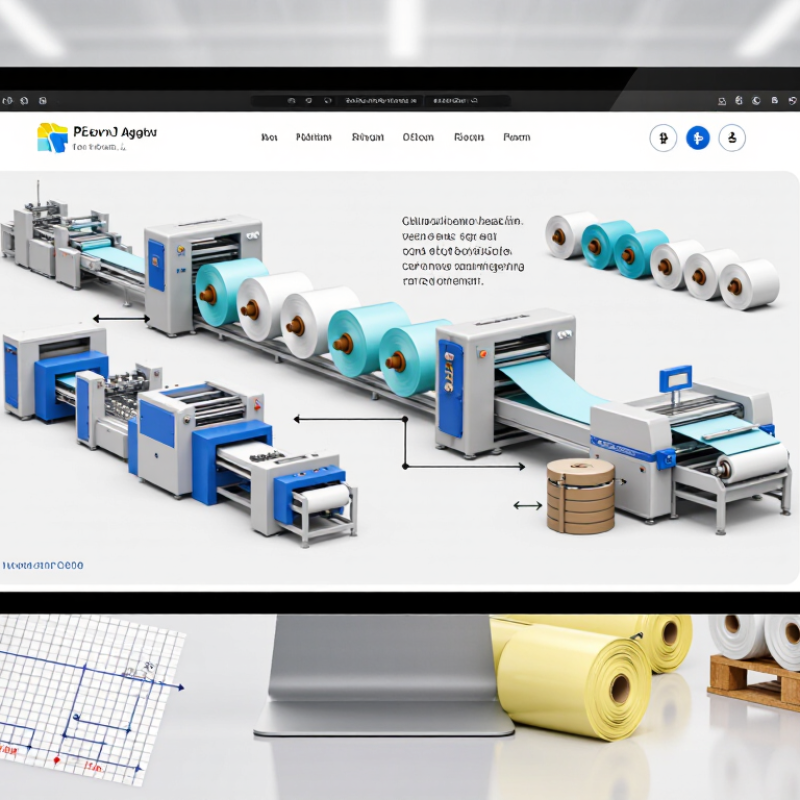
China’s PE woven bag manufacturing industry serves agriculture, construction, chemicals, food, and logistics. Its strength comes from integrated production. Many factories convert polyethylene resin into tape, weave it into fabric, laminate surfaces, and sew finished bags under one roof.

A practical top-ten assessment should examine more than annual output. Buyers should inspect extrusion stability, loom speed, fabric density, seam strength, and print accuracy. A reliable manufacturer can provide batch records, resin documentation, sample testing, and clear production schedules. Third-party audits can verify working conditions, quality controls, and waste handling. These details matter when bags face heavy filling, rough transport, or outdoor storage.

Factory experience is visible in small choices. Stronger corner seams reduce tearing. Consistent lamination prevents moisture from entering through weak areas. Clean cutting edges also improve automated packing. Some suppliers offer custom sizes, valve openings, liners, and recycled-content options, depending on the intended use and applicable regulations.

No factory is perfect. A supplier may produce excellent fabric but struggle with color matching or delivery during peak seasons. I would request samples from several production lots, not one attractive prototype. A small test can reveal dust, uneven coating, weak stitches, or inaccurate dimensions. Buyers should also confirm inspection standards in writing. Price alone is a poor ranking method. A dependable partner combines process control, honest communication, measurable testing, and realistic capacity.

Criteria for Selecting the Top Chinese Manufacturers

When evaluating the top 10 PE woven bag manufacturers in China, ranking alone is not enough. A reliable supplier should demonstrate factory capacity, stable material sourcing, and documented quality controls. Ask for production photos, audit records, and recent test reports. Confirm whether the factory produces bags in-house or outsources critical processes. This affects traceability and delivery control. Examine equipment such as extrusion lines, circular looms, printing units, and stitching stations. Experienced engineers should explain fabric weight, tensile strength, seam performance, and moisture resistance clearly. Vague answers deserve caution.

Request samples matching your exact dimensions, load requirements, color, and closure style. If you need a Pp Woven Bag, verify the material carefully because PP and PE have different performance characteristics. Compare samples under realistic conditions, not only on a clean showroom table. Check edge stitching, handle strength, print sharpness, and odor. A perfect sample may still hide inconsistent mass production. I have learned that written specifications matter more than friendly promises. Review minimum order quantities, lead times, replacement policies, and communication speed. Certifications should be current, relevant, and independently verifiable.

Tips: Use a simple scorecard. Rate quality, transparency, capacity, response time, and inspection support. Request a pre-production sample and an independent inspection before shipment. Do not choose the lowest quotation automatically. Cheap pricing sometimes reflects thinner fabric, weaker seams, or unclear service terms. Allow room for questions; a dependable manufacturer will answer them with evidence.

Production Capabilities and Quality Standards

What Are the Top 10 Pe Woven Bag Manufacturers in China?

Production capability should guide any credible Top 10 assessment. A factory may own modern looms, yet struggle with stable sealing. Grand View Research estimates the global woven bags market will expand steadily through 2030, driven by agriculture, chemicals, and construction materials. This growth increases pressure on Chinese suppliers to improve consistency, not only capacity.

A strong Pe Woven Bag manufacturer usually operates extrusion lines, circular looms, lamination units, printing machines, and automated stitching equipment. Buyers should request monthly output, loom counts, and documented production records. A practical benchmark is dimensional tolerance near ±2%, verified through sampling. Tensile strength, seam strength, drop resistance, and moisture protection also require laboratory testing. ISO 21898 offers useful guidance for flexible intermediate bulk containers, while ISO 9001 supports process control.

Details matter.

Smithers’ flexible packaging research highlights the importance of downgauging, material efficiency, and recyclable design. However, thinner film can reduce puncture resistance when process control is weak. That trade-off deserves honest testing. The top manufacturers should provide batch traceability, retained samples, inspection reports, and corrective-action records. Independent testing against ASTM or ISO methods adds credibility. In my experience, a clean factory visit proves little without production data. Even a supplier with impressive equipment may need stronger calibration discipline. Selection should therefore compare verified results, not attractive brochures.

Profiles of the Top 10 PE Woven Bag Manufacturers

Profiles of the Top 10 PE Woven Bag Manufacturers

China’s top ten PE woven bag manufacturers show different strengths rather than identical factory models. The first profile focuses on high-speed extrusion and stable tape thickness. The second combines circular looms with automated cutting. The third specializes in coated bags for moisture-sensitive goods. The fourth offers sharp flexographic printing with controlled color matching. Details matter here.

The fifth profile uses recycled resin systems, although recycled content can reduce strength if poorly controlled. The sixth serves agricultural packaging with reinforced seams and UV-resistant additives. The seventh supplies heavy-duty construction sacks, using thicker tapes and stronger stitching. The eighth maintains food-contact documentation and batch traceability. The ninth supports short customized runs, while the tenth emphasizes export inspection, pallet protection, and consistent container loading. These profiles reflect practical purchasing differences.

Grand View Research estimates the global woven bags market reached approximately US$4.5 billion in 2023, with growth expected through 2030. China’s National Bureau of Statistics reported about 74.9 million tonnes of plastic product output in 2023. These figures show manufacturing scale, but they do not prove individual factory quality.

Buyers should review tensile-test records, seam-drop results, resin certificates, and recent production samples. A factory may look efficient during an audit yet struggle during peak-season orders. That weakness deserves attention. Reliable selection depends on verified records, not impressive machinery alone.

Product Ranges, Customization, and Industry Applications

What Are the Top 10 PE Woven Bag Manufacturers in China?

China’s leading woven bag suppliers compete through product range, customization, and dependable production control. A Pp Woven Sack Bag may include flat construction, gussets, block bottoms, valve openings, or inner liners. Common weights range from 25 to 50 kilograms, while heavy-duty formats serve larger industrial loads. Lamination improves moisture resistance, but it can reduce recyclability. That trade-off deserves attention.

Mordor Intelligence’s 2024 assessment places the polypropylene woven bags market on a growth path of roughly 5% annually through 2029. This supports wider demand from grain, animal feed, fertilizer, cement, and building-material industries. The top 10 Chinese manufacturers should therefore offer more than attractive pricing. Buyers need tested tensile strength, controlled seam quality, stable dimensions, and documented raw-material traceability. Some suppliers also provide UV protection, multi-color printing, anti-slip finishes, and food-contact options.

Customization becomes practical when a supplier understands the filling line. A narrow valve opening can slow automated packing. Weak gussets may fail during pallet handling. The World Bank’s commodity packaging guidance also emphasizes moisture control and damage reduction across agricultural supply chains. In real purchasing work, samples should face drop, compression, and humidity tests before approval. Certifications help, but they do not replace factory audits. A polished catalog is not enough.

What Are the Top 10 PE Woven Bag Manufacturers in China?

PE woven bags are commonly supplied for agriculture, food, chemicals, construction materials, and waste handling. The chart below shows representative nominal fill capacities used for common product formats; actual specifications vary by material density, bag dimensions, coating, and customer requirements.

Customization highlights: Manufacturers commonly offer different bag sizes, woven fabric weights, laminated or unlaminated surfaces, valve or open-mouth designs, liners, handles, printing, and stitched or heat-sealed closures.

Comparing Prices, Certifications, Lead Times, and Export Services

When comparing China’s top 10 PE woven bag manufacturers, price should not stand alone. A basic 25-kilogram bag may cost less, but thicker fabric, laminated surfaces, liners, and color printing increase the quotation. For Urea Bag Pp Woven products, ask for the fabric weight, seam strength, and inner moisture barrier. A clear quotation should include tooling, printing plates, packaging, and delivery terms. Hidden charges appear easily. Request a pre-production sample before approving bulk production.

Certifications reveal more than a logo on a sales sheet. Check ISO 9001 records, material test reports, and food-contact documents when the application requires them. For agricultural packaging, confirm tensile strength, drop testing, and UV resistance. Lead times commonly range from 7–15 days for samples and 20–35 days for standard orders. Custom colors or complex valve designs may take longer. Export support should cover commercial invoices, packing lists, certificates of origin, container loading photos, and accurate HS-code guidance. Confirm whether the quoted price uses FOB, CIF, or another Incoterm. A responsive supplier should explain port schedules and replacement procedures clearly. Still, communication can fail during peak seasons. Build a small buffer. One overlooked detail, such as pallet height, can delay loading.

What Are the Top 10 PE Woven Bag Manufacturers in China? — Comparing Prices, Certifications, Lead Times, and Export Services

Rank Anonymous Supplier Primary Product Focus Indicative Price
(USD per 1,000 pcs)
Typical MOQ Sample Lead Time Bulk Production Lead Time Common Certifications Customization Capability Export Service Coverage Typical Export Markets Overall Fit
1 Supplier A Standard laminated PE woven sacks for rice, flour, feed, and agricultural products $85–$145 10,000 pcs 5–7 working days 18–25 working days ISO 9001 Food-contact options 1–8 color flexographic printing, gussets, liners, valve or open-mouth formats Container loading, export documentation, fumigation coordination, third-party inspection support North America, Europe, Southeast Asia, Africa Best overall balance
2 Supplier B Heavy-duty PE woven bags for chemicals, minerals, and construction materials $125–$220 8,000 pcs 7–10 working days 22–30 working days ISO 9001 UN packaging options Higher fabric grammage, reinforced seams, anti-slip coating, inner liners, custom dimensions FOB and CIF quotations, palletization, loading photographs, inspection coordination Middle East, Latin America, Europe, Africa Best for demanding loads
3 Supplier C Printed retail and food-grade packaging sacks with laminated surfaces $105–$185 15,000 pcs 6–9 working days 20–28 working days ISO 9001 BRCGS support Food-contact documentation High-resolution printing, matte or glossy lamination, anti-counterfeit features, liners Artwork preflight, pre-production samples, export labeling, multilingual packing documents Europe, Australia, North America, East Asia Best for branded-style packaging
4 Supplier D Small and medium PE woven bags for fertilizer, seeds, and farm inputs $78–$135 10,000 pcs 5–8 working days 18–24 working days ISO 9001 REACH support Custom widths and lengths, coated or uncoated fabric, drawstring and heat-cut options Mixed-container planning, export customs files, carton or bale packing, tracking assistance South Asia, Southeast Asia, Africa, South America Best value for agriculture
5 Supplier E FIBC-related woven components and large-format PE woven bags $165–$320 5,000 pcs 8–12 working days 25–35 working days ISO 9001 UN design options BRCGS support Four-panel or circular construction, lifting loops, liners, discharge spouts, sift-proof seams Technical drawings, load testing, container optimization, inspection and documentation support Europe, North America, Middle East, Oceania Best for industrial projects
6 Supplier F Economical unlaminated PE woven sacks for general agricultural and industrial use $65–$115 20,000 pcs 5–7 working days 15–22 working days ISO 9001 Factory QC records Basic 1–4 color printing, custom weave density, stitched or heat-sealed tops FOB pricing, standard export packing, container loading plans, routine shipping updates Africa, Southeast Asia, South Asia, Latin America Best low-cost option
7 Supplier G Moisture-resistant laminated sacks for animal feed and processed food ingredients $98–$175 12,000 pcs 6–9 working days 20–27 working days ISO 9001 Food-contact options REACH support PE coating, barrier film, inner liner, tear-open strip, block-bottom or sewn-bottom design Food-contact paperwork, batch traceability, pallet loading, CIF and DAP quotation support Europe, Middle East, North America, Southeast Asia Best for moisture protection
8 Supplier H Custom promotional and seasonal PE woven bags for distributors and wholesalers $90–$180 8,000 pcs 7–10 working days 22–30 working days ISO 9001 Social compliance available Complex artwork, spot colors, woven labels, handle bags, retail-ready bundles Artwork support, pre-shipment samples, barcode labeling, consolidated export packing Europe, North America, Australia, East Asia Best for customized orders
9 Supplier I UV-resistant and outdoor-use PE woven sacks for landscaping and building products $110–$205 10,000 pcs 7–10 working days 23–32 working days ISO 9001 UV test reports REACH support UV stabilizers, thicker tape, anti-aging additives, laminated panels, reinforced handles Material test reports, loading supervision, export documentation, container booking support Europe, North America, Oceania, Middle East Best for outdoor applications
10 Supplier J Flexible-batch PE woven sacks for online wholesalers and small import programs $105–$195 5,000 pcs 6–10 working days 20–30 working days ISO 9001 Food-contact options Lower-volume customization, standard stock colors, simple printing, mixed-size production Small-batch consolidation, sample dispatch, courier coordination, standard export documents North America, Europe, Southeast Asia, Africa Best for flexible MOQs

Price ranges are indicative export-market levels for standard PE woven bags and may vary according to size, fabric weight, printing coverage, lamination, liner specification, order volume, Incoterms, resin prices, and destination. Certification scope and food-contact compliance should be confirmed against the specific production site and product specification before purchase.

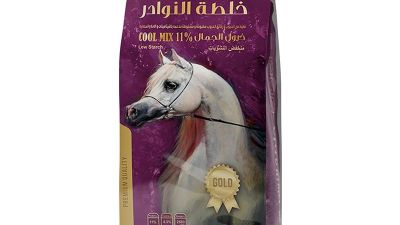
High-Strength PP Woven Feed Packaging Bags for Livestock, Poultry, and Aquatic Feed Storage

Global demand for dependable animal-feed packaging continues to grow as livestock, poultry, and aquaculture production expand. The 2024 Global Feed Survey reported approximately 1.13 billion metric tons of manufactured feed production worldwide in 2023, highlighting the importance of packaging that can withstand intensive handling and long-distance distribution. High-strength PP woven feed packaging bags are designed for pig feed, cattle feed, poultry feed, and fish feed, supporting safer storage from feed mills to farms and agricultural warehouses.

Manufactured from food-grade polypropylene woven fabric, these bags provide strong tensile strength and reliable load capacity for common 20kg–40kg specifications. An OPP-laminated surface improves print clarity and adds protection against humidity, while an optional PE inner liner helps reduce exposure to moisture and contamination. These features are particularly valuable in regions where transportation and storage conditions are variable. The 2024 FAO fisheries and aquaculture report recorded global aquatic animal production at more than 185 million tonnes in 2022, reinforcing the need for practical packaging solutions across aquatic-feed supply chains.

The bags also support stable pallet stacking, efficient warehouse organization, and easier manual or mechanical handling. Their customizable dimensions, closures, and printed product information allow feed manufacturers and distributors to align packaging with different product weights, storage environments, and logistics requirements.

FAQS

What does the PE woven bag manufacturing process include?

Factories typically convert polyethylene resin into tape, weave fabric, laminate surfaces, and sew finished bags. One roof helps.

Which industries use PE woven bags?

Common applications include agriculture, construction, chemicals, food packaging, and logistics. The correct bag depends on weight, moisture, storage conditions, and transport handling.

How should buyers evaluate a manufacturer?

Inspect extrusion stability, loom speed, fabric density, seam strength, and print accuracy. Ask for batch records, resin documents, samples, and production schedules. Annual output alone can mislead.

What physical details improve bag performance?

Strong corner seams can reduce tearing during filling and lifting. Consistent lamination helps block moisture through weak surface areas. Clean cutting edges support automated packing.

Can manufacturers provide customized PE woven bags?

Many suppliers offer custom sizes, valve openings, liners, and recycled-content options. Confirm each feature suits the product and applicable requirements. Customization often changes cost and lead time.

How can buyers test product quality before bulk production?

Request samples from several production lots, not just one attractive prototype. Check dust, uneven coating, weak stitches, inaccurate dimensions, and fabric weight. Small tests reveal uncomfortable truths.

What should a clear quotation include?

The quotation should state fabric weight, seam strength, printing, tooling, plates, packaging, and delivery terms. Confirm whether pricing uses FOB, CIF, or another delivery term. Hidden charges are easy to miss.

Which documents and certifications should buyers request?

Depending on the application, request quality-system records, material test reports, and food-contact documents. Agricultural bags may require tensile, drop, and UV-resistance testing. A logo proves little.

How long do samples and standard orders usually take?

Samples commonly require 7–15 days. Standard orders often need 20–35 days. Custom colors and complex valve designs may take longer. Keep a small schedule buffer.

What export services should a reliable supplier provide?

Export support should include commercial invoices, packing lists, origin certificates, loading photos, and accurate classification guidance. The supplier should explain port schedules and replacement procedures clearly. Communication may weaken during peak seasons.

Conclusion

China’s PE woven bag manufacturing industry offers a broad combination of large-scale production, flexible customization, and competitive export services. This overview explains how to evaluate the top 10 manufacturers by examining production capacity, material consistency, quality control, equipment, environmental practices, and compliance with recognized industry standards. It also considers whether suppliers can support stable supply, clear communication, and dependable after-sales service.

The profiles compare each manufacturer’s product range, including bags for agricultural, industrial, construction, food, chemical, and packaging applications, while highlighting options such as different sizes, printing styles, closures, liners, and woven structures. Buyers can also assess pricing, certifications, minimum order quantities, lead times, sample procedures, packaging, logistics, and international shipping experience. By comparing these factors together, importers and distributors can select a reliable Pe Woven Bag partner that matches their technical requirements, budget, delivery schedule, and long-term purchasing goals.
Ethan

Ethan

Ethan is a dedicated marketing professional at Fuyao Packaging, where he plays a crucial role in promoting the company’s extensive range of industrial packaging products. With a deep understanding of the packaging industry, Ethan leverages his expertise to highlight the innovative solutions that......
Previous China Top 10 Foil Packaging Manufacturers for Global Buyers