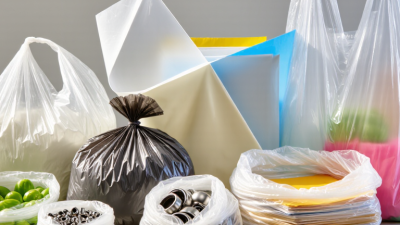
China’s Polyethylene Bags industry touches a lot of everyday sectors—retail, food packaging, agriculture, logistics, and plenty of industrial uses. This guide looks at ten suppliers that are worth a closer look. Not as a “trust them because they say so” list, but as a starting point for your own checks.
When picking these suppliers, we weighed things like manufacturing experience, where the polyethylene resin comes from and whether it can be traced, production capacity, export track record, printing quality, and customization options. Certifications, how well the factory communicates, sample control, and delivery consistency also matter. Those details really show up when a bag has to hold frozen food, keep dusty parts protected, or make it through long-distance shipping without failing. A low quote can hide weak seals, uneven thickness, or slow support when replacements are needed. That’s a risk worth paying attention to.
Patrick Thomas, a well-respected name in plastics, once said, “Plastics are too valuable to be thrown away.” It’s a useful point. A good supplier should be able to talk about material efficiency, recycled content, responsible production, and what happens at end of life. But claims still need proof. A nice product page by itself? Not enough.
The companies in this article won’t all be strong in the same way. One might be great at retail printing. Another may specialize in heavy-duty industrial sacks. A third could be more patient with smaller trial orders. No ranking is perfect. Public info can be incomplete, and a supplier’s performance can change after an audit. So before signing an order, buyers should ask for recent samples, factory documents, test reports, and clear commercial terms. Practical verification beats glossy brochures every time. This review is meant to help with that—balanced observations, specific buying criteria, and realistic expectations for international buyers.
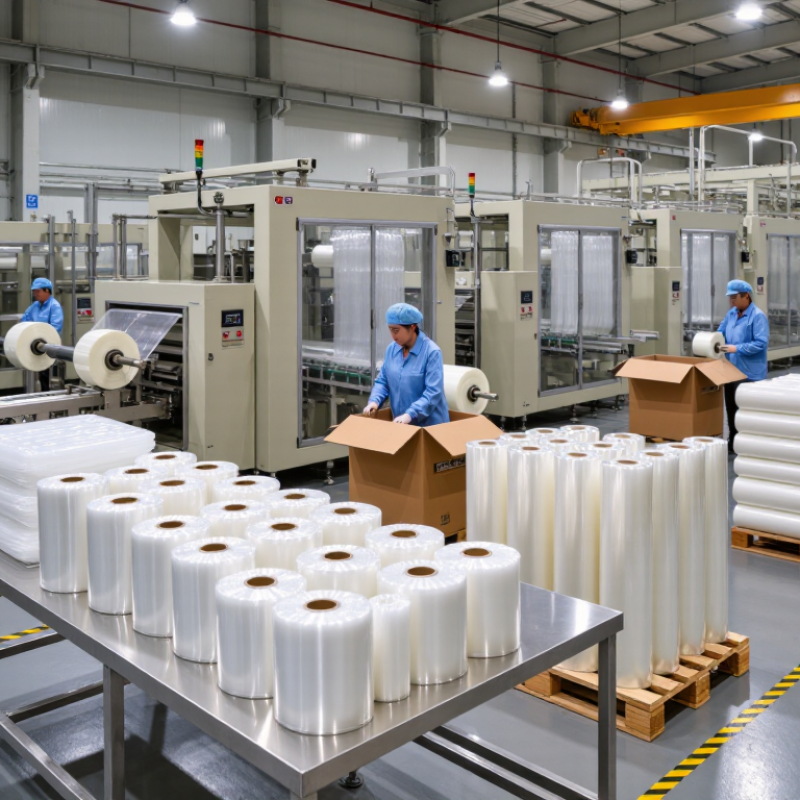
Polyethylene Bag Basics: PE Grades, 0.91–0.97 g/cm³ Density, and Uses
When comparing the top 10 polyethylene bag suppliers in China, start with the material, not the catalog photos. Polyethylene density usually ranges from 0.91 to 0.97 g/cm³. This small range affects stiffness, clarity, sealing, and load performance. LDPE feels softer and bends easily, making it suitable for liners, produce bags, and flexible packaging. LLDPE offers stronger stretch and puncture resistance. HDPE is firmer, noisier, and often more resistant to tearing.
In practical sourcing, grade selection should match the bag’s working conditions. A thin LLDPE bag may outperform a thicker LDPE bag when sharp edges are involved. HDPE can suit retail sacks or protective covers that need shape retention. However, density alone is not enough. Film thickness, additives, seal temperature, printing quality, and production consistency also matter. I have seen specifications look excellent while the finished bags sealed poorly. That gap deserves attention.
Tips: Ask suppliers for density records, film thickness tolerances, seal-strength data, and sample bags from regular production. Test bags with the actual contents and storage conditions. A supplier’s low price may reflect thinner film, not better efficiency. Also check whether production samples match the quoted grade, because assumptions can become expensive mistakes.
China’s Top 10 Suppliers: Products, Capacity, Export Markets, and 2024 Data
China’s polyethylene bag sector serves retail, agriculture, food packaging, and industrial logistics. In 2024, China Customs data under HS 392321 showed exports worth approximately US$6 billion, confirming strong overseas demand. The leading ten supplier groups generally produce shopping bags, waste sacks, courier mailers, pallet covers, and heavy-duty woven polyethylene bags. Reported annual capacities range from several thousand to over 100,000 tonnes, but figures vary by factory scope and counting method.
Export markets remain broad. North America, Europe, Southeast Asia, the Middle East, and Australia are major destinations, according to 2024 trade data from UN Comtrade and China Customs. European buyers usually examine recycled content, traceability, and packaging-waste compliance. Buyers in the United States often focus on thickness consistency, sealing strength, and shipment reliability. Capacity alone is not enough. A factory with multiple extrusion lines may still outsource printing or handle seasonal orders poorly.
Technical checks should include resin grade, film thickness, tensile strength, drop testing, and odor control. The Smithers polyethylene packaging outlook also identifies downgauging and recycled-content integration as continuing industry directions. However, supplier claims deserve careful review. Some published capacities are theoretical, not audited production. Factory visits, recent inspection reports, and sample testing provide stronger evidence than catalog figures. This is where many comparisons remain imperfect. Data changes quickly.
China’s Top 10 Polyethylene Bag Suppliers: 2024 Export-Market Distribution
The chart presents an anonymized industry view of China’s leading polyethylene bag suppliers by aggregated 2024 export-market share. Company names and brand-level data are intentionally excluded.
Data basis: rounded regional export-value shares for polyethylene sacks and bags under HS 392321, with destination markets grouped by region. North America and Europe remain the largest overseas markets, while Southeast Asia, Latin America, and the Middle East provide strong diversification opportunities.
Ranking Method: 40% Quality, 30% Capacity, 20% Compliance, 10% Service
Top 10 Polyethylene Bags Suppliers in China
A useful supplier ranking should reveal more than factory size. This list assigns quality 40%, capacity 30%, compliance 20%, and service 10%. Quality leads because weak seals can split during loading, storage, or transport. Reviewers should test thickness, tensile strength, seal width, odor, and dimensional tolerance. For Heavy Duty Polyethylene Bags, a filled sample should withstand stacking without sudden seam failure.
Capacity receives 30%. Inspectors should verify monthly output, extrusion lines, shift planning, and backup equipment. A large catalog means little if delivery dates change repeatedly.
Compliance represents 20%. Check material declarations, traceability records, factory audits, and documented testing. Requirements vary by destination, so buyers should confirm current regulations independently.
Service earns 10%, covering response speed, sampling accuracy, artwork handling, and corrective action. Small details matter.
Tips:
Ask for three production samples, not one. Measure thickness at several points. Request recent test reports and audit evidence. Watch how the supplier handles a rejected sample. That response often reveals more than a polished presentation.
This method is practical, but not perfect. Quality scores can shift between batches, and capacity figures may reflect peak output. I would recheck performance before placing a large order. A factory visit helps, though it cannot replace independent testing. Keep written specifications, approved samples, and delivery records. Empty promises leave little evidence.
Quality Verification: ISO 9001, ASTM D882, and Film Thickness Tolerances
When comparing the Top 10 Polyethylene Bags Suppliers in China, quality verification should begin with documented production controls.
ISO 9001 certification indicates a structured quality management system, but it does not guarantee every
Bag Polyethylene
shipment will perform perfectly. Request the certificate scope, audit date, and corrective-action records. A serious supplier should provide traceable batch numbers, inspection reports, and retained samples.
ASTM D882 testing is useful for measuring tensile strength, elongation, and film behavior.
Ask whether tests cover both machine direction and transverse direction. For a 50-micron film, thickness should be checked with a calibrated micrometer across several points, not only near the roll center. The contract must state the allowed tolerance, such as ±5%, because no universal tolerance fits every application. Also check weak edges, pinholes, sealing strength, and visible gels under bright inspection light.
Do not rely on polished certificates alone.
Request a pre-production sample and compare its measured thickness with the supplier’s report. I once considered a narrow variation acceptable, then noticed poor sealing at the thinnest area. That mistake was avoidable. Measurement spacing, instrument calibration, and test conditioning can change the result. Suppliers that explain these details clearly usually offer stronger technical reliability, even when their documents contain minor gaps that still require follow-up.
Compliance Checklist: GB 4806.7, FDA 21 CFR, REACH, and Food-Contact Tests
When comparing the top 10 polyethylene bag suppliers in China, compliance should guide the shortlist. Ask each supplier for a current material specification, factory test report, and traceable production batch. The document should identify resin grade, additives, thickness, intended food type, and temperature limits. Plastic Bag Polyethylene products may look identical, yet their migration performance can differ significantly.
For China, check alignment with GB 4806.7 for plastic materials and articles intended for food contact. Request evidence from an accredited laboratory, not only an internal quality sheet. For exports, review FDA 21 CFR requirements applicable to polyethylene components and confirm the intended use conditions. REACH screening should address restricted substances and current SVHC obligations. A supplier should also explain whether testing covers the finished bag, ink, adhesive, and printed surface.
Food-contact testing needs practical detail.
Look for overall migration, specific migration where relevant, sensory evaluation, and heavy-metal or restricted-substance screening when applicable. Inspect sample bags for odor, seal weakness, uneven thickness, and ink transfer after contact with oil or moisture. Keep the supplier’s declaration, laboratory report, resin certificate, and batch number together. This makes audits less painful.
A certificate is not proof forever. Regulations and formulations change. I would recheck documents before every major order, although this step is easy to neglect. Ask for test dates, laboratory accreditation, and the exact sample tested. If a supplier avoids clear answers, remove that supplier from consideration.
Buyer Comparison: MOQ, Lead Time, Unit Cost, Incoterms, and Reliability
Top 10 Polyethylene Bags Suppliers in China?
Comparing ten polyethylene bag suppliers requires more than checking online prices. I usually request the same specification from each supplier, including thickness, dimensions, color, printing, and packaging. For Pp Bags, ask whether polypropylene grade, recycled content, and sealing strength match your application. A realistic MOQ may range from 5,000 to 100,000 pieces. Lower MOQs often carry higher unit costs. Price tables are rarely perfect.
Lead time should separate production from sampling and shipping. A common production window is 15 to 30 days after deposit and artwork approval. Ask for a dated schedule, not “fast delivery.” One delayed cylinder or film roll can affect the entire order. I have seen attractive quotations fail because the supplier ignored port congestion. That experience still influences my comparisons.
Unit cost must include printing plates, inner cartons, inspection, and possible wastage. Request FOB, CIF, or EXW quotations separately, because each Incoterm shifts cost and risk differently. Under FOB, the buyer usually manages ocean freight after loading. Under CIF, insurance and freight are included, but destination charges may remain. Reliability needs evidence: recent production photos, inspection records, stable communication, and clear claims handling. A supplier that admits a small defect rate may deserve more trust than one promising perfection. Ask for a pre-production sample. Then test sealing, drop resistance, and measurements before approving bulk production.
Custom Printed Paper-Plastic Composite Bags for Powders and Granules: A China Sourcing Guide
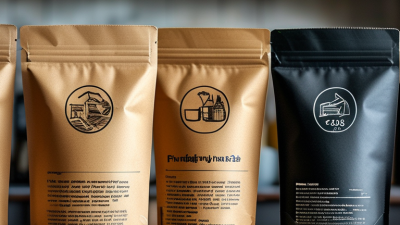
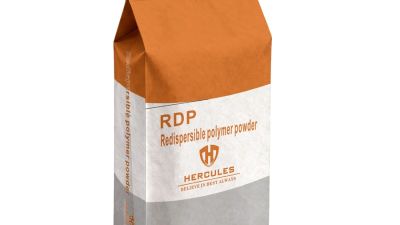
Custom printed paper-plastic composite bags offer a practical packaging solution for powders and granules across agricultural, food-processing, and industrial applications. Made with a strong kraft paper outer layer and durable PP woven fabric, these bags provide reliable support during filling, stacking, storage, and transportation. An optional PE inner liner can improve moisture resistance, helping protect materials such as flour, feed, starch, mineral powders, and other non-hazardous chemical products from humidity and contamination.
China-based manufacturers can provide customized bag sizes, filling weights, printing designs, and construction options to meet different supply-chain requirements. Common capacities range from 20kg to 40kg, offering a balance between handling efficiency and load stability. Buyers should confirm the material structure, seam strength, valve or open-mouth design, liner requirements, and production tolerances before placing an order. Clear specifications also help ensure compatibility with automatic filling equipment and warehouse stacking systems.
High-quality surface printing allows suppliers and purchasers to display product information, handling instructions, batch details, and customized graphics with good clarity. When sourcing from China, it is useful to request samples, review printing proofs, verify raw-material quality, and discuss packaging and delivery schedules in advance. This process helps match the composite bag design with the product’s density, moisture sensitivity, transportation conditions, and expected storage period.
FAQS
The method assigns 40% to quality, 30% to capacity, 20% to compliance, and 10% to service. Quality receives the highest weight because weak seals can fail during stacking or transport.
Check film thickness, tensile strength, seal width, odor, pinholes, and dimensional tolerance. Measure several points, not only the roll center. Small details matter.
Fill a sample and place it under realistic stacking pressure. Watch for sudden seam failure, stretching, or leakage during handling.
Buyers should verify monthly output, production lines, shift planning, and backup equipment. A large catalog means little when delivery dates keep changing.
Request material declarations, traceability records, factory audit evidence, and recent test reports. Check certificate scope, audit dates, batch numbers, and corrective-action records.
Use a calibrated micrometer across multiple points of the film. The contract should state a clear tolerance, such as plus or minus five percent.
Testing should examine strength, elongation, and film behavior in both directions. Test conditioning and measurement spacing can change the results.
Observe response speed, sample accuracy, artwork handling, and corrective action. Ask for three production samples. A rejected sample reveals a lot.
No certificate guarantees perfect performance in every shipment. Compare pre-production samples with reported measurements, because batches can vary. I once overlooked a narrow variation and later noticed weak sealing. That mistake was avoidable.
Keep written specifications, approved samples, test reports, and delivery records. A factory visit helps, but it cannot replace independent testing. Recheck performance before committing to a large order.
Conclusion
This guide presents a practical overview of Polyethylene Bags, including common PE grades, the typical density range of 0.91–0.97 g/cm³, and applications in packaging, logistics, retail, agriculture, and food-related industries. It introduces a structured evaluation of China’s leading suppliers based on product range, production capacity, export experience, and available 2024 business data, while avoiding brand promotion. The ranking model assigns 40% to quality, 30% to capacity, 20% to compliance, and 10% to customer service.
For buyers, the article explains how to verify quality through ISO 9001 systems, ASTM D882 testing, and film-thickness tolerance controls. It also provides a compliance checklist covering GB 4806.7, FDA 21 CFR, REACH, and food-contact testing requirements. Finally, it compares suppliers by MOQ, lead time, unit cost, Incoterms, communication, consistency, and delivery reliability, helping importers select suitable polyethylene bag partners through transparent and measurable criteria.