Leave Your Message
0%

You know, food bags are actually a pretty big deal in the food supply chain. They keep products safe, help with transport, and honestly, they can even make or break how customers view your brand. So when you're looking for a supplier in China, it's not just about who's got the lowest price – oh no, there's way more to it. You really need to dig into the details: what materials are they using? Is the sealing going to hold up? How consistent is the printing? Can they handle your order volume? And you absolutely must get samples to test – don't skip that step. Trust me, I've seen too many buyers regret rushing this process. Honestly, a bag can look flawless in the product shots, but once you get it under real production conditions, you might notice wrinkles at the seal or the print just doesn't come out even. Yeah, it's the small details that really matter.

Honestly, the opportunity here is pretty substantial. So, Grand View Research pegged the global food packaging market at around $456.3 billion back in 2023, and they're expecting it to keep growing through 2030. Now, that whole category covers a ton of different packaging types, so it's not a direct indicator of how much demand there is specifically for Food Bags. But still, it does tell you that this is a competitive and evolving market, which is worth paying attention to. You know, Ellen MacArthur, who really knows her stuff when it comes to circular economies, once said something that sticks with me: “We need to transform all the elements of the take-make-waste system.” That means everything from how we handle resources, to how we design and use products, and even what happens to the materials when we’re done with them. And honestly, her words hit home when you’re picking suppliers. Instead of just obsessing over how a product looks, you should be asking about their material choices, how they cut down on waste, and whether they protect the product properly. But here’s the kicker—you can’t just take their word for it. You’ve got to double-check their claims. So, to help you out, this guide gives you a rundown of some leading Chinese suppliers and lays out practical ways to compare them, so you don’t end up with a pretty facade and a hidden mess. Honestly, no supplier is going to be perfect for every single order you place. You'll always have to weigh the specs, run some tests, and talk things through—that's where the real trade-offs show up, before you even start production.
Who Are the Top Food Bag Suppliers in China?

How Food Bags Are Defined and Classified

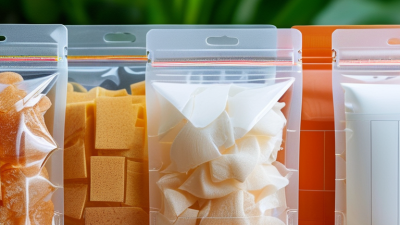
Food bags are flexible packages designed to contain, protect, or portion food. Common forms include flat bags, gusseted sacks, stand-up pouches, and resealable zipper bags. Shape matters: a gusseted bag can stand on a shelf, while a flat pouch fits tightly around dried noodles. Not just appearance.

Suppliers and buyers commonly classify bags by material, construction, and intended use. Materials include paper, plastic film, and combinations of layers. A single-layer film may suit dry snacks; laminated layers can add moisture, oxygen, or light barriers. Use categories include bags for frozen food, fresh produce, and heat-treated products. These labels can overlap. A bag’s actual performance depends on its full structure and the food inside.

The FAO’s 2019 State of Food and Agriculture report estimated that about 14% of food is lost between harvest and retail. Packaging cannot prevent every loss, but a suitable barrier can help protect food during storage and transport. When comparing Chinese suppliers, buyers should check material specifications, seal strength, and product-specific test results—not rely on “food-grade” as a complete description. It is a useful starting point, not the whole answer.

What Materials Are Used in Food Bag Manufacturing?

Food bags often combine several materials because one layer rarely protects food on its own. Polyethylene (PE) is commonly used inside the pack: it seals under heat and helps resist moisture. Polypropylene (PP) can provide a crisp feel and useful stiffness. The outer layer may use polyester (PET), which supports clear printing and adds strength. Small details matter.

For products sensitive to oxygen, odors, or light, manufacturers may add nylon or a thin aluminum barrier layer. These structures can help preserve flavor and texture, but they are not interchangeable. Coffee, snacks, frozen foods, and Pet Food Bags have different barrier and durability needs. A greasy product, for example, may require a different inner surface than dry biscuits. There is no perfect laminate.

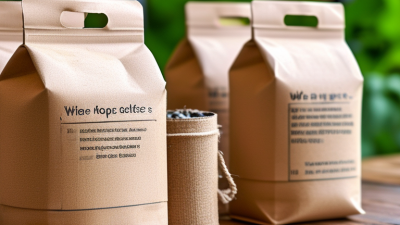
Paper can give a natural appearance, yet paper bags often need a protective lining to limit moisture or oil penetration. Combining paper with plastic or foil may improve performance, though it can make recycling more difficult. That trade-off is easy to overlook. Buyers should ask suppliers for the material structure, sealing performance, and food-contact documentation for the intended market. Then test samples with the actual product; a film that looks suitable may still tear, leak, or lose freshness in real storage.

Which Types of Food Bags Do Chinese Suppliers Produce?

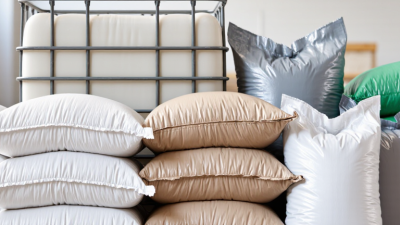
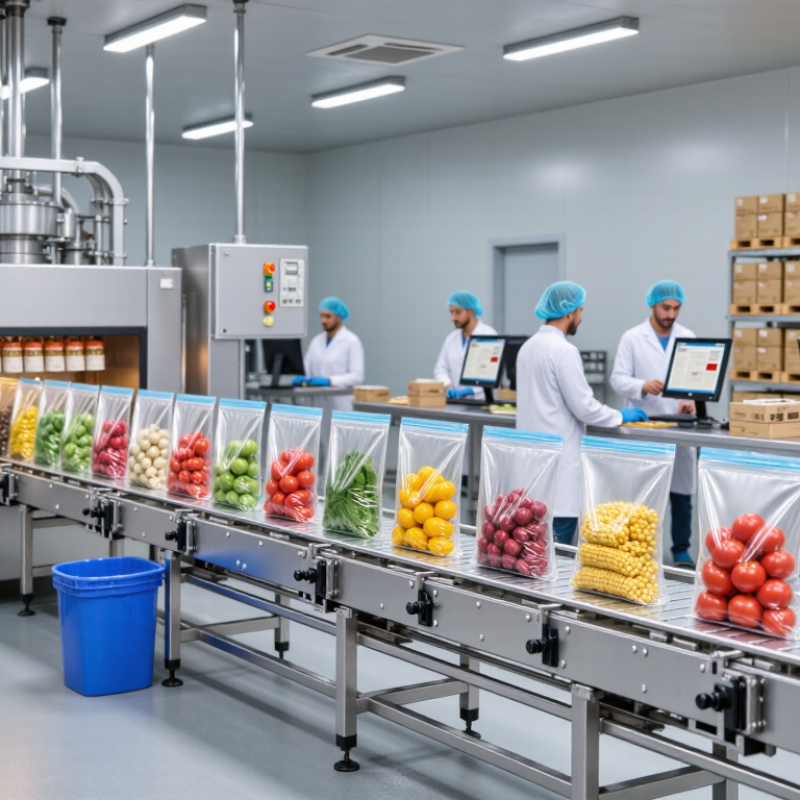
Chinese suppliers produce food bags in several practical formats. Common options include flat and gusseted pouches, stand-up zipper bags, vacuum pouches, and heat-sealable rollstock for automatic filling. Bakery bags may use clear windows, while frozen-food bags need seals that tolerate cold handling. For dry grains, tea, and snacks, suppliers often offer laminated films that resist moisture and help preserve aroma. Animal Food Bags are also available, with formats suited to dry kibble, treats, or larger-volume feed.

The right structure depends on the product, filling line, and storage conditions. A zipper helps with repeated opening, but it cannot replace a reliable seal. Not every bag fits. FAO’s Food Loss Index estimates that 13.2% of food was lost between harvest and retail in 2016; packaging is only one factor in preventing loss. UNEP’s Food Waste Index Report 2024 estimates 1.05 billion tonnes of food waste across households, food service, and retail in 2022. These figures do not prove that one bag type solves waste. I would not assume thicker film is automatically better; that shortcut is tempting, but incomplete. Ask suppliers for material structure, barrier data, seal-strength results, and samples tested on the intended filling line.

What Standards Apply to Food Bags in China?

In China, food bags are assessed as food-contact materials, not just by appearance or seal strength. GB 4806.1-2016 sets general safety requirements, while GB 4806.7-2023 covers plastic materials and products. The latter took effect on September 6, 2024, according to China’s National Health Commission. Check the applicable standard for the bag’s material and intended use. A bag for hot, oily food may need different testing from one used for dry grains.

Testing matters. Under GB 4806.7-2023, the overall migration limit is generally 10 mg/dm², with specific migration limits applying to certain substances. These figures come from the national food-safety standard, not a supplier’s marketing sheet.

Food Bags Plastic should also be checked for compliant raw materials, permitted additives under GB 9685-2016, and clear traceability records. Ask for test reports that match the exact structure, thickness, and food-use conditions you plan to buy. A report for a similar-looking sample is not enough. Small mismatch, real risk. I have seen buyers focus on print quality and miss the intended-use details; that is an easy point to overlook, and worth checking twice.

How to Evaluate Leading Food Bag Suppliers in China

Evaluating leading food bag suppliers in China starts with the product, not the sales brochure. Define the bag’s intended use, material, dimensions, seal type, and expected storage conditions. Packaging Food Bags for dry snacks may need different barrier properties from bags used for oily or moisture-sensitive foods. Ask suppliers to explain their material choices in plain terms. Details matter.

Request samples made on the production line, not only polished showroom samples. Check seal strength, print alignment, odor, and whether the bag stands or opens as intended. A simple test helps: fill several samples with the actual product, seal them, and observe them during storage. Results can vary between batches, so one sample is not proof.

Review food-contact test reports relevant to your destination market, along with material specifications and batch traceability records. Confirm who performs quality checks and how defects are handled. A factory visit or live video walkthrough can reveal whether equipment and work areas match the supplier’s claims. Ask about minimum order quantities, lead times, and change-control procedures in writing. Communication can be uneven; clarify technical terms before approving artwork or a production sample. One detail is easy to miss: request an updated sample whenever the material or structure changes.

Profiles of Notable Food Bag Suppliers in China

Who Are the Top Food Bag Suppliers in China?

Profiles of Notable Food Bag Suppliers in China

China’s food bag suppliers vary more by production focus than by size. Some specialize in printed stand-up pouches for snacks, with resealable zippers and clear product windows. Others make high-volume laminated bags for dry foods, prioritizing consistent sealing and roll-to-roll output. A third group focuses on paper-based bags for bakeries and takeaway foods. The China Packaging Federation reported about RMB 1.16 trillion in operating revenue for China’s packaging sector above designated size in 2023. That figure covers packaging broadly, not food bags alone, so it should not be read as a supplier ranking.

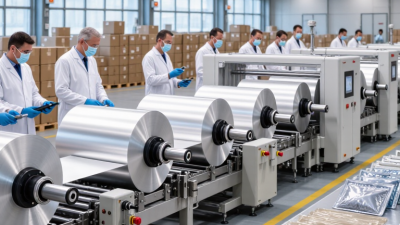
A useful supplier profile should describe materials, converting equipment, testing, and order scale. Ask whether the factory checks seal strength, print registration, and barrier performance on finished bags. Request recent test records and a sample made to the intended specification. Details matter. A bag that looks smooth may still leak at its bottom seal. Export-oriented manufacturers may offer more documentation, while smaller converters can sometimes handle shorter runs. Neither description guarantees quality. I would compare the same structure and dimensions across suppliers, then check how clearly each explains limitations. This step is easy to skip. That can be a mistake. Industry reports provide market context, but direct samples and verifiable production records give buyers stronger evidence about an individual supplier.

How Buyers Can Compare and Verify Suppliers

01   Compare Specifications
A supplier comparison should begin with the bag, not the sales pitch. Ask for a written specification covering material, thickness, dimensions, seal type, and production tolerances. For a stand-up pouch, check whether the zipper and gusset suit the product and packing line. Small differences matter. Compare quotes against the same specification; a lower price may reflect thinner film or fewer quality checks.

02   Test Production Samples
Request samples from the production range, not only a polished presentation sample. Handle them. Check seals, print alignment, odor, and opening force, then test them under realistic filling and storage conditions. Keep dated samples and record results, since memory is a poor quality-control tool. Ask how defects are recorded, who approves changes, and what happens when a batch fails inspection. Reliable answers should be specific, not merely reassuring.

03   Verify the Supplier
Verify the supplier’s business identity, factory address, production capability, and relevant test reports independently. A video tour helps, but it cannot replace a site audit or third-party inspection when order risk is high. Confirm that reports match the exact material and construction being quoted. I still find documentation easy to overlook when samples look convincing. It can cost later.

FAQS

What are food bags designed to do?

They contain, protect, or portion food. Their performance depends on the bag’s structure and the food inside.

What common food bag formats do suppliers offer?

Options include flat pouches, gusseted sacks, stand-up zipper bags, vacuum pouches, and heat-sealable rollstock. Not every format fits every filling line.

How do I choose a food bag material?

Paper, plastic film, and layered materials are common choices. Dry snacks may need less protection than oily or moisture-sensitive foods. Check the product conditions.

Do thicker bags always provide better protection?

No. Thickness alone does not show how well a bag blocks moisture, oxygen, or light. Ask for barrier data and test the actual structure.

What should I check when comparing suppliers?

Request material specifications, seal-strength results, relevant test reports, and samples. Test samples on your intended filling line. A brochure is not enough.

What affects the choice of a food bag?

Consider the food, filling process, storage temperature, and how often the package will be opened. A zipper helps with reuse, but cannot replace a sound seal.

Which Chinese standards may apply to food bags?

GB 4806.1-2016 sets general food-contact safety requirements. GB 4806.7-2023 covers plastic materials and products and took effect on September 6, 2024.

What testing documents should I request for plastic food bags?

Ask for reports matching the exact material structure, thickness, and intended food-use conditions. Check relevant migration limits and traceability records. Small mismatches matter.

Can packaging prevent food loss and waste?

Suitable packaging can help protect food during storage and transport, but it cannot prevent every loss. I might be tempted to credit the bag too much. That would be incomplete.

Conclusion

This article explains how Food Bags are defined and classified, from their intended use to their structure and packaging format. It reviews common manufacturing materials, such as paper, plastic films, and layered combinations, and describes the food bag types Chinese suppliers may produce for different products and storage needs. It also outlines the standards and quality considerations buyers should check, including material suitability, hygiene, product performance, and clear documentation.

Readers will learn how to assess leading suppliers by examining manufacturing capabilities, quality-control processes, customization options, production capacity, and communication. Profiles of notable suppliers provide a framework for understanding the range of businesses in the market without relying on brand names. The article concludes with practical steps for comparing and verifying potential partners, helping buyers request samples, review relevant records, confirm specifications, and make informed sourcing decisions.


Ethan

Ethan

Ethan is a dedicated marketing professional at Fuyao Packaging, where he plays a crucial role in promoting the company’s extensive range of industrial packaging products. With a deep understanding of the packaging industry, Ethan leverages his expertise to highlight the innovative solutions that......
Previous How to Choose Flat Bags for Global Sourcing in 2026?