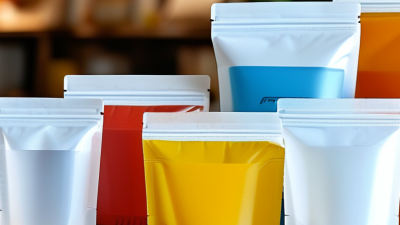
Buyers around the world are often overwhelmed by the packed Plastic Pouch market, since each type tends to solve a specific packaging challenge. For example, stand-up pouches have serious shelf appeal and are super easy to transport, while flat pouches cut down on material use and work great for lightweight stuff. Then there are spouted pouches, which make pouring controlled and simple, and retort or vacuum pouches that keep products fresh for longer shelf life — especially important for items that need to stay safe through extended storage. Honestly, choosing the right pouch really depends on what you’re packing—like how sensitive the product is, what kind of filling equipment you’ve got, how far it needs to go, and even how good the local recycling options are.
I remember Dr. Susan E. M. Selke, a well-known packaging expert, once said, “Good packaging protects the product, the user, and the environment.” That’s still so true today, especially when you're sourcing internationally. When evaluating pouches, you really want to look at things like how well they block oxygen and moisture, how strong the seals are, whether they resist punctures, the quality of printing, and if they’re safe for food contact. A pouch that works like a charm in a dry warehouse might not do so well after a long, humid ocean shipment — small details like these can make or break your packaging.
And honestly, no single format is a one-size-fits-all. Different markets have different needs.
This guide covers the main types of plastic pouches used by global buyers—think stand-up, flat, spouted, retort, vacuum, and mono-material options. We’ll also dig into how customizable they are, what the minimum order quantities look like, how long suppliers take to deliver, and how reliable their quality control is—checking out big names like Mondi, Amcor, and Berry Global. Oh, and don’t forget to be cautious with those sustainability claims. Labels like “recyclable” might sound great, but often depend on recycling systems that aren’t available everywhere, so it’s good to be upfront about that.
Now, sometimes you’ll need to balance how fancy a pouch looks with how complicated it is to produce. A slick, sophisticated pouch can really catch the eye, but all those extra layers might make it tougher to dispose of properly at the end. That’s why thorough testing, supplier audits, and clear, detailed specs are so essential. Honestly, the best choice isn’t always the trendiest one. The real winner is the pouch that protects your product, ships efficiently, and makes sense for the infrastructure in your target market.
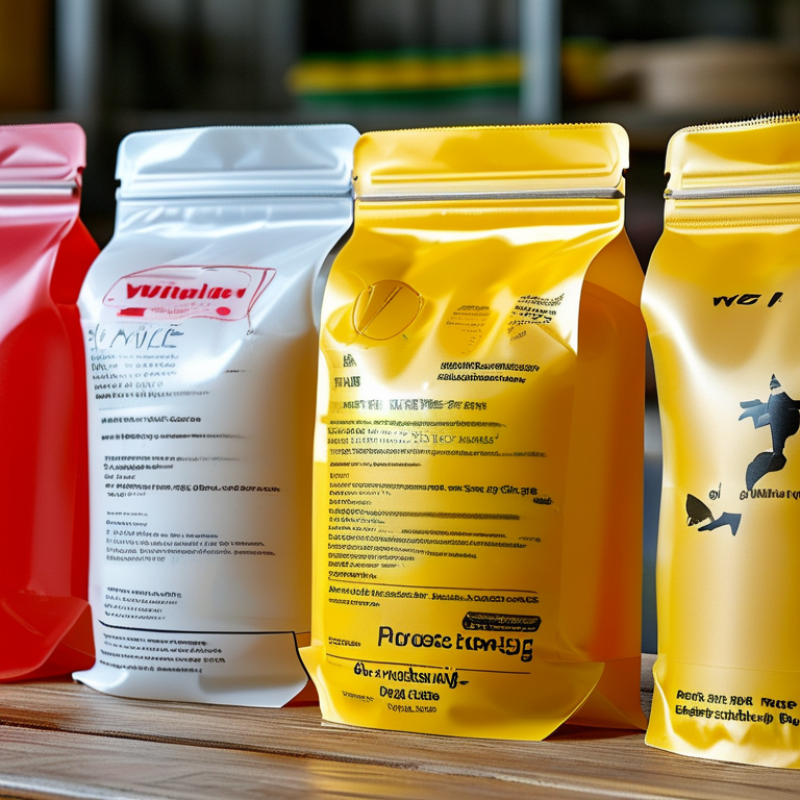
Plastic pouches are flexible containers made from one or more plastic film layers. These layers can provide strength, moisture resistance, oxygen protection, or product visibility. Common formats include flat pouches, stand-up pouches, spouted pouches, and vacuum pouches. Each format serves a different handling need. A stand-up pouch can sit on a retail shelf, while a spouted pouch supports controlled pouring. Flat pouches often save space during storage and transport.
Global buyers use plastic pouches because they are lightweight, compact, and adaptable. A filled pouch may require less warehouse space than a rigid container. Lower package weight can also reduce shipping volume and handling effort. Resealable closures help protect dry goods after opening. Strong barrier films can support products sensitive to air, light, or humidity. These benefits matter across food, household, personal care, and industrial applications.
Material selection requires practical testing, not assumptions. A thin film may reduce costs but fail during filling or transport. A strong seal may still be unsuitable for hot filling or freezing conditions. This is where mistakes happen. Buyers should review seal strength, puncture resistance, migration requirements, labeling rules, and recycling guidance for each destination market. Clear specifications and sample trials usually reveal problems earlier. A pouch can look simple. Its performance is not.
Stand-up pouches are among the most commonly available plastic pouch types for global buyers. Their bottom gusset lets the package stand on shelves, while a zipper supports repeated opening. They suit snacks, dried foods, pet products, detergents, and household goods. Buyers often choose multilayer films for moisture, oxygen, or light protection. The exact structure should match the product, not just the target price.
Flat pouches remain popular because they use little storage space and fit simple filling lines. Three-side-seal pouches are especially common for single-use portions and sample packs. They usually provide efficient material use and straightforward production. However, their limited volume can restrict product quantity. Small details matter, including seal width, corner strength, tear performance, and film thickness.
Spouted pouches are widely available for liquid and semi-liquid products. They offer convenient pouring and may reduce packaging weight compared with rigid containers. Retort pouches serve heat-processed foods, but they require carefully tested high-temperature materials and seals. Quad-seal and box pouches provide stronger shelf presence for heavier contents, although they can cost more. A pouch may look suitable during sampling, yet fail after transport. Buyers should request migration data, seal-strength results, drop tests, and production samples. Local recycling rules also deserve attention, since convenient multilayer structures can be difficult to recycle. This is where many purchasing plans need a second review.
Global buyers often compare stand-up pouches with flat pouches before selecting a Plastic Bag Pouch format. The choice depends on shelf visibility, filling speed, storage, and shipping costs. Stand-up pouches use a bottom gusset, so they remain upright on retail shelves. Flat pouches lie compactly and usually require less film material. They also stack efficiently in cartons.
Grand View Research valued the global stand-up pouch market at about USD 45 billion in 2023. Its report forecasts strong growth through 2030, supported by convenience packaging and flexible barrier films. Smithers also identifies pouches as a major growth area in flexible packaging.
Yet market growth does not make stand-up pouches suitable for every product. Their seals and gussets can increase material use and filling complexity. Flat pouches may reduce shipping volume, but they offer less display impact. A flat pouch can look almost invisible in a crowded aisle. That weakness matters.
Tips: Test both formats with real product weight, filling temperature, and stacking conditions. Ask for drop, seal-strength, and oxygen-barrier data. Do not judge only by appearance. A pouch that stands well may still wrinkle, leak, or waste carton space. My practical view is slightly cautious: suppliers often promote shelf presence, while buyers discover logistics costs later. Small pilot runs can expose those problems before large production. EVOH, metallized film, or high-barrier laminates may protect sensitive contents, but recycling decisions become more difficult. Industry reports offer direction, not a substitute for product-specific trials.
Plastic Pouch Bags are gaining attention because pouch construction now serves distinct buyer needs. Smithers’ The Future of Flexible Packaging to 2028 estimates the global flexible packaging market will continue expanding through 2028. The report links growth to lightweight materials, convenience, and improved barrier performance. However, pouch selection should follow the product, not fashion.
Spouted pouches suit sauces, beverages, detergents, and other pourable products. Their fitments control flow and reduce spills during use. A wide opening helps filling and cleaning, while a narrow spout supports measured dispensing. Zippered pouches add resealability for snacks, powders, pet food, and dry ingredients. Buyers should inspect zipper alignment, seal strength, and opening force. A good zipper feels secure, but not stubborn.
Vacuum pouches remove air before sealing, which helps reduce package volume and supports chilled or frozen food protection. Their performance depends on puncture resistance, oxygen transmission, sealing temperature, and film compatibility. The Flexible Packaging Association reported approximately 39 billion dollars in U.S. flexible packaging sales in 2023, showing the category’s commercial scale. Yet, more packaging does not automatically mean better protection. A thin pouch may save material but fail around sharp contents. I have seen specifications overlook this practical detail. Testing filled samples through transport, storage, and repeated opening is more reliable than judging appearance alone. Temperature, humidity, and filling speed can change results. Supplier claims still need verification.
Spouted pouches are commonly selected for controlled liquid dispensing, zippered pouches for repeated opening and closing, and vacuum pouches for air removal and compact storage. The chart shows typical design capabilities: 1 means the feature is commonly associated with that pouch type, while 0 means it is not an inherent feature.
Data basis: standard functional characteristics of these pouch formats; actual performance depends on film structure, closure design, seal quality, and product requirements.
Global buyers should match pouch materials with the product’s real sensitivities, not just its appearance. A Plastic Stand Up Pouch for dried snacks often uses polyethylene for flexible sealing and moisture protection. Polypropylene can tolerate higher filling temperatures and offers useful stiffness. However, neither material automatically protects delicate products from oxygen or strong aromas.
For coffee, roasted nuts, and powdered foods, buyers may need a stronger barrier structure. Polyester can add strength and print stability, while aluminum foil blocks light, oxygen, and moisture effectively. Foil-free designs may use EVOH or other barrier layers. These options can reduce metal content, but performance may decline after sharp creases or poor sealing. Testing matters more than a brochure claim.
Liquid detergents and sauces need reliable seals, puncture resistance, and chemical compatibility. A thicker polyethylene layer can help, while nylon may improve toughness during transport. For products with high oxygen sensitivity, check oxygen transmission rates under expected humidity. For moisture-sensitive goods, review water vapor transmission rates. Ask suppliers for migration data, seal-strength results, and trial samples. Small changes in filling temperature can create weak corners. I have seen attractive pouches fail because their zipper was strong, but the bottom seal was inconsistent. No structure is perfect. Product testing, shelf-life studies, and transportation simulations should guide the final choice.
For global buyers, selecting a Packaging Plastic Pouch begins with the product, not the catalog. Touch the sample. Then test it. A supplier should explain the film structure, thickness tolerance, seal strength, and barrier performance. Ask for oxygen transmission rate and water vapor transmission rate data. These values affect aroma, moisture, and shelf life. Independent laboratory results are more reliable than sales descriptions. OECD’s Global Plastics Outlook reports 353 million tonnes of plastic waste in 2019, with only 9% recycled. Therefore, request clear material compositions and evidence behind recycled-content claims.
Supplier capability deserves equal attention. Check batch traceability, printing registration, seal consistency, and corrective-action records. Request production samples, not only hand-made prototypes. A beautiful sample can mislead. Confirm minimum order quantity, lead time, export packing, and replacement terms in writing. For regulated food-contact applications, require current declarations and migration testing under the destination market’s rules. ISO and ASTM test methods can improve comparison, but only when every supplier uses the same method. I have found that buyers sometimes compare thickness while ignoring seal temperature. That mistake can create waste on a fast packing line.
Tips: Send one detailed specification sheet to three suppliers. Include pouch dimensions, filling weight, closure type, barrier targets, artwork, and delivery location. Test pouches after filling and transport simulation. Calculate total landed cost, not just unit price. UNEP’s 2023 report says plastic pollution could be reduced by 80% by 2040 through system changes. Suppliers should explain practical steps, not repeat broad sustainability slogans.
Comparison of commonly used plastic pouch structures and practical supplier-evaluation criteria for international purchasing.
| Pouch Type / Typical Structure | Common Applications | Typical Thickness Range | Barrier Performance | Key Advantages | Important Limitations | Recommended Buyer Checks |
|---|---|---|---|---|---|---|
| Mono-PE Pouch PE / PE |
Frozen food, fresh produce, household products, basic dry goods and refill packs. | Approximately 60–150 microns, depending on size, load and sealing requirements. | Good moisture barrier Low-to-moderate oxygen barrier Limited light barrier | Flexible, heat-sealable, lightweight and potentially suitable for polyethylene recycling streams where local infrastructure accepts the format. | Usually less suitable for products requiring high oxygen, aroma or light protection without additional barrier layers. | Confirm PE grade, seal initiation temperature, coefficient of friction, puncture strength and compatibility with the destination country’s recycling system. |
| PET/PE Laminated Pouch PET / PE |
Dry foods, powders, snacks, personal-care products and general retail packaging. | Approximately 70–150 microns. | Good moisture barrier Moderate oxygen barrier Good print protection | Good stiffness, attractive printing surface, dimensional stability and reliable heat-seal performance. | Multilayer construction can complicate recycling; not normally intended for high-temperature retort processing. | Request laminate-bond strength, ink and adhesive compliance documents, seal integrity results and migration test reports for the intended product. |
| BOPP/PE Pouch BOPP / PE |
Snacks, confectionery, bakery items, dry foods and promotional retail packs. | Approximately 50–120 microns. | Good moisture barrier Moderate oxygen barrier Good printability | High clarity or gloss options, good stiffness, strong graphics and efficient high-speed packaging performance. | Limited protection against oxygen and light compared with foil-based structures; seal performance depends strongly on the PE layer. | Verify haze, gloss, print rub resistance, seal contamination tolerance, drop-test results and roll or pouch dimensional consistency. |
| Metallized Film Pouch PETmet / PE or BOPPmet / PE |
Coffee, snacks, powdered foods, pet food, nutraceuticals and products sensitive to light or aroma loss. | Approximately 70–150 microns. | High light barrier Good oxygen barrier Very good moisture barrier | Improved protection from light, moisture and oxygen compared with clear film structures; usually lower material weight than foil laminates. | Metal layer may crack during severe flexing, reducing barrier performance; unsuitable where microwave transparency or metal detection is required. | Specify optical density, oxygen-transmission rate, water-vapor-transmission rate, flex-crack testing and barrier performance after forming. |
| Aluminum Foil Laminate Pouch PET / AL / PA / PE or similar |
High-value foods, coffee, pharmaceuticals, specialty powders and products requiring strong shelf-life protection. | Approximately 90–180 microns. | Excellent light barrier Very high oxygen barrier Very high moisture barrier | Excellent protection from light, oxygen, moisture and aroma transfer when correctly converted and sealed. | Higher cost and material complexity; foil can suffer from pinholes or cracking if poorly handled; generally not compatible with conventional plastic recycling. | Request pinhole testing, laminate-bond strength, flex durability, seal-strength data and documentation for food-contact or pharmaceutical use. |
| Retort Pouch PET / AL / PA / CPP or high-temperature PP |
Shelf-stable ready meals, sauces, seafood, meat products and other commercially sterilized foods. | Approximately 100–180 microns. | Very high barrier Thermal-processing capable Strong aroma protection | Enables lightweight shelf-stable packaging and can withstand validated retort processes when the complete structure is properly designed. | Requires specialized materials, sealing equipment and process validation; not every pouch supplier can control retort performance. | Confirm validated temperature/time conditions, seal strength after retort, delamination resistance, burst testing and food-process authority requirements. |
| Vacuum Pouch PA / PE or PA / EVOH / PE |
Fresh meat, seafood, cheese, processed foods and products packaged under vacuum or modified atmosphere. | Approximately 70–160 microns. | High puncture resistance Good oxygen barrier Good sealability | Good toughness, flexibility and resistance to puncture; suitable for vacuum packaging when film shrink and sealing parameters are controlled. | Clear PA/PE structures provide limited light protection; EVOH barrier can be affected by high humidity unless properly protected. | Evaluate puncture and tear resistance, vacuum retention, shrink behavior, oxygen transmission, seal-through-contamination performance and cold-temperature flexibility. |
| Stand-Up Zipper Pouch Multilayer film with zipper |
Dry foods, pet treats, coffee, detergent refills, personal-care products and household goods. | Approximately 90–180 microns, including the effect of zipper and gusset design. | Depends on the film structure; clear, metallized, foil and high-barrier options are available. | Good shelf presentation, large printable area, resealability and efficient use of shelf space. | More components and converting steps can increase cost; zipper and gusset areas require careful seal design and quality control. | Check stand-up stability, zipper opening force, zipper reclosure performance, corner sealing, drop resistance and filling-line compatibility. |
| Spouted Pouch Multilayer film with fitment |
Liquid foods, sauces, baby food, beverages, detergents, cosmetics and industrial fluids. | Approximately 100–220 microns, excluding the spout and cap. | Depends on the selected film; high-barrier, foil and retort-compatible structures are available. | Lightweight, convenient dispensing, reduced packaging volume and good suitability for controlled pouring. | Fitment sealing is technically demanding; leakage can occur if spout welding, cap torque or filling conditions are not controlled. | Verify fitment material, cap torque range, leak-test method, burst pressure, spout alignment, product compatibility and transport simulation results. |
| Three-Side-Seal Flat Pouch Film laminate with three seals |
Single-use portions, medical products, samples, powders, snacks and small consumer goods. | Approximately 50–150 microns. | Can range from basic moisture protection to high oxygen and light barrier, depending on the laminate. | Efficient material usage, compact shipping, easy filling and compatibility with tear notches or hang holes. | Limited shelf presence and no built-in resealability unless an additional closure is added. | Confirm seal width, seal strength, easy-open force, sachet dimensions, filling tolerance, powder leakage control and count accuracy. |
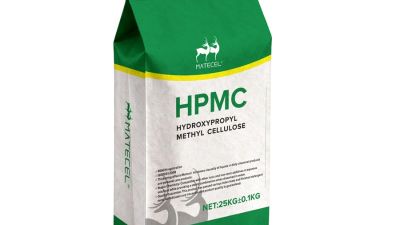
Custom paper-plastic composite bags provide a dependable packaging solution for flour, animal feed, starch, and a wide range of chemical materials. Designed for powder and granular products, these bags combine kraft paper with strong PP woven fabric to create a durable multi-layer structure. An optional PE inner liner can be added when improved moisture resistance and product protection are required. This construction helps reduce tearing, leakage, and handling damage during filling, storage, and transportation.
Available in practical capacities from 20kg to 40kg, the bags can be customized according to product characteristics, filling equipment, and logistics requirements. Their stable shape and high load-bearing strength support efficient palletizing and long-distance shipment, while the smooth outer surface allows clear, attractive printing for product information, handling instructions, and customized designs. Suitable for different industries, these composite bags help maintain packaging consistency and operational efficiency from the production line to the final point of delivery.
: Stand-up, flat, spouted, retort, quad-seal, and box pouches are widely available. Each format suits different products and filling conditions. The cheapest option may not perform best.
Choose stand-up pouches when shelf visibility matters. A bottom gusset keeps the pouch upright. A zipper supports repeated opening. They suit snacks, dried foods, detergents, and pet products. Still, gussets may increase material use and filling complexity.
Flat pouches save storage space and stack efficiently in cartons. They often use less film than stand-up formats. Three-side-seal versions suit samples and single-use portions. Their limited volume can restrict the product quantity.
Spouted pouches suit liquids and semi-liquid products. The spout supports controlled pouring. They may reduce shipping weight compared with rigid containers. Check closure strength carefully. Leaks are unpleasant.
Retort pouches require materials and seals tested for high temperatures. Testing should match the product, heating process, and filling conditions. A pouch may look strong but fail after heat processing. Request production samples, not only attractive prototypes.
Ask for film structure, thickness tolerance, seal strength, and barrier data. Request oxygen and water-vapor transmission results. Check batch traceability, print alignment, and corrective-action records. Confirm minimum order quantities, lead times, and replacement terms in writing.
Request seal-strength results, drop tests, migration data, and transport simulations. Fill the pouch with the real product and weight. Test stacking, temperature, and shipping conditions. A perfect sample can deceive. Pilot runs reveal problems earlier.
Calculate material, filling, transport, storage, testing, and possible replacement costs. Do not compare unit prices alone. A flat pouch may reduce shipping volume. A stand-up pouch may improve shelf visibility but waste carton space. The final calculation can surprise you.
Request clear material compositions and evidence for recycled-content claims. Check whether local recycling systems accept the pouch structure. Multilayer films may protect moisture-sensitive products but complicate recycling. Convenience has a trade-off. Plans deserve a second review.
Plastic Pouch packaging offers global buyers a flexible, lightweight, and cost-efficient solution for protecting and presenting products. Common options include stand-up pouches, flat pouches, spouted pouches, zippered pouches, and vacuum pouches. Stand-up designs provide strong shelf presence and convenient storage, while flat pouches are compact and economical. Spouts support controlled pouring, zippers enable repeated opening and closing, and vacuum pouches help reduce air exposure and extend product freshness.
Selecting the right pouch depends on the product’s physical properties, filling process, transportation needs, and expected shelf life. Buyers should compare materials such as polyethylene, polypropylene, polyester, foil, and multilayer films according to strength, sealability, moisture resistance, oxygen protection, light protection, and recycling goals. Supplier evaluation should also cover size accuracy, printing quality, barrier-test data, minimum order quantities, production capacity, quality control, compliance documentation, lead times, and communication. Clear specifications and sample testing help ensure the Plastic Pouch performs reliably throughout distribution and use.