As the demand for Pp Bags keeps growing, it’s pretty important for buyers around the world to really get a grasp on the market trends. I mean, Dr. Linda Chen, who’s pretty much an expert in eco-friendly packaging, mentioned that 'The future of Pp Bags is all about being more eco-conscious and flexible.' Her words point toward a shift towards greener and more sustainable practices.
Looking ahead to 2026, Pp Bags are set to be super important across different sectors. Their versatility makes them perfect for packaging, retail, and a bunch of other uses. But here’s the thing — not all Pp Bags are the same. Quality matters, and so do sustainability efforts. Buyers really should be looking for trustworthy suppliers who focus on both making a product that works well and being kind to the environment.
Digging into this industry a little more, you’ll see there are lots of opportunities — but also some hurdles. Manufacturers have to come up with new ideas while sticking to eco-friendly rules. And let’s be honest, in such a competitive market, building trust is key. The brands that prioritize better sourcing and greener production will help shape what’s next for Pp Bags. If you stay in the loop and make smart choices, you can do right by your business AND help out the planet too.
Overview of PP Bags and Their Global Market Significance
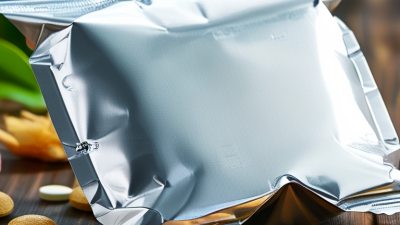
Polypropylene (PP) bags have gained immense popularity in recent years. Their lightweight, durable, and recyclable features contribute to their rising significance in the global market. According to a recent market analysis by Research and Markets, the global PP bag market is projected to reach approximately $10 billion by 2026. This growth highlights their practical and environmental benefits.
PP bags are increasingly favored in retail and packaging industries. Their versatility allows for various applications, from shopping to food packaging. Many consumers appreciate the reusability factor, making them a sustainable choice. Notably, in Europe, about 60% of consumers prefer eco-friendly packaging solutions. This demand propels the growth of PP bags even further. But, as production scales, there are concerns about the environmental impact of PP production, which calls for more sustainable practices in this sector.
Tips: When selecting PP bags, consider their thickness and durability. Thicker bags often indicate better quality. Additionally, check for recycling options to maximize environmental benefits. Always stay informed about new regulations in your region, as they may influence PP bag usage and production processes.
Criteria for Selecting High-Quality PP Bags
When selecting high-quality PP bags, several criteria should be considered. First, the material's quality is essential. High-density polypropylene is preferred for durability. This ensures the bags can withstand the rigors of use without tearing easily. A significant feature to look for is the thickness of the bag. Thicker bags often provide better protection for items, especially for Food Bags.
Secondly, the bags' sealability matters greatly. A good seal keeps the contents secure and fresh. This is particularly crucial for food bags, where freshness is vital. Examine how well the bags can be closed and if they offer added features like zippers or adhesive seals. It’s often tempting to choose cheaper options, but they may fail in critical areas.
Appearance can also affect user experience. While functionality is key, the design should not be overlooked. Transparent bags enable easy viewing of contents, making them ideal for food storage. However, users often face complaints about clarity or ease of handling. Reflecting on these details will help in choosing the right PP bags for various needs.
Top 10 PP Bags for Global Buyers in 2026 - Criteria for Selecting High-Quality PP Bags
| Bag Type |
Thickness (microns) |
Load Capacity (kg) |
Eco-Friendly Rating |
Customizable Options |
Average Price (USD) |
| Flat Bags |
50 |
10 |
Good |
Yes |
0.10 |
| Stand-Up Pouches |
75 |
5 |
Excellent |
Yes |
0.15 |
| Heavy-Duty Bags |
100 |
20 |
Fair |
No |
0.25 |
| Drawstring Bags |
60 |
8 |
Good |
Yes |
0.12 |
| Zipper Bags |
50 |
5 |
Good |
Yes |
0.08 |
| T-shirt Bags |
40 |
10 |
Fair |
No |
0.05 |
| Gusseted Bags |
80 |
15 |
Excellent |
Yes |
0.20 |
| Biodegradable Bags |
50 |
8 |
Excellent |
Yes |
0.18 |
| Printed Bags |
70 |
10 |
Good |
Yes |
0.14 |
| Mesh Bags |
30 |
5 |
Fair |
No |
0.04 |
Analysis of the Top 10 PP Bag Manufacturers Worldwide
The global PP bag market shows promising growth. Recent data suggests a compound annual growth rate (CAGR) of over 5% by 2026. This is driven by increasing demand across industries, including agriculture and retail. Major manufacturers are diversifying their product lines to meet sustainability goals. They are investing in alternative materials, responding to consumer preferences for eco-friendly solutions.
Looking closer at leading manufacturers, innovation plays a key role. Companies are developing biodegradable PP options. These advancements cater to regulations on plastic usage. Research indicates that manufacturers focusing on technology enhance product durability and functionality. Continuous improvement is needed to address the environmental impact of polypropylene. The industry faces challenges in balancing performance and eco-friendliness.
Tip: When selecting PP bags, consider both functionality and sustainability. Evaluate manufacturers' commitment to environmentally friendly practices. This focus is increasingly important for global buyers. Look for certifications that ensure high standards in production. Stay informed about market trends to make the best choices.
Innovative Features in Modern PP Bag Designs
The rapid evolution of polypropylene (PP) bags is ushering in numerous innovative features. These bags now often integrate sustainable materials, enhancing their eco-friendliness. Many designs utilize recycled PP, reducing waste in landfills. This shift not only addresses sustainability concerns but also meets consumer demand for greener options.
Moreover, advancements in technology improve the strength and durability of PP bags. Enhanced sealing techniques ensure that these bags resist tearing, even under heavy loads. Many contemporary designs also feature unique closures, making them more reusable. Some have built-in handles for convenience, making transportation easier. Such innovations have broadened the scope of PP bag applications.
Despite these advancements, challenges remain. While many manufacturers strive for sustainability, not all products meet high environmental standards. Consumer education on recognizing genuinely eco-friendly bags is crucial. Awareness and accountability in this industry will pave the way for even better products in the future. There is still much to improve, but the potential for PP bags is promising.
Top 10 PP Bags for Global Buyers in 2026 - Innovative Features in Modern PP Bag Designs
Sustainability Trends in PP Bag Production and Use
The global demand for polypropylene (PP) bags is evolving. Sustainability has become a central theme in bag production and usage. As more companies recognize their environmental impact, they are adopting eco-friendly practices. The shift towards recyclable materials is evident. Many manufacturers are exploring biodegradable options that reduce carbon footprints.
Flat Bags are gaining attention for their versatility and low production costs. They are lightweight, which contributes to reduced shipping emissions. Suppliers are sourcing materials that comply with sustainability standards. This effort aligns with consumer preferences for greener products. However, the challenge remains in achieving full recyclability. Many consumers are still unsure about how to dispose of these bags properly.
Despite progress, some manufacturers struggle to balance sustainability with cost. The integration of advanced technologies can enhance recycling processes. Yet, there's a gap in consumer education on properly recycling these materials. As the market grows, a transparent approach is essential for building trust. Continuous feedback from users can guide improved practices and innovations in the industry.
Market Trends Influencing Global PP Bag Demand in 2026
The demand for pp bags is set to surge in 2026, driven by several key market trends. Increasing awareness about sustainability pushes businesses toward eco-friendly packaging options. Consumers are now more inclined to choose packaging that is recyclable and less harmful to the environment. This shift is crucial for global buyers seeking to align with sustainable practices.
Moreover, the rise of e-commerce is reshaping the packaging landscape. As online shopping grows, so does the need for durable and protective packaging. Sealed Bags are particularly popular among retailers. They provide excellent protection for products during transit. The convenience they offer fits well with consumer preferences for user-friendly packaging.
However, not all manufacturers meet these evolving standards. Some fail to innovate, creating bags that do not meet current demands. This oversight raises concerns among buyers. They seek reliable options that guarantee quality and sustainability. Companies that adapt quickly to these trends will likely lead the market. But the challenge remains for many brands to fully commit to these practices and understand their long-term benefits.
Comparative Pricing and Availability of Leading PP Bag Brands
In 2026, the PP bag market will see significant changes. Pricing is a key factor for global buyers, influencing their choices. A recent industry report highlights that the average price for high-quality PP bags has increased by 15% compared to previous years. This rise can be attributed to fluctuating raw material costs, particularly polypropylene resin. Consequently, buyers must weigh the importance of quality against price to make informed decisions.
Availability also plays a crucial role in the purchasing process. A study found that 70% of buyers consider immediate availability when selecting PP bags. Many manufacturers face challenges in meeting demand due to supply chain disruptions. Buyers are encouraged to evaluate suppliers based on both pricing and delivery capabilities. Some suppliers may have competitive prices but struggle with product availability. Others may offer reliable stock but at a higher cost.
Sealing Bags continue to gain popularity due to their durability and versatility. However, the variety of options can complicate buyer decisions. Many buyers exhibit uncertainty in choosing the right type of sealing bag for their specific needs. In the end, balancing quality, availability, and cost requires careful consideration. Understanding these factors will help global buyers navigate the evolving landscape of PP bags in 2026.
Exploring the Market Trends and Projections in Custom Chemical Packaging: Demand for Heavy-Duty Solutions in Resins and Industrial Materials (2023)
The demand for custom chemical packaging solutions continues to rise as industries like resins and industrial materials experience significant growth. According to recent market analysis, the global chemical packaging market is projected to expand at a CAGR of 6.9% through 2023, driven by the increasing need for efficient and durable packaging suited for heavy-duty applications. This surge in demand underscores the importance of specialized solutions that can withstand the rigors of transporting and storing industrial materials such as PVC resin, PE/PP granules, and specialty chemical powders.
Custom Chemical Packaging Bags, designed specifically for these challenging applications, utilize heavy-duty woven polypropylene fabric ranging from 80 to 120 gsm. This robust construction not only provides superior strength but also ensures moisture protection and contamination control, essential for maintaining the integrity of sensitive materials. Designed to accommodate 20kg to 40kg loads, these bags are ideal for the storage, transportation, and export logistics of materials like calcium carbonate and titanium dioxide, which require reliable performance under various conditions.
As the industry evolves, the customization of chemical packaging solutions is becoming increasingly vital. The demand for tailored options that cater to specific material requirements—such as color masterbatch and specialty powders—further highlights the necessity for heavy-duty packaging that can meet the rigorous standards of modern industrial applications. The continued investment in advanced packaging technologies will likely yield significant benefits, providing enhanced durability and safety for both manufacturers and end-users.
FAQS
: Focus on material quality. High-density polypropylene is best for durability.
Thicker bags provide better protection for items, especially food products.
A good seal keeps contents secure and fresh. This is crucial for food storage.
Look for zippers or adhesive seals for added security in closing the bags.
Yes, design matters. Transparent bags allow easy viewing of contents, enhancing user experience.
Not necessarily. Cheaper bags may fail in critical areas like durability and sealability.
There is a growing demand for eco-friendly solutions and biodegradable options.
Check for certifications and evaluate their commitment to sustainable practices.
Absolutely. Advancements in technology improve product durability and functionality.
Balancing performance with eco-friendliness remains a significant challenge for manufacturers.
Conclusion
The article "Top 10 PP Bags for Global Buyers in 2026" provides a comprehensive overview of polypropylene (PP) bags and highlights their increasing significance in the global market. It outlines the essential criteria for selecting high-quality PP bags, ensuring that buyers can make informed choices based on factors such as durability, design, and sustainability. The analysis of the top manufacturers showcases the innovative features being integrated into modern PP bag designs, reflecting trends towards both functionality and aesthetic appeal.
Furthermore, the article explores emerging sustainability trends within the production and usage of PP bags, illustrating the industry's shift towards eco-friendliness in response to consumer demand. Key market trends influencing the global demand for PP bags in 2026 are discussed, alongside comparative pricing and availability of leading brands. Overall, this summary emphasizes the pivotal role PP bags will play in the market and the importance of choosing products that align with both quality standards and sustainability goals.