Leave Your Message
Engineered to integrate seamlessly with automated high-speed packaging lines in the US market, ensuring zero-downtime performance.
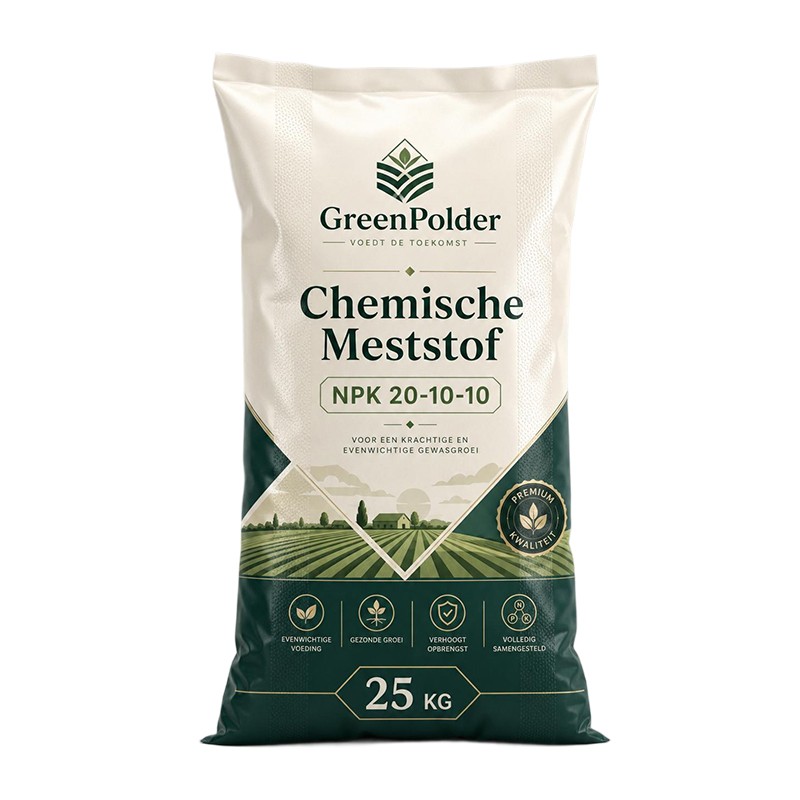
The industrial landscape in the United States is undergoing a rapid transition toward advanced automation. Faced with persistent labor shortages, rising operational overheads, and the continuous demand for increased throughput, American manufacturers, agricultural processors, and chemical companies are shifting away from manual bagging operations. At the center of this transition is the Form-Fill-Seal (FFS) technology, which relies on high-performance FFS tubular sacks to optimize packaging line efficiency.
From the agricultural heartlands of the Midwest to the sprawling petrochemical complexes along the Gulf Coast of Texas and Louisiana, FFS packaging lines have become the gold standard. Utilizing continuous tubular film rolls, these automated systems form, fill, and seal packaging containers in a single, unbroken sequence. This process drastically reduces dust generation, eliminates human error, and ensures highly consistent, hermetically sealed packages that protect valuable goods during long-distance domestic transit and international maritime export.
Fully automated FFS lines reduce manual handling, allowing US plants to maintain 24/7 output despite domestic labor constraints.
Co-extruded multi-layer PE structures protect contents from moisture, oxygen, and UV degradation during outdoor storage.
Optimizing bag sizing and thickness reduces plastic consumption, minimizing shipping weight and raw material expenses.
The United States packaging market is governed by strict regulatory frameworks and evolving consumer expectations. Today, modern industrial packaging must be both highly functional and environmentally compliant. Key trends shaping the demand for FFS tubular sacks include:
The diverse nature of US industries requires FFS tubular sacks that can perform under varying climatic and operational conditions. Here is how our products serve key American sectors:
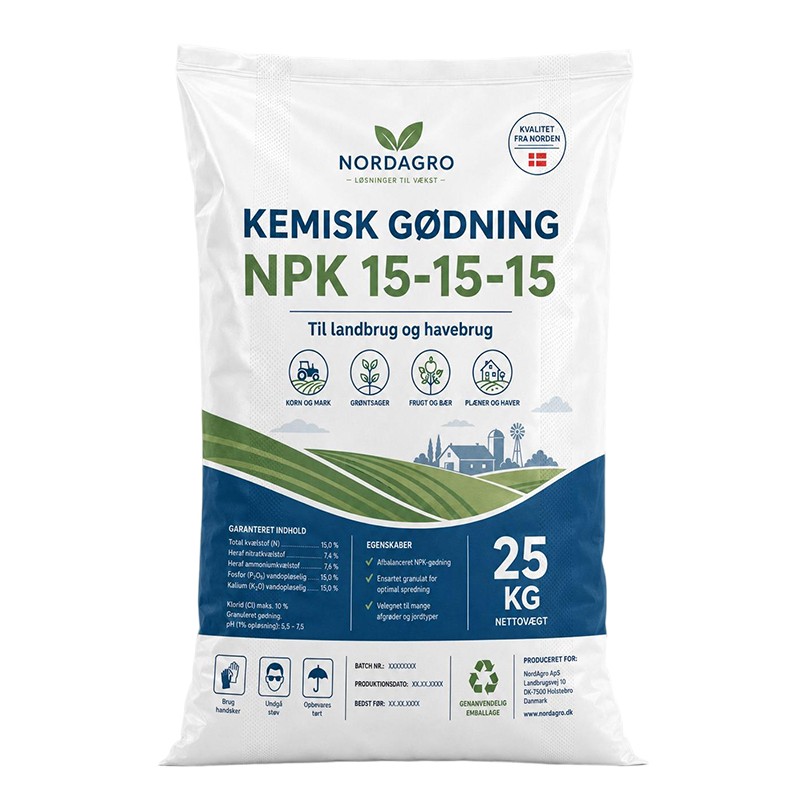
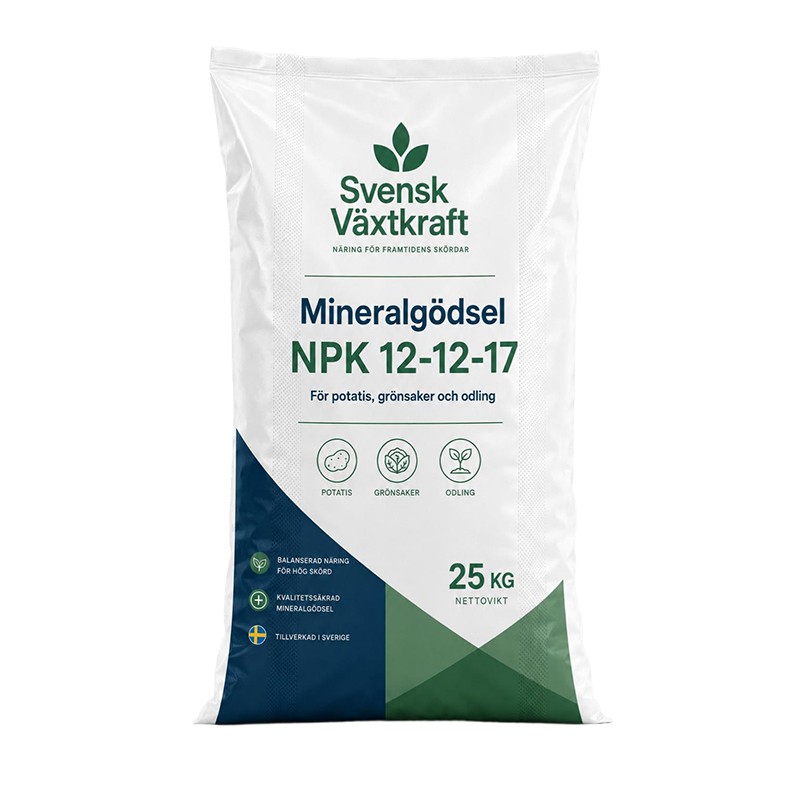
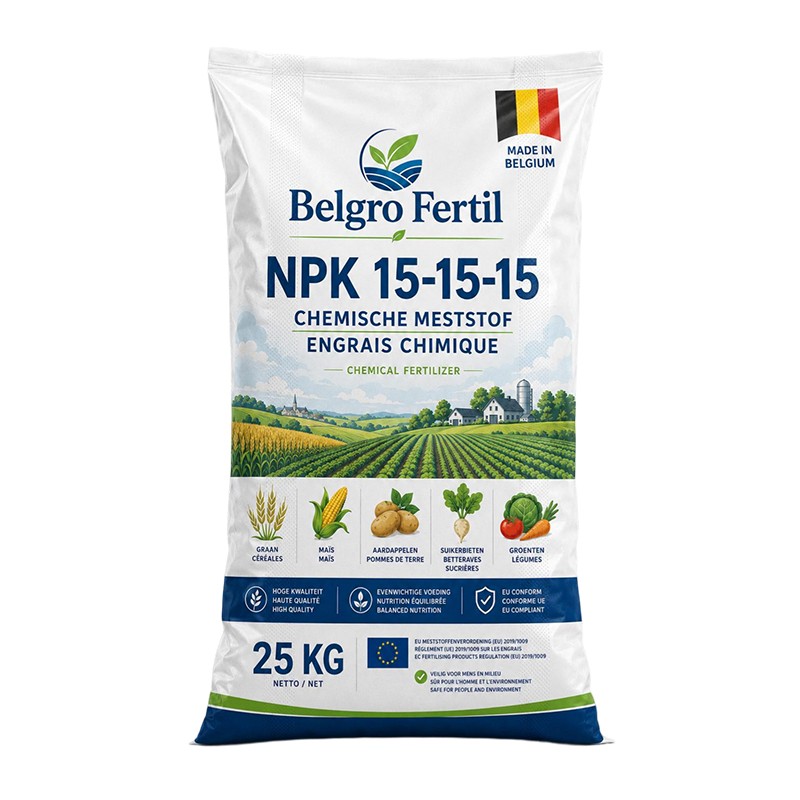
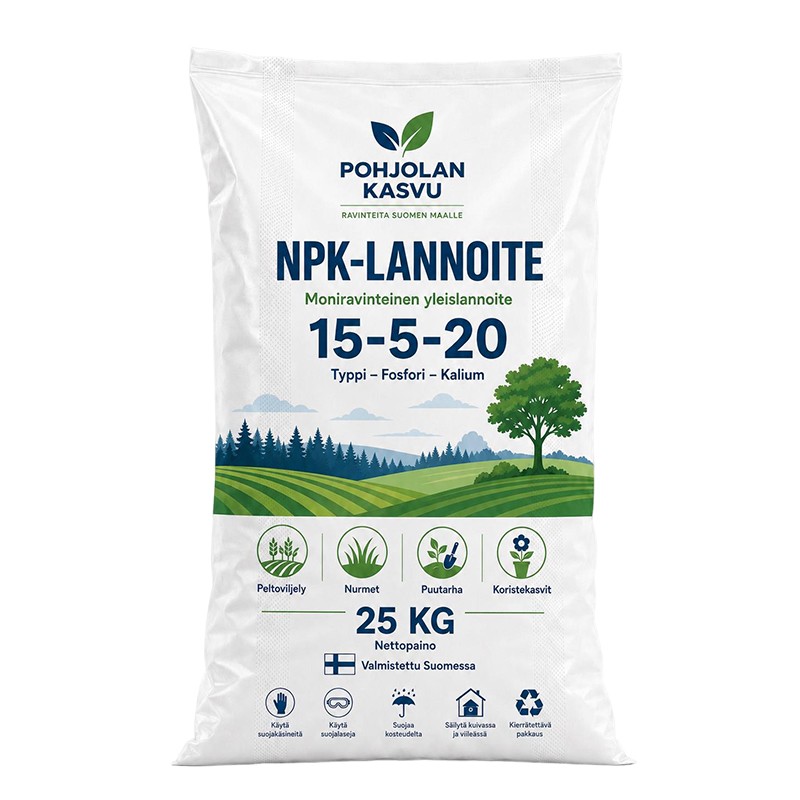
In states like Iowa, Illinois, and Nebraska, seasonal agricultural demands require rapid packaging of dry fertilizers (urea, NPK, potash) and bulk animal feed. Our moisture-resistant PE FFS sacks prevent dry granules from caking due to humidity, ensuring that the fertilizers remain free-flowing and ready for distribution when farmers need them most.
Texas and Louisiana host some of the world's largest petrochemical facilities. These plants package massive volumes of polymer pellets for domestic plastic molders and export markets. Our high-strength, anti-static FFS tubular sacks prevent dust explosions during high-speed gravity filling and offer excellent stackability on standard GMA pallets.
With infrastructure projects expanding nationwide, the demand for pre-mixed dry mortar, aggregate sand, and cement is at an all-time high. Our heavy-duty FFS sacks feature micro-perforation options that allow air venting during rapid filling while remaining completely water-resistant, allowing bags to be stored safely on outdoor construction sites.

Years Industry Experience
Floor Area (m²)
Registered Capital (RMB)
KM to Airport
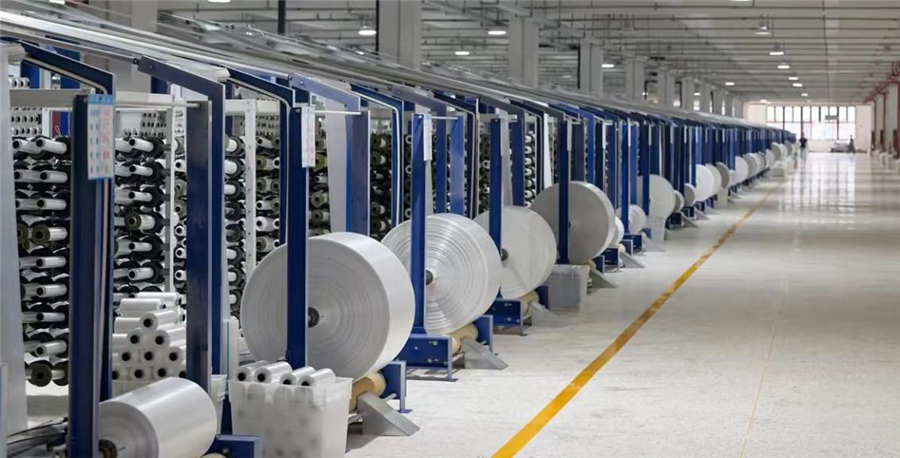
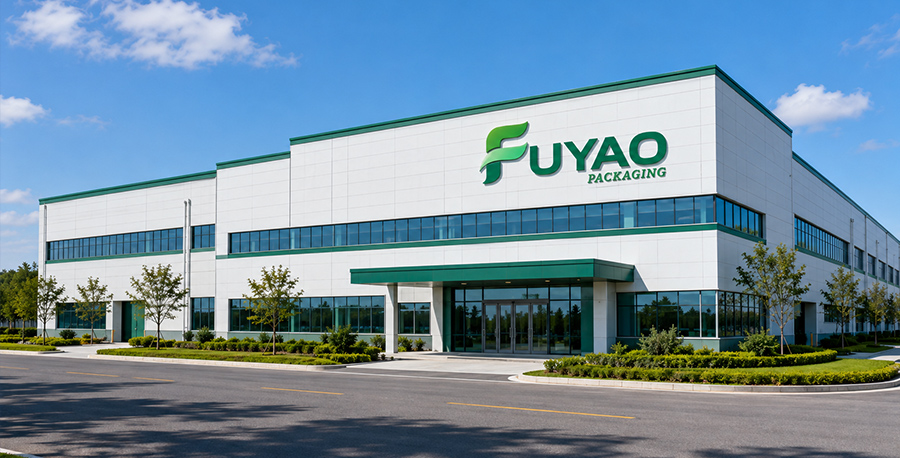
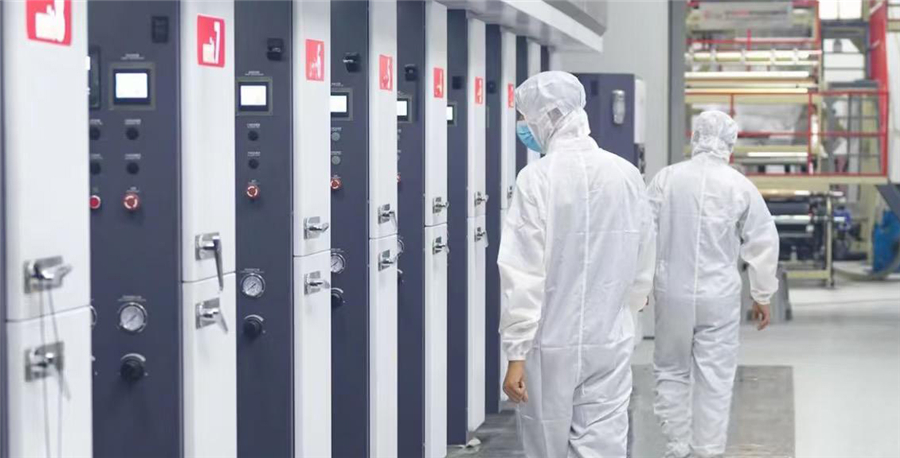
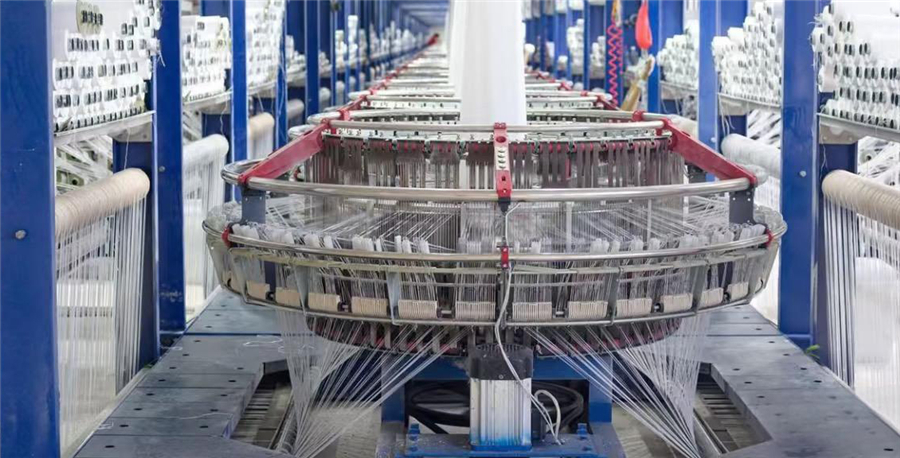
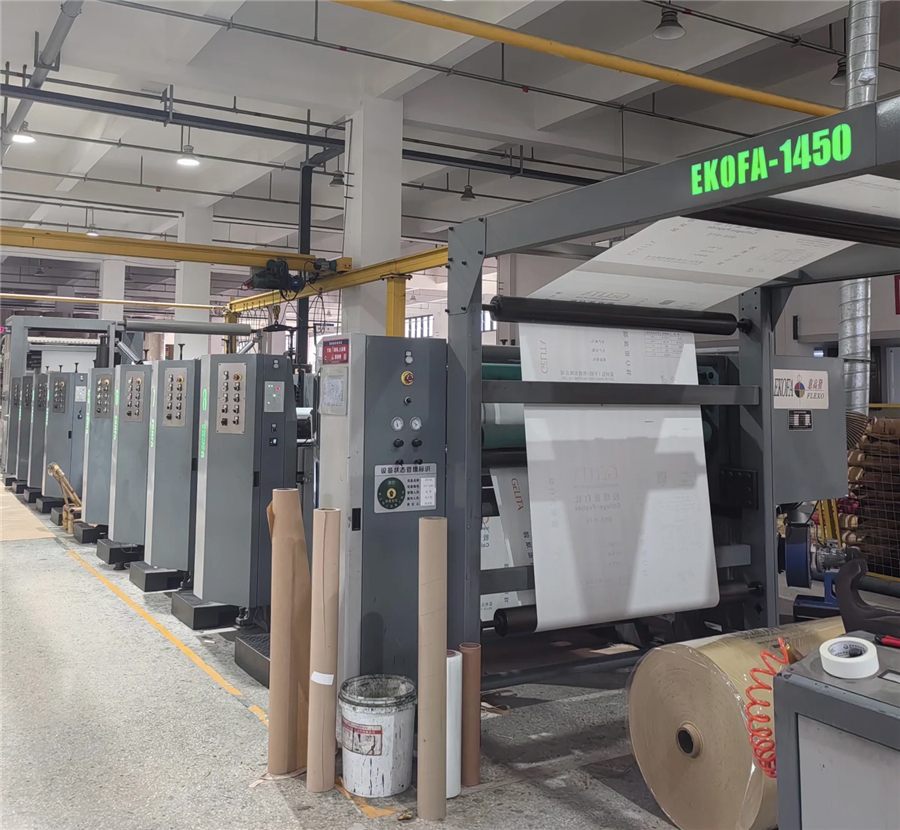
A glimpse into our modern production floors, testing laboratories, and dust-free packaging workshops.


Our main product range includes:


While CE certification is a regulatory requirement originating in the European Economic Area (EEA), it holds immense value for US buyers and importers. A CE mark indicates that the FFS tubular sacks conform to rigorous health, safety, and environmental protection standards. Here is why CE-certified FFS tubular sacks from Wenzhou Fuyao Packaging are preferred by top-tier US operators:
When requesting an FFS tubular sack pricelist, several key variables influence the final FOB/CIF quotation. Understanding these factors allows US procurement managers to optimize their packaging spend:
Browse our full range of heavy-duty PE bags, optimized for high-speed filling, moisture protection, and long-term durability.