Leave Your Message
The global chemical manufacturing sector is witnessing an unprecedented transition. Driven by stringent environmental regulations, carbon neutrality goals, and corporate sustainability mandates, industrial packaging is shifting away from traditional single-use plastics and non-recyclable metal drums. Today, the focus is heavily directed toward eco-friendly multi-layer Kraft paper-plastic composite packaging.
Chemical powders—ranging from industrial resins, pigments, and food additives to hazardous catalysts and agricultural chemicals—demand packaging that ensures absolute structural integrity and hermetic containment. The challenge has always been balancing this rigorous protective performance with ecological responsibility. Multi-layer Kraft paper-plastic composite bags offer the perfect symbiosis: the robust mechanical strength and biodegradability of high-grade Kraft paper integrated with the advanced barrier properties of ultra-thin, recyclable plastic inner films.

Years Industry Experience
Floor Area (m²)
Registered Capital (RMB)
KM Distance to the Airport
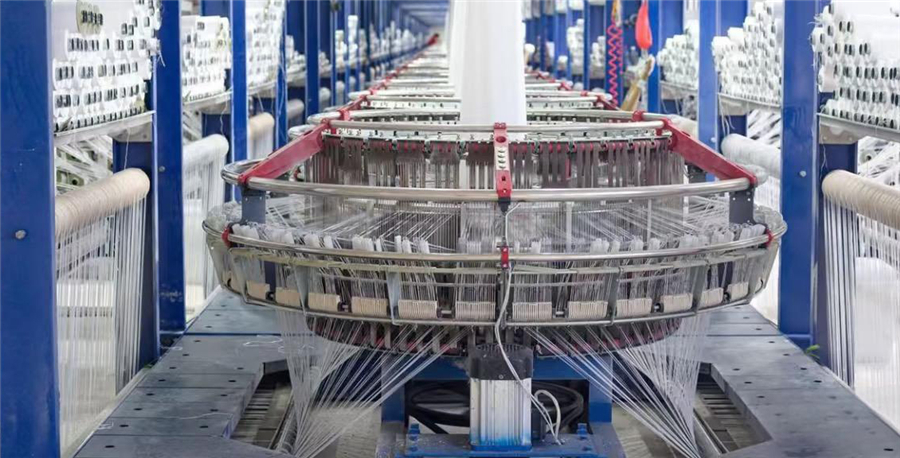
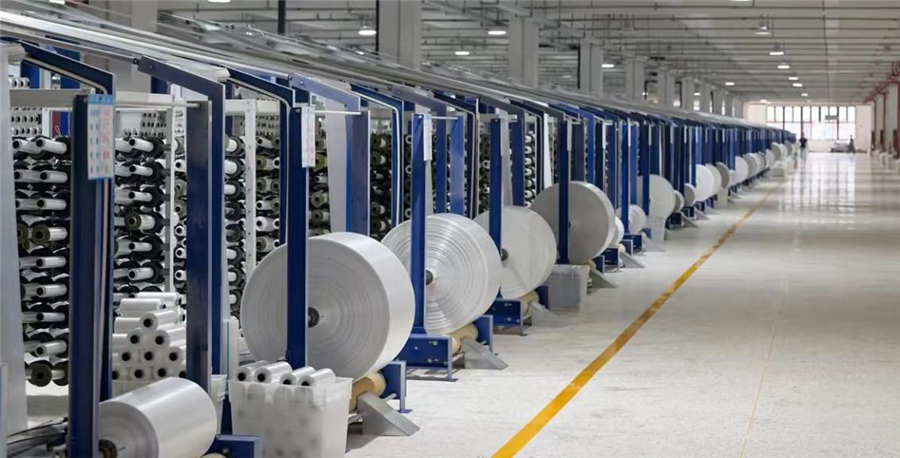
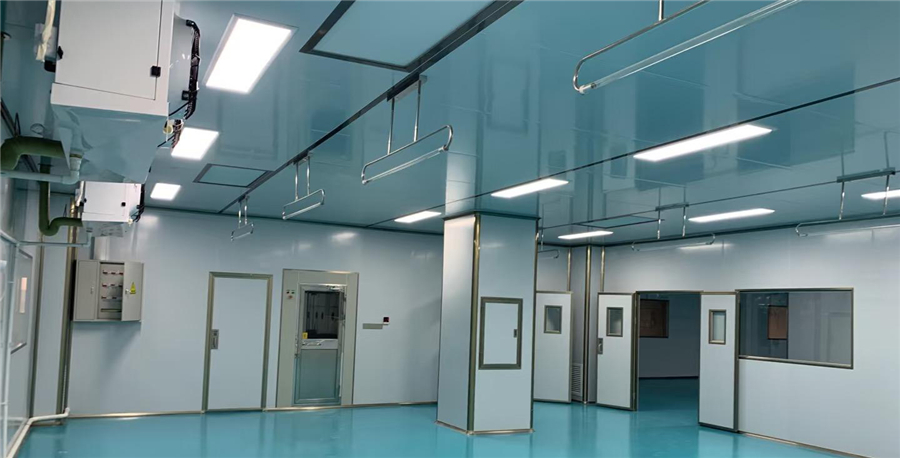
How does a paper bag contain highly reactive, hygroscopic, or volatile chemical powders safely? The answer lies in the engineering of multi-layer barrier technologies. These bags are not merely sheets of paper; they are highly engineered composite structures designed to perform under extreme physical and environmental stresses.
Typically made from high-tensile virgin Clupak extensible Kraft paper. This layer provides high puncture resistance, printability, and excellent stackability due to its high coefficient of friction.
Utilizes advanced polymers (like PE, PP, or PET) or aluminum foil laminates to block water vapor, oxygen, and UV light. This prevents clumping or degradation of reactive chemical powders.
Directly contacts the chemical powder. It features anti-static properties to prevent dust explosions and is optimized for heat-sealing, ensuring zero-leakage closure after filling.
Depending on the bulk density and chemical profile of the powder, packaging must be tailored. For hygroscopic materials like polymer resins or dry food additives, a moisture-barrier film layer is laminated between the Kraft plies. For fine chemical powders that generate static charge during rapid filling, anti-static liners are integrated to guarantee operational safety. Additionally, micro-perforations are engineered into the plastic layers to allow air to escape during fast filling, while remaining completely impervious to the chemical powder itself.


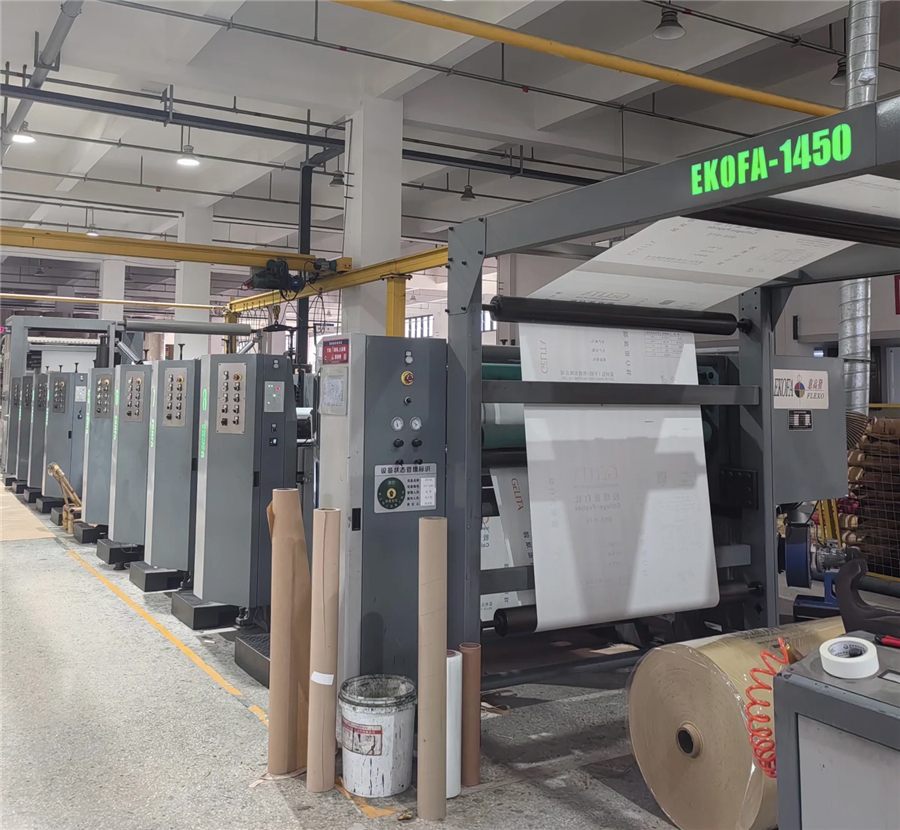
Multi-layer Kraft paper-plastic packaging is not a one-size-fits-all solution; it is highly adaptable across various demanding industrial and commercial sectors. Below are the primary application scenarios where this packaging technology plays a critical role in supply chain efficiency:
Resins, catalysts, and specialty chemical additives are highly sensitive to external conditions. Any exposure to moisture can render these expensive compounds useless. The multi-layer composite structure provides an absolute barrier, ensuring the raw materials arrive at manufacturing plants in pristine condition. The high mechanical strength prevents punctures during forklift handling and long-distance maritime transport.
Dry-mix mortars, tile adhesives, and cementitious powders require heavy-duty packaging that can withstand rough handling on construction sites. The combination of multi-layer Kraft paper and high-density PE film provides the necessary drop-resistance and moisture barrier to prevent premature hydration of the cementitious materials.
Fertilizers, soil conditioners, and animal feed additives require packaging that prevents moisture ingress while keeping the active ingredients stable. The breathable yet moisture-resistant properties of paper-plastic composites ensure that organic compounds remain dry and do not degrade, preventing mold growth and maintaining chemical efficacy.
For powders destined for the food and beverage industry (such as starch, flour, and protein powders), hygiene is paramount. Standardized manufacturing processes ensure that the packaging materials are free from contaminants. The inner liners are food-grade certified, preventing any chemical migration from the packaging into the food product.
As the world marches toward a circular economy, the industrial packaging sector is undergoing rapid technological innovations. The future of chemical powder packaging lies in the harmonization of safety, sustainability, and intelligent tracking.
One of the most significant breakthroughs is the replacement of conventional petroleum-based plastic liners with bio-based, biodegradable polymers (such as PLA or PHA). When combined with FSC-certified Kraft paper, the entire composite bag can become industrially compostable, eliminating the difficult process of separating plastic from paper during recycling.
To facilitate easier recycling, research is focused on developing mono-material composites. By engineering multi-layer structures using polymers from the same chemical family (e.g., all-polyethylene structures), the packaging can be melted down and recycled without the need for material separation, streamlining the waste management cycle.
In high-value chemical logistics, tracking environmental conditions is crucial. Modern composite packaging is increasingly integrating RFID tags and temperature/moisture sensors. This allows logistics managers to monitor the cargo's condition in real-time, ensuring that sensitive chemical powders are not exposed to adverse conditions during transport.
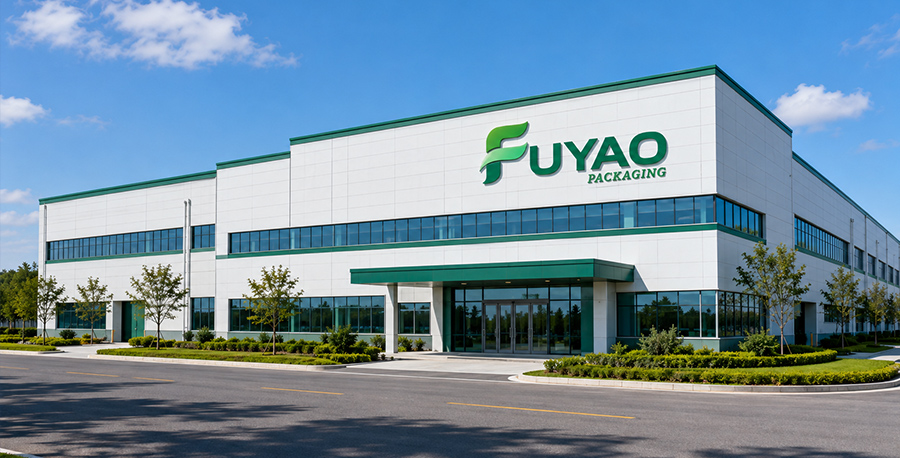
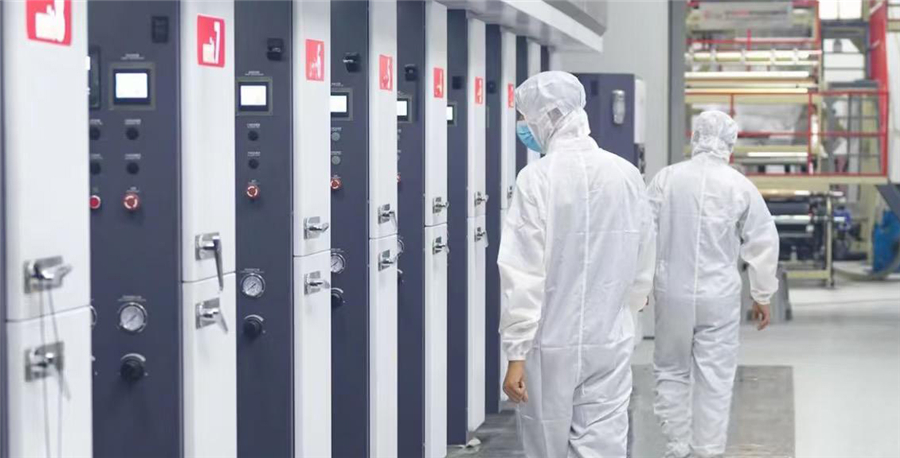
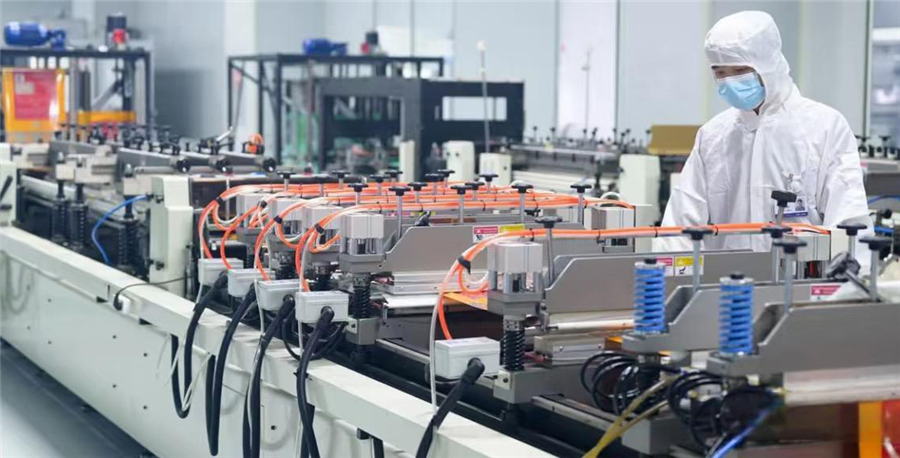
At Wenzhou Fuyao Packaging Co., Ltd., we are actively integrating AI-driven quality control and automated production lines. This ensures precision in layer lamination, seam sealing, and valve creation. The result is a highly consistent product that meets the stringent tolerances required by automated high-speed filling lines globally.
Explore our full range of custom-engineered, multi-layer Kraft paper-plastic composite bags designed for heavy-duty industrial application, safe bulk storage, and reliable transport.