Leave Your Message
Engineered for seamless integration with high-speed packaging lines, providing unmatched barrier protection and structural integrity.
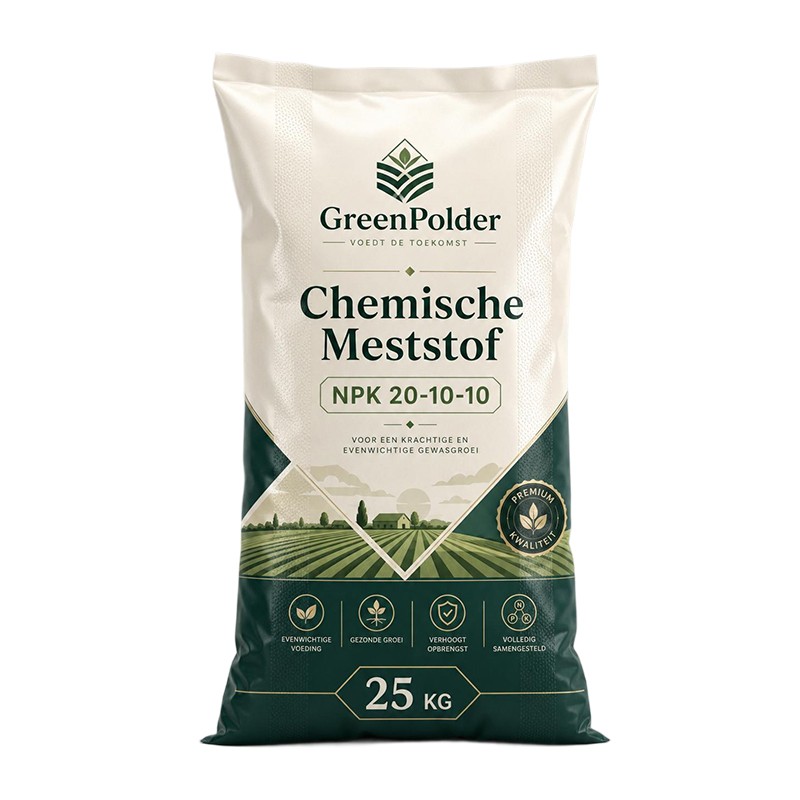
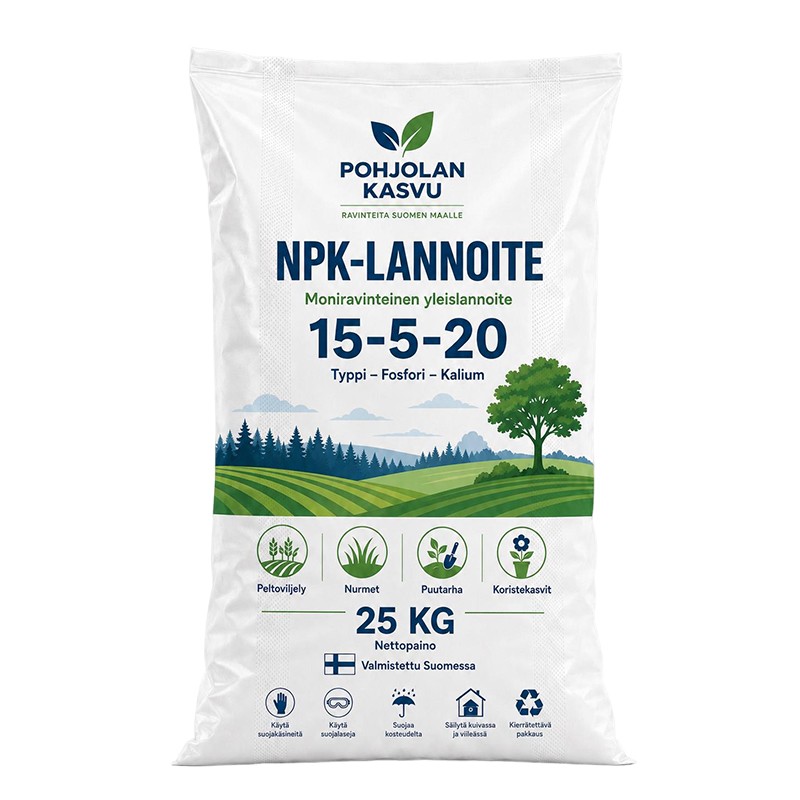
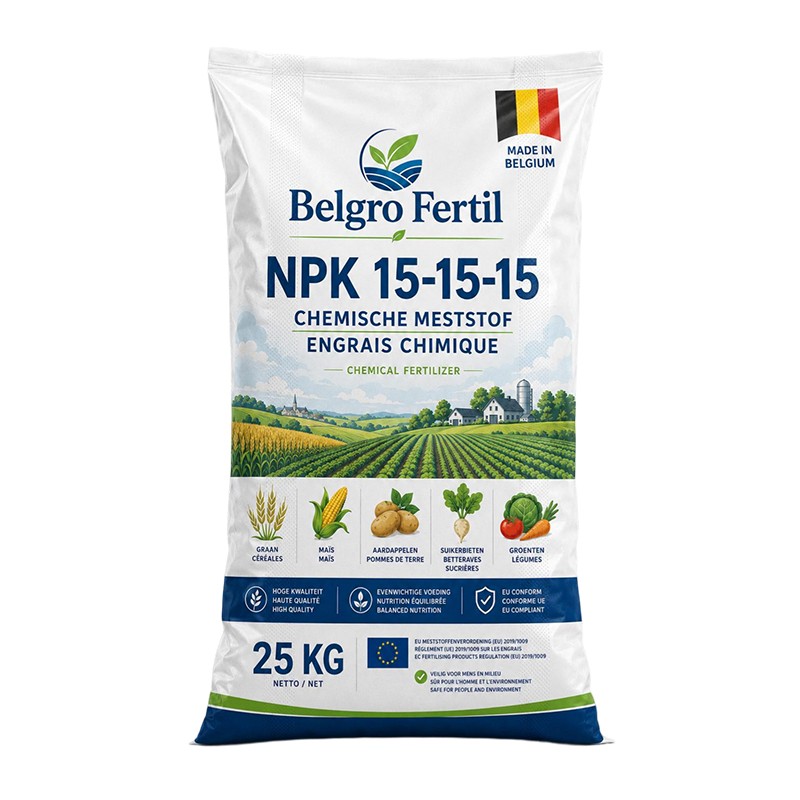
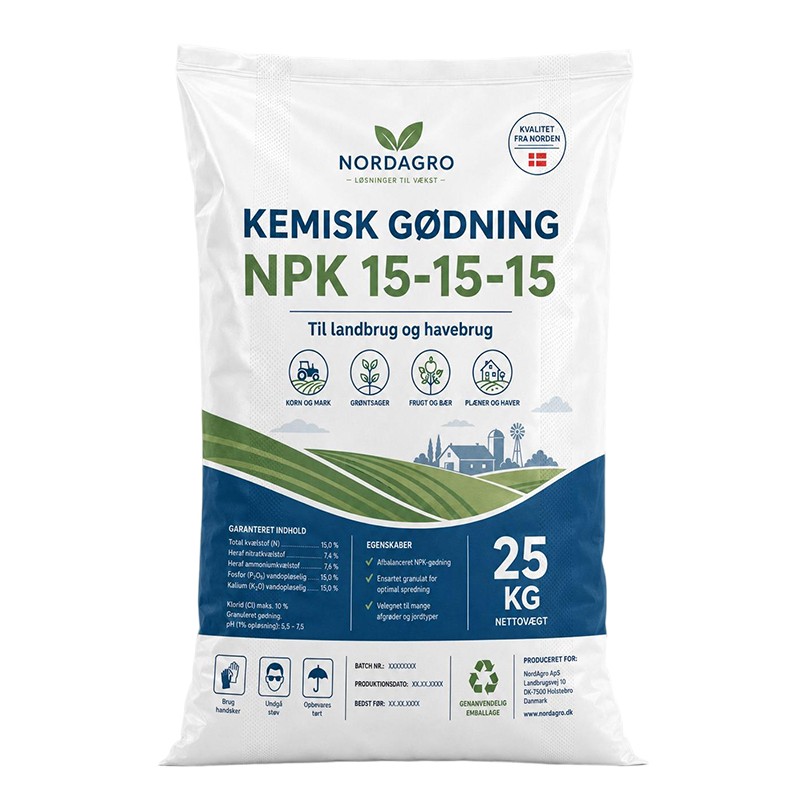
In the contemporary global manufacturing landscape, heavy-duty industrial packaging is undergoing a profound transformation. Historically, industrial sectors like chemical processing, polymer manufacturing, agricultural fertilizers, and construction materials relied heavily on single-layer plastic bags or standard woven sacks. While functional, these conventional options frequently fell short in terms of high-speed automation compatibility, product preservation, and environmental stewardship. Today, the industrial standard has migrated toward the sophisticated combination of the FFS (Form-Fill-Seal) Tubular Sack and Eco-friendly Multi-layer Kraft Paper-plastic Composite Packaging.
This hybrid packaging technology integrates the automated efficiency of Form-Fill-Seal machinery with the high-performance material characteristics of multi-layer kraft paper-plastic composites. By combining these two distinct technologies, global enterprises can simultaneously achieve peak operational throughput, significant reduction in product spoilage, and alignment with strict global environmental regulations such as the European Union's packaging waste directives and global carbon reduction initiatives.
Integrating high-strength biodegradable kraft paper with thin, high-barrier recyclable polymers to minimize environmental impact.
Transitioning from pre-made bags to continuous tubular roll feeding, reducing manual labor and driving packaging speeds up to 2000 bags/hour.
Custom-engineered layers to prevent moisture ingress, oxygen degradation, and puncture failures during global transit.
From a commercial perspective, the adoption of FFS tubular sacks is highly correlated with the rise of industrial automation. Modern packing plants operate on extremely tight margins and require continuous, high-volume production. Traditional manual or semi-automated bagging lines introduce significant variables, including labor overhead, packaging inconsistencies, and material waste. The FFS tubular system addresses these bottlenecks by utilizing a continuous roll of tubular film. The FFS machine automatically forms the bag, fills it with precise weight accuracy, and hermetically seals it in a single, uninterrupted cycle.
Furthermore, the shift towards eco-friendly multi-layer kraft paper-plastic composites is driven by both consumer demand and legislative mandates. Global consumer-facing brands and industrial suppliers alike are being held accountable for their scope 3 emissions. Using pure plastic packaging is increasingly penalized through plastic taxes and negative public perception. Conversely, a multi-layer kraft composite bag utilizes renewable wood fibers as its primary structural component, drastically reducing the overall petroleum-based plastic content while maintaining, or even exceeding, the protective properties of standard plastic sacks.
"The integration of FFS tubular machinery with multi-layer kraft composite material represents a major milestone in industrial engineering. It bridges the gap between high-speed mechanical efficiency and ecological responsibility."
To understand the performance of these composite packaging systems, one must examine the material science behind the multi-layer structure. An eco-friendly multi-layer kraft paper-plastic composite is typically comprised of three to five functional layers, each engineered to perform a specific task:
1. The Outer Kraft Paper Layer: This layer serves as the primary structural skeleton and the branding canvas. Made from long-fiber unbleached kraft pulp, it provides exceptional tensile strength, puncture resistance, and stiffness. Its natural organic texture communicates sustainability directly to end-users. Furthermore, it supports high-resolution, eco-friendly water-based ink printing.
2. The Middle Tie & Barrier Layers: These layers consist of specialized polymers or bio-resins designed to bind the paper and plastic layers together while acting as a barrier. For highly sensitive materials, such as hygroscopic fertilizers or volatile chemicals, this layer may include EVOH (Ethylene Vinyl Alcohol) or ultra-thin aluminum coatings to block oxygen, UV rays, and moisture vapor transmission.
3. The Inner Plastic Layer: Usually composed of linear low-density polyethylene (LLDPE) or metallocene PE, this layer provides the essential heat-sealing properties required by FFS machines. It ensures that when the tubular bag is sealed at the top and bottom, the seal remains hermetic and capable of withstanding the immense drop pressures encountered during palletization and transport.
The versatility of FFS tubular composite sacks allows them to be deployed across a wide range of demanding industrial applications:
Looking ahead, the development of FFS tubular sacks for multi-layer composite packaging is focused on circular economy compatibility. The primary challenge of composite packaging has historically been the difficulty in separating the paper and plastic layers for recycling. To address this, material scientists are developing advanced bio-polymeric coatings and water-soluble tie layers that easily dissolve during the standard paper repulping process, allowing the paper fibers to be fully recovered while the plastic residue is cleanly separated. Additionally, the integration of smart indicators (such as RFID tags and QR codes) directly onto the kraft paper layer allows for real-time tracking, quality control, and supply chain transparency, bringing industrial packaging firmly into the era of Industry 4.0.
Jinan Jiufen Import & Export Co., Ltd. operates as our dedicated international trade partner, working in close coordination with Fuyao Packaging.
While Fuyao focuses on production and manufacturing, Jiufen is responsible for all overseas business operations, including:
This integrated structure allows us to provide a complete supply chain solution, combining factory-level production control with professional export services, ensuring smooth and efficient transactions for global clients.





Connecting with partners worldwide and showcasing our latest innovations in sustainable packaging.
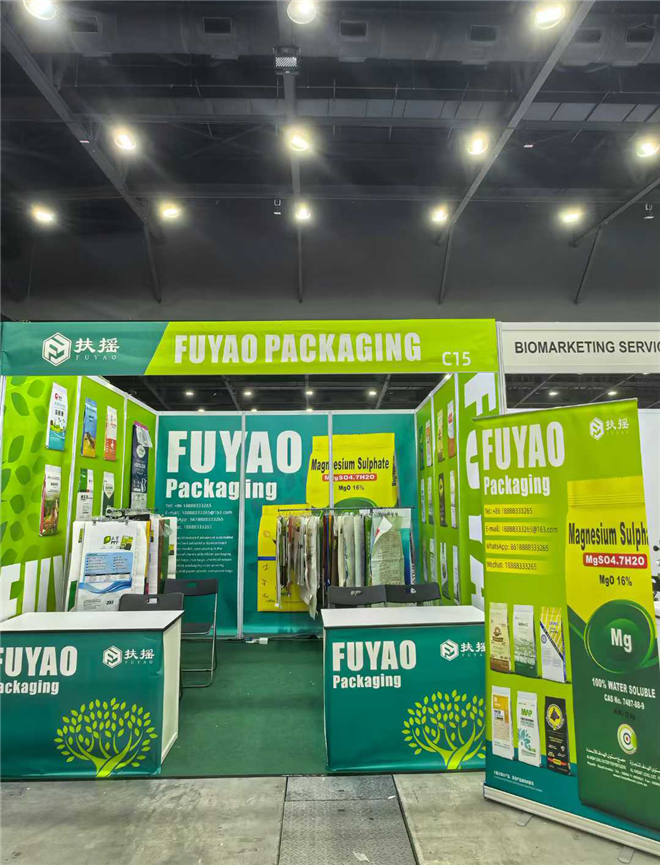
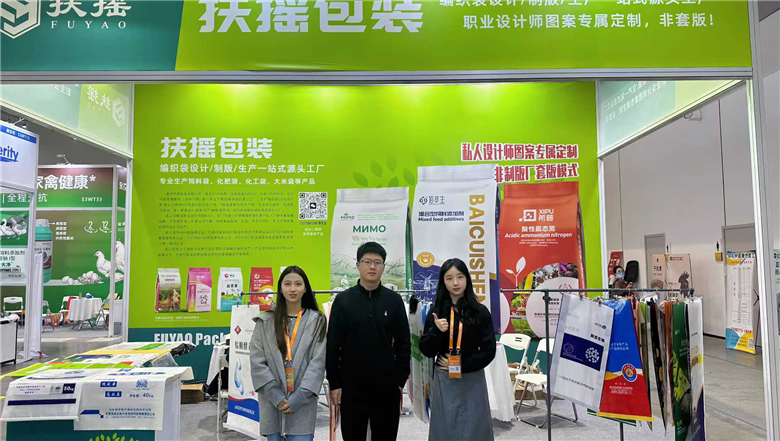
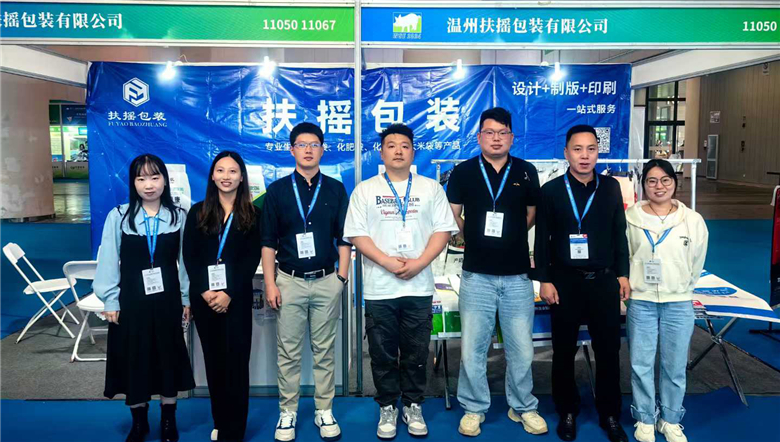
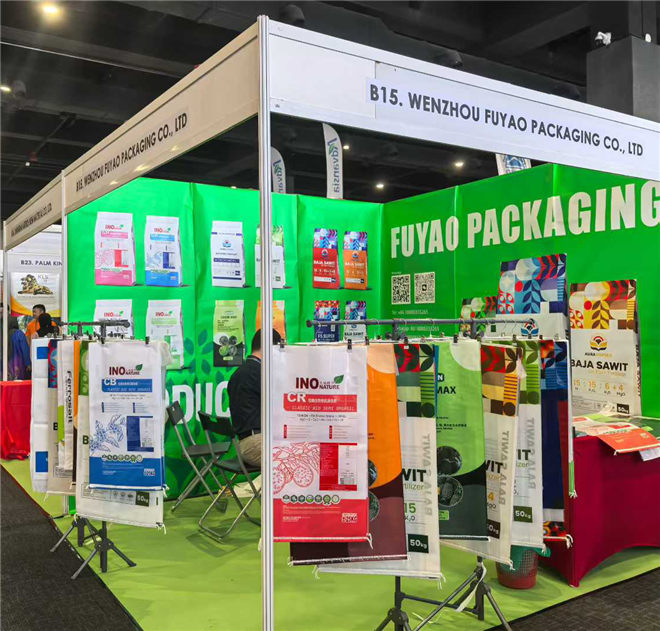
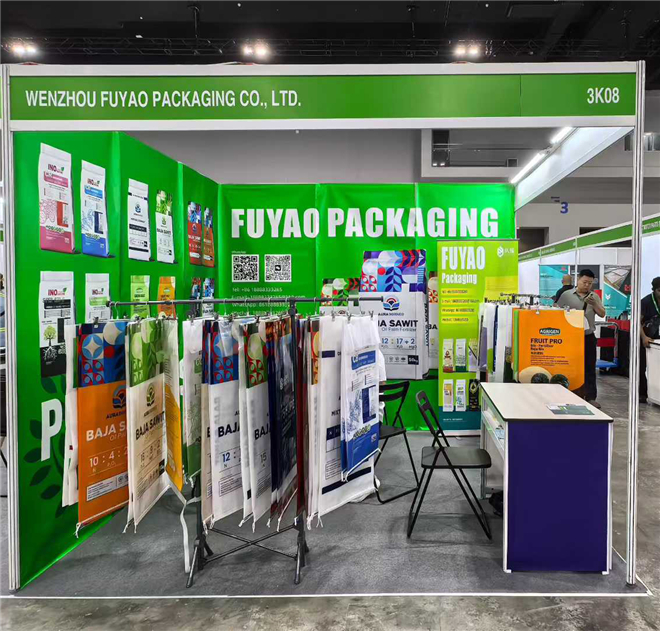
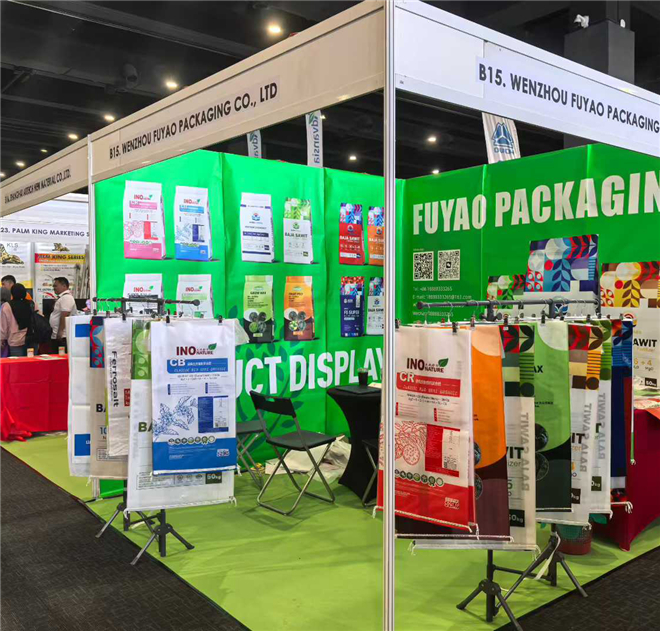
Quality lead the future
The name “Jiufen” originates from the concept of moderation in traditional philosophy, reflecting a business approach that values balance, humility, and continuous improvement. Rather than pursuing short-term gains, we focus on long-term cooperation and sustainable growth.
Over the years, we have built long-term partnerships with clients across various industries, providing customized packaging solutions tailored to specific applications. By combining strong manufacturing capability with professional export services, we aim to deliver reliable products, competitive solutions, and consistent support to customers worldwide.

We are committed to deepening our presence in international markets and building a trusted global trade brand through high-quality products and professional service, achieving steady and sustainable growth.
As a technology-driven and environmentally responsible manufacturer, we integrate R&D, production, sales, and service into one system. We continuously invest in innovation to enhance product performance and reduce environmental impact.
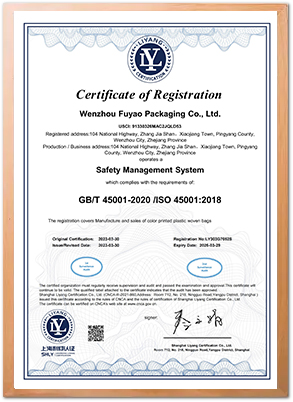
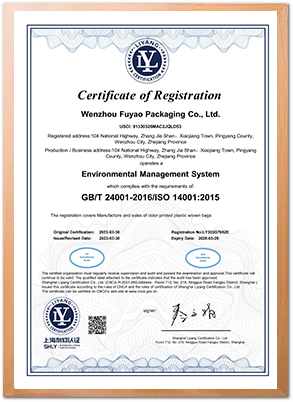
Our company has been recognized as an AAA Credit Enterprise and has obtained multiple international certifications:
These certifications demonstrate our strict quality control and compliance with global standards.
Explore our full range of multi-layer kraft paper-plastic composite packaging options, optimized for automatic urea, compound fertilizer, and industrial filling lines.