Leave Your Message
Global agricultural commerce demands the movement of tens of millions of metric tons of fertilizers, soil conditioners, grain seeds, animal feed supplements, and specialty mineral agrochemicals across multi-continental corridors each year. Historically, the bulk packaging sector relied heavily on traditional Polypropylene (PP) woven sacks, paper multiwall sacks, and manually stitched open-mouth bags. However, as international agro-commodity supply chains face prolonged transit periods, unpredictable maritime conditions, and multi-tier intermodal transshipments, the inherent flaws of legacy sacks have resulted in costly product caking, contamination, package degradation, and extensive cargo damage.
The emergence and widespread adoption of Form-Fill-Seal (FFS) tubular sacks represent one of the most critical industrial packaging transformations of the modern era. Fabricated through advanced blown multi-layer co-extrusion polymers (primarily metallocene Linear Low-Density Polyethylene [mLLDPE], combined with High-Density Polyethylene [HDPE] and specialized elastomeric plastomers), continuous FFS tubular film replaces manual bag placement and needle-and-thread stitching with a continuous, fully automated, hermetically thermal-sealed tubular workflow.
In bulk agricultural economics, the financial impact of moisture ingress is immense. Highly hygroscopic compounds such as prilled urea, ammonium nitrate, diammonium phosphate (DAP), and customized NPK formulations rapidly deliquesce or agglomerate when exposed to ambient atmospheric humidity exceeding their critical relative humidity threshold. An FFS tubular sack forms an impenetrable, continuous plastic sleeve without side seams, eliminating the pinhole vulnerabilities and stitch perforations that routinely plague sewn woven alternatives. Consequently, long-distance agricultural bulk transportation can withstand multi-week oceanic container journeys, humid cross-border rail passages, and prolonged outdoor dockyard or silo-adjacent intermediate storage without compromising product viability.
Precision thermal impulse and continuous hot-air bottom and top sealing create an impenetrable barrier that resists liquid water, saltwater fog, airborne particulates, and invasive pest contamination throughout intermodal transport.
Multi-layer co-extruded films deliver ultra-low Moisture Vapor Transmission Rates (MVTR), safeguarding hygroscopic fertilizers such as urea, NPK, and ammonium sulfate against caking, hardening, and nutrient dilution.
Seamless continuous tubular roll stock integrates smoothly with automatic bagging machinery, yielding filling and sealing speeds of 1,200 to over 2,200 bags per hour while cutting manual labor expenses by up to 75%.
The structural resilience of an FFS tubular sack for long-distance agricultural freight is governed by advanced polymer architecture. Modern FFS tubular films employ 3-layer to 5-layer co-extrusion technology, where each distinct layer imparts specific mechanical, barrier, and functional attributes:
Outer Layer (Environmental & Handling Toughness): Engineered with premium HDPE, anti-blocking compounds, and high-performance Hindered Amine Light Stabilizers (HALS). This layer provides superior UV stabilization to endure direct solar radiation during open-air port storage, while a controlled Coefficient of Friction (COF) ensures high anti-slip stability during automated palletizing and transport vibration.
Core/Intermediate Layers (Mechanical Core & Tensile Strength): Built with metallocene-catalyzed Linear Low-Density Polyethylene (mLLDPE) and plastomer blends. This stratum provides exceptional dart impact resistance, puncture resistance against jagged crystalline fertilizer granules, and high tear propagation resistance to withstand sudden drops and rough handling during transshipment.
Inner Layer (Thermal Sealing & Chemical Passivation): Formulated with low-seal-initiation-temperature (SIT) polyolefins. This ensures instantaneous, ultra-strong thermal seals through dusty environments, preventing granular fertilizer dust or chemical powder residue from causing seal delamination under high-speed industrial filling stresses.
| Performance Parameter | Traditional PP Woven Bags (Sewn) | Multi-Wall Kraft Paper Sacks | High-Barrier FFS Tubular Sacks |
|---|---|---|---|
| Moisture Ingress Protection | Poor (Permeable seams & stitch holes) | Moderate (Degrades quickly in wet ambient) | Superior (Complete hermetic polymer seal) |
| Packing Automation Speed | 300 – 600 bags/hour (Labor heavy) | 400 – 700 bags/hour (Semi-automated) | 1,400 – 2,200+ bags/hour (Continuous roll) |
| Drop & Impact Resistance | High tensile, but stitch lines burst | Fragile against drops and puncture points | Exceptional (Multi-layer elastomeric core) |
| Pallet Compactness & Uniformity | Irregular, rounded pillow geometry | Good block shape, but slips easily | Optimum block shape with side gussets |
| UV & Weathering Resistance | Rapid fiber fraying under UV exposure | Extreme vulnerability to rain & condensation | 12 to 24 months outdoor UV durability |
| Post-Use Recyclability | Complex (Multi-material liners/threads) | Challenging (Laminated film & glue) | 100% Mono-Material Polyethylene (Circular) |
Long-distance agricultural transportation exposes bulk sacks to severe thermodynamic and mechanical challenges across transcontinental shipping corridors.
Rail freight across Eurasia, North America, and Australia subjects packaged fertilizers to prolonged high-frequency harmonic vibration, vertical inertial shock, and violent shunting forces. Traditional bags experience frictional abrasion and thread splitting under such stress. FFS tubular sacks, manufactured with integrated side gussets and uniform wall thicknesses, distribute dynamic hydraulic pressures evenly across the sack body. Furthermore, their superior puncture elasticity easily tolerates friction against wooden wagon floors, corrugated steel container walls, and adjacent pallets.
During 30- to 60-day ocean voyages through tropical waters, standard shipping containers experience severe day-to-night temperature fluctuations, precipitating interior ceiling condensation known as "container rain." Paper bags and woven sacks rapidly absorb this moisture, initiating rapid fertilizer dissolution, hardened caking, and burst bags. The impenetrable non-porous PE surface of FFS tubular sacks creates a moisture barrier with zero absorption, allowing cargo to emerge at destination ports in factory-fresh condition.
In developing agricultural regions, regional distributor hubs and large farming cooperatives frequently lack temperature-controlled, fully enclosed indoor warehouse space. Palletized fertilizer stacks often remain in open yard storage, covered merely by basic tarpaulins. Incorporating advanced HALS and carbon-black or titanium dioxide UV masterbatches, FFS tubular sacks withstand up to 24 months of relentless solar UV exposure, tropical monsoons, and extreme thermal cycling without polymer brittleness or rupture.
A fundamental engineering challenge in high-speed automatic bagging of dry bulk agrochemicals is rapid air displacement. As 25kg or 50kg of granular urea, potash, or compound NPK fertilizer drops into an FFS tubular sack at high velocities, significant air volume is entrained. If trapped, this trapped air turns the package into an inflated "balloon," preventing tight palletizing, causing dangerous stack slippage, and threatening burst seals under the weight of higher pallet tiers.
To solve this without compromising water tightness, modern FFS tubular sacks incorporate specialized de-aeration technologies. Traditional needle perforation is strictly avoided, as it allows external water droplets and water vapor to enter. Instead, labyrinth venting systems, micro-perforated multi-overlap channels, or selective microporous membrane strips are integrated into the gusset folds. These engineered pathways force internal air to escape under mechanical top-pressure during inline bag flattening, while maintaining a tortuous, hydro-repellent barrier that prevents external liquid water, humidity, and fine contaminants from migrating into the bag.
Additionally, high-tack diamond or textured surface embossing patterns applied along the exterior sack face increase the static and dynamic Coefficient of Friction (COF > 0.45). This prevents individual sacks from sliding off pallets during rapid forklift movements, maritime vessel roll, and severe braking events on transport trucks, drastically reducing costly transit cargo losses.
The bulk agricultural packaging sector is under increasing pressure to comply with international environmental mandates and plastic packaging tax structures. Historically, multi-material bags featuring laminated paper, woven PP, and glued inner PE liners were virtually impossible to recycle economically, resulting in millions of agricultural sacks entering landfills or being incinerated each year.
In contrast, FFS tubular sacks are inherently mono-material structures composed entirely of polyethylene polymers (100% all-PE). This single-polymer composition makes FFS sacks fully recyclable within standard post-industrial and post-consumer LDPE recycling streams. The latest research and industrial trials are successfully compounding up to 30% to 50% Post-Consumer Recycled (PCR) polyethylene resins into the intermediate layers of FFS tubular films without compromising dart drop resistance or tensile strength.
Furthermore, digital track-and-trace integration is revolutionizing agricultural logistics. High-resolution industrial continuous inkjet and laser marking applied directly to FFS tubular film surfaces allow individual serialization, dynamic batch coding, GS1 digital link QR printing, and RFID integration. This smart capability allows agricultural input distributors, customs authorities, and end-user farming enterprises to authenticate genuine crop nutrient formulations, trace freight temperatures, and verify regulatory compliance from initial plant production to final soil application.
Jinan Jiufen Import & Export Co., Ltd. operates as our dedicated international trade partner, working in close coordination with Fuyao Packaging.
While Fuyao focuses on production and manufacturing, Jiufen is responsible for all overseas business operations, including:
This integrated structure allows us to provide a complete supply chain solution, combining factory-level production control with professional export services, ensuring smooth and efficient transactions for global clients.













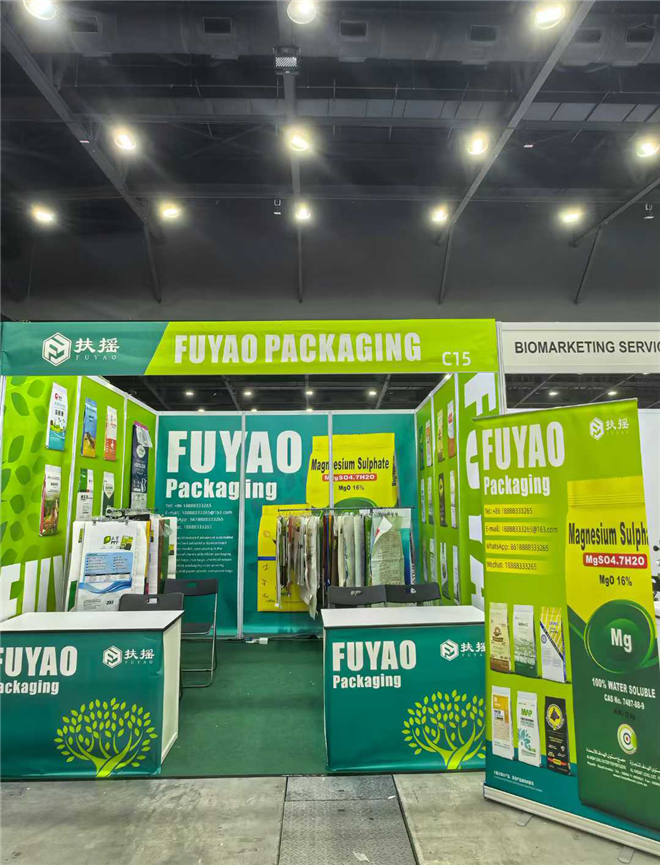
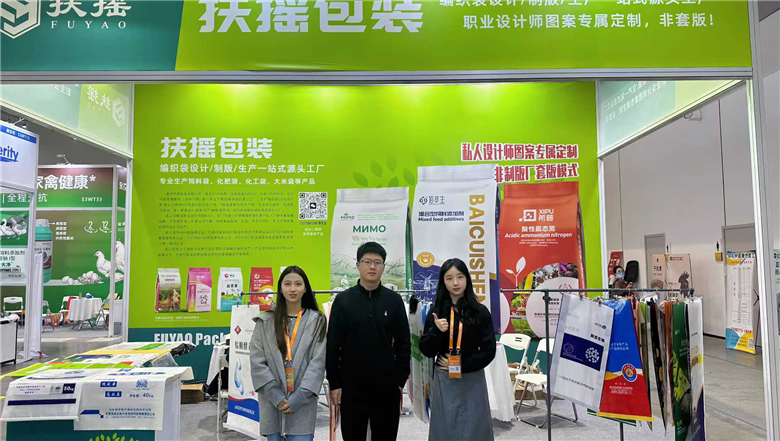
Connecting face-to-face with international agricultural partners, packaging engineers, and bulk handling specialists worldwide.
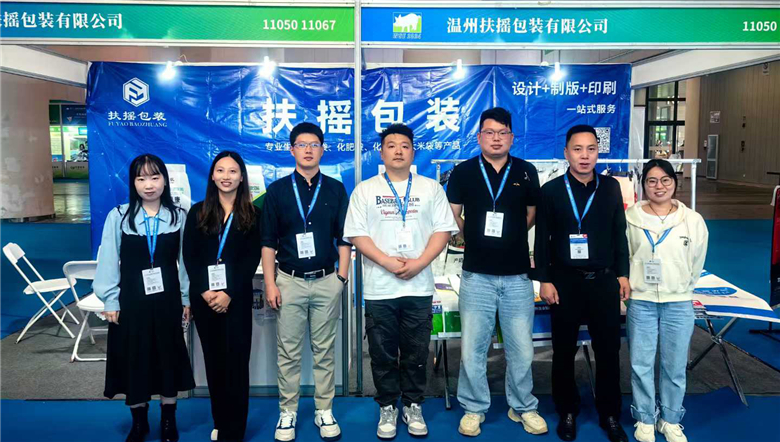
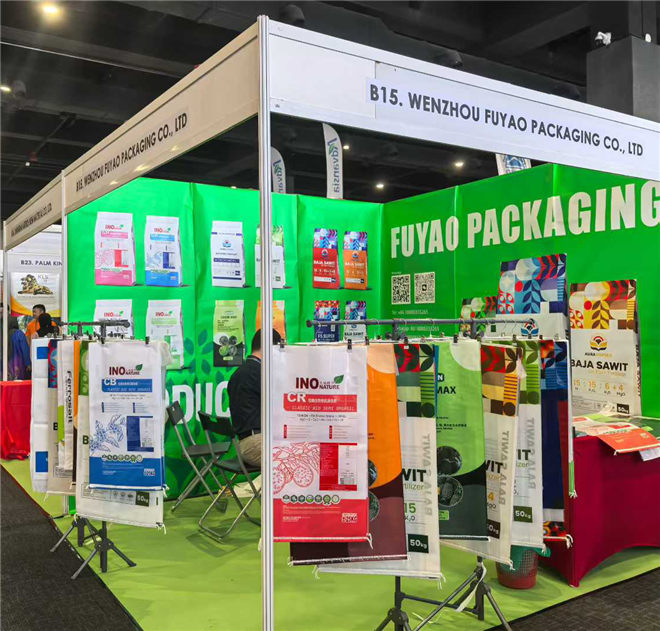
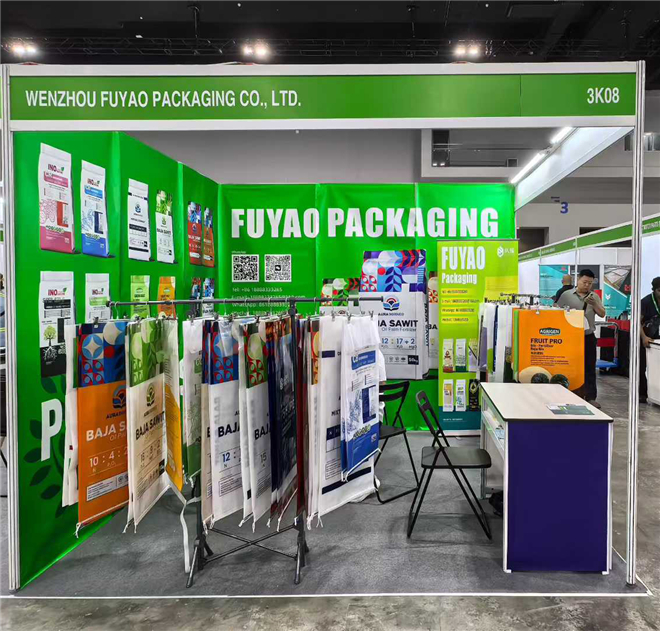
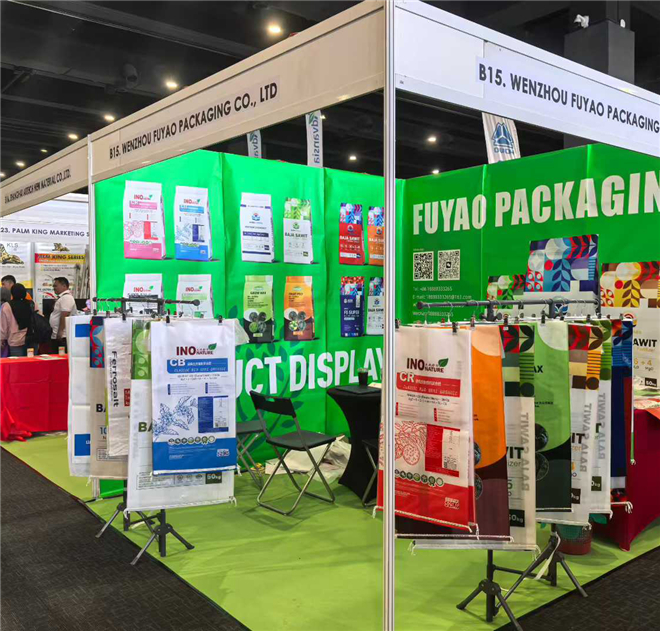
The name “Jiufen” originates from the concept of moderation in traditional philosophy, reflecting a business approach that values balance, humility, and continuous improvement. Rather than pursuing short-term gains, we focus on long-term cooperation and sustainable growth.

Over the years, we have built long-term partnerships with clients across various industries, providing customized packaging solutions tailored to specific applications.
By combining strong manufacturing capability with professional export services, we aim to deliver reliable products, competitive solutions, and consistent support to customers worldwide.

We are committed to deepening our presence in international markets and building a trusted global trade brand through high-quality products and professional service, achieving steady and sustainable growth.
As a technology-driven and environmentally responsible manufacturer, we integrate R&D, production, sales, and service into one system. We continuously invest in innovation to enhance product performance and reduce environmental impact.
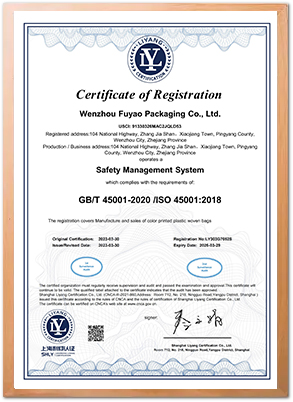
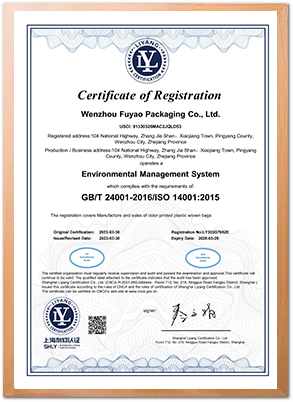
Our company has been recognized as an AAA Credit Enterprise and has obtained multiple international certifications:
These certifications demonstrate our strict quality control and compliance with global standards, guaranteeing that our heavy-duty FFS tubular sacks deliver unmatched structural reliability for agricultural export shipments.