Leave Your Message
In the modern landscape of bulk food processing, particularly for high-volume commodities like rice, flour, grains, and starch, packaging is no longer merely a container. It is a critical component of supply chain efficiency, food safety, and brand integrity. The global shift from manual, labor-intensive bagging processes to fully automated Form-Fill-Seal (FFS) packaging lines has accelerated rapidly.
Traditional packaging formats, such as multi-wall paper bags or standard hand-sewn woven sacks, present operational limitations including high dust emission, structural vulnerability to pests, moisture ingress, and slower packaging speeds. The introduction of FFS Woven Sacks has revolutionized bulk handling by bridging the gap between high-strength woven structures and the hermetic sealing capabilities of continuous plastic films.
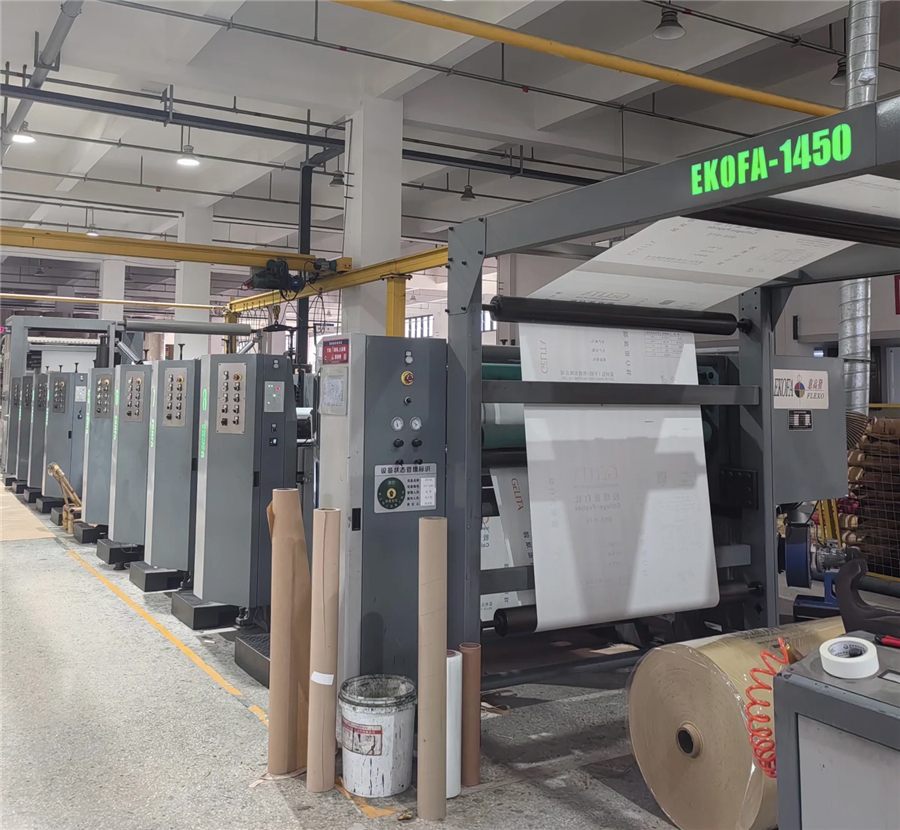
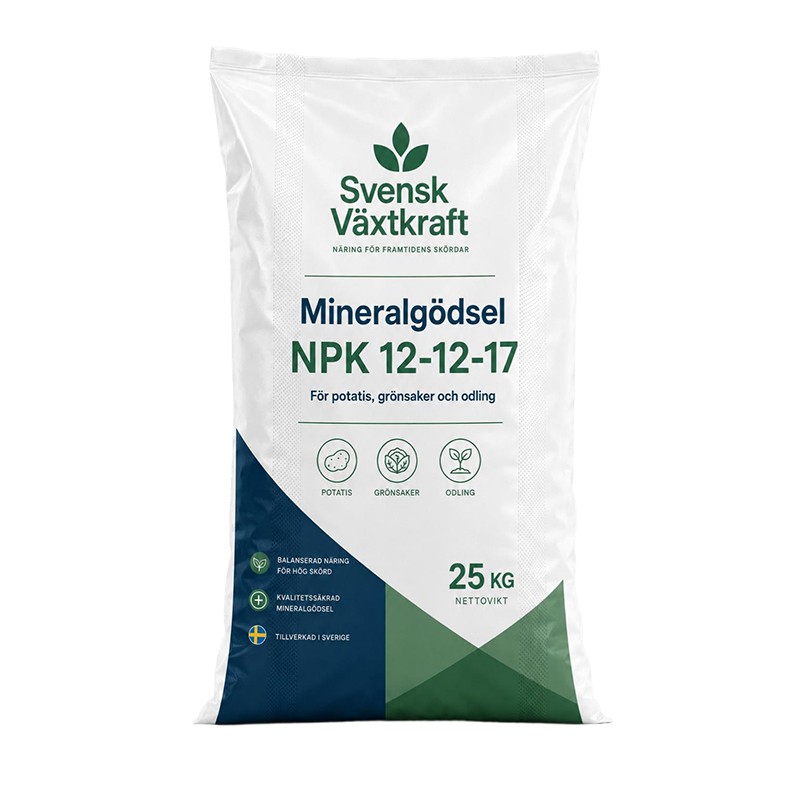
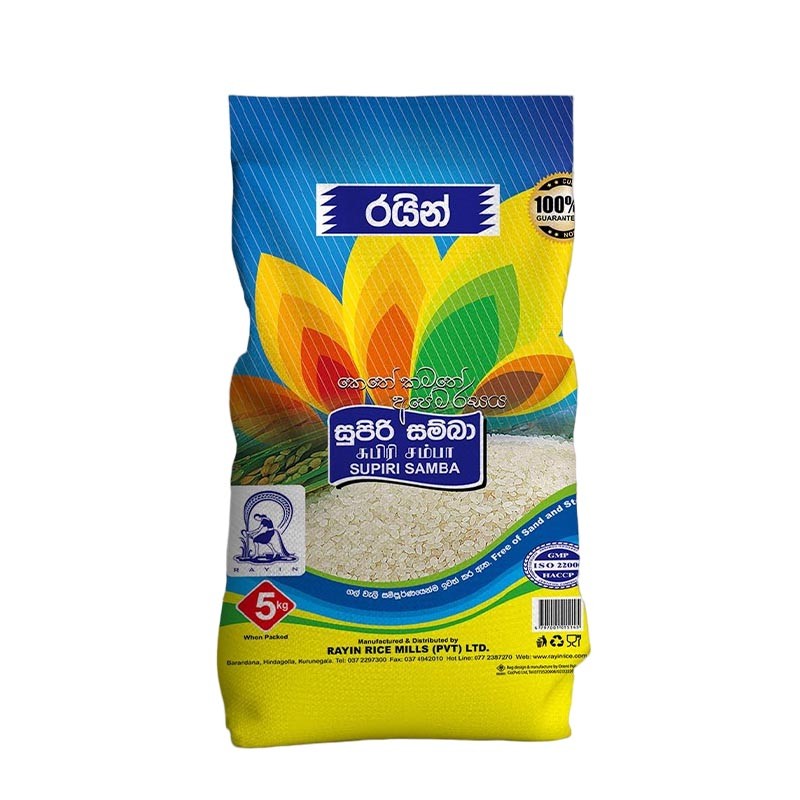
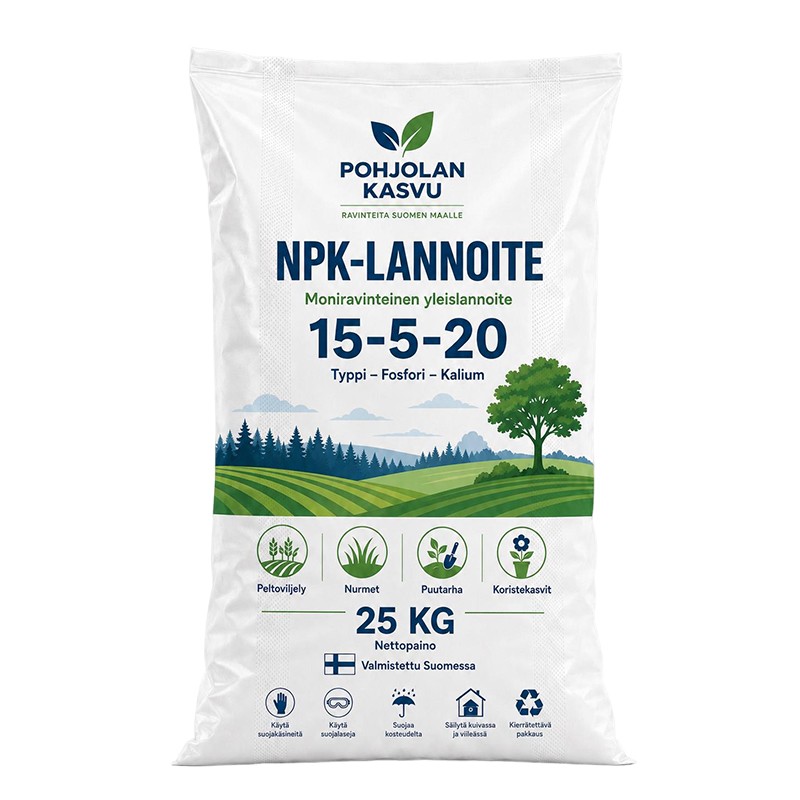
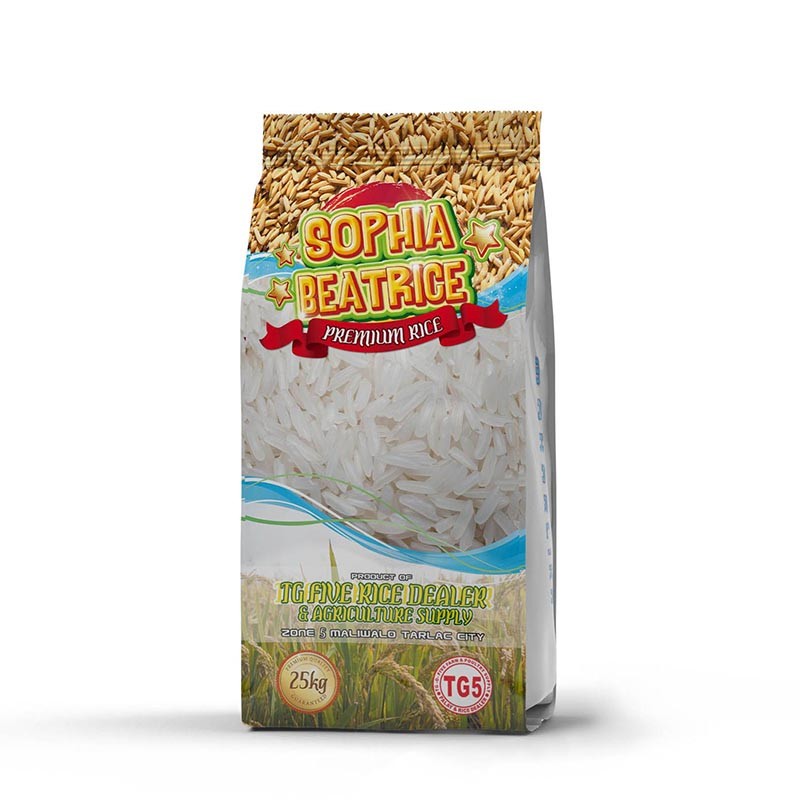
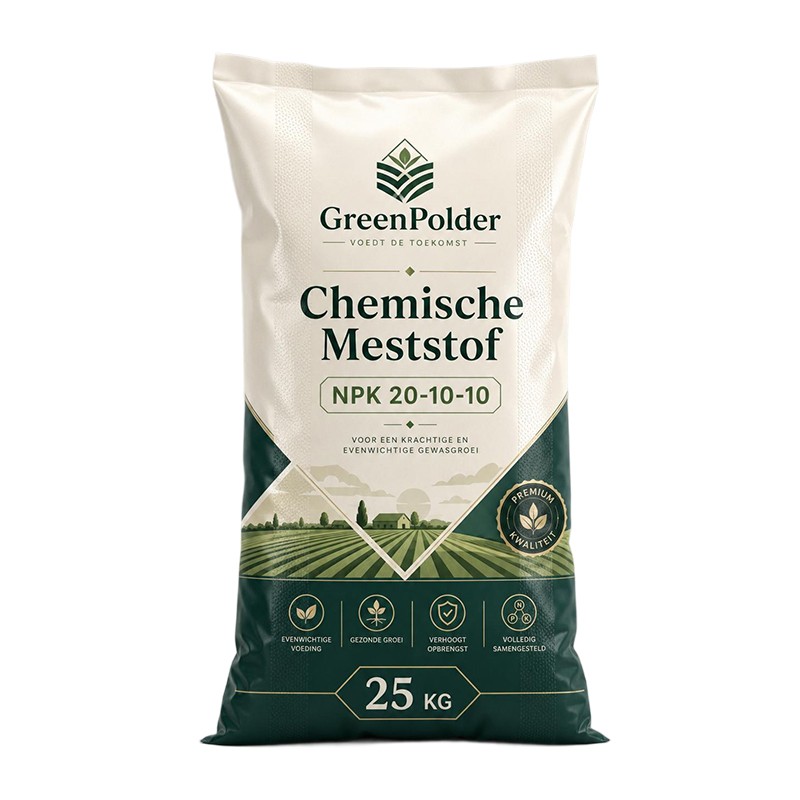
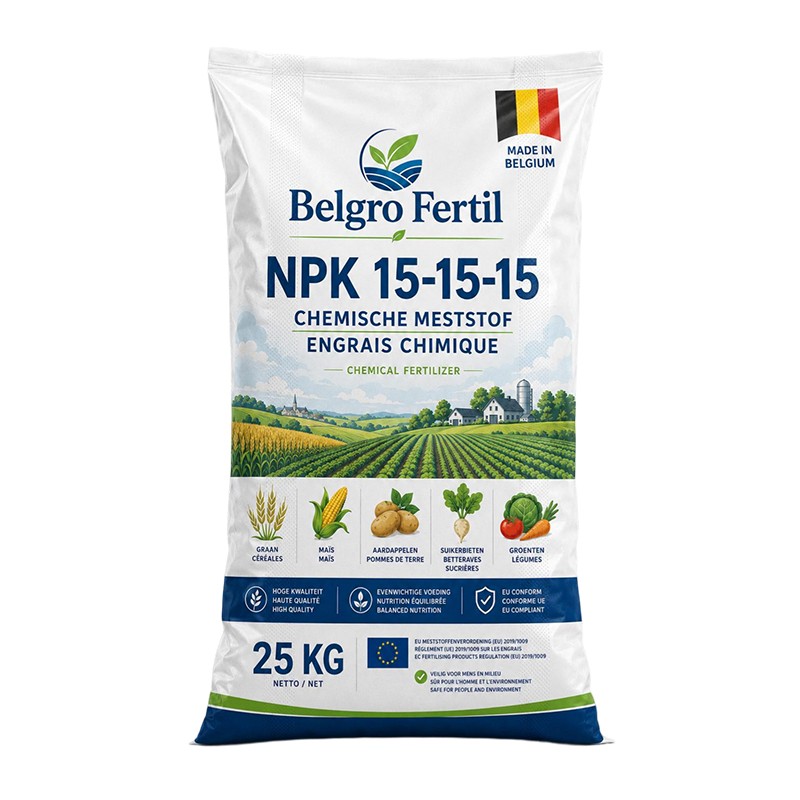
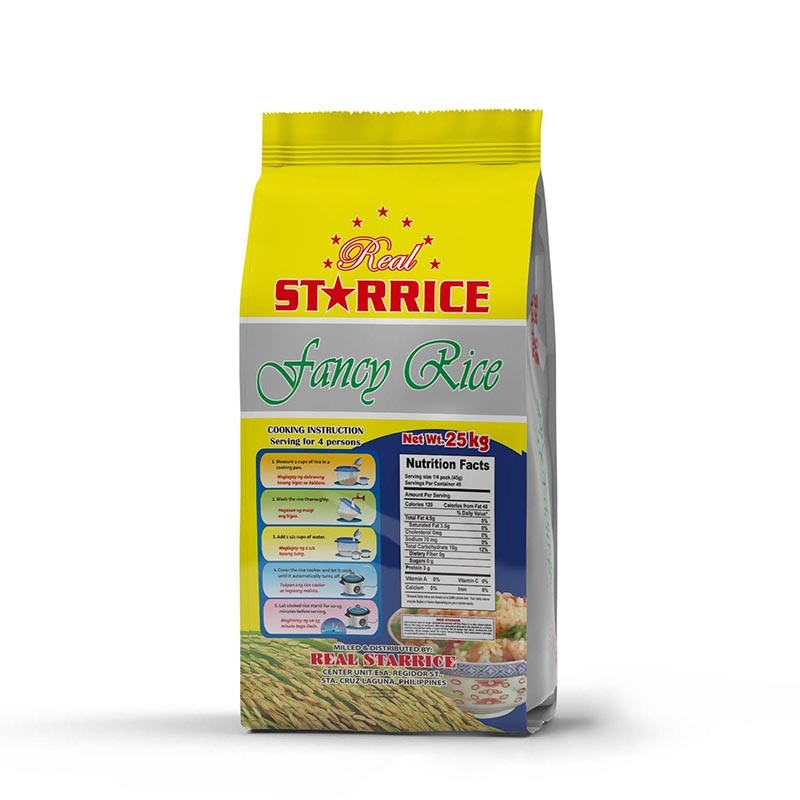
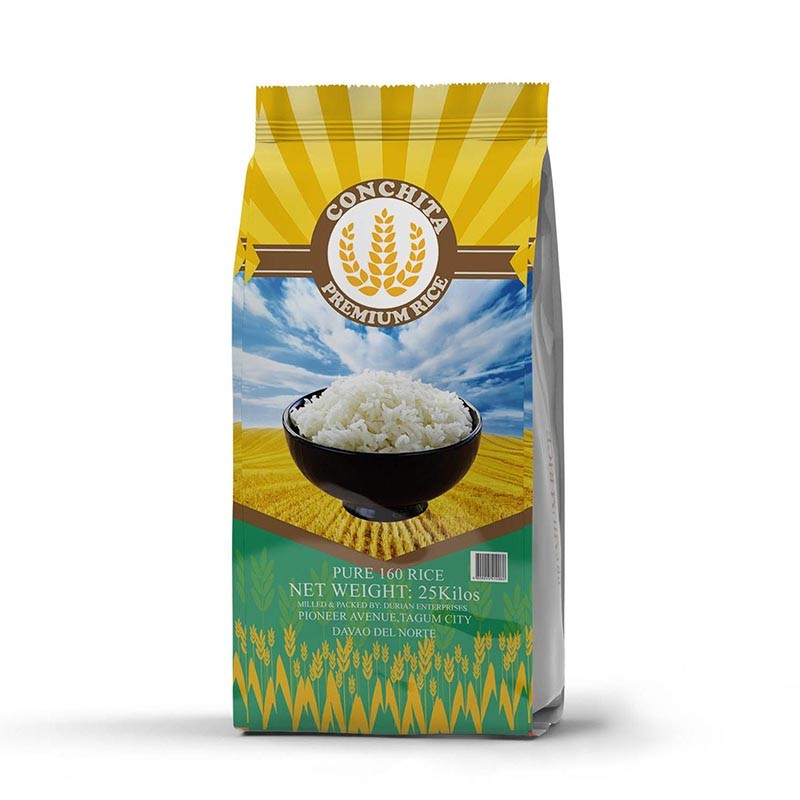
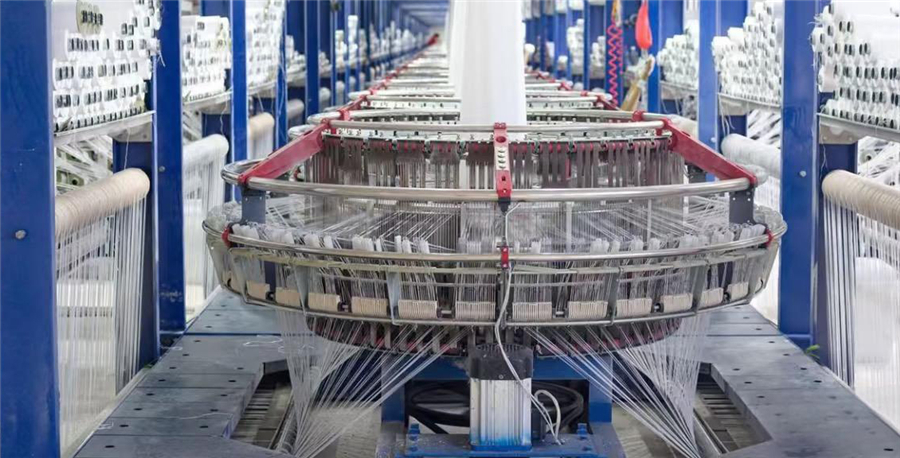
FFS woven sacks are manufactured through a sophisticated multi-layer co-extrusion and lamination process. The core structural strength is provided by a woven polypropylene (PP) matrix, which delivers exceptional tensile strength and tear resistance. This is vital when packaging bulk commodities like 25kg or 50kg rice and flour bags, which undergo significant mechanical stress during palletizing, sea shipping, and warehouse handling.
To make these bags suitable for fine food powders, a high-barrier polyethylene (PE) or polypropylene film is laminated to the woven structure. This creates a smooth surface ideal for high-resolution flexographic and rotogravure printing, while providing a moisture-proof seal. The sealing technology of FFS machines utilizes precise thermal heat sealing, bonding the inner plastic layers together without compromising the structural integrity of the outer woven layer.
In large-scale industrial flour mills and rice processing facilities, throughput speeds and dust management are critical operational metrics. Traditional bagging systems require manual positioning of bags onto filling spouts, leading to slower cycle times and constant exposure of operators to airborne flour dust, which poses respiratory and explosion risks.
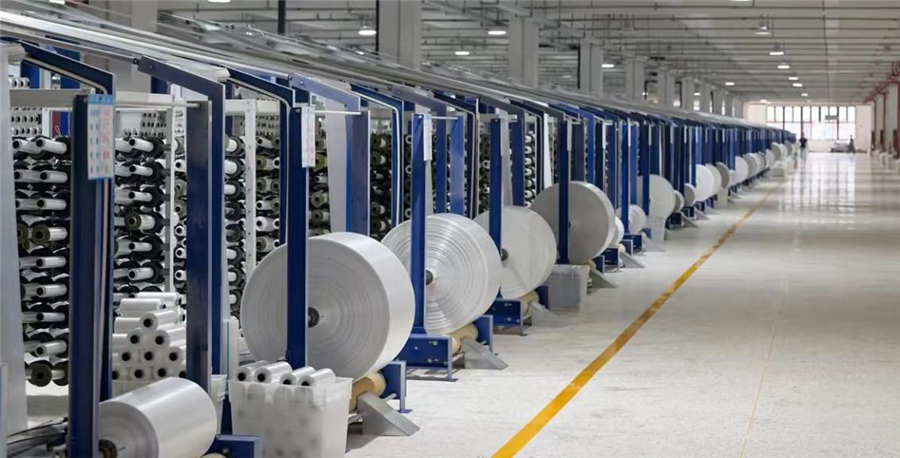
FFS Woven Sacks address these issues by delivering continuous tubular roll stock directly to automated packaging machinery. The roll is uncoiled, cut to length, bottom-sealed, filled with product, and top-sealed in a single, enclosed, continuous automated process.


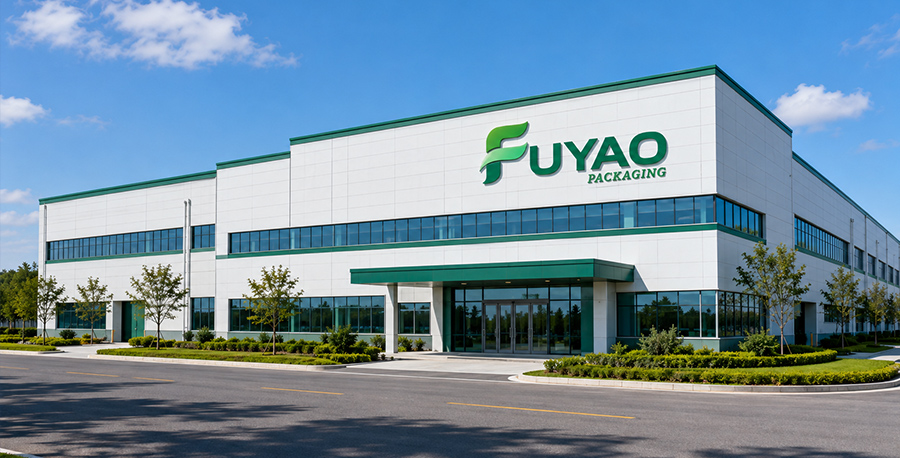
Established in 2010 with a registered capital of RMB 20 million, Wenzhou Fuyao Packaging Co., Ltd. has grown to become a leading manufacturer of high-performance industrial packaging solutions. Our state-of-the-art facility covers an area of approximately 10 mu, with a total building space of 10,000 square meters. Located in Xiaojiang Town, Pingyang County, Wenzhou, we are strategically positioned just 50 kilometers from Wenzhou Airport, providing us with exceptional logistics connectivity to support global exports.
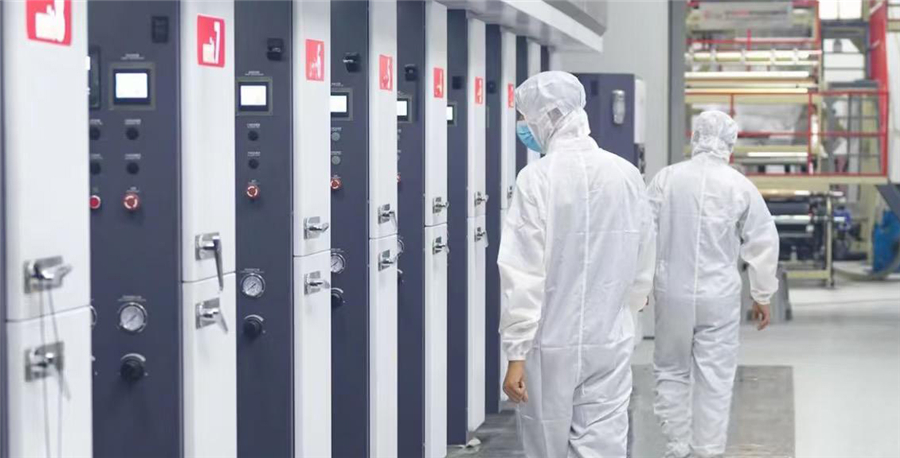
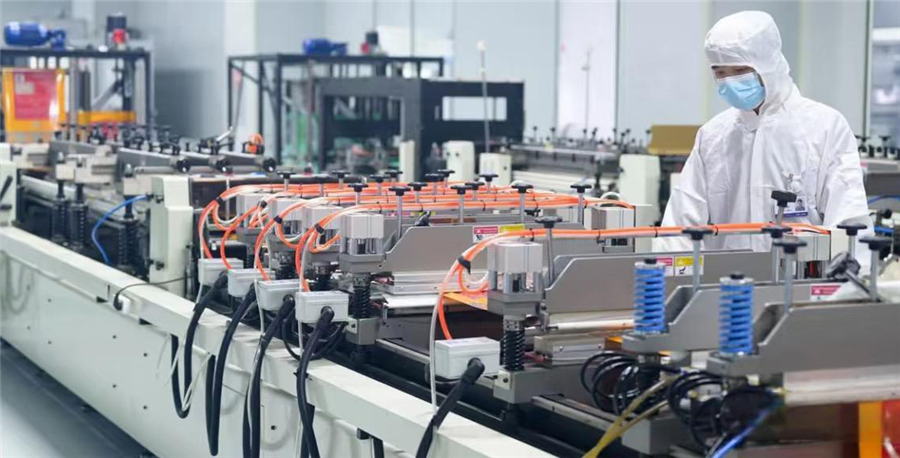
Fuyao Packaging serves as a reliable manufacturing partner for food processing, chemical, and agricultural industries worldwide. Equipped with over 100 sets of advanced machinery—including high-speed printing presses, high-efficiency laminating lines, advanced film blowing machines, and automated bag-making systems—we achieve an annual production capacity of up to 10,000 tons. Our commitment to strict quality control, standardized manufacturing, and continuous innovation makes us a trusted name in heavy-duty industrial packaging.

The industrial packaging sector is undergoing a significant transition driven by environmental regulations and circular economy commitments. Historically, laminated woven bags were difficult to recycle because they combined different plastic resins (such as PP and PE). Today, the industry is shifting toward mono-material FFS packaging designs, where both the woven structure and the barrier coatings are made from the same polymer family (typically 100% Polypropylene or 100% Polyethylene). This allows the entire bag to be recycled in standard recycling streams without material separation.
Another emerging trend is the integration of smart packaging features. High-precision printing on FFS woven sacks allows mills to incorporate unique QR codes, RFID tags, and serialization numbers directly onto individual bags. This enables end-to-end traceability from the farm to the processing mill, and finally to the end consumer. For bulk food processors, this level of traceability is invaluable for managing food recalls, verifying organic or non-GMO origins, and optimizing inventory management in automated logistics networks.
As processing speeds increase, compatibility with high-capacity palletizers and robotic handling arms is crucial. Packaging materials must maintain consistent dimensional stability and friction coefficients. The advanced FFS woven sacks engineered by Wenzhou Fuyao Packaging are designed to meet these demanding parameters, ensuring reliable performance in fully automated, lights-out packaging environments.