Leave Your Message


In the modern globalized economy, the agricultural supply chain spans continents. Grains, seeds, pulses, animal feeds, and processed agricultural commodities travel thousands of miles via rail, road, and sea. Traditional rigid containers, jute sacks, and single-layer woven bags often fail to protect these sensitive goods from environmental hazards during extended transits. This vulnerability has driven the global adoption of the flexible pouch for long-distance agricultural bulk transportation and storage.
Statistically, post-harvest losses during storage and transport account for up to 15% to 25% of total agricultural yields in developing regions, and around 5% to 10% in highly mechanized economies. These losses are primarily caused by moisture ingress, insect infestation, fungal growth, and oxidative degradation. Flexible barrier pouches address these challenges directly. By utilizing multi-layer co-extrusion technology, these pouches create a controlled micro-environment that isolates the agricultural bulk from external atmospheric fluctuations, ensuring that nutritional profile, germination rates, and physical quality remain intact from the farm to the final processing facility.
Prevents gas exchange, starving insects of oxygen and inhibiting aerobic fungal growth without chemical fumigation.
High-barrier films stop ambient humidity from penetrating the packaging, preventing mold and cake formation.
Engineered to withstand high tensile stress and physical abrasions during bulk handling and rough transit conditions.
When shipping bulk grains like maize, wheat, and soybeans across oceans, cargo vessels encounter extreme temperature shifts. This temperature variation leads to "cargo sweat" inside standard metal containers. Standard packaging allows this moisture to settle on the grains, resulting in rapid spoilage. A specialized flexible pouch designed for long-distance agricultural bulk transportation acts as a thermal and moisture barrier, maintaining a stable internal relative humidity. This eliminates the risk of condensation damage, even during transit through multiple climate zones.
Hybrid seeds and fortified animal feeds are highly sensitive to environmental factors. Seeds must maintain viability (germination potential), which is directly compromised by moisture and oxygen exposure. Animal feeds, often enriched with lipids and vitamins, are prone to rancidity and nutrient degradation when exposed to oxygen. High-barrier flexible pouches utilize specialized layers (such as EVOH or metallized PET) to keep oxygen transmission rates (OTR) near zero, preserving the potency of high-value agricultural inputs over long storage durations.
The organic food sector prohibits the use of synthetic chemical preservatives and fumigants during storage and transport. Hermetic flexible pouches offer a natural, physical preservation method. By keeping oxygen levels extremely low (typically below 1%), the pouch naturally eliminates pests and halts the respiration of the crop, extending shelf life without violating organic certification standards.

The performance of a flexible pouch for long-distance agricultural bulk transportation and storage relies heavily on its material structure. Modern flexible packaging has evolved from single-polymer films to engineered multi-layer structures. These composite laminates utilize various polymers, each selected for its specific functional properties:
Agricultural bulk storage requires packaging that adapts to the biological respiration of the contents. Some specialty grains benefit from modified atmosphere packaging (MAP), where the internal gas composition is altered to slow down the aging of the product. Flexible pouches can be engineered to allow selective gas permeation—allowing carbon dioxide to escape while preventing oxygen ingress. This targeted gas flow keeps the stored grains in a dormant state, maintaining freshness over months or years of storage.
As sustainability regulations tighten globally, the packaging industry is transitioning toward eco-friendly designs. The agricultural sector is moving away from non-recyclable multi-material laminates toward mono-material structures (such as all-PE laminates) that offer comparable barrier properties through advanced orientation and coating technologies. Furthermore, the integration of biodegradable and compostable high-barrier films is gaining traction, allowing agricultural packaging to be composted directly alongside organic waste at its destination.
Additionally, smart packaging technologies are being integrated into flexible pouches. RFID tags, QR codes for digital block-chain traceability, and color-changing indicators that signal moisture ingress or temperature spikes are becoming common in high-value bulk shipments. This digital integration allows logistics providers and agricultural buyers to monitor cargo health in real-time during long-distance transit.
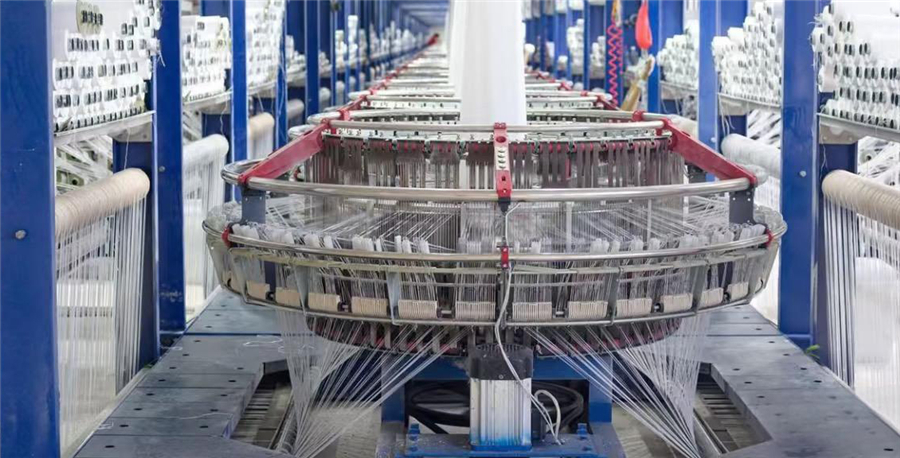
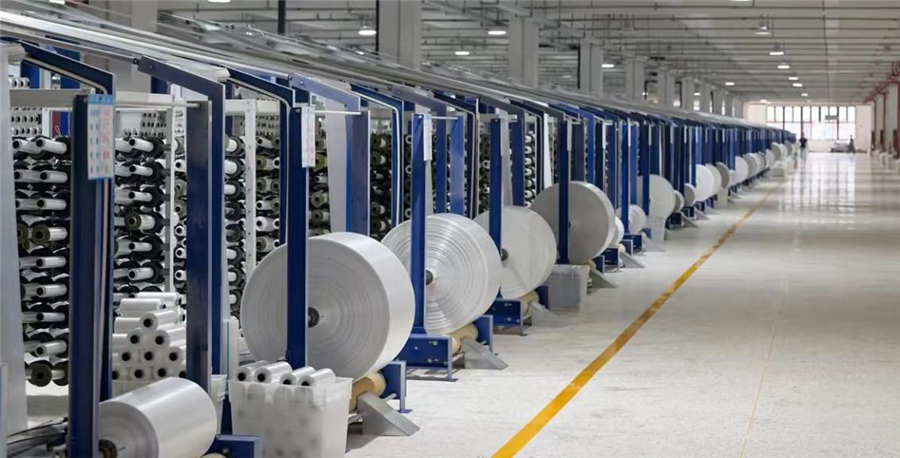
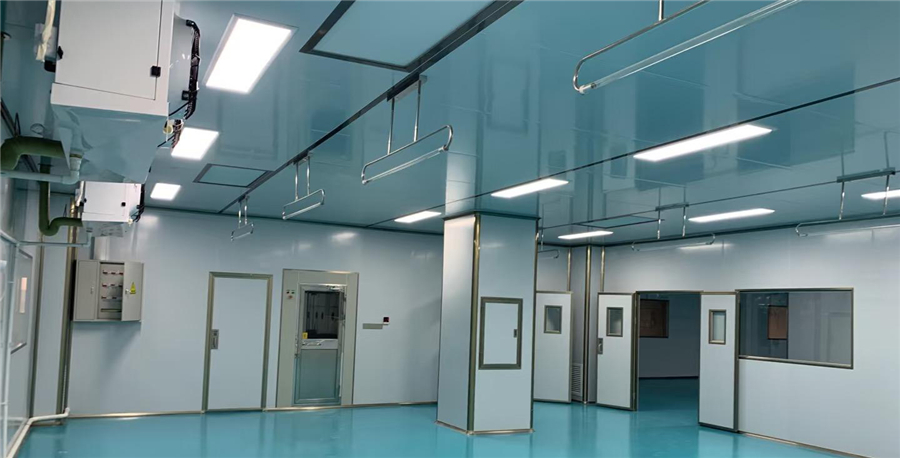
At Wenzhou Fuyao Packaging Co., Ltd., we combine years of packaging expertise with modern manufacturing infrastructure to meet the demands of global agricultural supply chains. Our facility is equipped to handle customized requirements, ensuring that each flexible pouch meets strict performance standards for bulk transport and storage.
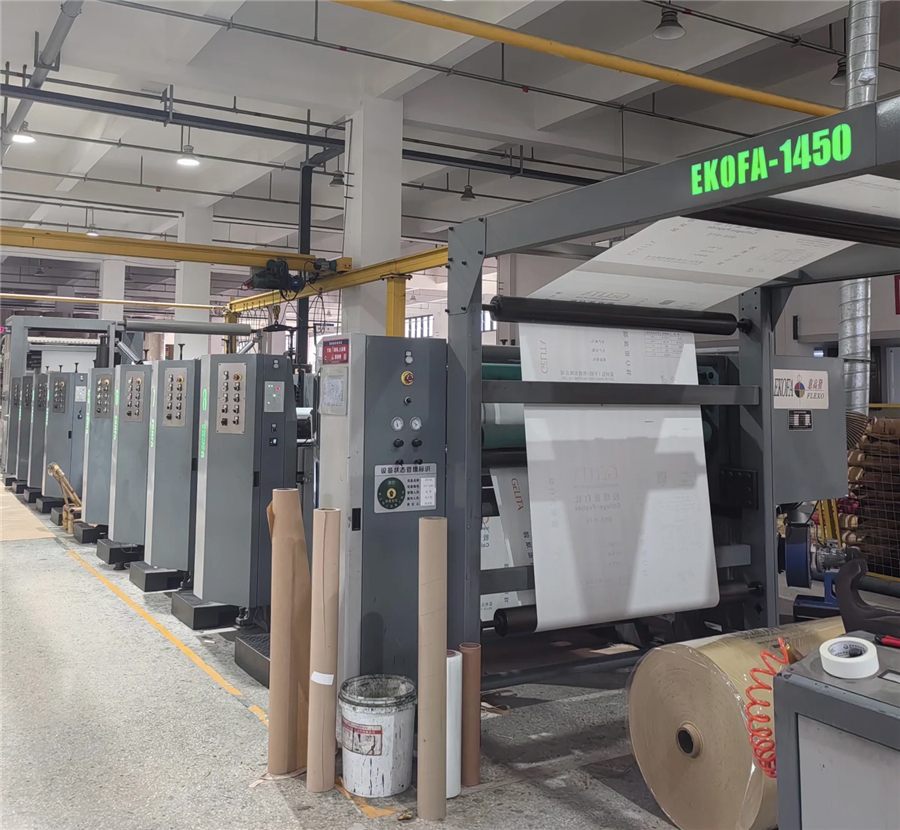
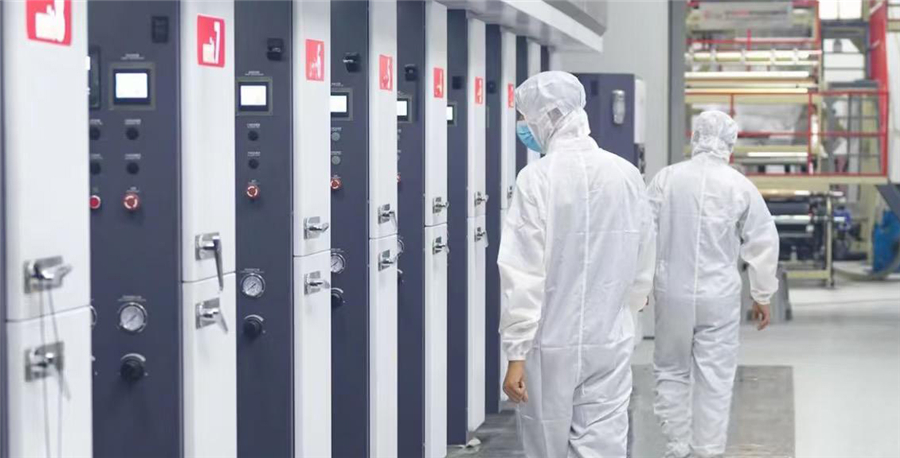
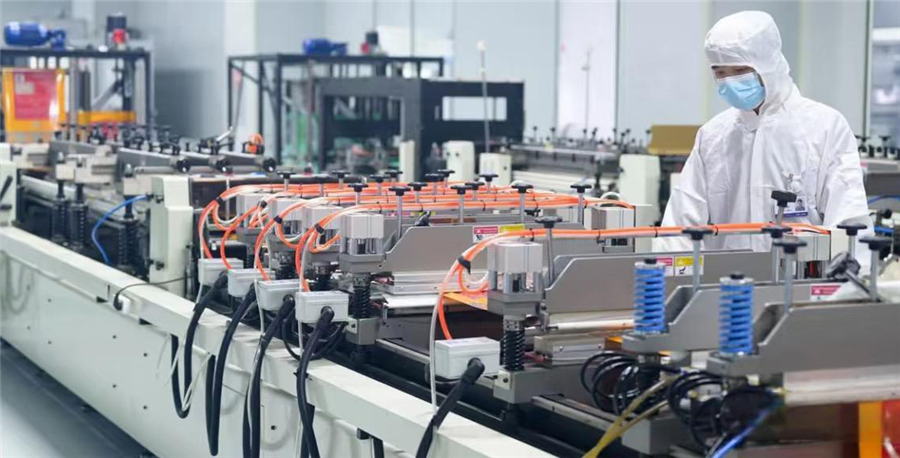
With over 100 sets of modern machinery, including high-speed printing machines, laminating machines, film blowing machines, and bag-making equipment, our factory achieves an annual production capacity of up to 10,000 tons, supporting large-scale and customized orders. This extensive capacity enables us to deliver high-quality, high-barrier packaging solutions efficiently, helping agricultural exporters secure their supply chains and reduce product loss.