Leave Your Message
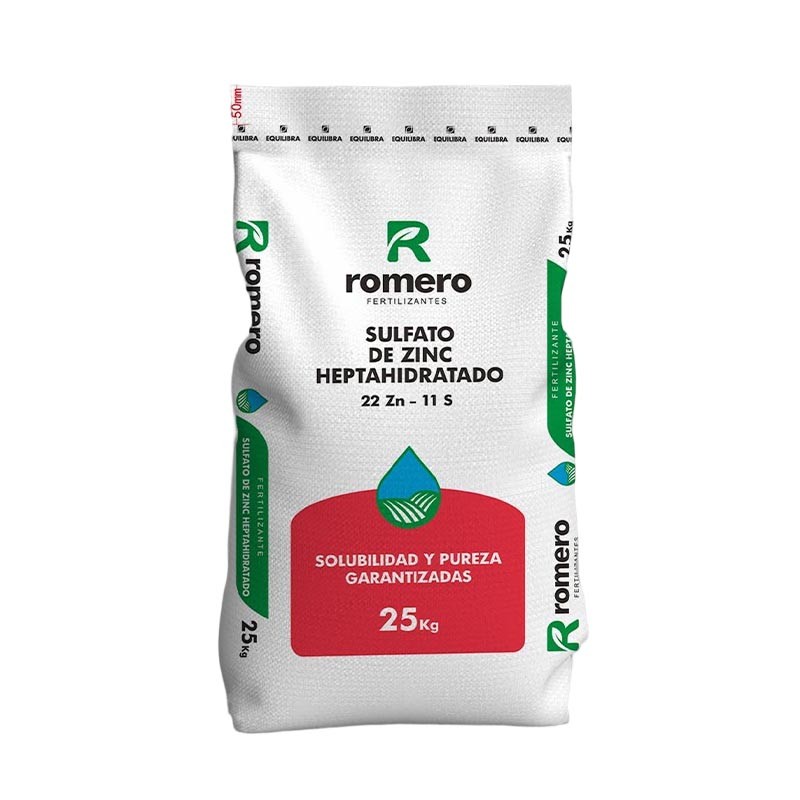
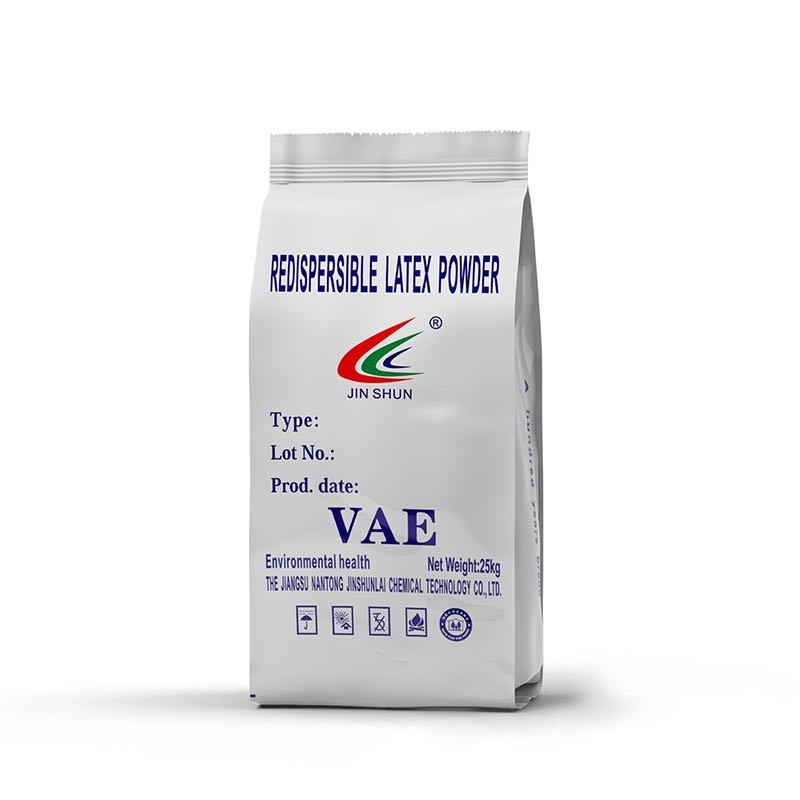
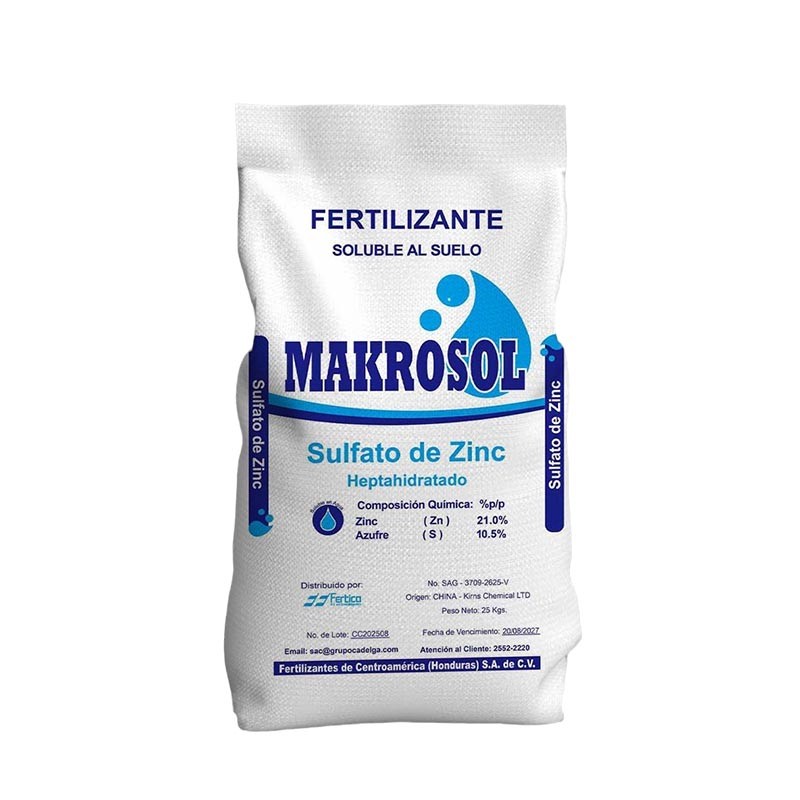
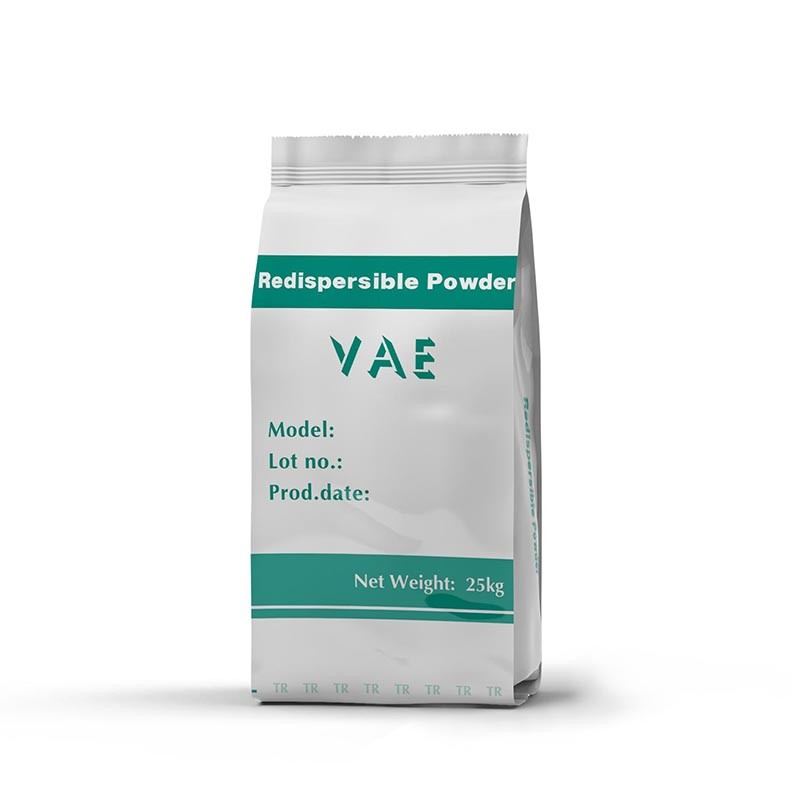
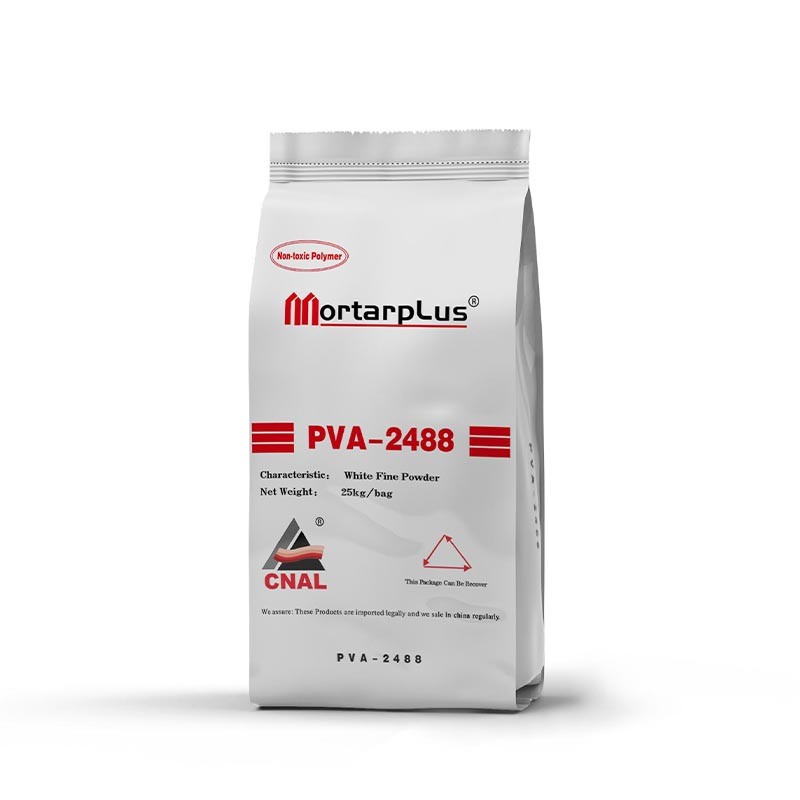
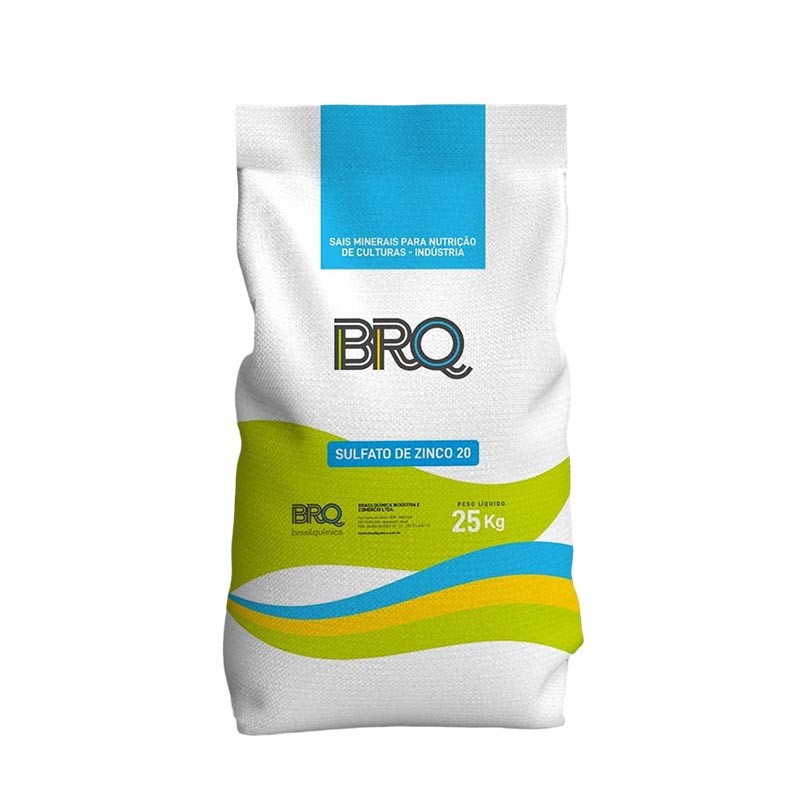
Engineered specifically for moisture-sensitive chemical and agricultural bulk storage and transport applications.
In the globalized logistics landscape, maintaining the structural and chemical integrity of raw materials is a paramount challenge. For industries handling moisture-sensitive goods—such as advanced chemical manufacturing and modern agriculture—environmental exposure is a constant threat. Humidity, oxygen ingress, and temperature fluctuations can degrade high-value products, leading to massive financial losses and operational disruptions. Foil sealed bags have emerged as the gold standard in industrial high-barrier packaging, providing an impenetrable shield against atmospheric contamination.
Hermetic sealing prevents water vapor transmission completely, preserving dry compounds.
Multi-layered PET, Aluminum, and PE structures ensure mechanical and chemical protection.
Eliminates clumping, degradation, and oxidation during long-transit maritime shipping.
Traditional plastic packaging, while cost-effective for inert materials, fails to provide an adequate barrier against gas and moisture over extended storage periods. Polyethylene (PE) alone has a measurable Water Vapor Transmission Rate (WVTR) that allows humidity to slowly seep in. When agricultural seeds or reactive chemical powders are subjected to global maritime transits—often lasting weeks in humid container environments—the lack of an absolute barrier leads to spoilage. Aluminum foil laminated bags resolve this vulnerability by combining the flexibility of plastics with the absolute barrier properties of metals.
The global demand for high-barrier packaging in the chemical and agricultural sectors is experiencing a significant upward trajectory. According to recent market analyses, the industrial packaging sector is pivoting toward specialized lamination technologies to satisfy stringent quality control standards. In the chemical industry, the rise of specialty polymers, high-purity catalysts, and dry pharmaceutical ingredients has forced manufacturers to move away from standard woven sacks to engineered foil bags. Similarly, the commercial agricultural sector, driven by bio-engineering and high-value hybrid seed cultivation, relies heavily on these bags to preserve biological viability over multi-year storage cycles.
Historically, bulk materials were packaged with the primary objective of containment. Today, containment is only the baseline. Modern supply chains demand active preservation. Foil sealed bags act as passive climate-control units. By vacuum-sealing or flushing the bag interior with nitrogen before sealing, manufacturers can create an optimized micro-environment. This is especially critical for hygroscopic resins, chemical additives, and organic agricultural products that degrade in the presence of oxygen or moisture.
From a commercial perspective, investing in premium foil packaging directly correlates with supply chain resilience. Product returns due to caking, active ingredient degradation, or mold contamination are costly and damage brand reputation. By integrating high-barrier foil packaging, global distributors can confidently expand their market reach to tropical and high-humidity regions, knowing their product will arrive in pristine condition.
In agriculture, the margin for error in storage is incredibly narrow. Foil sealed bags serve critical functions across several distinct agricultural verticals:
Hybrid seeds represent a massive R&D investment. Their germination rate is directly tied to their moisture content. If seeds absorb ambient moisture during storage or shipping, they may begin premature respiration, drastically reducing their viability or causing rot. Laminated foil pouches maintain a constant internal relative humidity, ensuring that seeds remain dormant until they are planted by the end-user.
Modern sustainable agriculture relies on microbial formulations and organic bio-stimulants. These products contain live cultures or sensitive organic compounds that are highly vulnerable to oxidation and moisture. Foil sealed bags prevent oxygen from neutralizing these biological elements, extending the shelf life of eco-friendly farming inputs from months to years.
High-value livestock feed additives, containing vitamins, enzymes, and amino acids, are notoriously hygroscopic. Exposure to air causes caking and loss of nutritional potency. Heavy-duty foil bags ensure that these micro-ingredients remain dry, free-flowing, and nutritionally intact from the blending facility to the farm.
The chemical industry handles a vast array of compounds that are reactive, hazardous, or highly sensitive to environmental factors. Laminated foil bags provide the robust protection required for these demanding applications:
Technical plastics, such as Nylon (PA6/PA66), Polybutylene Terephthalate (PBT), and Polycarbonate (PC), are highly hygroscopic. If these resins absorb even a fraction of a percent of moisture before processing, they undergo hydrolysis during injection molding, resulting in brittle parts and cosmetic defects. Foil sealed packaging keeps these granules ready-to-mold directly out of the bag.
Many chemical catalysts and specialty dry formulations are pyrophoric or highly reactive when exposed to atmospheric moisture. Foil packaging, often combined with anti-static layers, ensures safe transport and prevents dangerous chemical reactions or degradation during international transit.
Colorants and fine chemicals must remain free of moisture to prevent clumping, color shifting, or chemical breakdown. Foil sealed bags with high puncture resistance protect these dense, valuable powders from physical damage and ambient humidity.
The efficacy of foil sealed bags lies in their complex material science. Typically, these bags feature a multi-layer co-extrusion or lamination structure. The outermost layer (often PET or Nylon) provides structural strength, tear resistance, and printability. The middle layer is a micro-thin sheet of aluminum foil, which serves as the absolute barrier to light, oxygen, and water vapor. The innermost layer (typically LLDP or specialized PE) is designed for low-temperature heat sealability and chemical compatibility with the contents.
The future of industrial packaging is focused on balancing barrier performance with sustainability. Research is heavily geared toward developing recyclable barrier films and biodegradable lamination layers that do not compromise the WVTR. Additionally, the integration of smart packaging features—such as color-changing moisture indicator patches and RFID tracking chips—is becoming increasingly common in high-value chemical supply chains, allowing logistics managers to monitor package integrity in real-time.











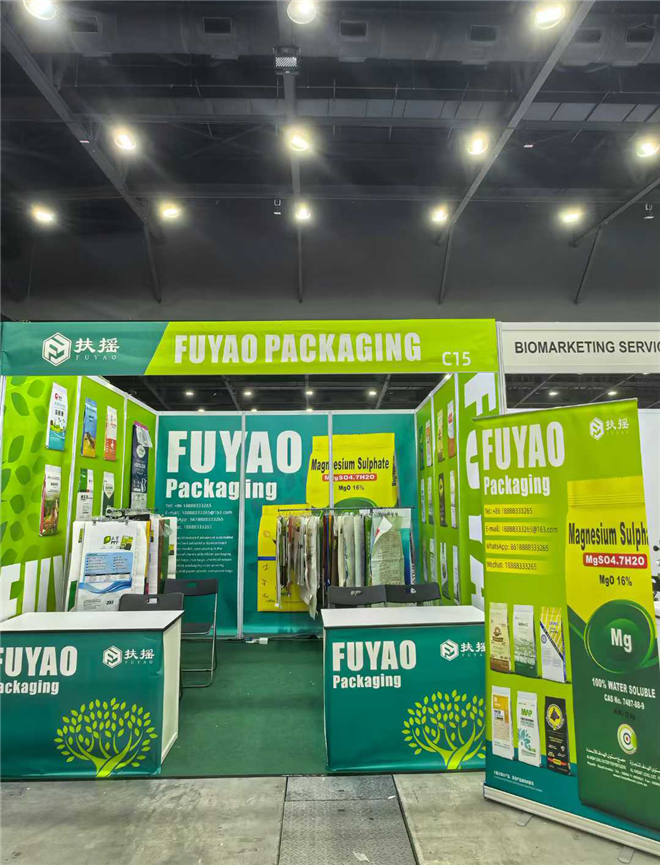
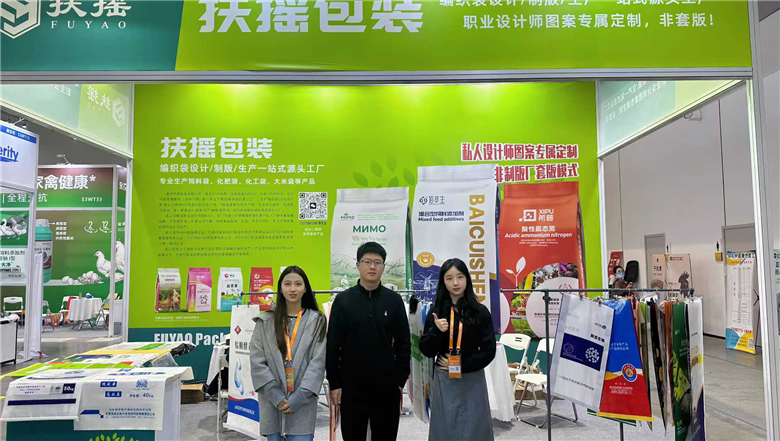
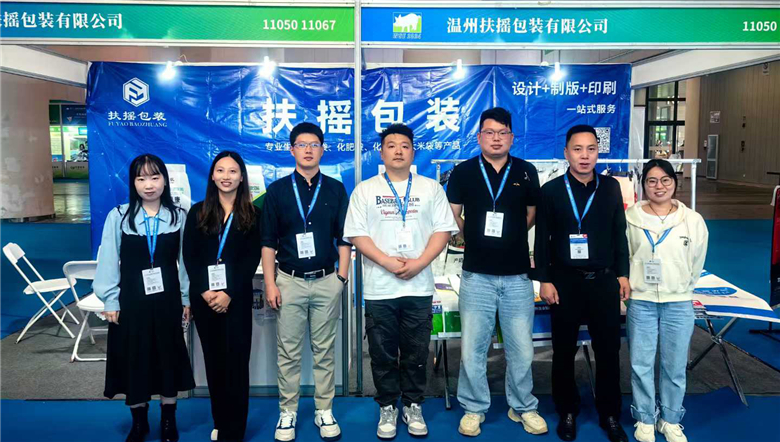
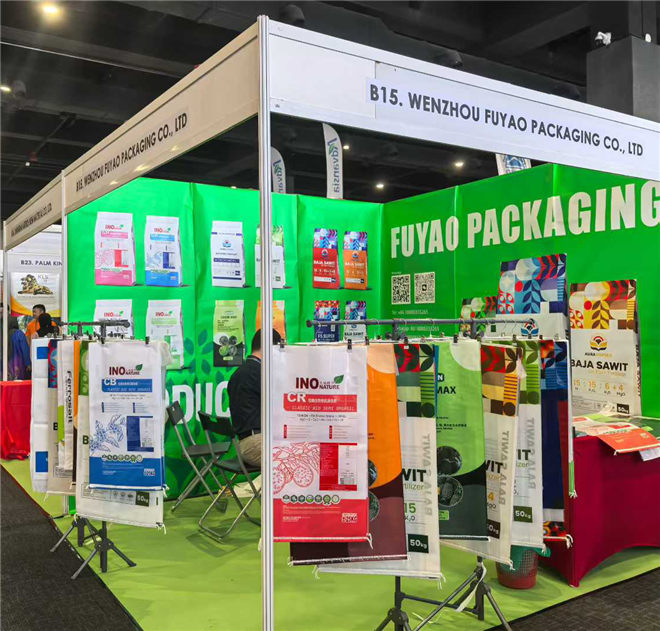
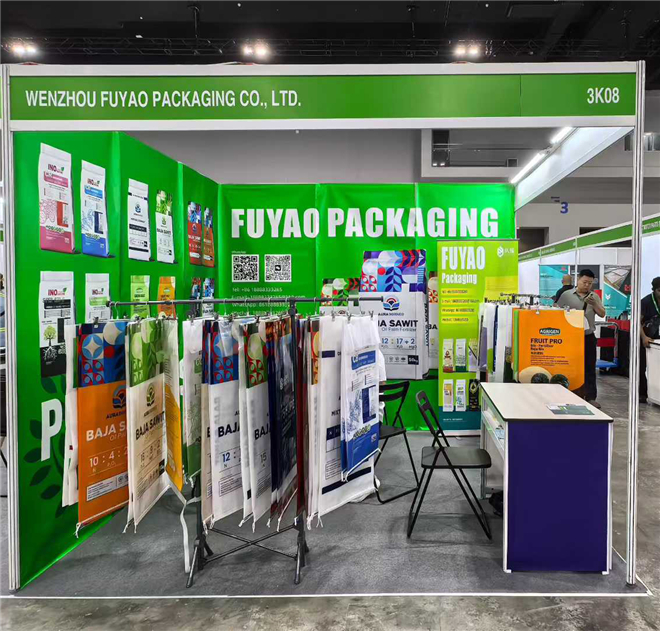
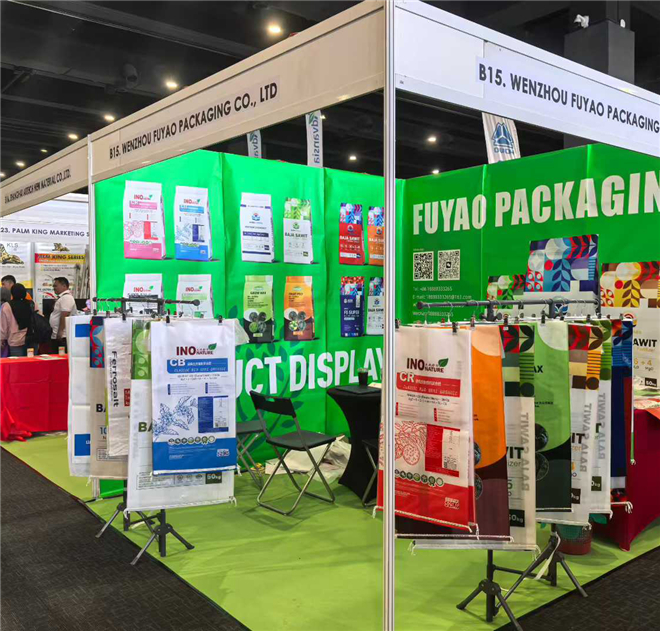
The name “Jiufen” originates from the concept of moderation in traditional philosophy, reflecting a business approach that values balance, humility, and continuous improvement. Rather than pursuing short-term gains, we focus on long-term cooperation and sustainable growth.

Over the years, we have built long-term partnerships with clients across various industries, providing customized packaging solutions tailored to specific applications. By combining strong manufacturing capability with professional export services, we aim to deliver reliable products, competitive solutions, and consistent support to customers worldwide.

We are committed to deepening our presence in international markets and building a trusted global trade brand through high-quality products and professional service, achieving steady and sustainable growth.
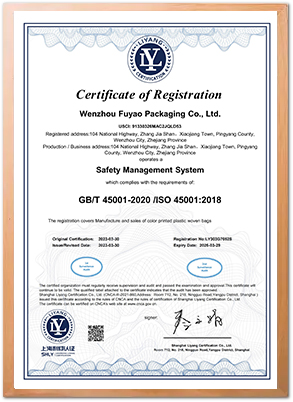
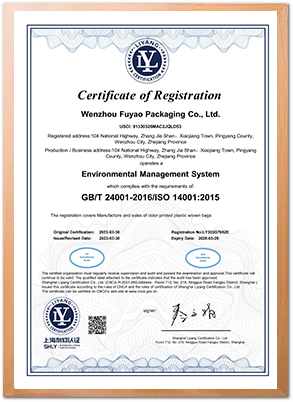
Explore our extensive selection of moisture-resistant chemical and agricultural bulk packaging bags designed for global supply chain safety.