Leave Your Message
In the modern agricultural and aquaculture sectors, efficiency, product integrity, and cost-effectiveness are the cornerstones of successful operations. As global demand for protein continues to rise, the production of livestock, poultry, and aquaculture feeds has scaled up dramatically. To keep pace with this high-speed manufacturing, feed mills worldwide are transitioning from traditional manual or semi-automated packaging methods to fully automated Form Fill Seal (FFS) systems.
Traditional paper or standard woven sacks often fall short in high-throughput environments due to slow filling cycles, high labor requirements, and susceptibility to moisture and pests. The introduction of the Form Fill Seal Woven Sack has revolutionized the bulk packaging industry. Made from continuous rolls of tubular woven polypropylene (PP) film, these sacks are formed, filled with precise amounts of feed, and hermetically sealed in one continuous, automated operation. This technology not only dramatically increases packaging speed but also ensures that the feed remains fresh, dry, and free from external contamination.
SEO Insight: Integrating FFS Woven Sacks into your feed packaging line reduces material waste by up to 15%, eliminates manual sealing errors, and extends the shelf life of high-lipid aquaculture feeds.
Each category of animal feed presents unique packaging challenges that require specialized material science and design:
Livestock feeds are often packaged in heavy units (20kg to 50kg). The packaging must withstand immense drop impact, rough handling during transport, and stack stability in warehouse environments. FFS woven sacks provide the ultimate tensile strength required to prevent bursting.
Poultry feeds are highly sensitive to moisture absorption, which can lead to mold growth and the development of harmful mycotoxins. FFS woven sacks laminated with a moisture-barrier layer ensure dry, safe storage from the mill to the farm.
Aquatic feeds are rich in proteins and lipids (fats), making them highly susceptible to rancidity when exposed to oxygen. They also tend to release oils that can penetrate standard packaging. Advanced BOPP-laminated FFS woven sacks offer excellent oil resistance and gas barrier properties to preserve nutritional integrity.
Modern feed mills run 24/7. Manual bag placement on filling spouts is a major bottleneck. FFS technology utilizes roll-fed tubular woven PP, allowing packaging machinery to run continuously at speeds exceeding 1,000 bags per hour with minimal human intervention.

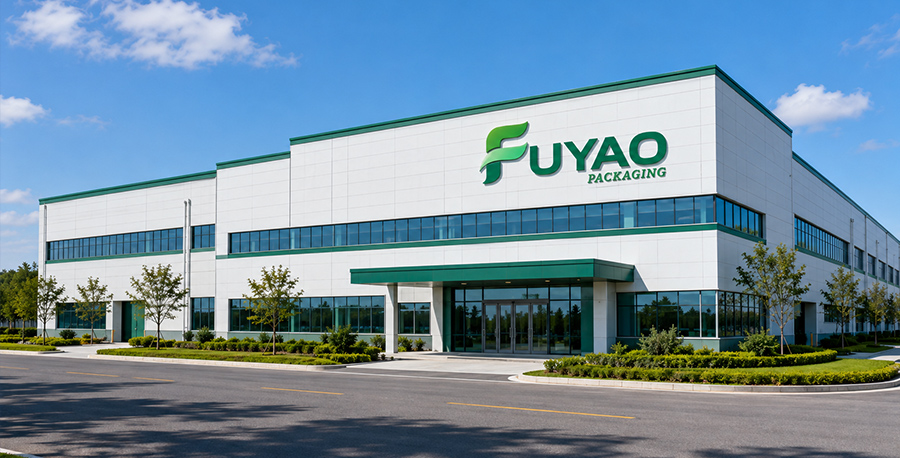
Wenzhou Fuyao Packaging Co., Ltd. was established in 2010 with a registered capital of RMB 20 million. The company covers an area of approximately 10 mu, with a total building space of 10,000 square meters. Located in Xiaojiang Town, Pingyang County, Wenzhou, we are about 50 kilometers from Wenzhou Airport, offering convenient transportation and logistics access.
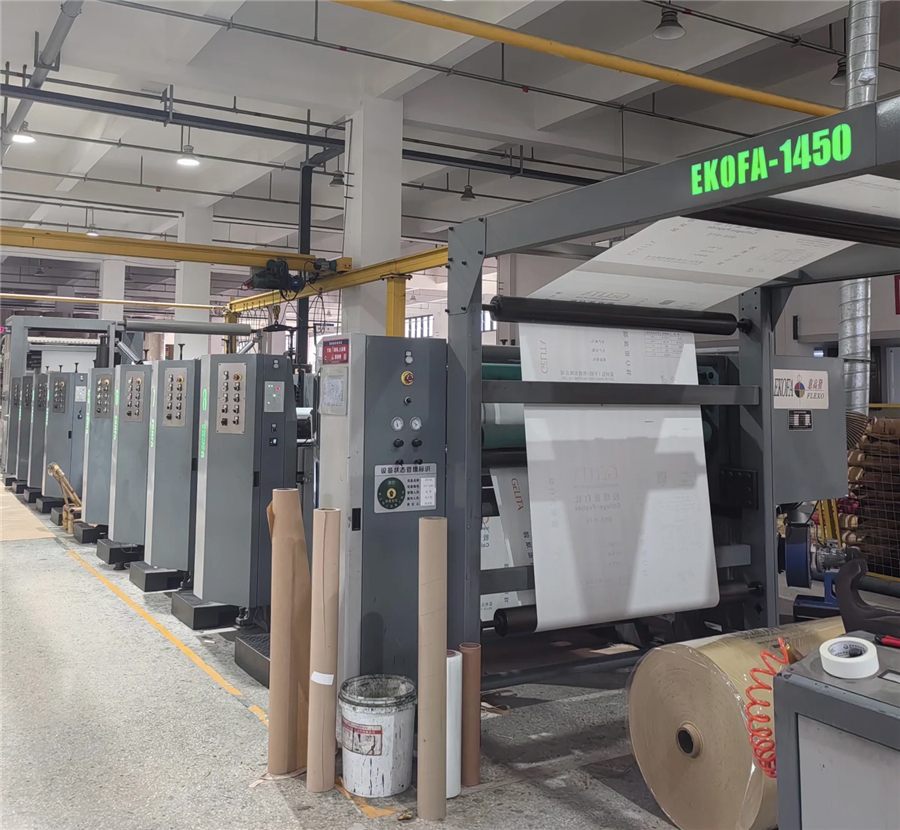
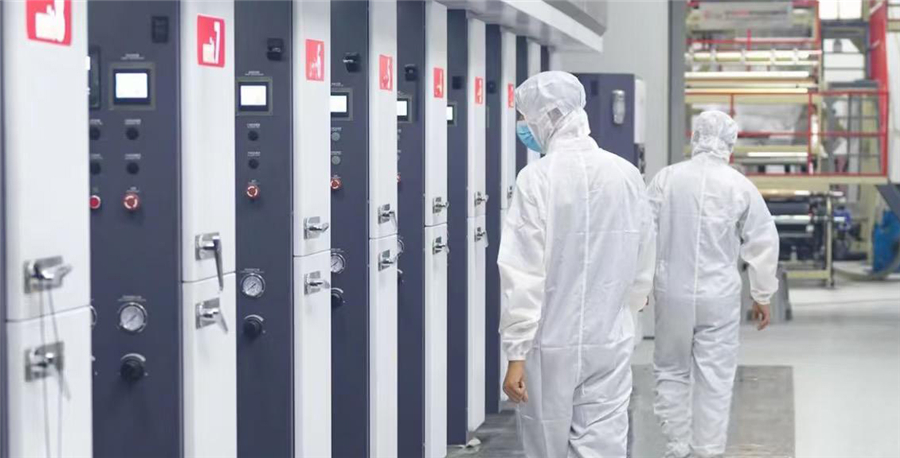
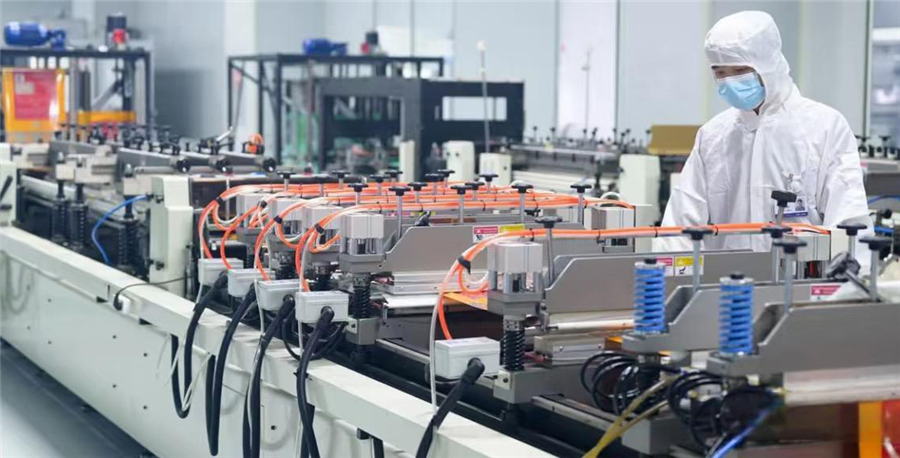
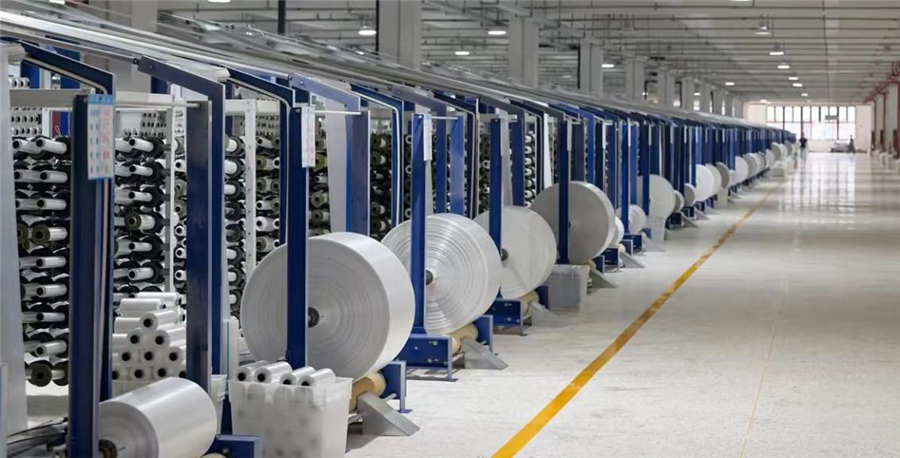
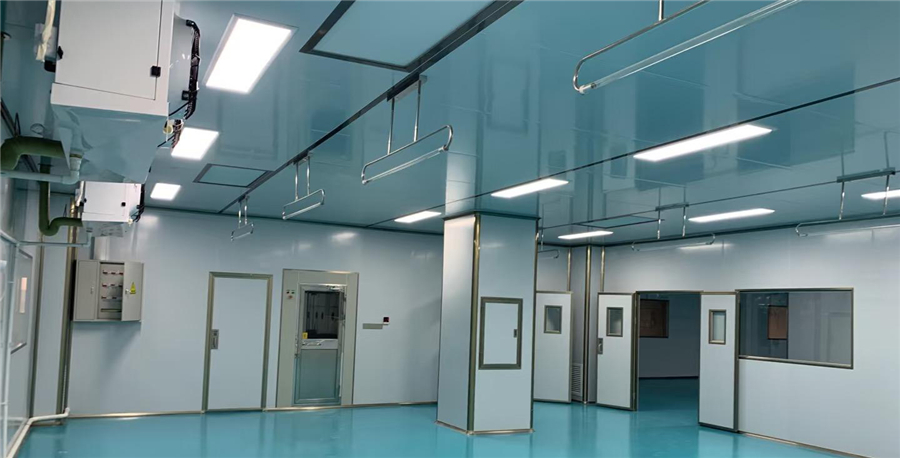
Fuyao Packaging serves as our core manufacturing base, specializing in the production of industrial packaging products. Equipped with advanced automated production lines and operating under standardized manufacturing processes, we ensure stable quality, efficient output, and reliable delivery for global customers.
Woven polypropylene (PP) has long been recognized for its superior strength-to-weight ratio. When integrated with FFS automation, it offers unmatched advantages over traditional multi-wall paper bags or PE bags:
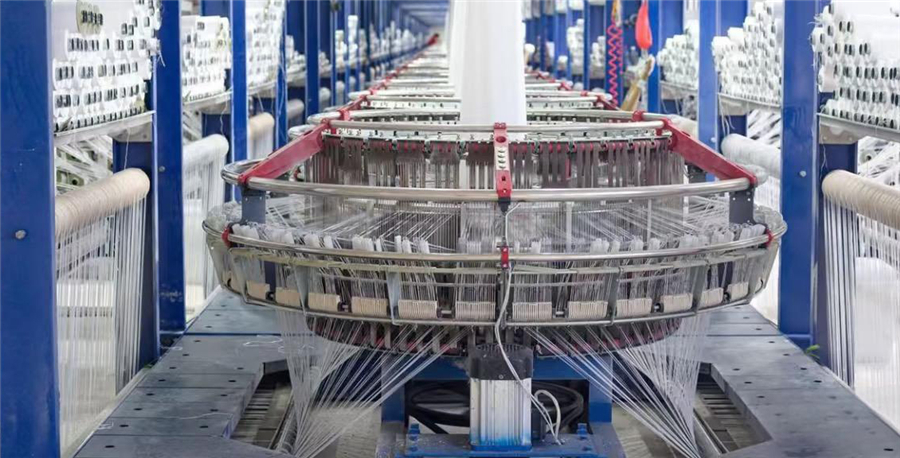
Unlike flat-woven fabrics that are sewn at the sides, FFS woven sacks use circular woven tubular fabric. This means there are no side seams, which are traditionally the weakest points of a bulk bag. The absence of side seams eliminates the risk of vertical tearing under heavy loads, ensuring that 25kg to 50kg of feed remains secure during transport and handling.
To protect sensitive livestock and aquaculture feeds from environmental factors, the woven PP fabric can be laminated with a thin layer of Polyethylene (PE) or Polypropylene (PP) film. For premium branding and maximum barrier protection, a BOPP (Biaxially Oriented Polypropylene) film can be laminated to the exterior. This BOPP layer provides:
Bulk feed bags are often stored in open-air sheds or stacked high in warehouses. To ensure safe stacking, FFS woven sacks can be treated with anti-skid agents or woven with specialized friction-enhancing patterns. Additionally, UV stabilizers are added to the PP masterbatch during the extrusion process, protecting the bags from degrading under direct sunlight for extended periods.
The global agricultural packaging sector is undergoing a major shift towards sustainability. Woven PP FFS sacks are at the forefront of this movement. Unlike multi-material packaging that is difficult to recycle, monomaterial PP woven sacks (where the fabric, lamination, and sewing threads are all made from polypropylene) are 100% recyclable.
Furthermore, feed manufacturers are increasingly adopting "smart packaging" elements. By printing QR codes, datamatrix codes, or embedding RFID tags directly onto the BOPP laminated surface of the FFS sack during the printing stage, manufacturers can achieve full batch traceability. This is crucial for aquaculture and livestock feeds, where tracking the chain of custody of feed ingredients is vital for food safety regulations.
At Wenzhou Fuyao Packaging Co., Ltd., we design and manufacture high-performance packaging solutions tailored to the rigorous demands of the global agriculture and feed industries. Our main product range includes: