Leave Your Message
Heavy-duty laminated woven structures customized for high-speed Form Fill Seal (FFS) lines and demanding agricultural transport.
The global trade of agricultural commodities, encompassing grains, pulses, animal feed, fertilizers, and oilseeds, is experiencing an unprecedented structural transformation. As supply chains extend across continents through complex intermodal rail, maritime, and highway networks, the demand for high-integrity bulk packaging has escalated. Traditional open-mouth, manually stitched polypropylene (PP) sacks are rapidly proving insufficient in modern, automated high-throughput agricultural facilities. The vulnerability to burst seams, atmospheric moisture absorption, fungal proliferation, and operational downtime has prompted agricultural conglomerates to transition decisively toward Form Fill Seal (FFS) woven sack technology.
FFS tubular woven sacks represent a monumental leap in industrial packaging science. Supplied as continuous reels of circular woven fabric coated with barrier polymers or laminated with BOPP film, these rolls are seamlessly fed into automated FFS machines. The automated line cuts, forms the bottom seal, precisely dispenses bulk agricultural product, and hermetically seals the top in a continuous, high-speed cycle. This automation not only achieves throughput rates of up to 1,200 to 2,000 sacks per hour but fundamentally eliminates human handling contamination, minimizes material waste, and delivers uniform, block-bottom or pillow geometries tailored for ultra-stable robotic palletizing.
Continuous tubular reel feeding eliminates open-mouth positioning bottlenecks, optimizing processing speeds up to 2,000 bags/hour with reduced manual labor.
Advanced multi-layer extrusion coatings and hot-air or ultrasonic weld seals ensure impervious barriers against rain, marine moisture, and pest ingress.
Dimensionally uniform sack formation prevents bag slippage, optimizing shipping container volume utilization by up to 14% during transoceanic freight.
Long-distance transportation exposes agricultural goods to severe dynamic stresses, rough cargo handling, and drastic climate shifts—such as transitioning from sub-zero agricultural zones to equatorial humid maritime corridors. The mechanical and barrier performance of the Form Fill Seal Woven Sack relies on sophisticated polymer co-extrusion and composite weaving technology.
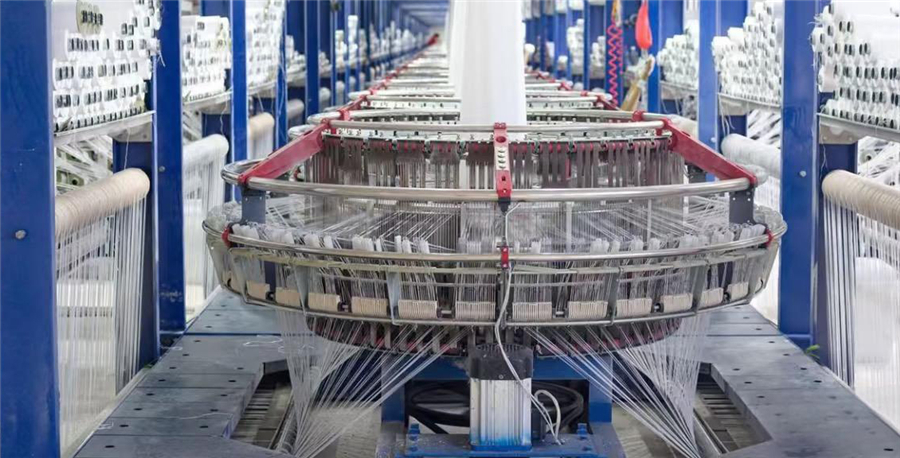
Fuyao Packaging utilizes high-tenacity, virgin polypropylene tapes woven on advanced circular looms to build an omnidirectional load-bearing matrix. To overcome the inherent porosity of woven fabrics, the tubular sleeve undergoes extrusion coating with specialized Polyethylene (PE) and Polypropylene (PP) blends or co-extruded barrier films. This fusion eliminates micro-capillary action, ensuring that moisture-sensitive agricultural goods—such as hygroscopic urea fertilizers, micro-nutrient feeds, and milled flour—remain within strict moisture-threshold limits, preventing caking, microbial growth, and nutrient degradation throughout multi-month transit cycles.
A critical engineering challenge in high-speed FFS filling of dense agricultural powders and grains is rapid air evacuation without permitting external moisture ingress. Modern FFS woven sacks integrate labyrinth micro-perforations or one-way degassing valves. During the vertical drop and thermal sealing process, excess trapped air is instantaneously vented under compaction rollers, yielding rigid, brick-like packages that do not balloon or deform during warehouse stacking exceeding 20 layers in height.
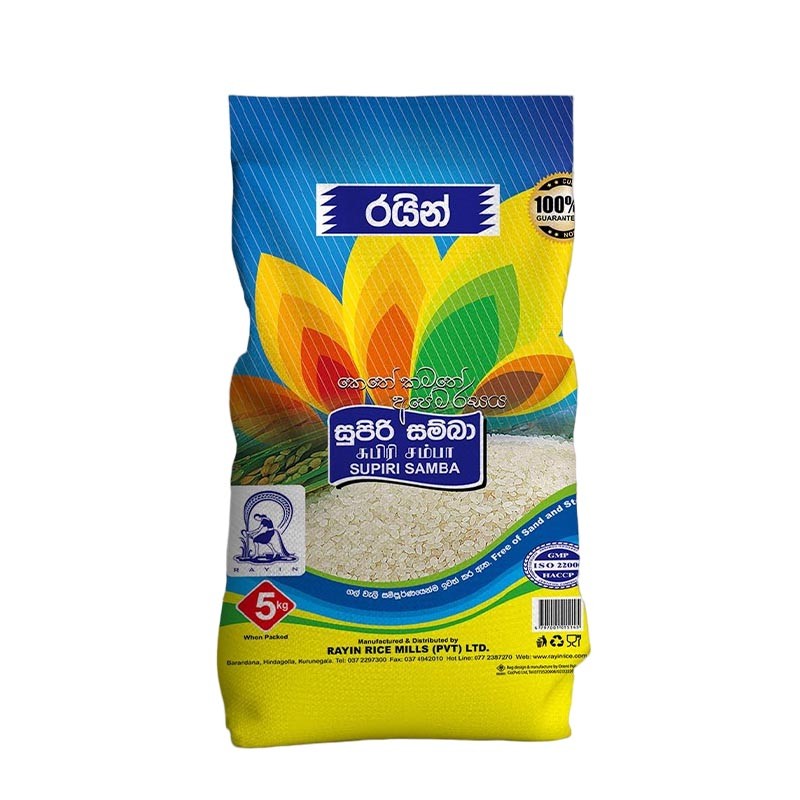
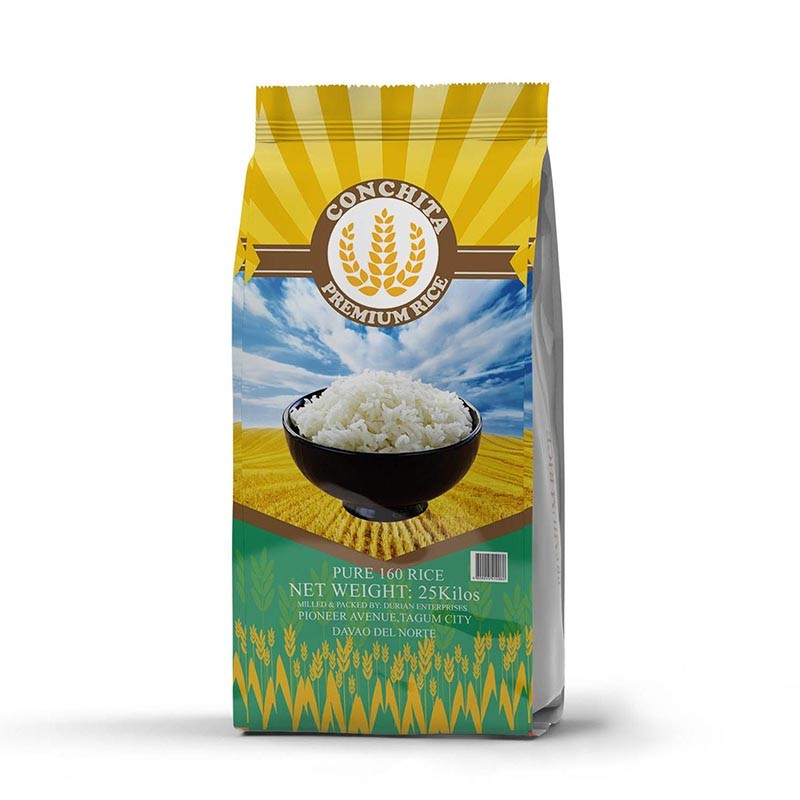
Bulk grains shipped across ocean routes face cargo sweat and condensation cycles inside shipping containers. Traditional stitched bags absorb this humidity, triggering mold and aflatoxin contamination. Laminated FFS woven sacks provide an impermeable envelope that safeguards grain germination viability and culinary grade standards from origin loading to destination processing plants.
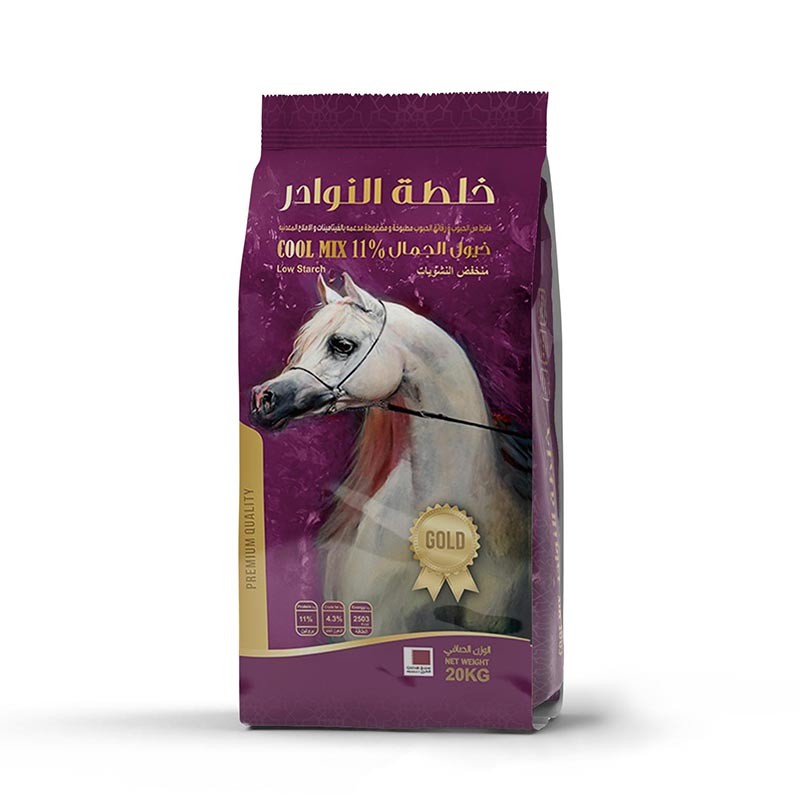
Modern feed formulations contain high concentrations of lipids, amino acids, and essential vitamins vulnerable to photo-oxidation, lipid rancidity, and insect infestation. High-strength FFS woven sacks with integrated UV-stabilized BOPP barrier films shield compound feeds against solar radiation, volatile aroma loss, and mechanical puncture throughout extended rough-road distribution.
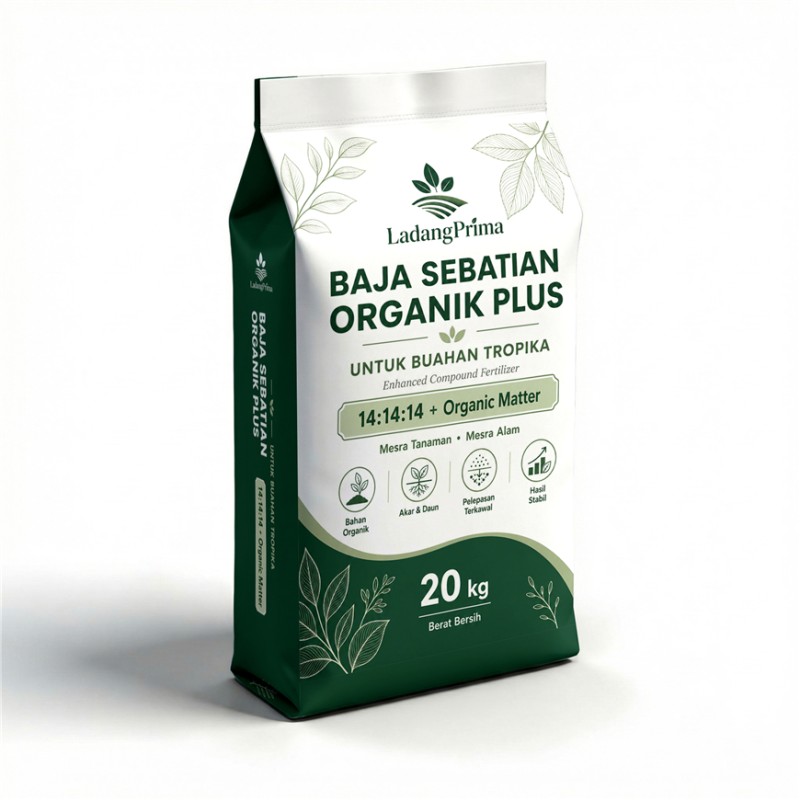
Chemical fertilizers like Ammonium Nitrate, Urea, and complex NPK granules are intensely hygroscopic. Exposure to ambient air results in rapid hardening, dissolution, and chemical instability. Hermetically sealed FFS woven sacks create a vacuum-like dry environment, resisting the corrosive nature of mineral fertilizers while preventing toxic dusting during cargo loading operations.

Years Industry Experience
Floor Area
Registered Capital
Distance to the Airport
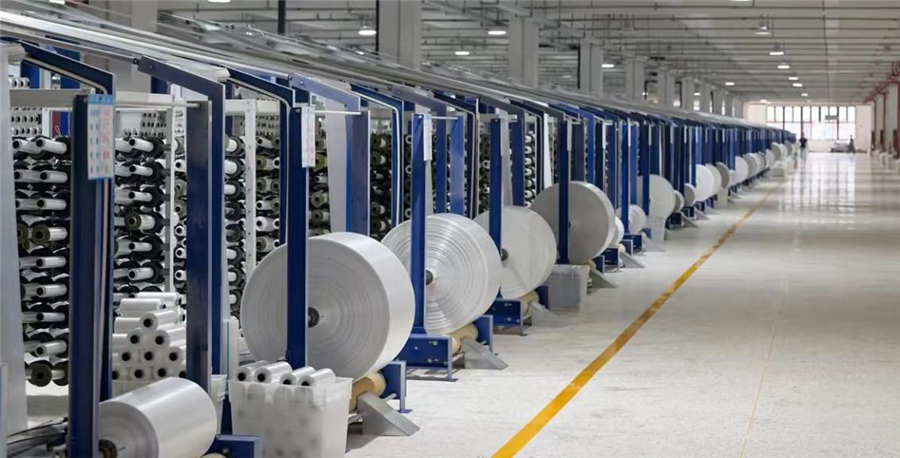

The geometric consistency of Form Fill Seal woven sacks is a fundamental catalyst for next-generation automated distribution hubs. Unlike conventional manually stitched sacks that exhibit inconsistent overhang, variable length, and irregular thickness, FFS tubular sacks are precision-formed to exact millimeter tolerances. When integrated into end-of-line robotic palletizing cells, these rectangular, hermetically sealed packages stack seamlessly in interlocked patterns. This dimensional precision eliminates pallet overhang, reduces package rub abrasion, and enhances the volumetric efficiency of 40-foot high-cube sea containers, maximizing cargo weight per container and substantially reducing per-ton transportation costs.
Furthermore, the high tensile strength of the oriented polypropylene tapes prevents burst failures during dynamic crane handling, rail shunting, and rough transshipment transfers. With drop-impact resistance engineered to survive multiple 2-meter vertical drop tests without seam failure, FFS woven sacks drastically mitigate loss claims for international commodity traders.
In accordance with global ESG directives and evolving packaging waste regulations across Europe, North America, and the Asia-Pacific region, the agricultural packaging industry is shifting aggressively toward mono-material polymer solutions. Traditional multi-material structures combining paper, aluminum foil, and unbonded polyolefins are virtually impossible to separate mechanically. Modern FFS woven sacks engineered by Fuyao Packaging prioritize all-polyolefin architectures (100% PP or fully compatible PP/PE co-extrusions). This ensures that spent sacks can be seamlessly regranulated directly into post-industrial and post-consumer recycling loops without laborious manual delamination, lowering the overall carbon footprint of bulk agricultural distribution networks.


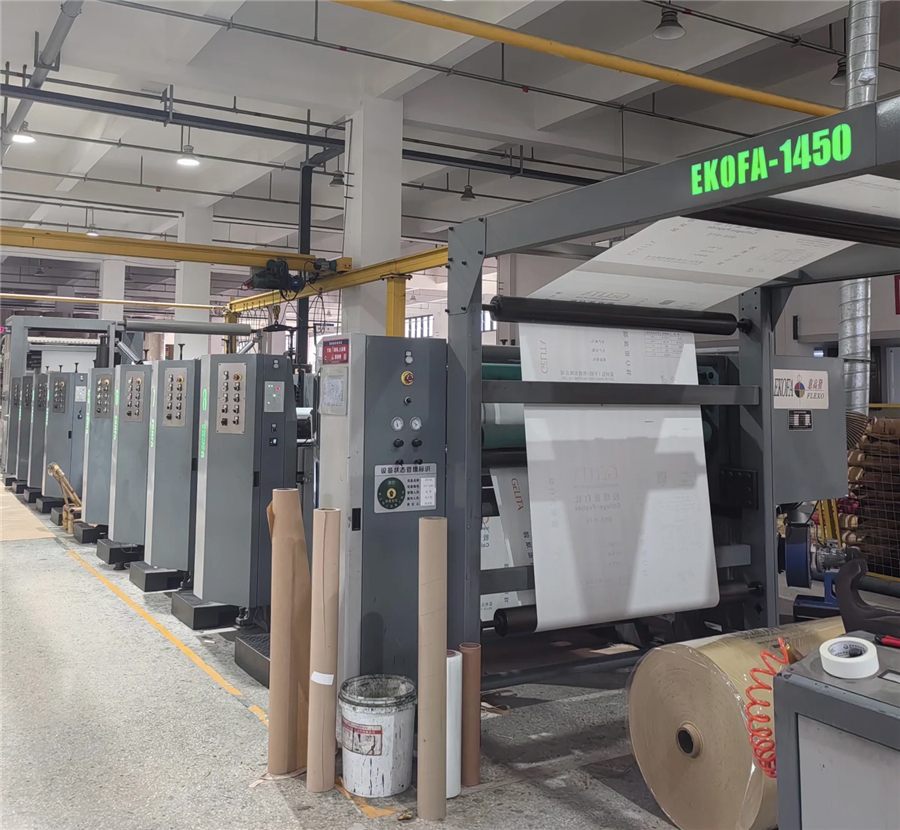
Explore our complete manufacturing lineup for grain bulk storage, feed preservation, fertilizer transit, and automated packaging systems.