Leave Your Message
High-efficiency, moisture-proof, and heavy-duty bags designed for automated industrial packing lines.
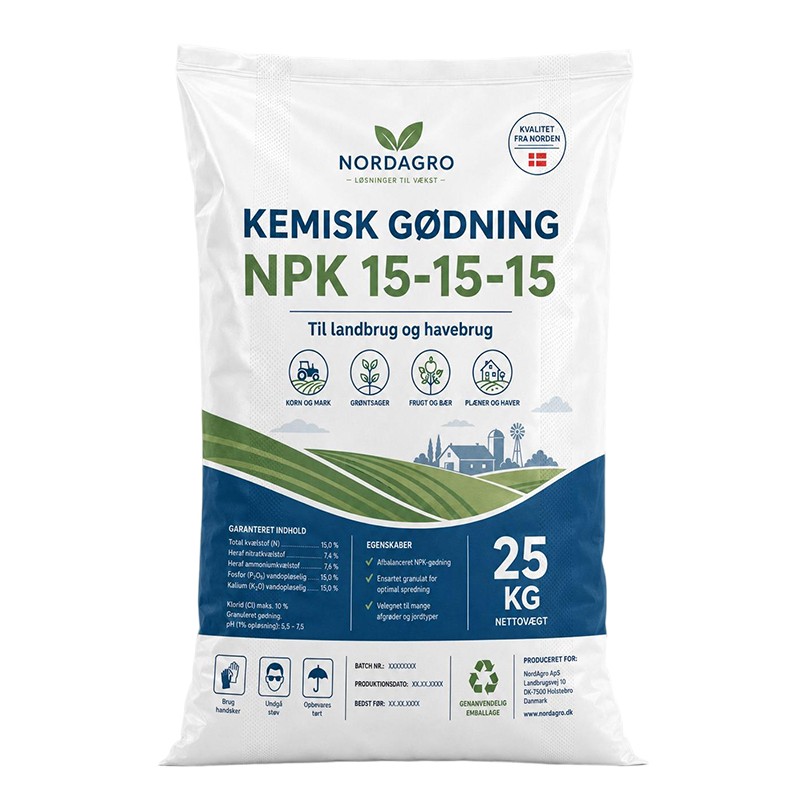
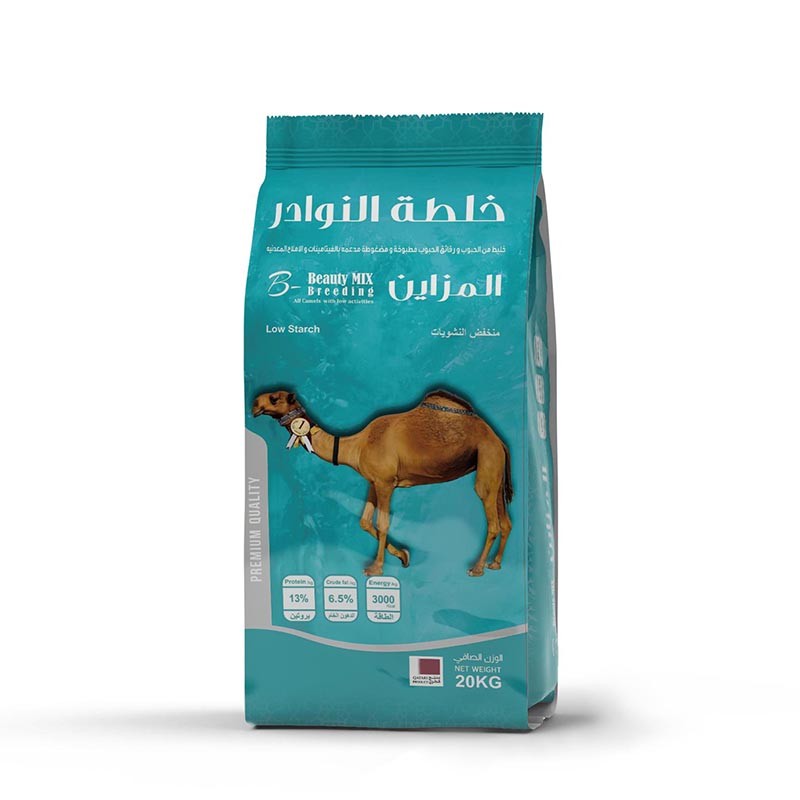
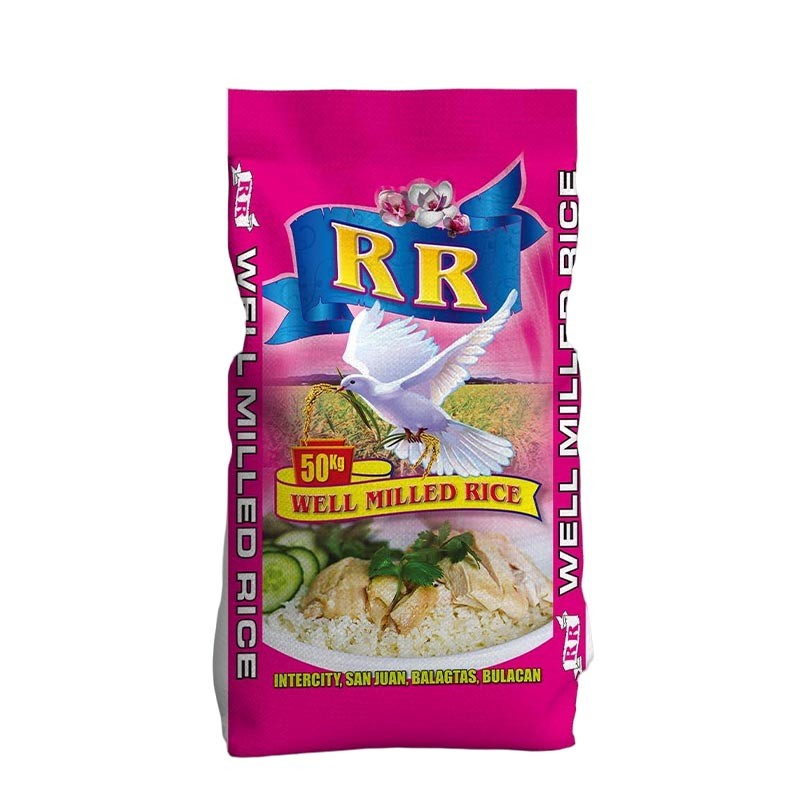
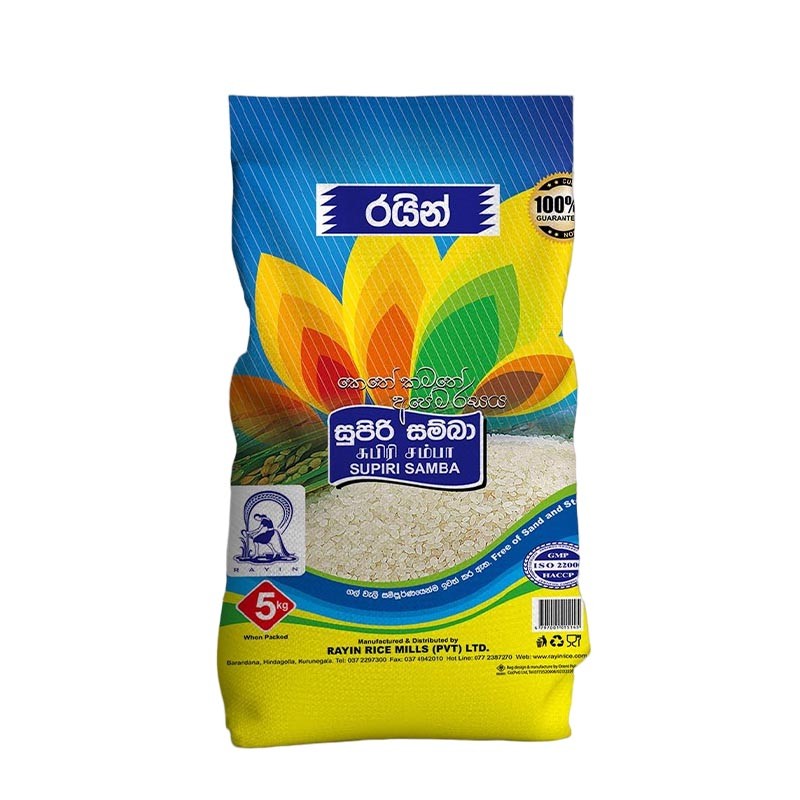
The global industrial landscape is undergoing a massive shift towards automation, sustainability, and enhanced product protection. For decades, the packaging of industrial mineral powders (such as silica, calcium carbonate, bentonite, and gypsum) and construction materials (including dry-mix mortar, cement, and tile adhesives) relied heavily on traditional paper valve bags or standard woven polypropylene bags. While these options served their purpose, they frequently suffered from leakage, moisture damage, and slow packaging speeds.
Today, the introduction of the Heat Sealable PP Woven Sack FFS (Form, Fill, and Seal) technology has revolutionized bulk packaging. By combining the high tensile strength of woven polypropylene with the airtight, moisture-barrier properties of modern polymer films, these bags offer an unparalleled packaging solution. Designed specifically for high-speed, fully automated FFS packaging lines, this technology minimizes human intervention, eliminates material waste, and ensures that sensitive minerals remain dry and uncontaminated during transit and long-term storage.
"The transition to Heat Sealable PP Woven FFS sacks is not just an upgrade in packaging materials—it is a strategic move to optimize supply chain logistics, reduce product loss, and meet strict international environmental standards."
Industrial minerals and construction materials present unique handling and storage challenges. Unlike agricultural products or coarse grains, these materials are often highly abrasive, extremely fine, and highly sensitive to environmental factors.
The manufacturing of a Heat Sealable PP Woven FFS sack requires a sophisticated blend of material sciences. At its core, the bag is constructed from woven polypropylene tape, which provides the high mechanical strength. However, standard woven PP cannot be easily heat-sealed on high-speed FFS machines because PP has a high melting point and the woven texture makes it difficult to achieve an airtight weld.
To solve this, advanced manufacturers like Wenzhou Fuyao Packaging Co., Ltd. apply a specialized co-extruded coating or laminate a heat-sealable polymer layer (typically a blend of PE and specialized sealing agents) onto the inner surface of the woven fabric. This inner layer melts at a lower, controlled temperature, allowing the FFS machine's sealing bars to create a hermetic, leak-proof seal without damaging the structural integrity of the outer woven PP layer.

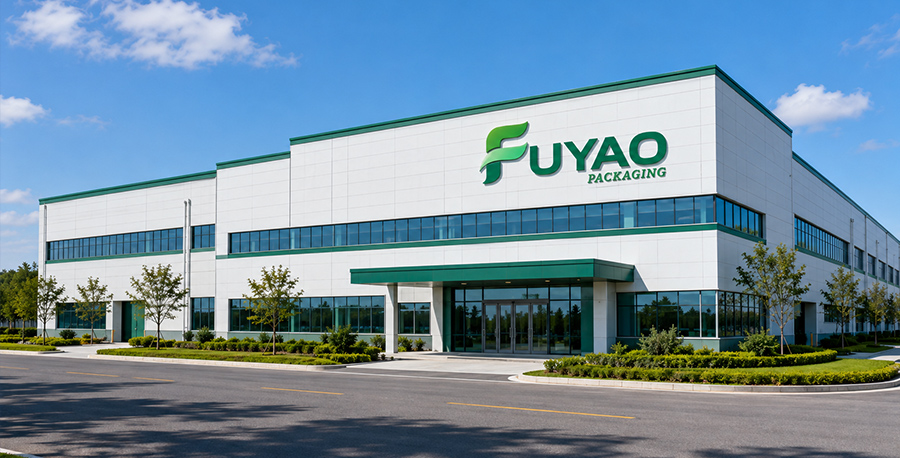
Wenzhou Fuyao Packaging Co., Ltd. was established in 2010 with a registered capital of RMB 20 million. The company covers an area of approximately 10 mu, with a total building space of 10,000 square meters. Located in Xiaojiang Town, Pingyang County, Wenzhou, we are about 50 kilometers from Wenzhou Airport, offering convenient transportation and logistics access.
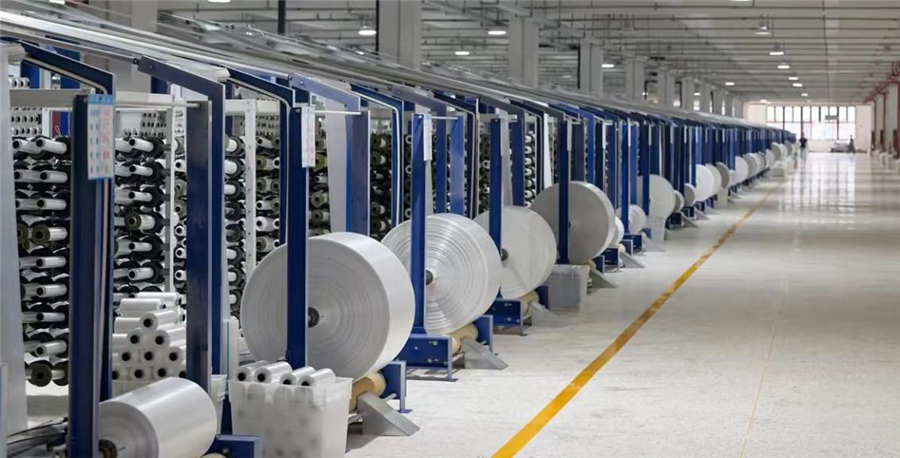
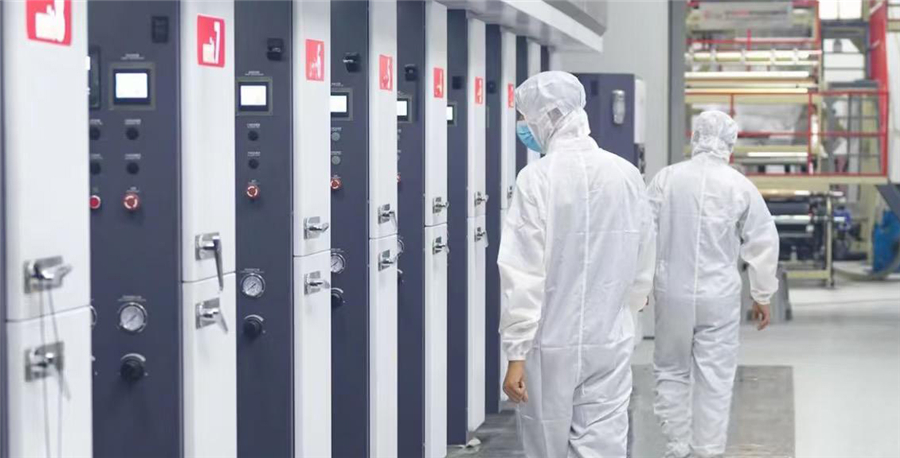
Fuyao Packaging serves as our core manufacturing base, specializing in the production of industrial packaging products. Equipped with advanced automated production lines and operating under standardized manufacturing processes, we ensure stable quality, efficient output, and reliable delivery for global customers.
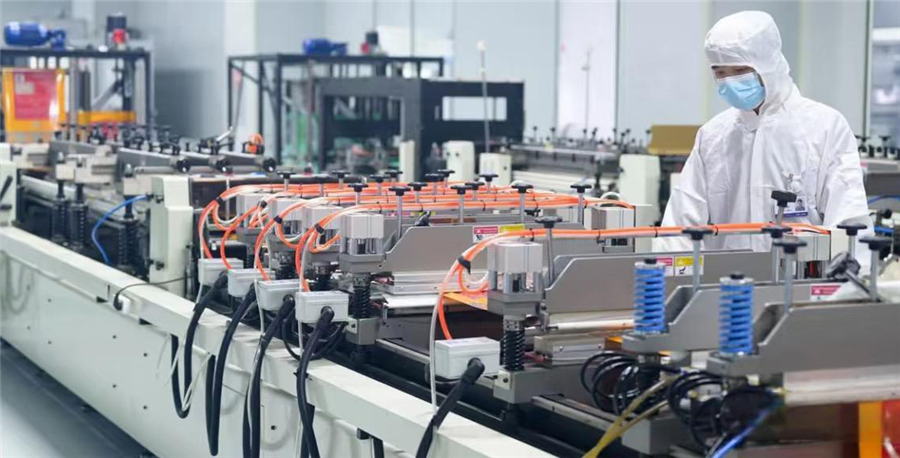
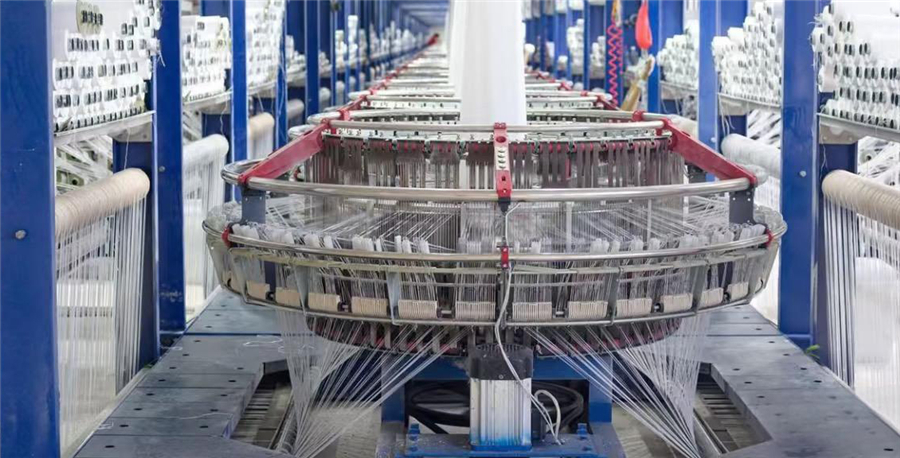
The global market for industrial packaging is experiencing rapid growth, driven by the expansion of the construction sector in developing economies and the modernization of chemical and mineral processing plants worldwide. Key trends shaping the future of Heat Sealable PP Woven FFS bags include:
Labor shortages, rising operational costs, and the need for higher production efficiency are pushing manufacturers to automate their packing processes. Manual bag-placing systems are being replaced by high-speed, fully integrated FFS packaging lines. Heat sealable PP woven FFS rolls are the perfect match for this automation, enabling continuous operation with minimal downtime, precise filling weights, and consistent sealing quality.
Environmental regulations are targeting single-use plastics and non-recyclable multi-material packaging. Traditional paper bags laminated with plastic film are difficult to recycle. In contrast, mono-material or highly compatible PP/PE structures used in modern FFS woven sacks are 100% recyclable. Industry leaders are also exploring the integration of post-consumer recycled (PCR) resins into the woven structure without sacrificing the bag’s tensile strength.
In the logistics chain of construction materials, product loss due to bag breakage is a major cost factor. According to industry studies, up to 2-3% of bulk powders are lost during transit when packed in low-grade bags. The high puncture resistance of woven PP combined with airtight heat sealing virtually eliminates transit product loss, providing a clear economic and environmental benefit.
We manufacture a wide range of industrial, agricultural, and custom packaging solutions tailored to global standards.


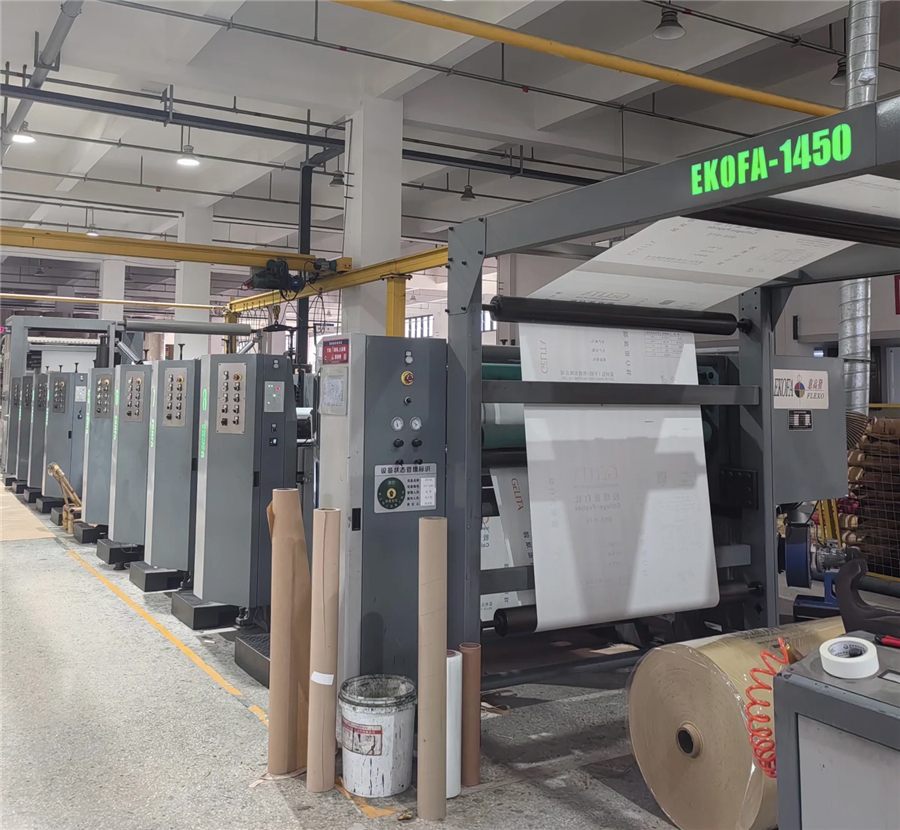
With over 100 sets of modern machinery, including high-speed printing machines, laminating machines, film blowing machines, and bag-making equipment, our factory achieves an annual production capacity of up to 10,000 tons, supporting large-scale and customized orders. We utilize state-of-the-art flexographic and rotogravure printing techniques to ensure high-fidelity brand representation on every sack.
To truly appreciate the value of Heat Sealable PP Woven FFS sacks, we must look at how they perform in specific, high-demand industrial environments:
Dry-mix mortars are complex formulations containing sand, cement, and chemical additives. The consistency of the mixture is crucial for its performance on construction sites. Moisture infiltration can activate the chemical polymers prematurely, ruining the batch. The heat-sealed closure of the PP woven FFS sack ensures that the atmosphere inside the bag remains completely dry, preserving the chemical reactivity of the additives for up to 12 months, even in humid tropical climates.
Silica sand is abrasive and heavy. Traditional paper bags are prone to tearing when handling sharp, crystalline silica grains. Furthermore, contamination from paper fibers can ruin high-purity silica intended for glass manufacturing. PP woven sacks provide the necessary tear and puncture resistance, while the clean polymer construction prevents any fiber contamination, ensuring the material arrives in pristine condition.
Bentonite is highly hygroscopic—it absorbs water rapidly and expands. Packing bentonite requires packaging that is completely impervious to ambient humidity. A heat-sealed FFS bag provides a perfect hermetic barrier. Additionally, because bentonite is an extremely fine powder, the dust-proof nature of the heat-welded seams prevents product loss and keeps the packaging facility clean.
Calcium carbonate is packed in massive quantities for industrial, agricultural, and chemical use. The cost-efficiency of the packaging material is critical. The high-speed production capability of FFS roll-stock film significantly reduces the packaging cost per bag compared to pre-made valve bags, making it the most economical choice for high-volume mineral processors.
At Wenzhou Fuyao Packaging Co., Ltd., we understand that every industrial application has unique specifications. We offer a comprehensive range of customization options to ensure our Heat Sealable PP Woven FFS bags meet the exact requirements of your filling lines and supply chain:
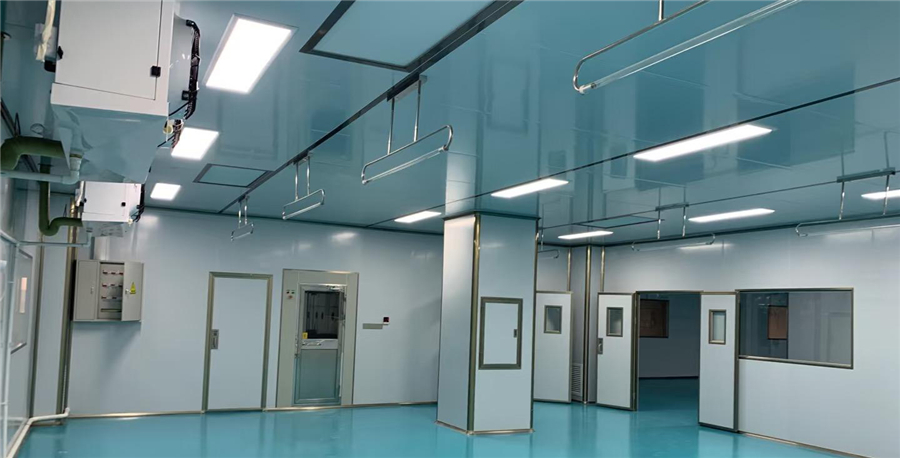
Our internal quality control laboratory conducts rigorous testing on every batch of raw materials and finished products, including drop tests, tensile strength testing, seal strength verification, and UV aging tests. This guarantees that every bag delivered to our customers performs flawlessly on automated FFS lines.
From heavy-duty industrial mineral sacks to food-grade agricultural packaging, we deliver quality you can trust.