Leave Your Message
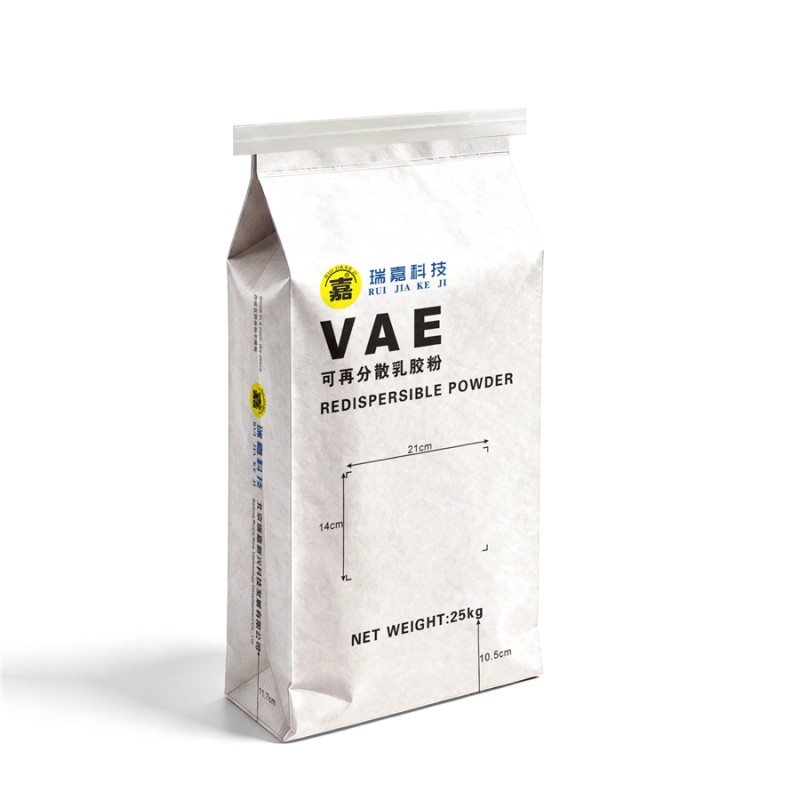
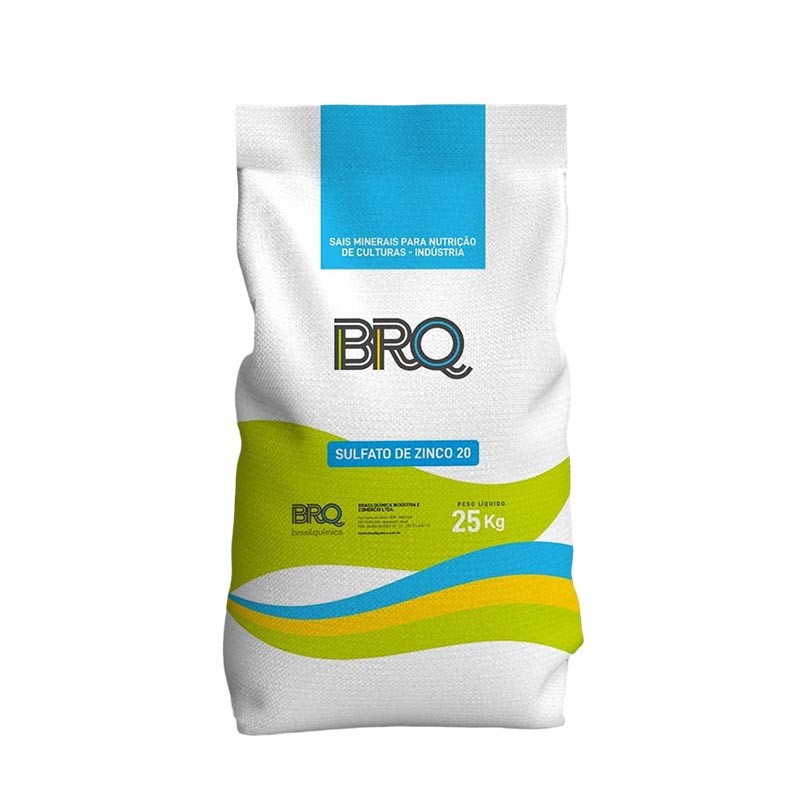
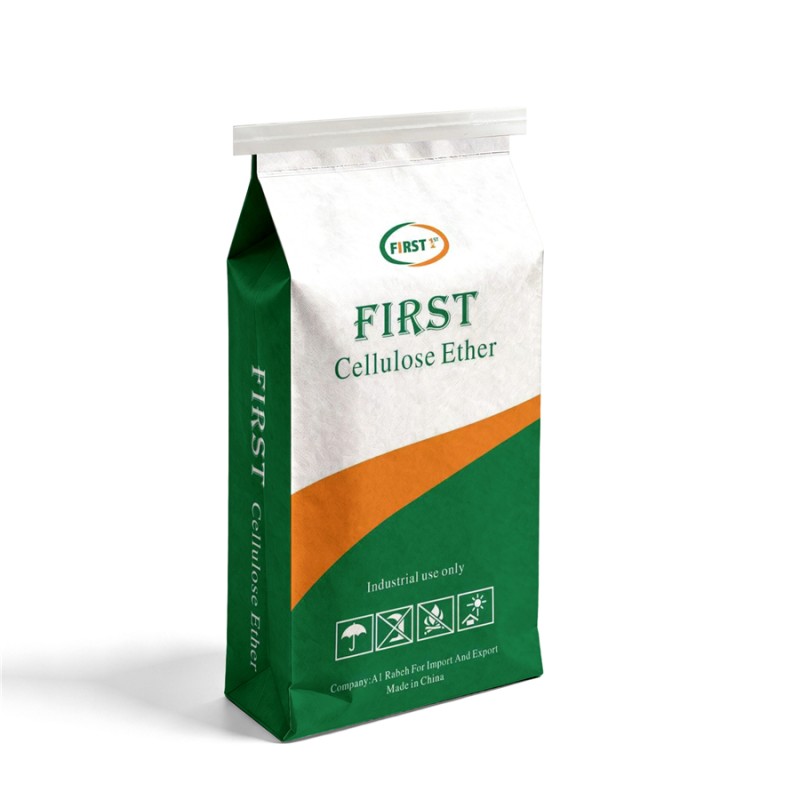
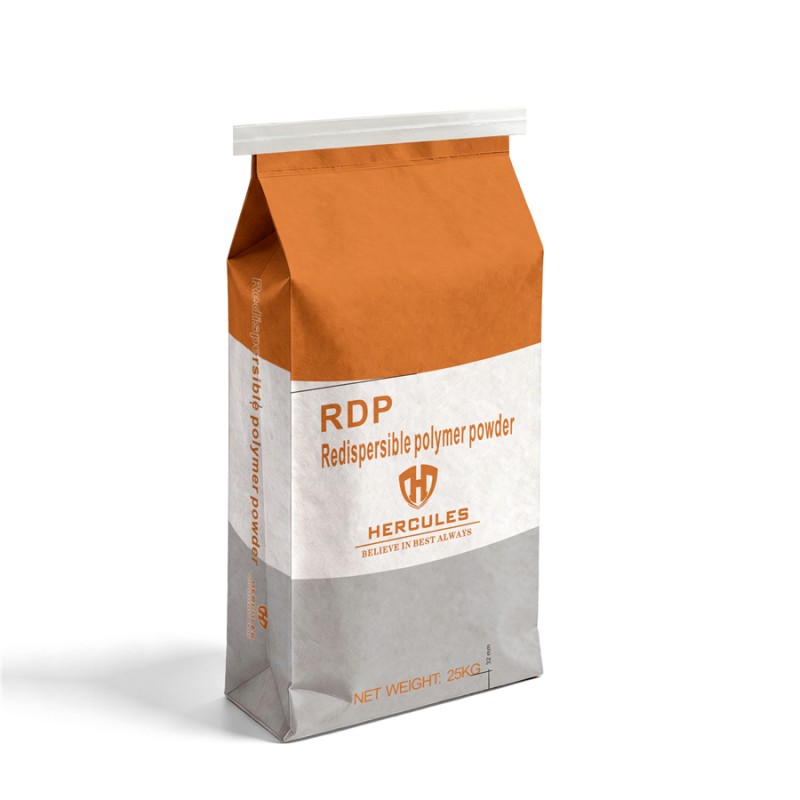
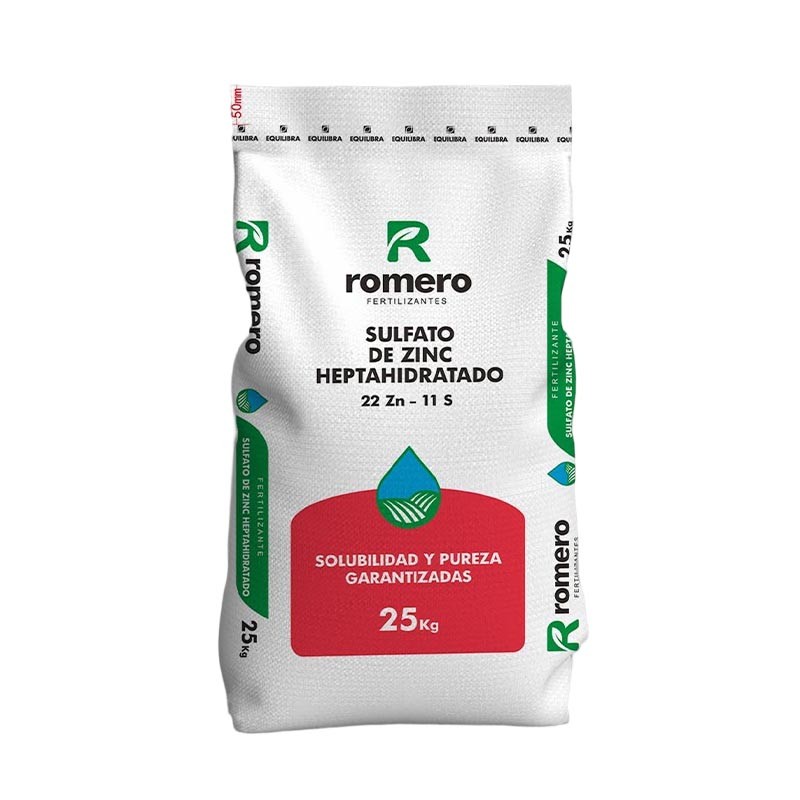
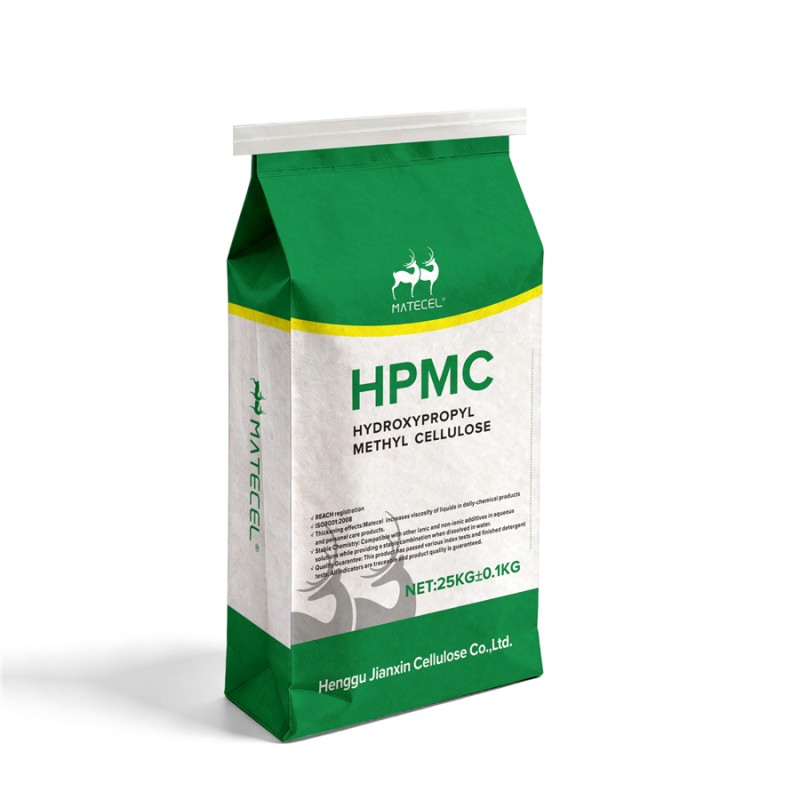
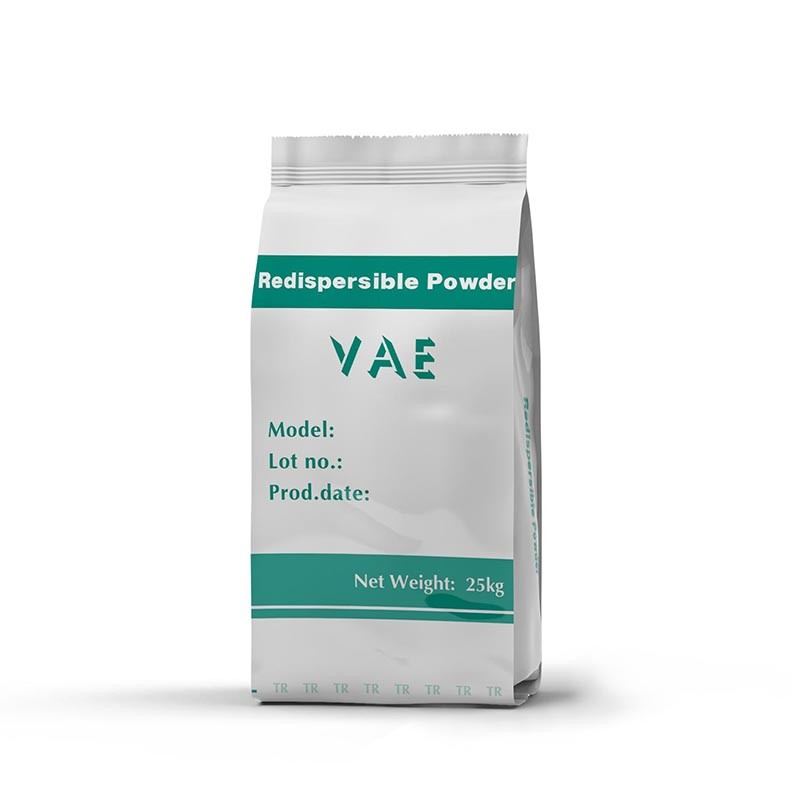
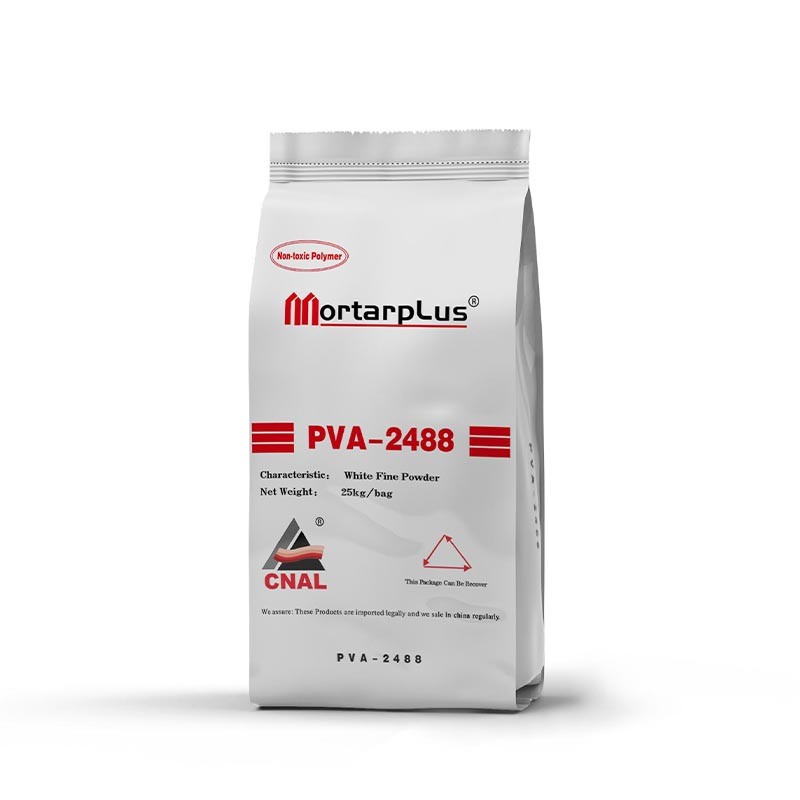
Engineered for high load capacity, moisture protection, and structural integrity across heavy-duty industrial applications.
In the modern industrial landscape, packaging is no longer just a container; it is a critical component of supply chain efficiency, product preservation, and environmental responsibility. The global demand for heavy-duty plastic bags integrated within eco-friendly multi-layer Kraft paper-plastic composite packaging has witnessed exponential growth. Industries ranging from chemical manufacturing, agriculture, and construction to food ingredients are transitioning away from single-layer plastic bags to advanced composite structures. This shift is driven by the need to achieve high mechanical performance while reducing carbon footprint and meeting strict international environmental regulations.
Multi-layer Kraft paper-plastic composite packaging represents the perfect synthesis of organic biodegradable materials and high-performance synthetic barriers. By combining the high tensile strength, stiffness, and printability of multi-layer Kraft paper with the superior moisture, gas, and chemical barrier properties of heavy-duty plastic inner layers, manufacturers can safely transport bulk goods across continents without risk of degradation or leakage.
Multi-layered Kraft paper absorbs physical impacts and prevents tears, while the inner heavy-duty plastic lining prevents punctures under extreme pressure.
Engineered to resist water vapor, oxygen transmission, and chemical reactions, ensuring sensitive powders and resins remain completely dry and stable.
Reduces virgin plastic consumption by up to 60% compared to pure plastic bags, supporting global corporate sustainability mandates and circular economy initiatives.
Globally, the market for heavy-duty industrial bags is undergoing a massive transformation. The United Nations Sustainable Development Goals (SDGs) and the European Union's Packaging and Packaging Waste Regulation (PPWR) are forcing multinational corporations to evaluate the life-cycle impact of their bulk packaging. Traditional single-use heavy-duty polyethylene (PE) bags, while functional, face high disposal taxes and negative consumer perception. Conversely, pure paper bags lack the necessary protection for hygroscopic materials like fine chemical powders, cement additives, and food-grade starches.
This is where multi-layer Kraft paper-plastic composite packaging establishes its dominance. By engineering a hybrid structure, manufacturers can leverage the natural compostability of Kraft paper as the outer skin, while utilizing a thin but highly robust heavy-duty plastic inner bag that can be separated during recycling or formulated using post-consumer recycled (PCR) plastics. This hybrid packaging model satisfies both regulatory compliance and mechanical performance demands, establishing itself as the standard for international bulk logistics of materials ranging from 15kg to 50kg.
In the chemical industry, the integrity of the product is paramount. Fine chemical powders, plastic resins, and hazardous ingredients require packaging that prevents any moisture absorption or static electricity buildup. The heavy-duty plastic bag layer within the Kraft paper composite structure is often co-extruded with anti-static agents, oxygen barriers (such as EVOH), and chemical-resistant PE layers. This multi-layered barrier protects the chemical components from external moisture ingress and prevents volatile compounds from escaping, ensuring a safe storage and shipping process.
Hygiene, pest prevention, and food safety compliance (such as FDA and QS certifications) are critical when packaging flour, food-grade starch, animal feed, and nutritional additives. The multi-layer Kraft paper acts as a natural barrier to light and physical damage, while the food-grade heavy-duty plastic lining prevents oil migration, dampness, and insect infestation. Additionally, specialized breathable, moisture-resistant composite bags allow trapped air to escape during high-speed filling lines without letting moisture back inside, maintaining product freshness throughout long maritime transits.
For heavy materials like dry-mix mortar, cement, gypsum, and mineral aggregates, packaging must withstand extreme drop impacts and rough handling. The outer Kraft paper layers provide high tensile strength and stiffness, ensuring the bags stack neatly on pallets without slipping. The inner heavy-duty plastic layer prevents the fine dust from leaking out, maintaining a clean warehouse environment and protecting workers from inhaling airborne particles, while ensuring the contents remain free-flowing and clump-free.
Jinan Jiufen Import & Export Co., Ltd. operates as our dedicated international trade partner, working in close coordination with Fuyao Packaging.
While Fuyao focuses on production and manufacturing, Jiufen is responsible for all overseas business operations, including:
This integrated structure allows us to provide a complete supply chain solution, combining factory-level production control with professional export services, ensuring smooth and efficient transactions for global clients.













As the industrial packaging landscape moves closer toward carbon neutrality, multi-layer Kraft paper-plastic composite bags are undergoing significant technological evolutionary steps. The next generation of composite bags is focusing on three key development paths:
Historically, separating plastic films from Kraft paper during the recycling process presented a technical challenge. Today, advanced R&D is focused on developing water-soluble adhesive layers and specialized monomaterial plastic liners (such as pure PP or PE co-extrusions) that can be easily mechanically separated in standard paper repulping mills. This allows the high-value Kraft paper fibers to be reclaimed entirely while the plastic liner is directed to dedicated recycling streams.
The integration of bio-based plastics (such as PLA, PBAT, and PHA) as the heavy-duty inner liner is transitioning from laboratory concepts to commercial scale. These bio-polymers replicate the tensile strength and moisture protection of traditional petroleum-based plastics, but decompose naturally alongside the Kraft paper under industrial composting conditions. This yields a 100% compostable heavy-duty packaging solution for agricultural and organic chemical products.
With global supply chains demanding absolute traceability, multi-layer composite packaging is increasingly integrating digital elements. Embedded RFID tags, temperature-sensitive indicators, and dynamic QR codes printed directly on the Kraft paper shell allow logistics managers to monitor product humidity levels, location, and storage conditions in real-time. This dynamic capability prevents product spoilage and guarantees quality assurance upon delivery.
Showcasing our advanced packaging technologies and engaging with industry experts worldwide.
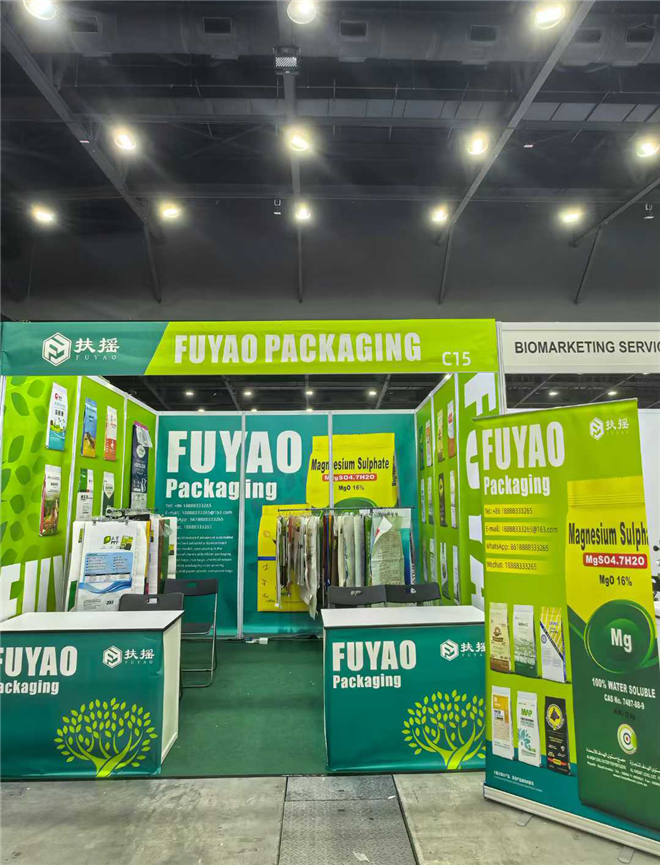
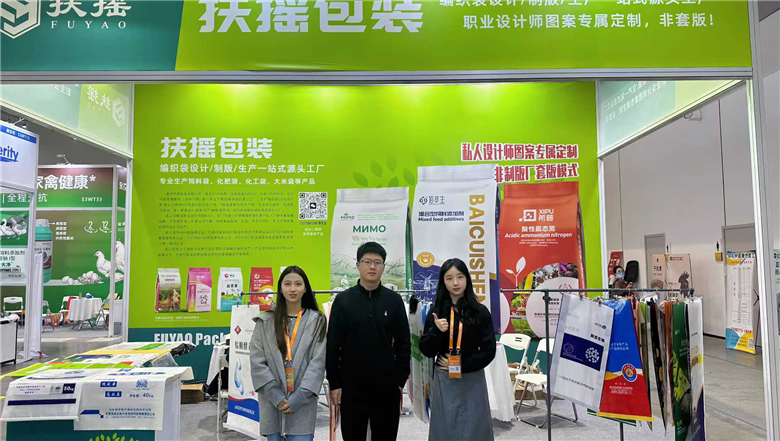
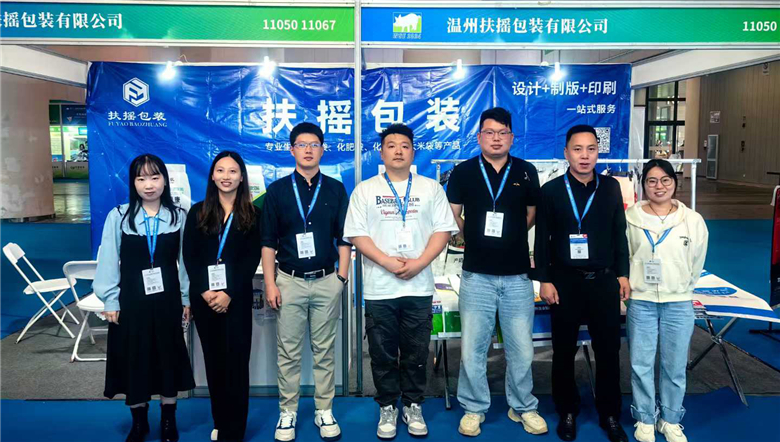
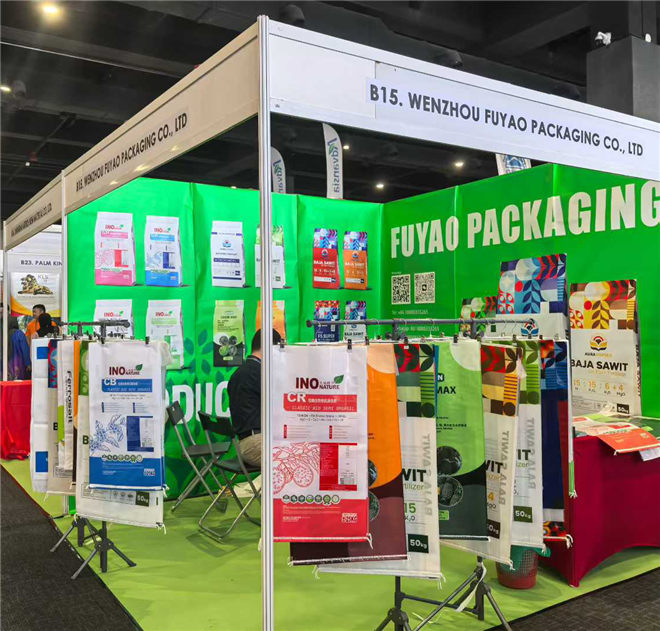
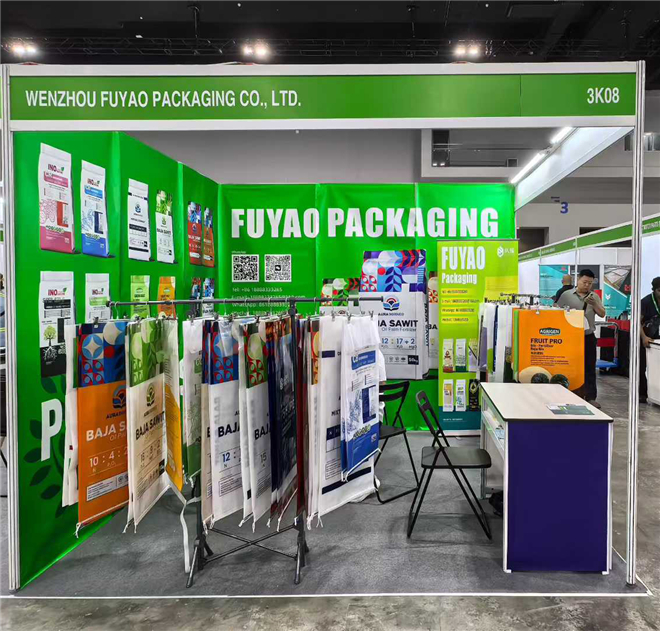
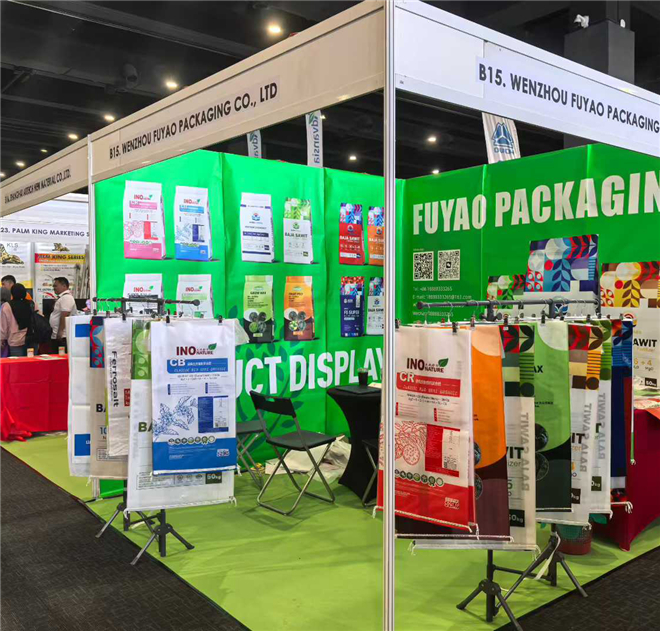
Quality leads the future. A balanced, humble, and customer-first approach to global trade.

Over the years, we have built long-term partnerships with clients across various industries, providing customized packaging solutions tailored to specific applications. By combining strong manufacturing capability with professional export services, we aim to deliver reliable products, competitive solutions, and consistent support to customers worldwide.

We are committed to deepening our presence in international markets and building a trusted global trade brand through high-quality products and professional service, achieving steady and sustainable growth.
As a technology-driven and environmentally responsible manufacturer, we integrate R&D, production, sales, and service into one system. We continuously invest in innovation to enhance product performance and reduce environmental impact.
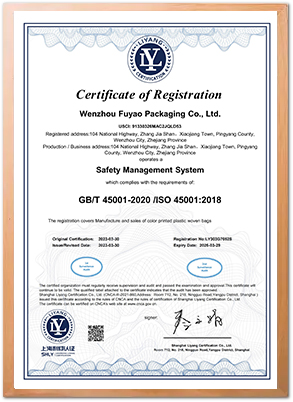
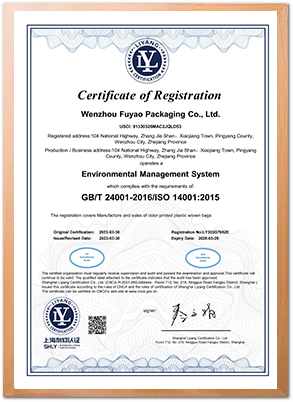
Our company has been recognized as an AAA Credit Enterprise and has obtained multiple international certifications:
These certifications demonstrate our strict quality control and compliance with global standards.
Heavy-duty, custom-printed, and highly protective paper-plastic composite options tailored for global logistics.