Leave Your Message
High-performance industrial bags optimized for high-speed automated packaging machinery and rigorous shipping demands.
In the global agricultural and horticultural supply chain, efficiency is no longer just an advantage—it is a survival mechanism. As fertilizer and soil manufacturers scale up production to meet global demands, manual packaging systems have rapidly given way to automated fertilizer high-speed filling lines. These state-of-the-art systems, including Form-Fill-Seal (FFS) machines and advanced valve bag packers, can process thousands of bags per hour. However, the throughput of these high-tech lines is only as reliable as the packaging material itself. This is where specialized heavy duty soil bags become a critical link in industrial automation.
Standard packaging lacks the structural integrity, dimensional stability, and surface properties required to withstand the mechanical forces of high-speed automation. Heavy-duty soil bags engineered by industrial packaging experts are designed to feed smoothly through bag-feeding magazines, open reliably under vacuum suction, withstand high-pressure product drops, and seal perfectly within fractions of a second. Understanding the intersection of material science and mechanical automation is key to optimizing packaging efficiency and preventing costly downtime.
A single bag rupture on a high-speed filling line running at 2,000 bags per hour can cause up to 45 minutes of downtime for cleaning and line recalibration, resulting in thousands of dollars in lost productivity. Utilizing bags with optimized Coefficient of Friction (COF) and high tensile strength virtually eliminates these micro-stoppages.
The transition from semi-automated bagging to fully integrated, high-speed robotic packaging lines is accelerating worldwide. Key drivers include rising labor costs, stricter workplace safety regulations regarding heavy lifting, and the need for high-precision weighing to minimize product giveaway. Modern fertilizer filling lines utilize advanced pneumatic or impeller-driven filling systems that pack soil, compost, and chemical fertilizers at high velocity.
To keep pace, packaging manufacturers have transitioned from traditional woven structures to advanced multi-layer co-extruded films (such as FFS tubular film) and highly engineered paper-plastic composites. These materials offer the necessary stiffness to prevent sagging during high-speed conveyor transit and the thermal stability required for rapid heat or ultrasonic sealing. Furthermore, modern palletizing systems rely on robotic arms that place filled bags at extreme speeds, demanding bags that stack uniformly without sliding or tearing under stress.
Operating a packaging line at maximum speed introduces several physical and environmental challenges that must be mitigated by the bag's design:
Organic soils and composts retain significant moisture and contain active micro-organisms. Packaging these materials on high-speed lines requires bags with excellent moisture barrier properties to prevent degradation and weight loss. At the same time, the film must resist puncturing from twigs, stones, and sharp organic matter. Multi-layer co-extruded PE bags with high-puncture-resistant metallocene resins are the industry standard for this demanding application, ensuring the product remains fresh and intact from the factory floor to the retail garden center.
Chemical fertilizers are often highly hygroscopic (absorbing moisture from the air) and chemically corrosive. High-speed packaging of these materials requires heavy-duty bags with superior barrier properties against water vapor and chemical migration. Furthermore, because these granules are dense and heavy, the bags must withstand high drop impacts immediately after filling. Reinforced paper-plastic composites or thick co-extruded PE valve bags with ultrasonic sealing zones are typically deployed here to guarantee zero leakage and long shelf-life.
Unlike many industrial goods, soil and fertilizer bags are frequently stored outdoors at retail centers and farms, exposed to direct sunlight and heavy rain for months. The heavy-duty bags must incorporate high levels of UV stabilizers (typically carbon black or chemical UV blockers) to prevent the plastic from becoming brittle and tearing when handled by customers or forklifts. Fuyao's heavy-duty bags are tested under accelerated weathering conditions to ensure they maintain their tensile strength even after prolonged environmental exposure.

Years Industry Experience
Floor Area
Registered Capital
Distance to Airport
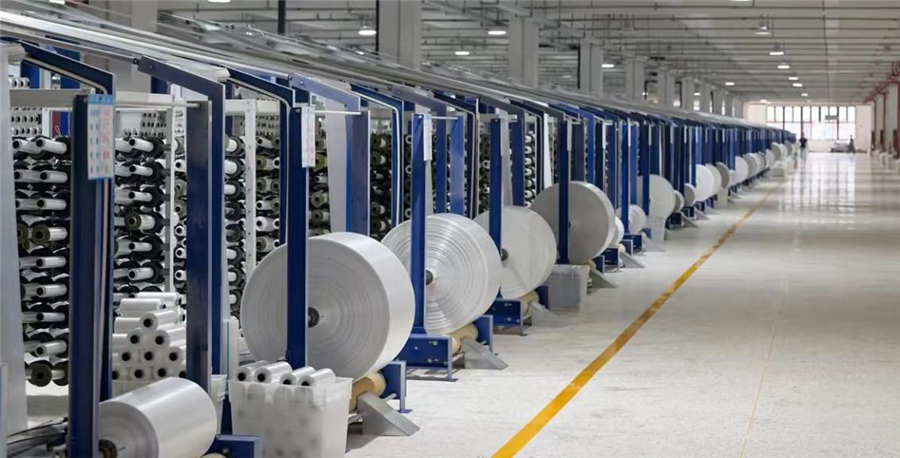
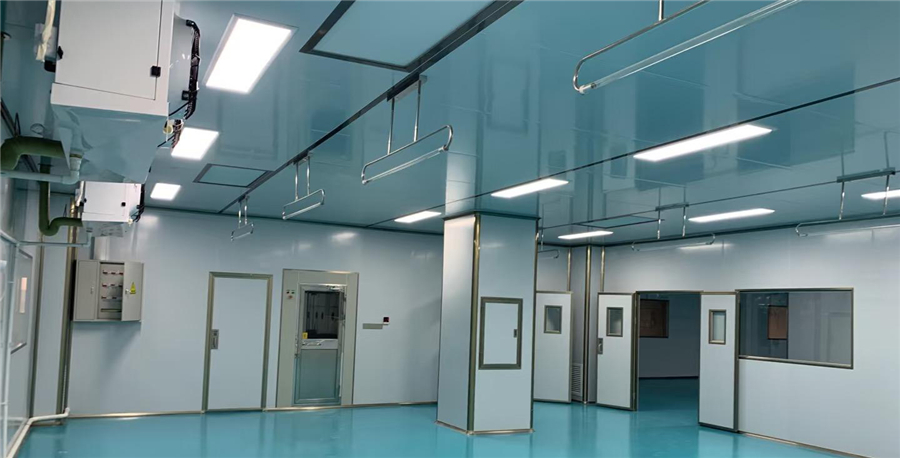
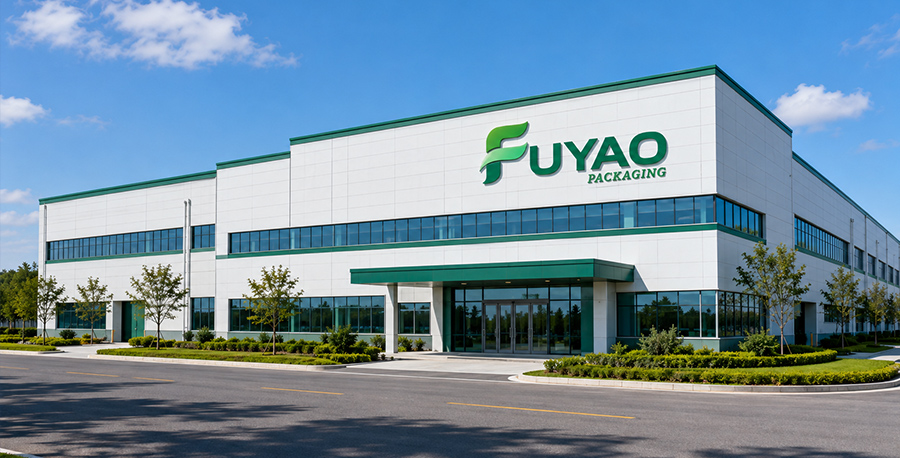
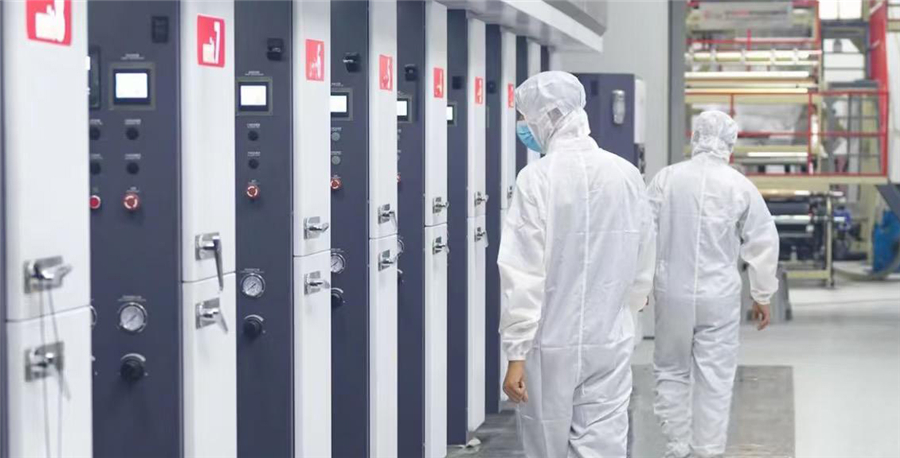
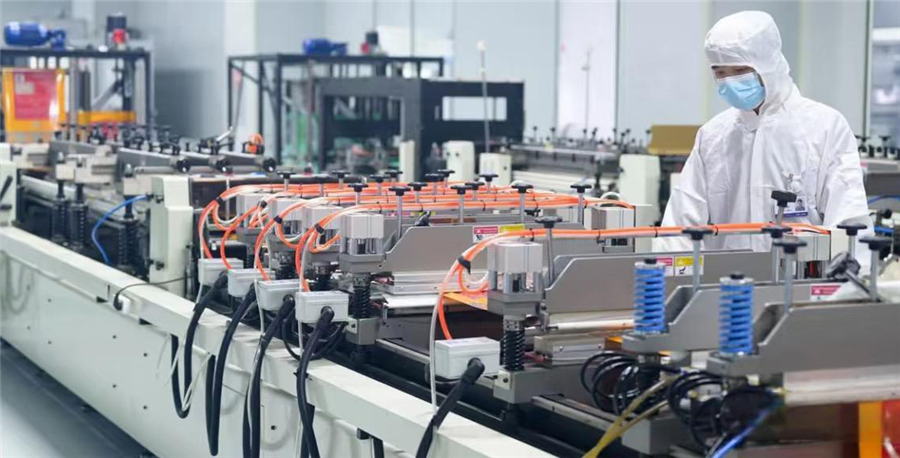
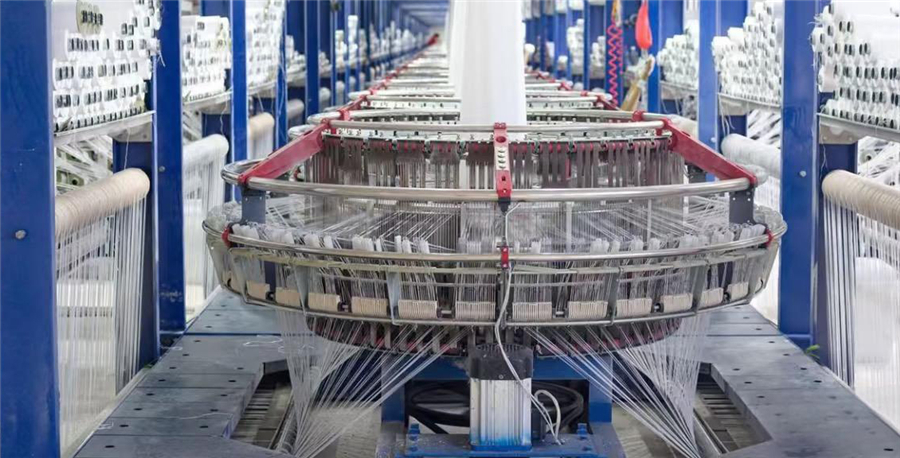


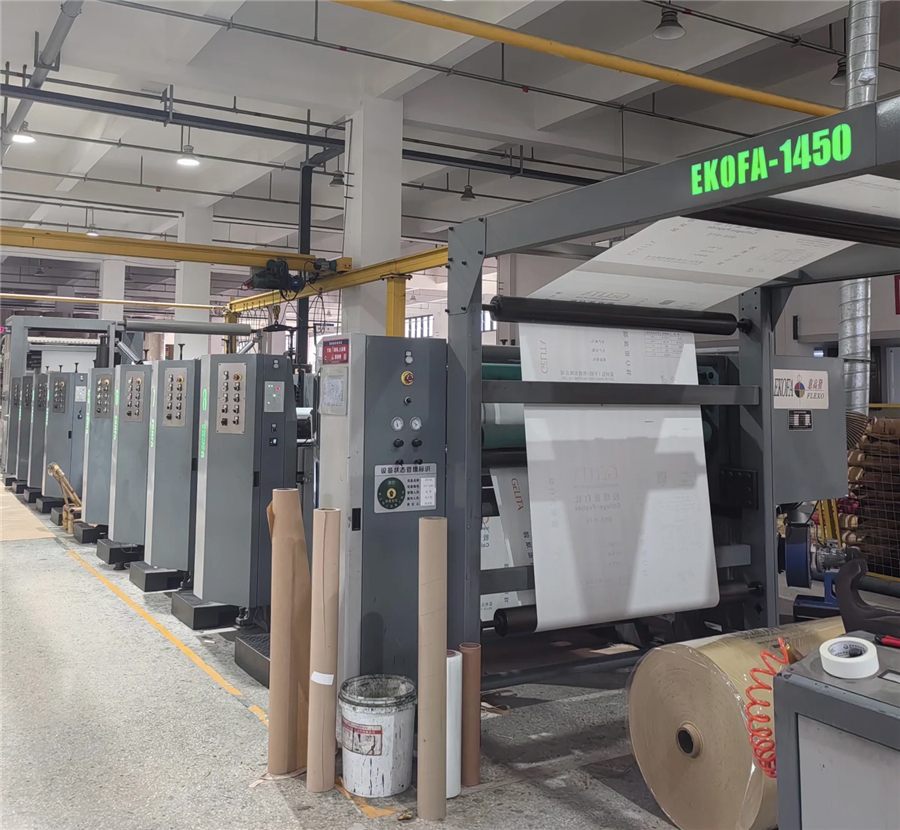
To achieve high-speed filling compatibility, Wenzhou Fuyao Packaging employs advanced polymer blending techniques. Our heavy-duty bags are constructed using multi-layer co-extrusion technology, combining Linear Low-Density Polyethylene (LLDPE), High-Density Polyethylene (HDPE), and specialized metallocene plastomers. Each layer serves a specific function:
As the global market transitions toward circular economies, packaging designers are tasked with maintaining high filling speeds while reducing environmental impact. The future of heavy-duty soil bags lies in the integration of Post-Consumer Recycled (PCR) resins without sacrificing mechanical strength. At Fuyao, we are actively researching and developing thinner, down-gauged films that maintain high tensile properties, alongside fully recyclable mono-material structures that align with global green initiatives. By optimizing material design, we help agricultural enterprises reduce their carbon footprint while keeping their high-speed filling lines running at peak capacity.
Explore our full line of heavy-duty packaging solutions, custom-engineered for chemical, agricultural, and industrial bulk material handling.