Leave Your Message
Explore our top-performing heavy-duty packaging systems designed specifically for chemical powders, mineral materials, and raw industrial resins.
The global chemical manufacturing sector operates on strict safety, efficiency, and reliability parameters. When transporting bulk solids, such as polymeric resins, mineral powders, catalysts, and active chemical raw materials, the choice of packaging is not merely a logistical detail—it is a critical element of risk management. The term "Heavy Duty Soil Bags" has evolved beyond simple agriculture. Today, it describes high-strength, multi-layered, and highly engineered containment structures capable of holding dense, heavy, and often hazardous chemical raw material powders and resins without failure.
Chemical powders and synthetic resins present unique physical and chemical challenges. Powders are highly susceptible to moisture absorption, clumping, and dust emission, which can lead to contamination or workplace hazards. Resins, often shipped in pelletized or granular form, require protection against oxygen degradation, static electricity, and physical friction. Standard packaging bags fail under the weight and stress of these materials, especially during long-distance intermodal shipping. This is where specialized heavy-duty bags step in, combining mechanical durability with advanced barrier technologies.
Industrial raw materials are subjected to rigorous handling across global ports, warehouses, and automated processing lines. A single bag rupture can result in costly material loss, operational downtime, environmental contamination, and potential regulatory fines. Consequently, heavy-duty packaging must exhibit exceptional tensile strength, puncture resistance, and drop tolerance while maintaining an airtight, moisture-proof seal.

To understand why heavy-duty soil bags are highly effective for chemical raw materials, we must examine their structural composition. Modern industrial packaging is rarely made of a single material; instead, it leverages composite technology to achieve multi-functional protection.
At the core of heavy-duty bags is woven polypropylene. Polypropylene tape is extruded, stretched to align the molecular structure for maximum tensile strength, and then woven into a tight fabric. This woven matrix provides the mechanical framework of the bag, resisting high internal pressures, drop shocks, and rough handling by forklifts and automated conveyors.
For chemical powders that require structural rigidity and a premium branding surface, paper-plastic composite bags are the industry standard. They combine a high-tensile Kraft paper exterior with a woven plastic interior lining. The paper layer provides a smooth surface for high-resolution printing of safety warnings and chemical identifiers, while the inner plastic mesh handles the mechanical load.
Raw chemical powders are vulnerable to ambient conditions. To prevent moisture intrusion, a thin layer of Polyethylene (PE) or Biaxially Oriented Polypropylene (BOPP) film is laminated onto the woven fabric. This creates a hermetic seal, safeguarding the chemical integrity of resins, catalysts, and compounds during sea transit and long-term warehousing.
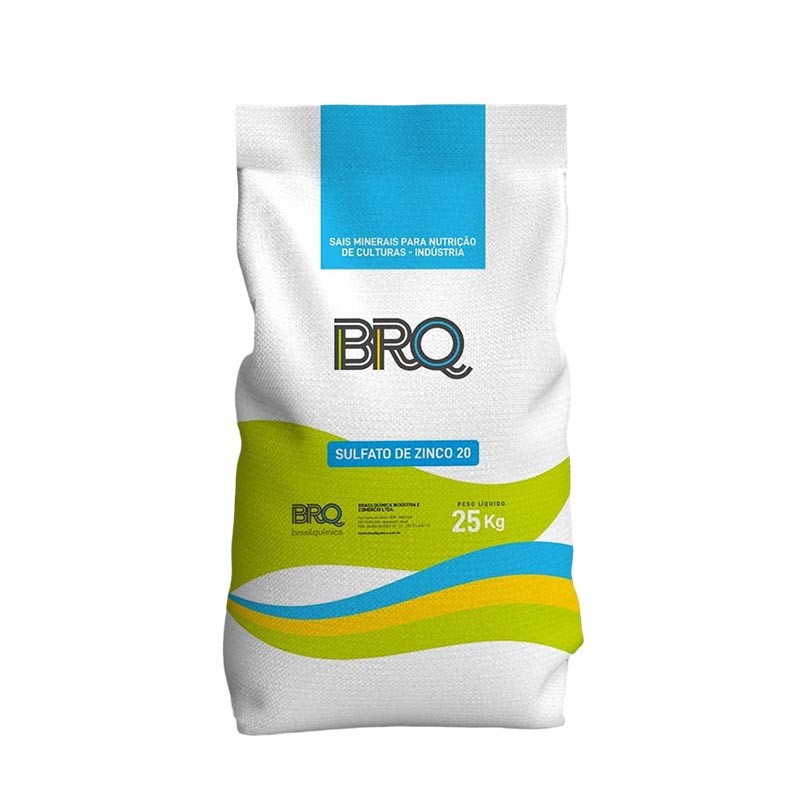
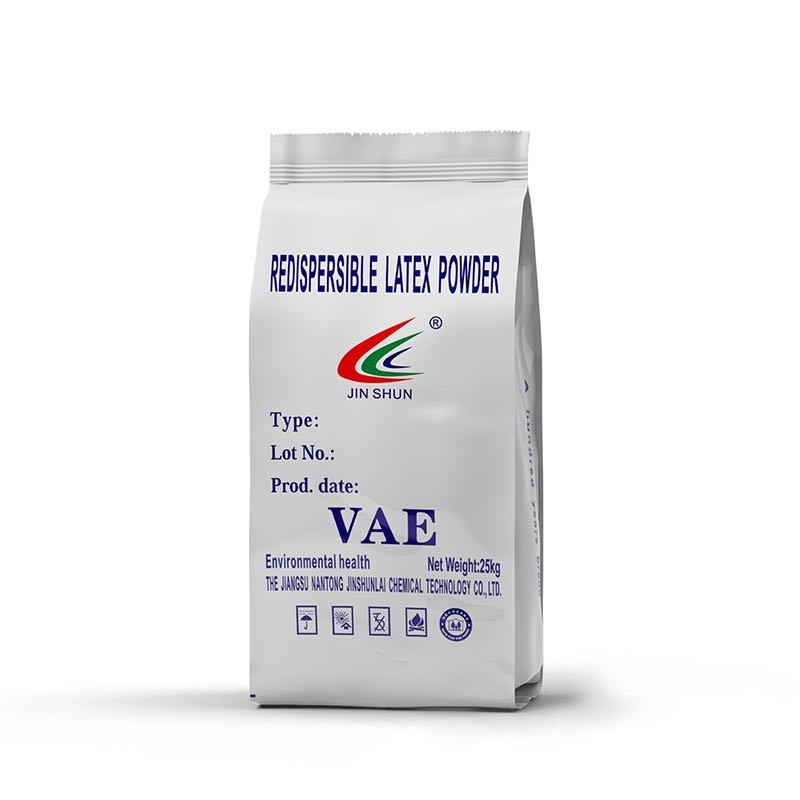
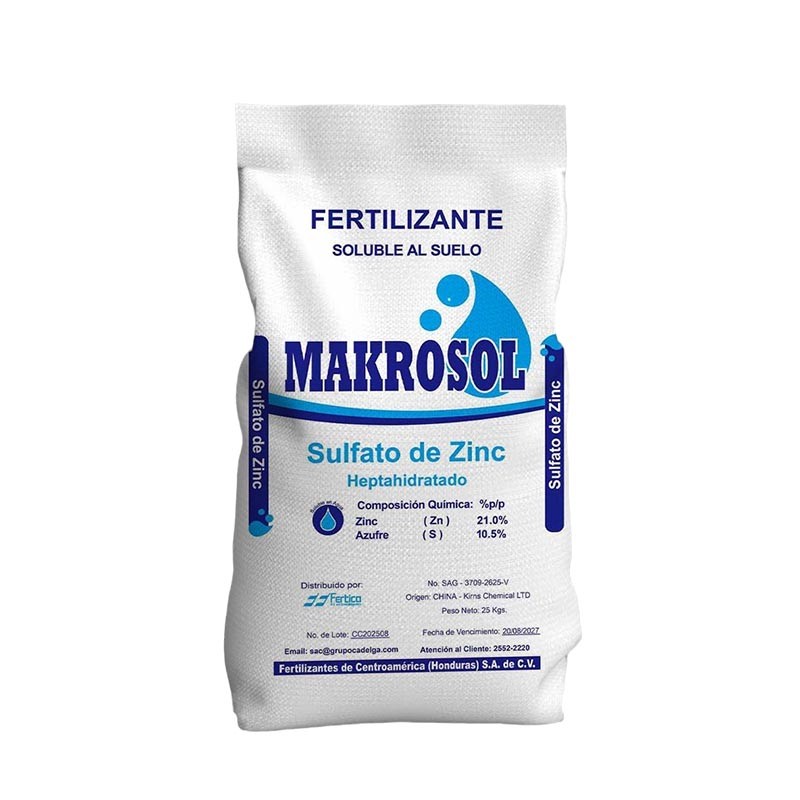
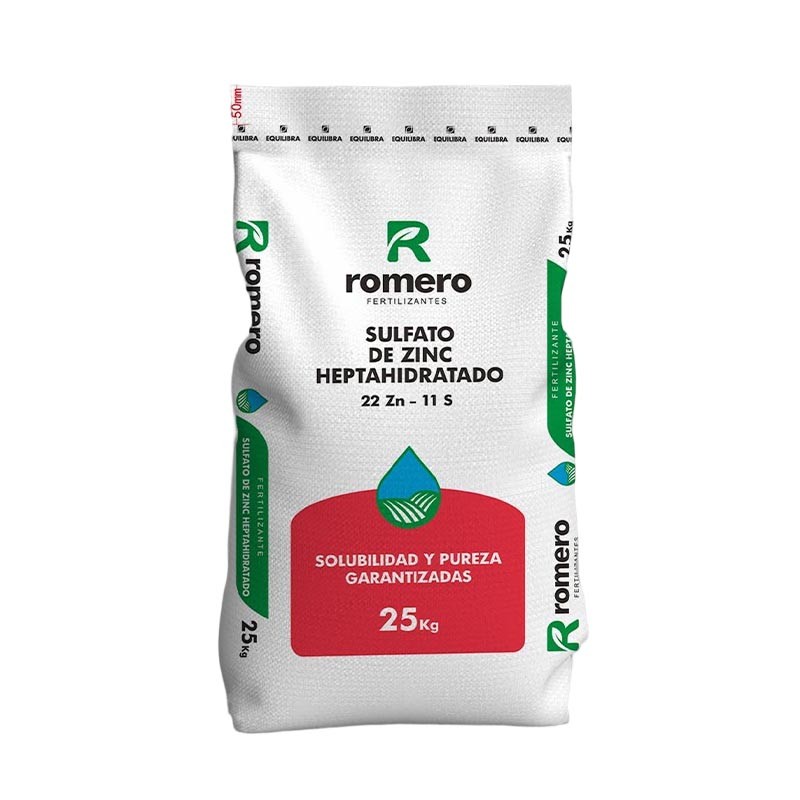
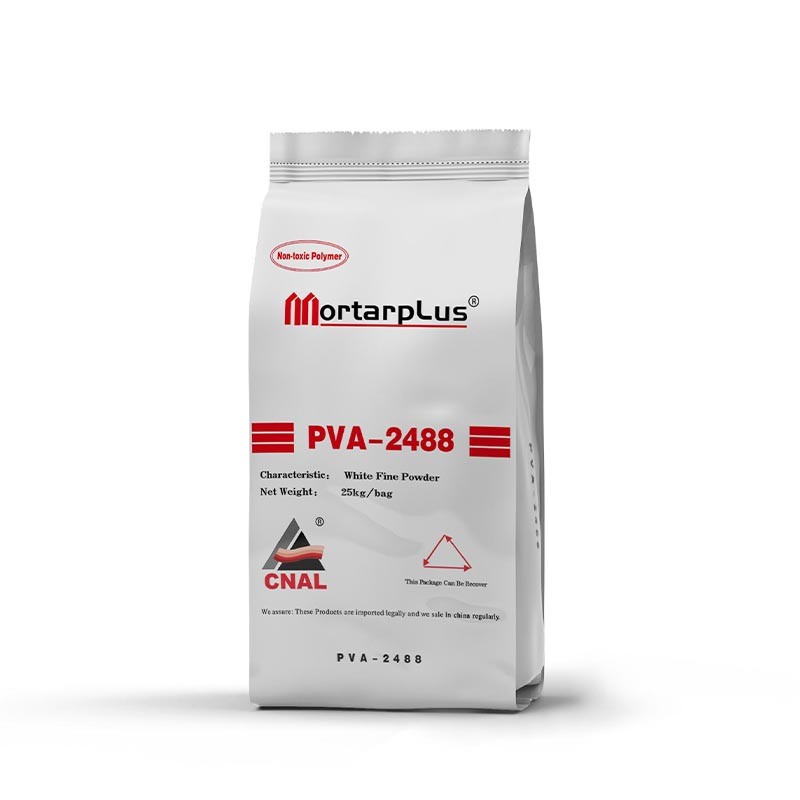
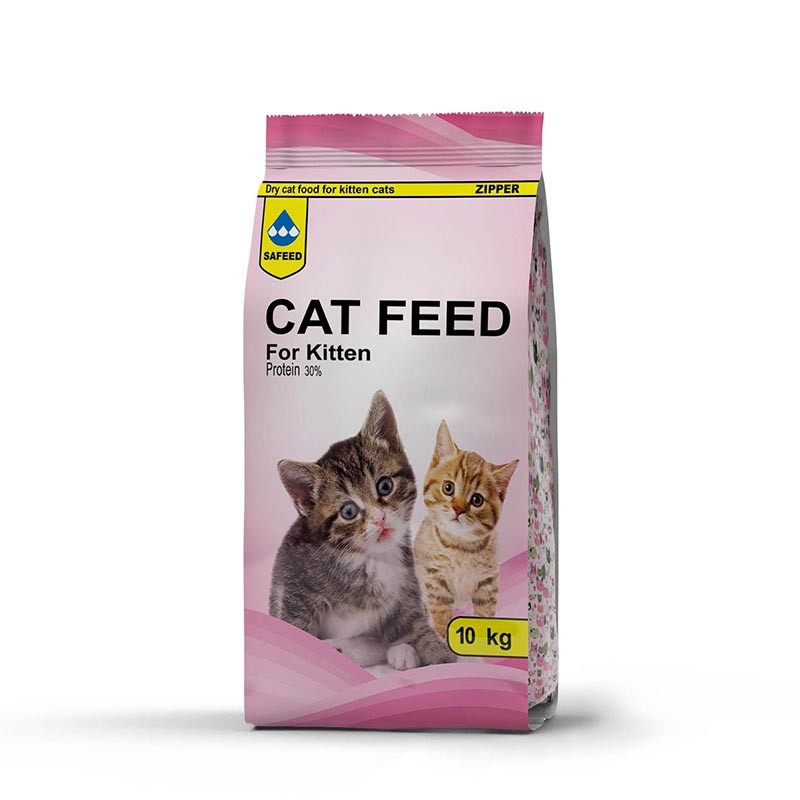
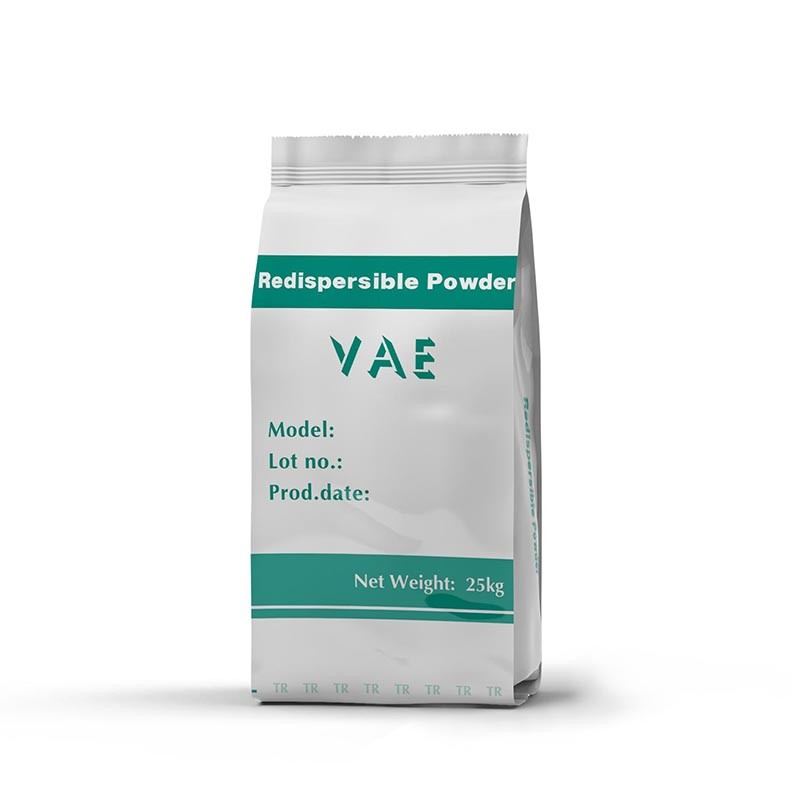
Different chemical applications require distinct bag designs. Below are the primary configurations deployed in industrial manufacturing plants:
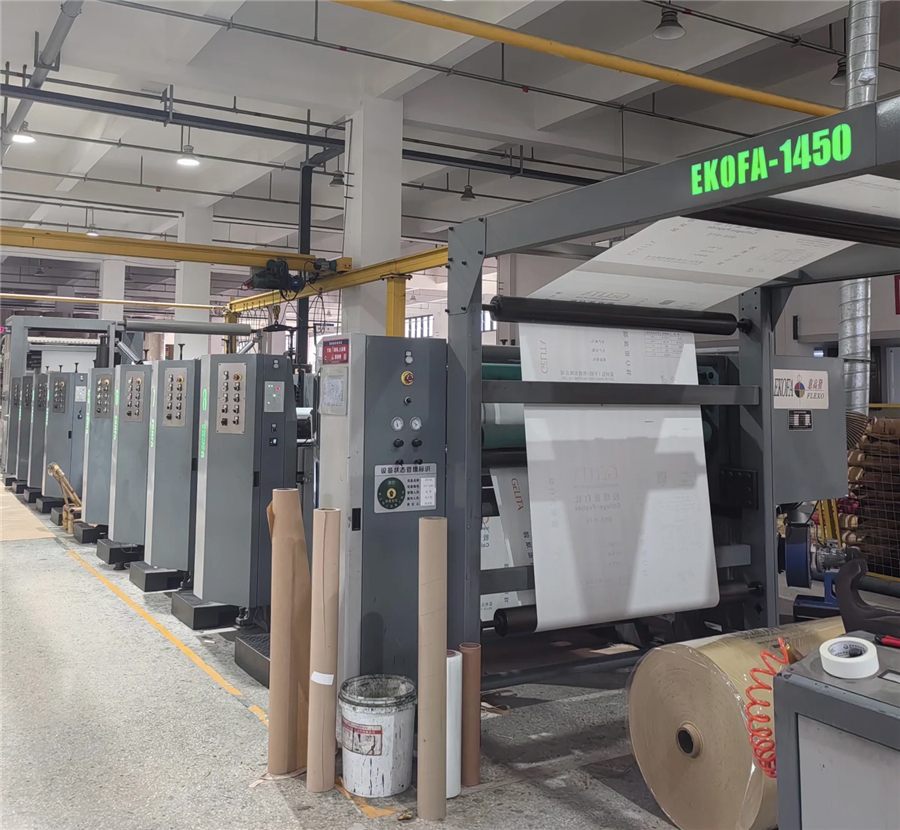
Our state-of-the-art production facility ensures that every heavy-duty bag meets stringent industrial criteria for chemical storage and transport.
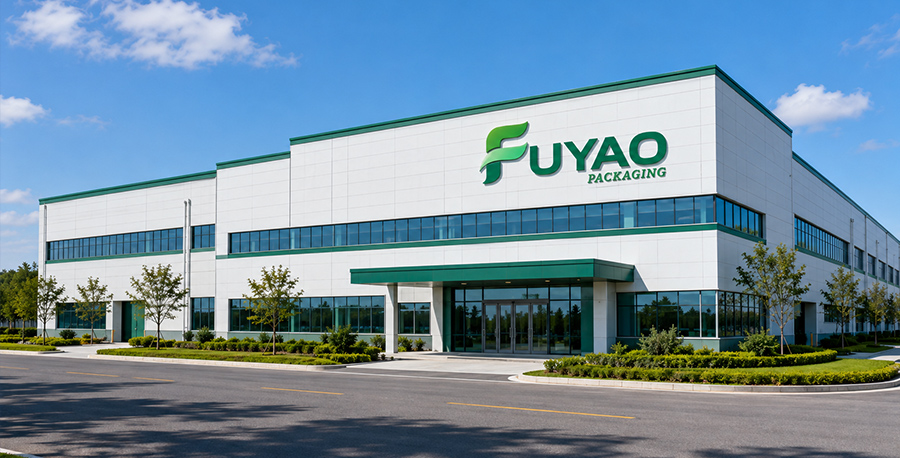
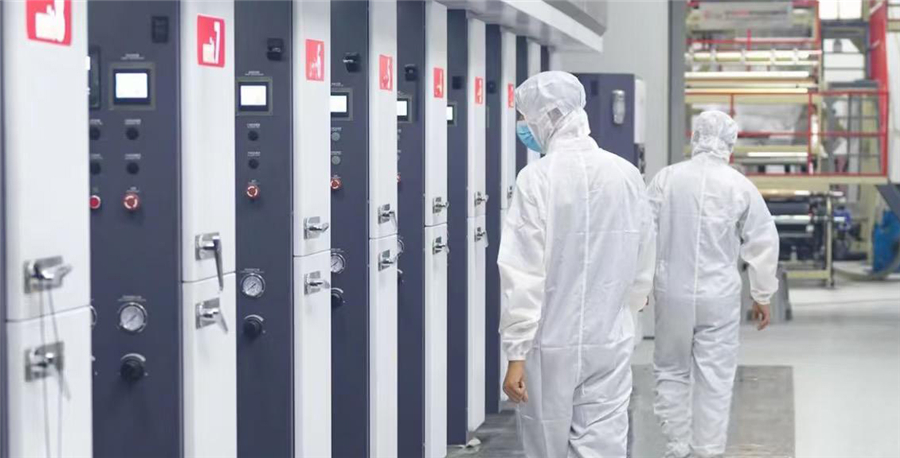
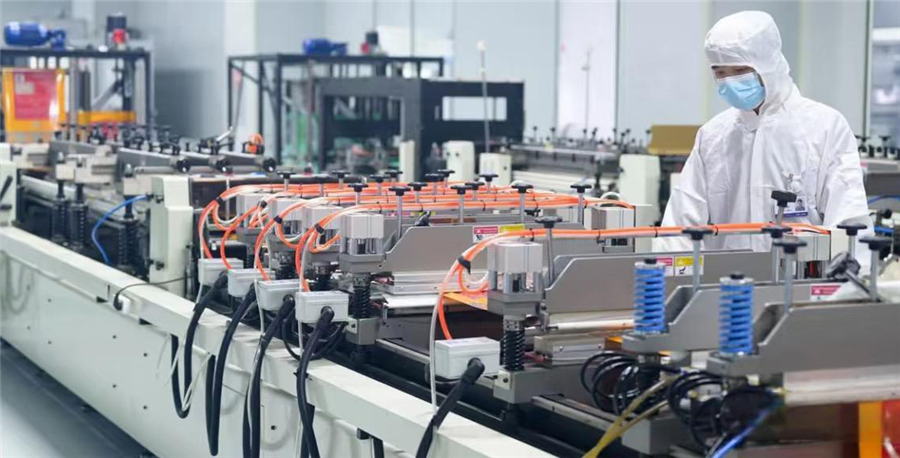
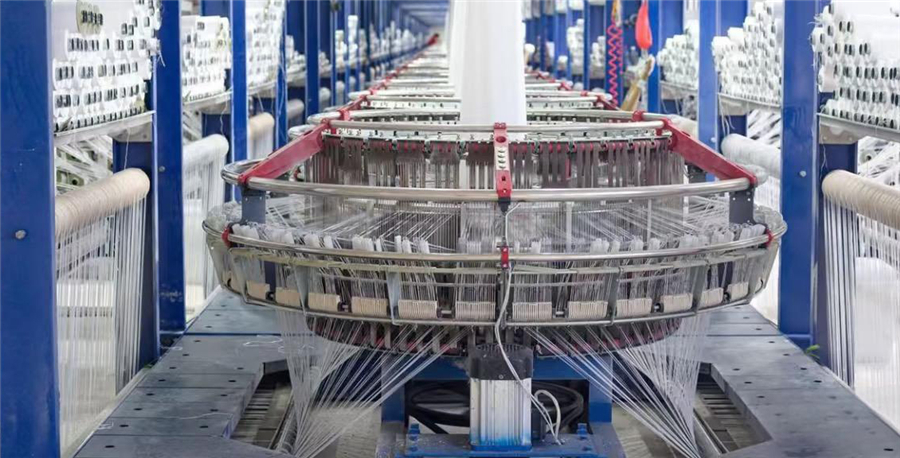
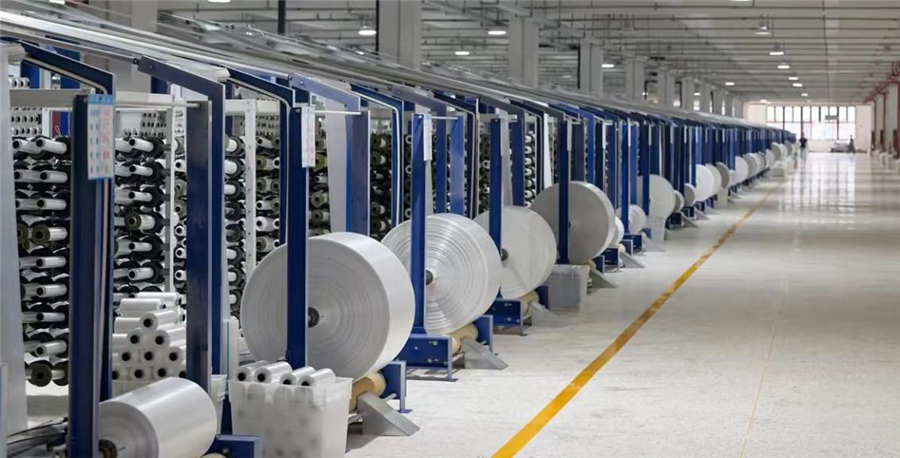
We manufacture customized packaging solutions tailored to the strict requirements of heavy industrial, agricultural, and chemical operations.


As chemical manufacturers align their operations with environmental mandates and digital transformation, the industrial packaging sector is undergoing a massive shift. The future of packaging chemical raw materials lies in balancing extreme durability with ecological responsibility.
Historically, multi-layer bags made of different materials (e.g., paper laminated with PE and woven PP) were extremely difficult to recycle because separating the layers was economically unviable. Today, the industry is transitioning toward mono-material structures. By utilizing advanced polyethylene (PE) or polypropylene (PP) formulations that offer both barrier properties and mechanical strength, manufacturers can produce bags that are 100% recyclable within existing polymer recycling streams.
Modern chemical plants rely on robotic palletizers and automated storage and retrieval systems (ASRS). Packaging must be engineered with precise dimensional stability and anti-slip surface treatments to prevent stack collapses. Additionally, the integration of RFID tags and QR codes directly onto the bags allows chemical manufacturers to track batches in real-time, ensuring supply chain transparency and rapid recall capabilities if necessary.
Reducing the carbon footprint of packaging materials is a priority for global chemical enterprises. The incorporation of Post-Consumer Recycled (PCR) resins into the woven PP matrix, along with the adoption of bio-based plastics, is gaining traction. These innovations ensure that the packaging protects both the product and the environment.
Proper storage is critical to maintaining the structural integrity of heavy-duty bags. Even UV-stabilized bags should be stored away from direct sunlight when possible. When stacking bags containing heavy resins or fine powders, utilizing a cross-stacking pattern on sturdy pallets prevents shifting during transit. Additionally, ensuring that automated filling valves are calibrated to the specific density of the powder prevents over-pressurization and reduces micro-tears during the packaging stage.
Select from our comprehensive range of heavy-duty bags, engineered to secure your valuable chemical raw materials, mineral powders, and polymer resins through every phase of the transport cycle.