Leave Your Message
The global heavy-duty packaging sector is undergoing a profound transformation. Driven by stringent environmental regulations, rising shipping costs, and the urgent need for supply chain optimization, industrial manufacturers are moving away from traditional single-material packaging. In their place, hybrid solutions like the Laminated FFS (Form, Fill, and Seal) PP Woven Sack combined with Eco-friendly Multi-layer Kraft Paper-Plastic Composite Packaging have emerged as the gold standard.
For decades, heavy-duty industries such as agriculture, chemical processing, building materials, and animal nutrition relied on basic multi-wall paper bags or heavy-gauge PE sacks. While functional, these options often failed to balance strength, barrier protection, and ecological responsibility. The advent of multi-layer laminates bridging polypropylene (PP) woven fabrics, high-barrier plastic films, and biodegradable kraft paper has solved this dilemma, offering unprecedented tensile strength alongside a reduced carbon footprint.
"Modern industrial operations demand packaging that not only protects the product under extreme shipping conditions but also aligns with corporate zero-waste initiatives and works seamlessly with high-speed automated packaging lines."
The Form, Fill, and Seal (FFS) technology represents the pinnacle of packaging automation. Rather than manually placing pre-made bags onto filling spouts, modern high-speed FFS machines utilize continuous tubular roll stock. The machine automatically cuts, forms the bottom seal, fills the sack, and seals the top in one continuous high-speed operation.
Adapting laminated PP woven and kraft paper composite structures to FFS machinery requires precise engineering. The composite material must possess the correct coefficient of friction (COF), thermal sealing temperature range, and mechanical stiffness. The resulting packaging enables:
The excellence of the Laminated FFS PP Woven Sack for Eco-friendly Multi-layer Kraft Paper-Plastic Composite Packaging lies in its sophisticated sandwich-like structure. By laminating different materials together, manufacturers can combine the unique mechanical properties of each component into a single, high-performance packaging medium.
Woven PP provides the structural backbone of the composite sack. It offers exceptional tear resistance, tensile strength, and puncture resistance. This ensures that the bags can withstand rough handling, drop tests, and stacking pressures during maritime and overland transit. Even when containing up to 50kg of dense granular materials, the woven PP core prevents structural failure.
Moisture, oxygen, and UV light are the primary threats to sensitive industrial goods like fertilizers, animal feeds, and fine chemicals. By integrating specialized plastic barrier films (such as PE, EVOH, or PET) through extrusion lamination, the composite sack gains complete resistance to moisture ingress. This prevents caking of powders and maintains the nutritional integrity of organic goods.
Kraft paper forms the outer layer of the composite, offering a tactile, premium, and eco-friendly appearance. Beyond aesthetics, kraft paper provides an excellent substrate for high-resolution flexographic and rotogravure printing, allowing brands to display complex safety instructions, regulatory certifications, and branding. More importantly, using sustainably sourced kraft paper reduces the overall synthetic polymer content of the packaging, facilitating easier recycling and lowering the carbon footprint.
Advanced solvent-free extrusion lamination techniques are used to bond these distinct layers. This method eliminates volatile organic compounds (VOCs) and guarantees that the composite layers will not delaminate under thermal stress or damp storage conditions. The result is a unified packaging material that acts as a shield against physical and environmental hazards.
The versatile design of laminated FFS PP woven sacks makes them indispensable across several demanding sectors. Below, we analyze how this composite packaging solves specific industrial challenges.
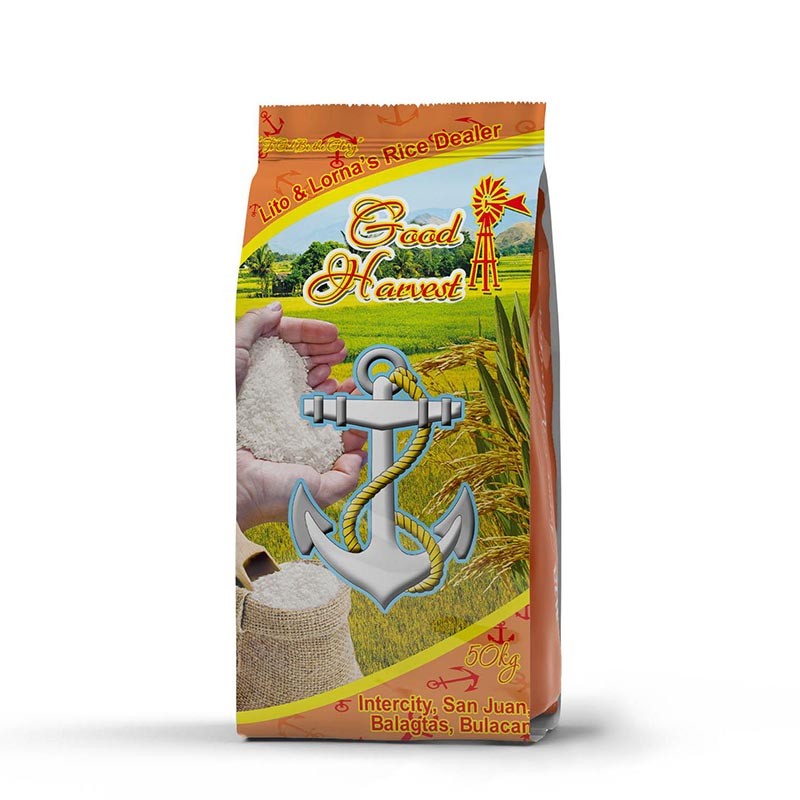
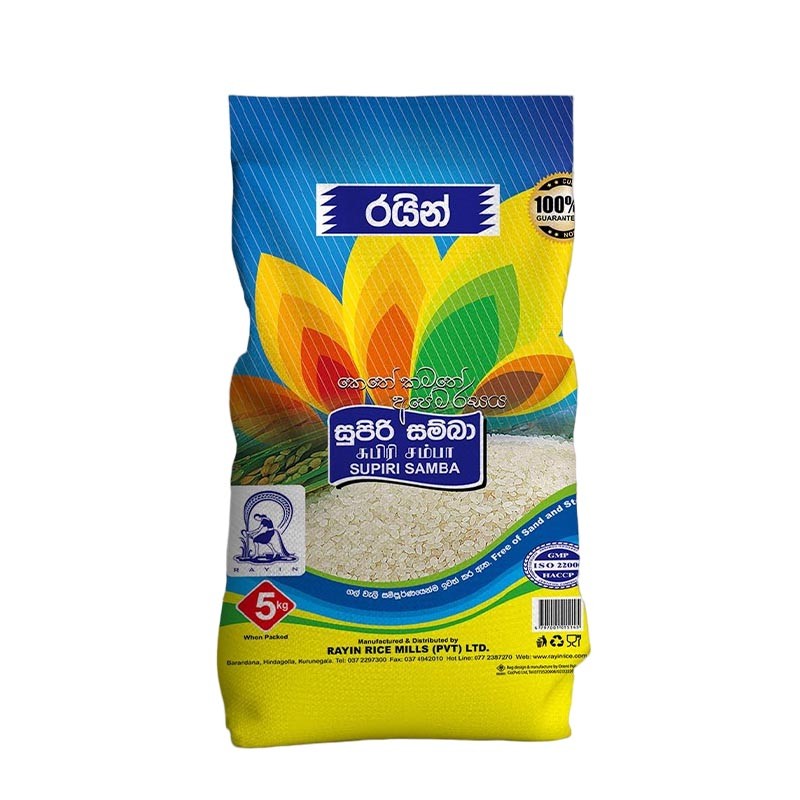
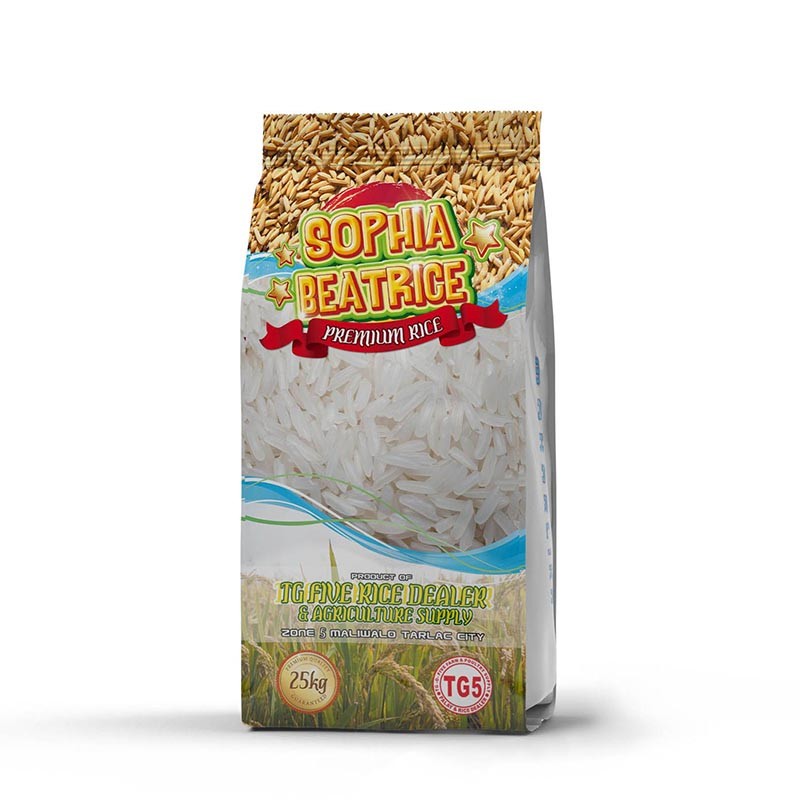
Bulk agricultural products require packaging that prevents mold growth while resisting punctures from sharp husks or grains. The multi-layer kraft composite bag allows controlled gas exchange when needed, or complete hermetic sealing to keep pests out. The high strength of the PP woven core ensures that grain sacks can be stacked high in warehouses without the risk of bottom bags bursting, optimizing floor space.
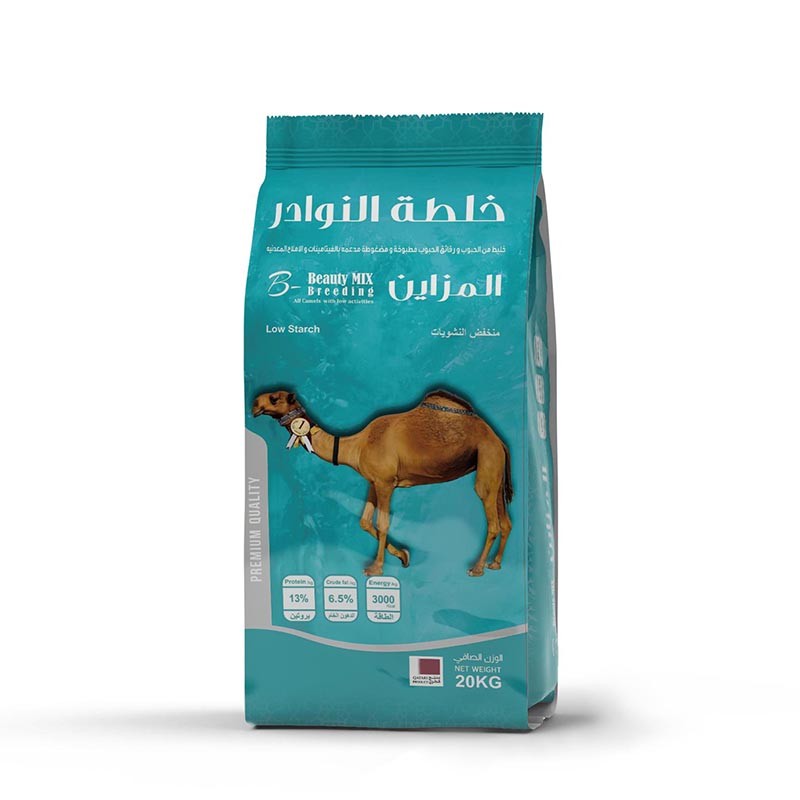
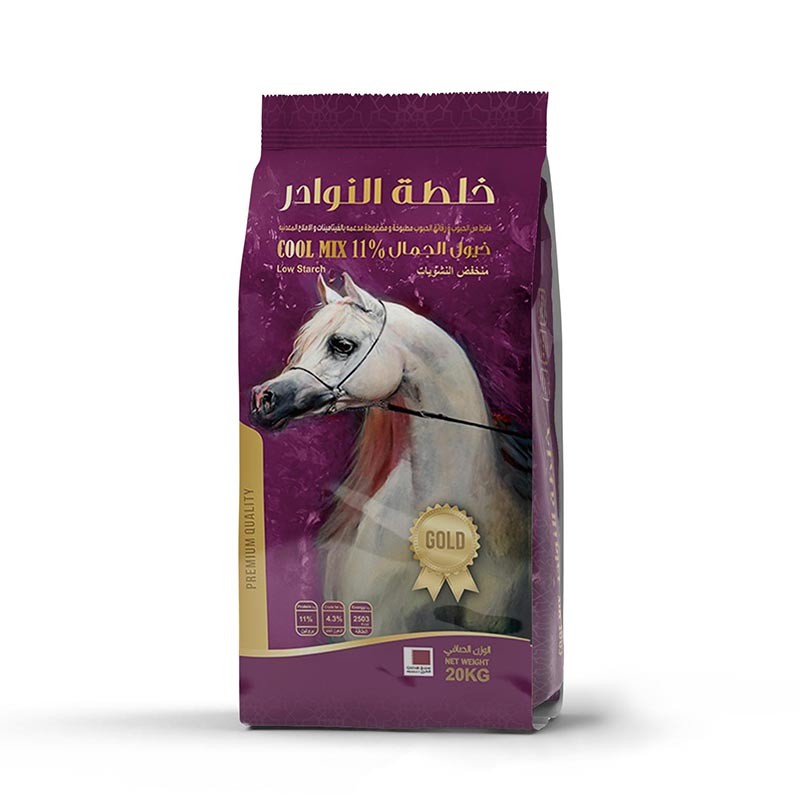
Premium livestock and fish feeds are enriched with vitamins, lipids, and proteins that are highly sensitive to oxidation and moisture. Exposure to air degrades the nutritional value and can lead to mold development. Our laminated composite packaging creates a total barrier against oxygen and moisture, extending shelf life and ensuring that the feed remains safe and palatable for animals.
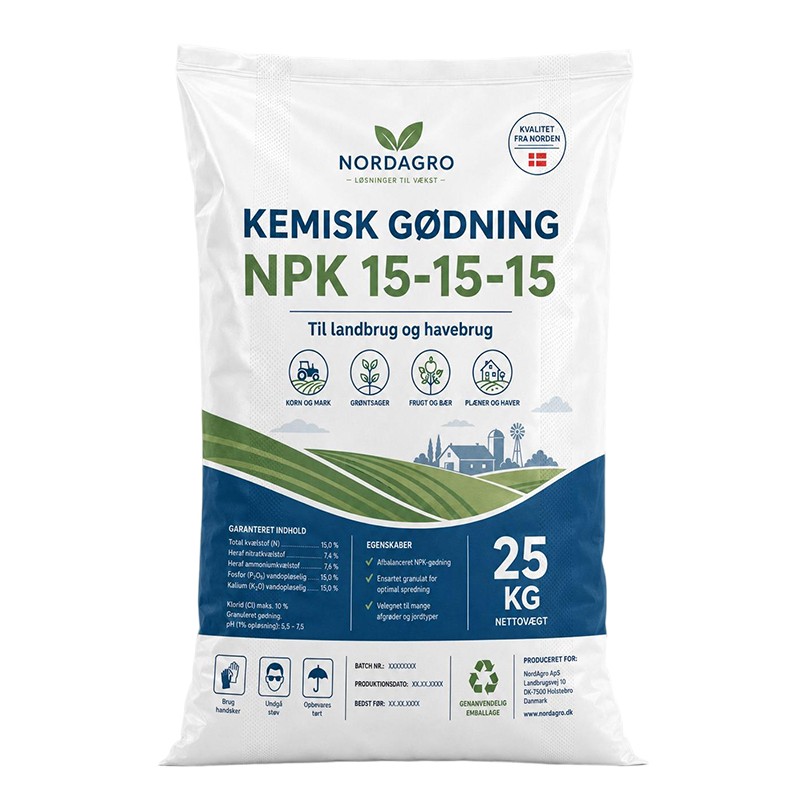
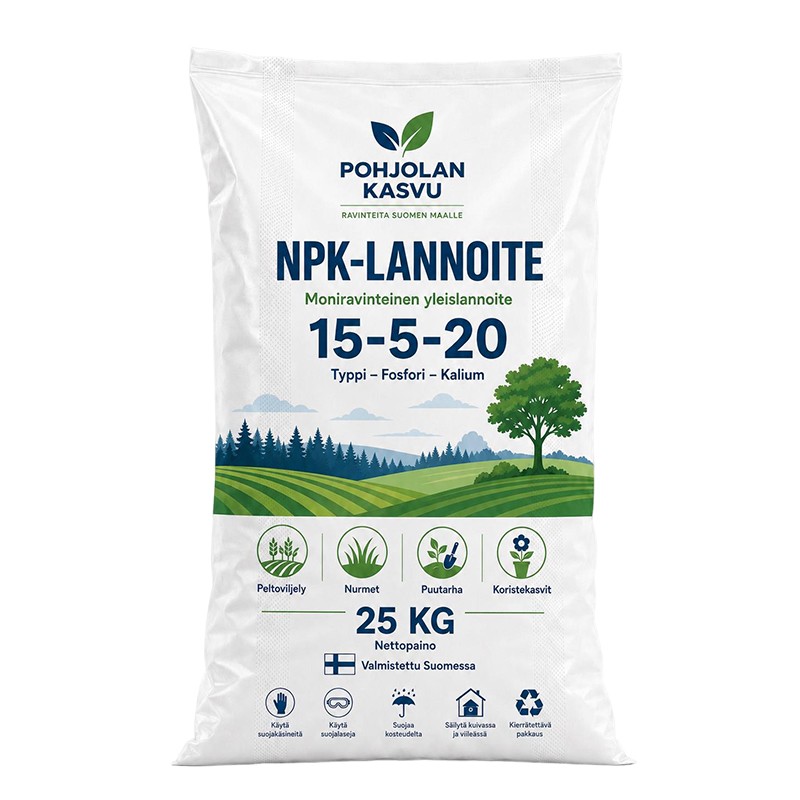
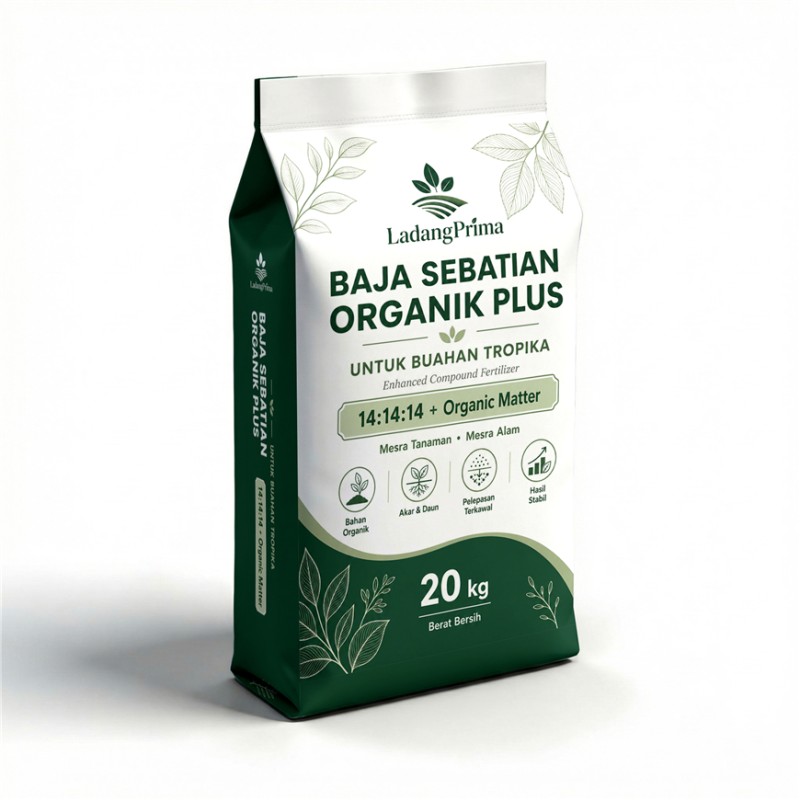
Industrial chemicals and fertilizers are often highly hygroscopic (moisture-absorbing) and chemically active. A standard paper or woven bag would quickly degrade or allow the product to turn into a solid block. The integrated plastic barrier inside the composite FFS sack resists chemical attack and keeps moisture completely out, ensuring the granular product remains free-flowing for end-users.
Dry cement, gypsum, and mortars generate significant dust during filling. The FFS compatibility of these composite sacks, combined with ultrasonic sealing technology, ensures a dust-free, clean packaging environment. The paper-plastic composite structure also prevents moisture from initiating the hydration process of cement during transit and storage.
As the global community moves toward a circular economy, the packaging industry is adapting. The future of laminated FFS PP woven sacks lies in achieving complete circularity without sacrificing performance. Key trends driving this evolution include:
Our commitment to sustainability goes beyond the final product. We continuously optimize our manufacturing facilities to reduce energy consumption, minimize water usage during the lamination process, and recycle all post-industrial scrap back into the production cycle. By choosing our multi-layer composites, global brands can confidently meet their ESG (Environmental, Social, and Governance) targets.
Jinan Jiufen Import & Export Co., Ltd. operates as our dedicated international trade partner, working in close coordination with Fuyao Packaging.
While Fuyao focuses on production and manufacturing, Jiufen is responsible for all overseas business operations, including:
This integrated structure allows us to provide a complete supply chain solution, combining factory-level production control with professional export services, ensuring smooth and efficient transactions for global clients.








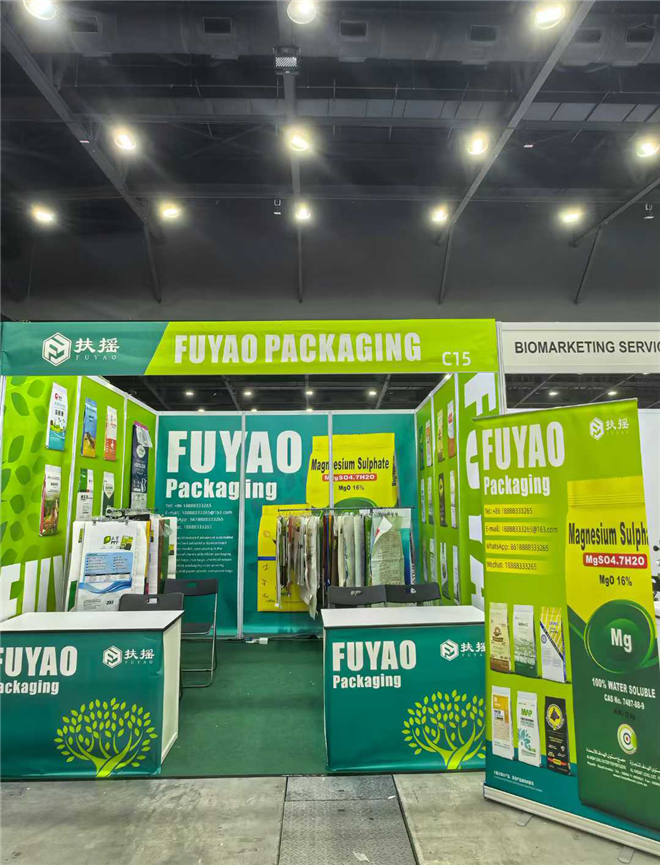
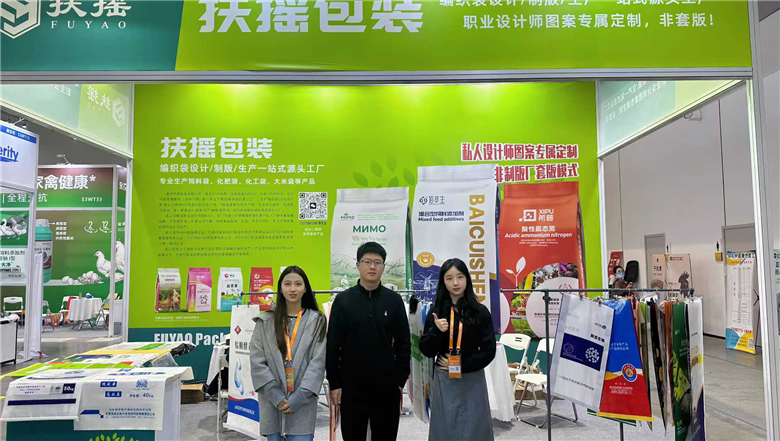
We actively showcase our latest innovations in eco-friendly composite packaging, FFS sacks, and heavy-duty industrial solutions at leading global packaging and agricultural exhibitions.
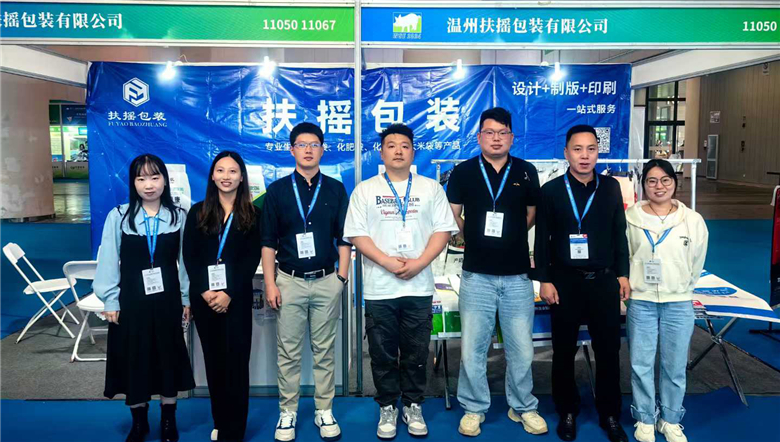
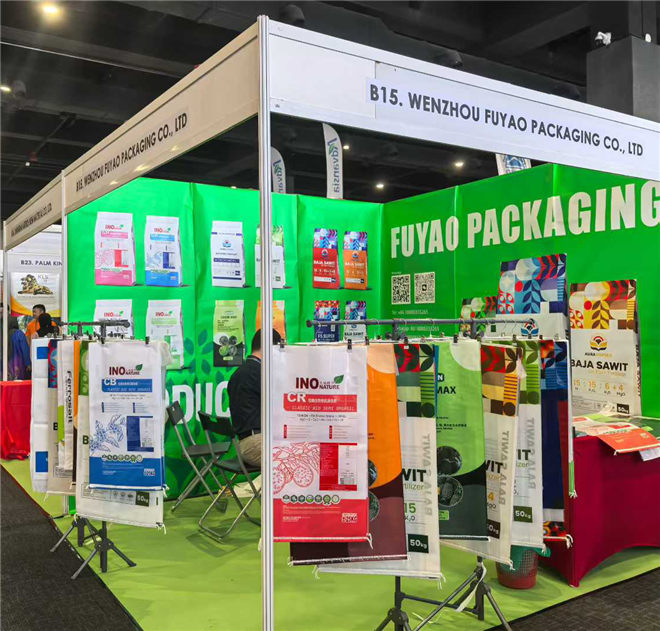
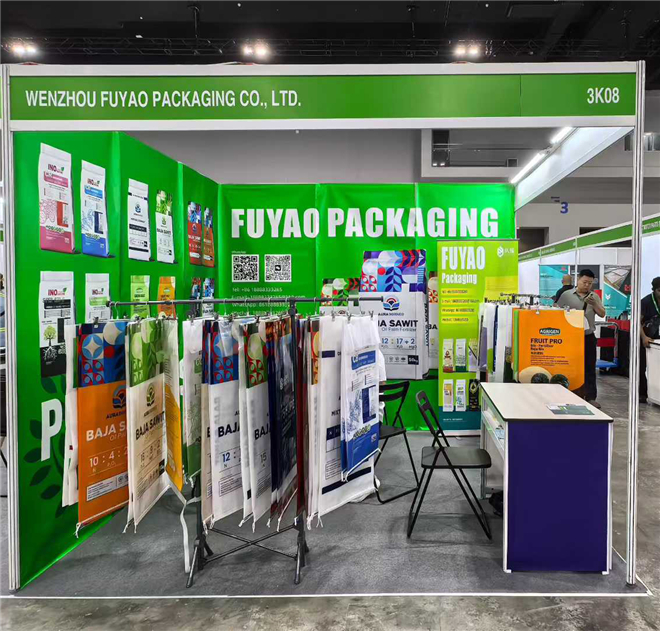
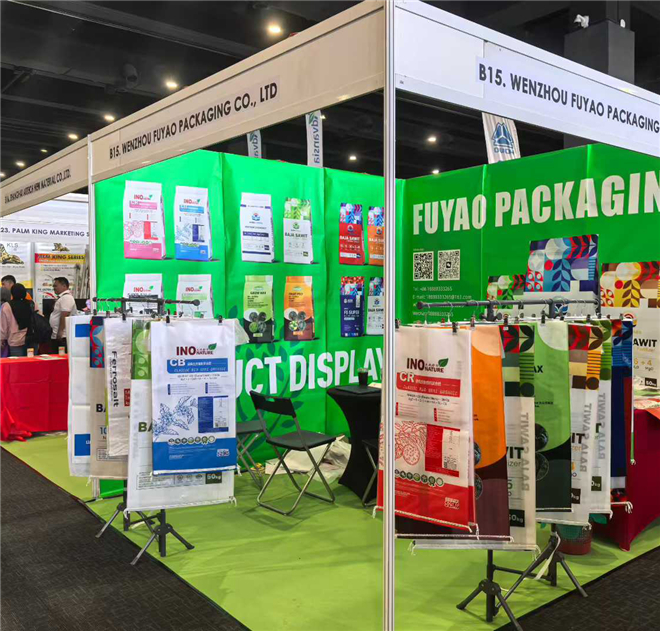
The name "Jiufen" originates from the concept of moderation in traditional philosophy, reflecting a business approach that values balance, humility, and continuous improvement. Rather than pursuing short-term gains, we focus on long-term cooperation and sustainable growth.

Over the years, we have built long-term partnerships with clients across various industries, providing customized packaging solutions tailored to specific applications. By combining strong manufacturing capability with professional export services, we aim to deliver reliable products, competitive solutions, and consistent support to customers worldwide.

We are committed to deepening our presence in international markets and building a trusted global trade brand through high-quality products and professional service, achieving steady and sustainable growth.
As a technology-driven and environmentally responsible manufacturer, we integrate R&D, production, sales, and service into one system. We continuously invest in innovation to enhance product performance and reduce environmental impact.
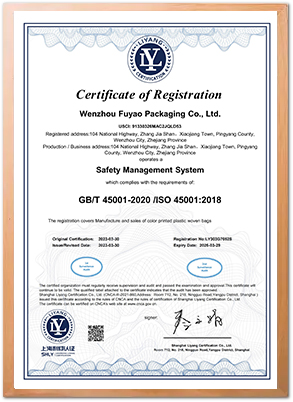
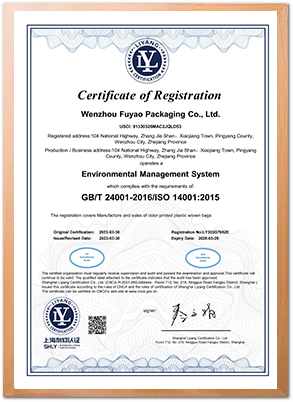
Our company has been recognized as an AAA Credit Enterprise and has obtained multiple international certifications:
These certifications demonstrate our strict quality control and compliance with global standards, ensuring safety, reliability, and excellence for every batch of laminated FFS sacks we produce.