Leave Your Message
Engineered for high moisture protection and robust transport in global agro-chemical logistics.
In global trade, the logistics of agricultural inputs and chemical materials present unique, high-stakes challenges. Many of these products—ranging from urea fertilizers and hybrid seeds to reactive polymers and dry chemical catalysts—are highly hygroscopic. Exposure to even trace amounts of environmental moisture can trigger rapid product degradation, chemical decomposition, caking, or mold growth. Consequently, selecting the appropriate high-barrier packaging medium is not merely a matter of containment; it is a critical safeguard for maintaining product efficacy, supply chain continuity, and financial viability.
Advanced laminated films have emerged as the industry standard for protecting moisture-sensitive materials. By combining multiple polymer layers, metallic foils, and woven structures, these films are engineered to provide precise control over Water Vapor Transmission Rates (WVTR) and Oxygen Transmission Rates (OTR). This multi-layered defense mechanism ensures that sensitive agricultural and chemical assets remain dry, stable, and functionally intact from the manufacturing plant to the final end-user.
According to industry estimates, moisture-related damage accounts for millions of dollars in losses annually within the agro-chemical sector. When bulk powder chemicals absorb ambient moisture, they undergo "caking"—turning fine, flowable powders into solid blocks that clog industrial feeding systems. In agriculture, moisture exposure can prematurely trigger seed germination or promote mycotoxin-producing molds, rendering entire shipments useless. Multi-layer lamination technology acts as a reliable barrier, effectively mitigating these risks during transoceanic shipping and long-term warehousing.
The global market for agricultural and chemical supply chain packaging is undergoing a profound transition. Historically, simple single-layer polyethylene (PE) bags or basic woven polypropylene (PP) bags were widely used due to their low cost. However, these traditional materials lack the sophisticated barrier properties required to withstand prolonged exposure to humid maritime shipping routes or tropical storage facilities.
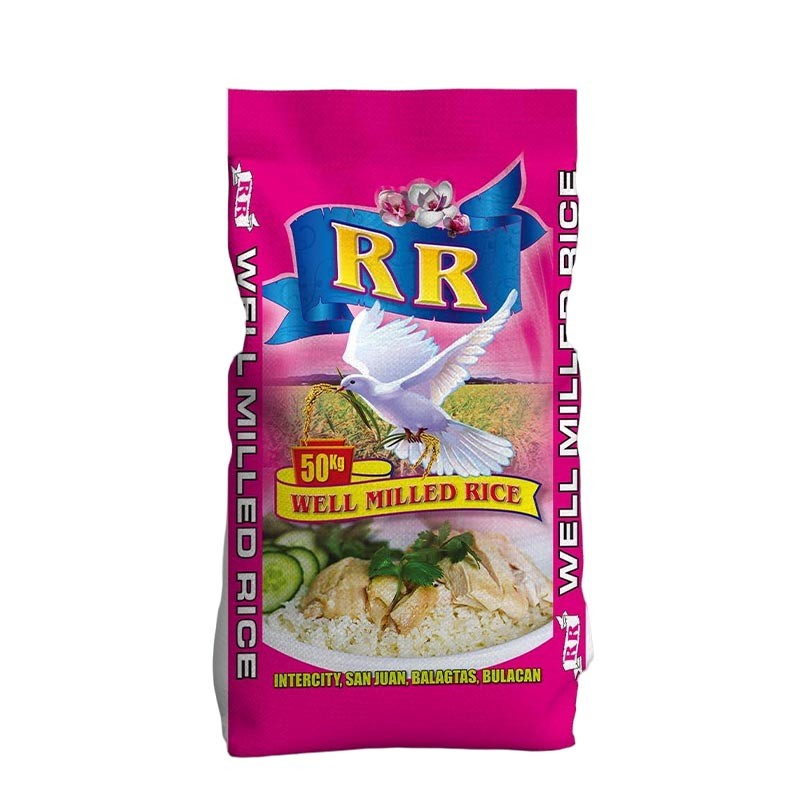
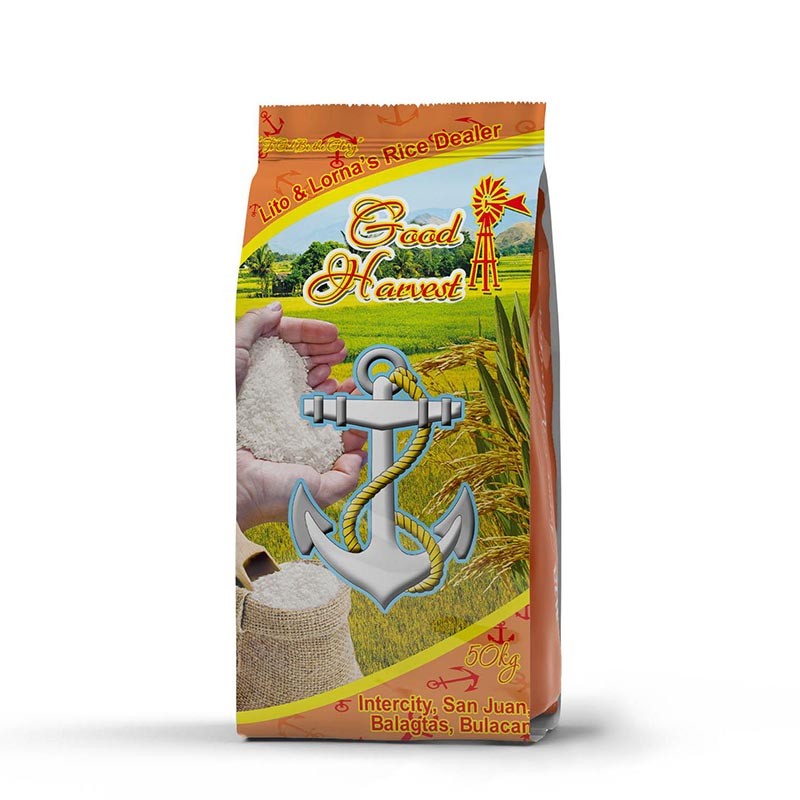
Today, regulatory compliance, quality control standards, and the rising cost of raw chemical ingredients are driving manufacturers toward high-performance laminated film solutions. Emerging economies in Asia-Pacific, Latin America, and Africa are seeing rapid growth in their agricultural sectors, leading to increased demand for imported high-yield seeds and specialized fertilizers. To transport these products over thousands of miles without loss of quality, supply chain operators rely on advanced packaging materials like BOPP (Biaxially Oriented Polypropylene) laminated PP woven bags.
Modern agriculture relies on genetically optimized hybrid seeds and organic bio-stimulants that are highly vulnerable to environmental factors. Seed viability is directly linked to moisture content; if the relative humidity inside the packaging rises above critical thresholds, the seeds lose germination vigor or succumb to fungal decay. Laminated films with integrated aluminum foil or metalized PET (polyethylene terephthalate) layers provide an absolute barrier to moisture and oxygen, extending the shelf-life of seeds and ensuring high germination rates upon planting.
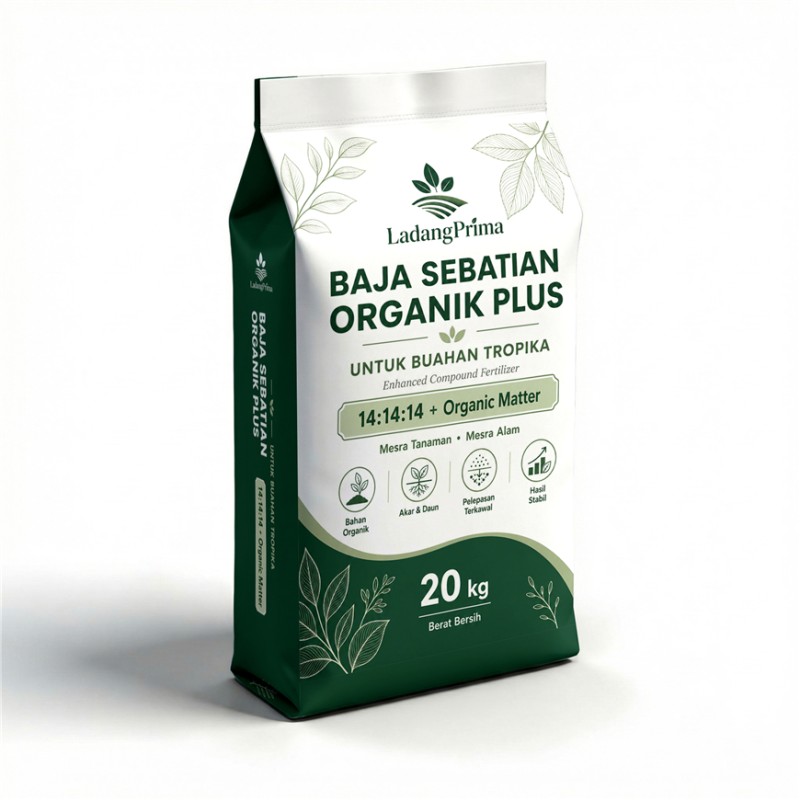
Chemical fertilizers, particularly nitrogen-based compounds like ammonium nitrate and urea, are highly hygroscopic. They readily absorb moisture from the surrounding air, leading to dissolution and subsequent recrystallization (caking). Caked fertilizer cannot be easily calibrated or applied by automated agricultural machinery, resulting in waste and operational delays. BOPP laminated PP woven bags provide the ideal combination of mechanical strength (to withstand the weight of 20kg to 50kg loads) and moisture resistance (to keep the fertilizer dry and free-flowing throughout distribution).
In the chemical industry, raw materials such as plastic resins, dry catalysts, adhesives, and pigments must be kept perfectly dry. Water vapor can react chemically with some of these compounds, rendering them inactive or hazardous. For example, polyurethane resins react with moisture to form carbon dioxide gas, causing swelling and degradation. Multi-layer laminated films with specialized barrier polymers like EVOH (Ethylene Vinyl Alcohol) prevent moisture molecules from penetrating the package, preserving the chemical composition of the contents.
Feed additives, vitamins, and enzymes used in animal nutrition are highly sensitive to moisture and oxidation. In humid conditions, vitamins degrade rapidly, and organic feed ingredients can develop toxic molds (mycotoxins). Food-grade laminated PP woven packaging bags ensure that the nutritional profiles of these expensive additives remain stable, preventing economic losses for feed mills and livestock producers.
The exceptional performance of laminated films is achieved by combining distinct materials, each contributing unique properties to the final structure:
By optimizing the thickness and composition of these layers, manufacturers can customize the packaging to meet the specific requirements of the product, balancing performance and cost-effectiveness.
Looking forward, two major trends are shaping the future of laminated films in agricultural and chemical supply chains: sustainability and smart packaging.
As environmental regulations tighten globally, there is strong pressure to develop recyclable and biodegradable barrier films. Traditional multi-material laminates can be difficult to recycle. Consequently, research is focused on "mono-material" laminates—using modified forms of a single polymer family (such as all-polypropylene or all-polyethylene structures) that can be easily processed in standard recycling streams while maintaining high barrier performance.
Simultaneously, the integration of smart technologies is gaining traction. RFID tags, QR codes, and color-changing humidity indicators can now be embedded directly into laminated films. This allows logistics managers to track shipments in real-time and verify that moisture levels have not exceeded safe limits during transit, ensuring quality control throughout the supply chain.


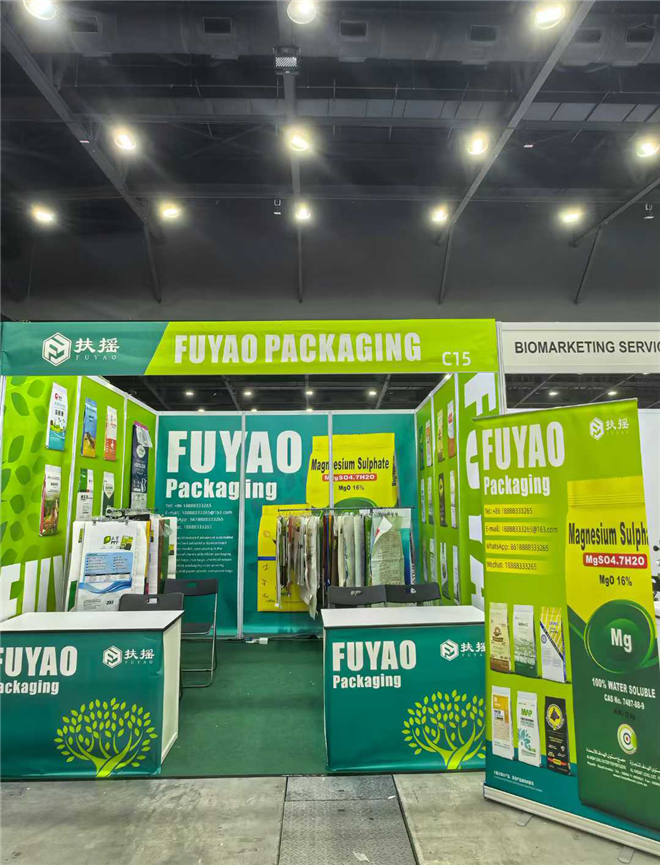
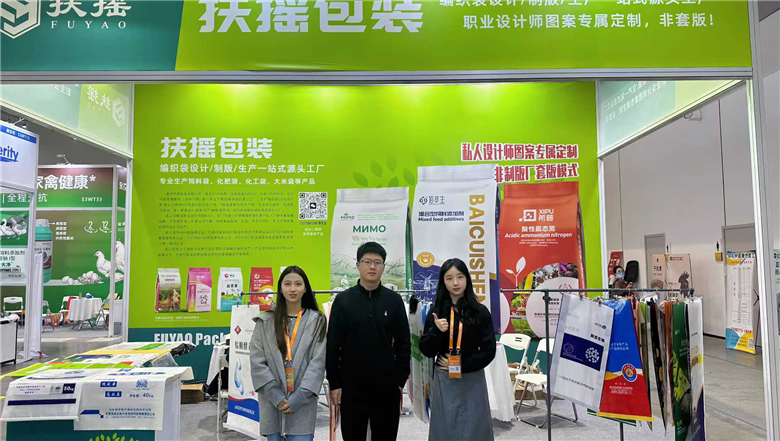
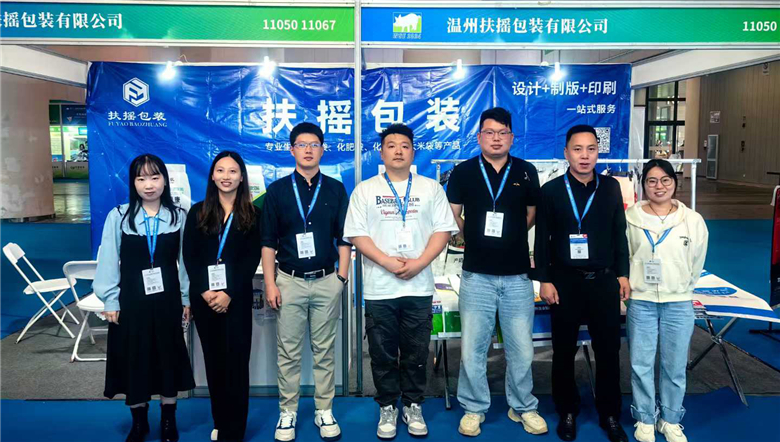
Showcasing our barrier packaging innovations at leading global trade shows.
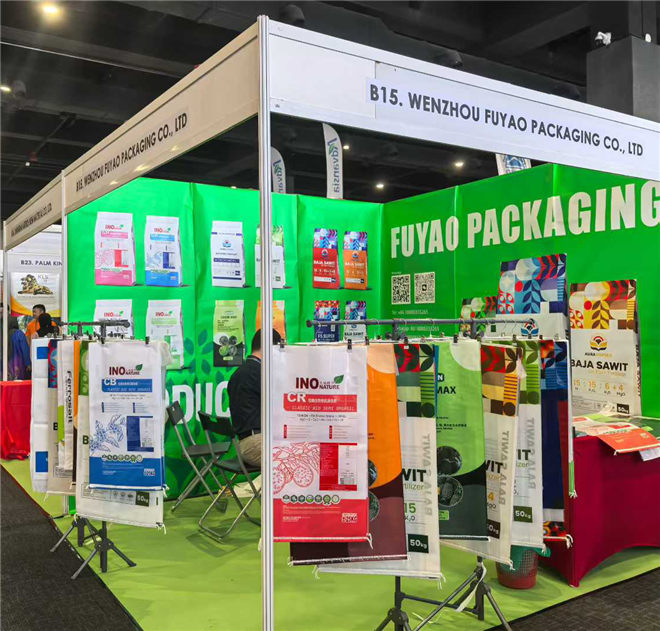
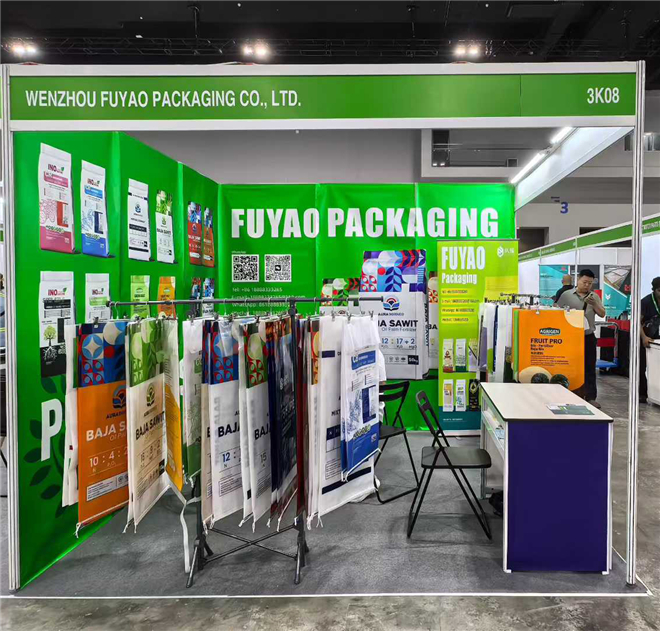
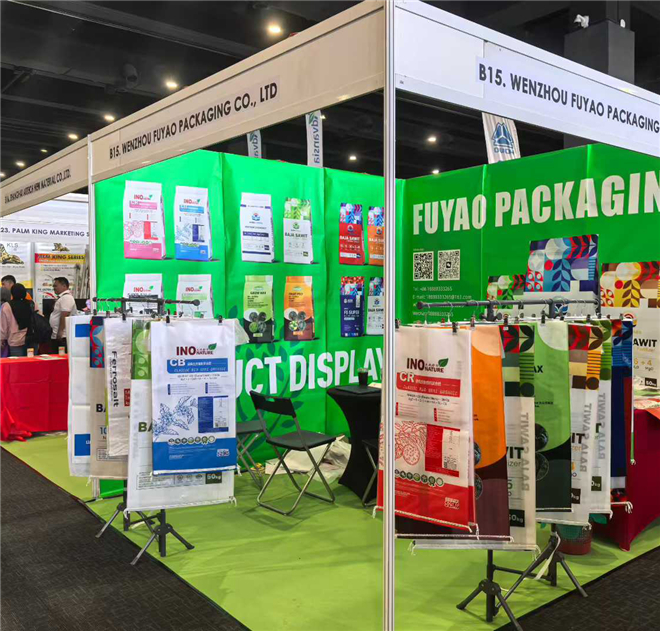
The name “Jiufen” originates from the concept of moderation in traditional philosophy, reflecting a business approach that values balance, humility, and continuous improvement. Rather than pursuing short-term gains, we focus on long-term cooperation and sustainable growth.

Over the years, we have built long-term partnerships with clients across various industries, providing customized packaging solutions tailored to specific applications. By combining strong manufacturing capability with professional export services, we aim to deliver reliable products, competitive solutions, and consistent support to customers worldwide.

We are committed to deepening our presence in international markets and building a trusted global trade brand through high-quality products and professional service, achieving steady and sustainable growth.
As a technology-driven and environmentally responsible manufacturer, we integrate R&D, production, sales, and service into one system. We continuously invest in innovation to enhance product performance and reduce environmental impact.
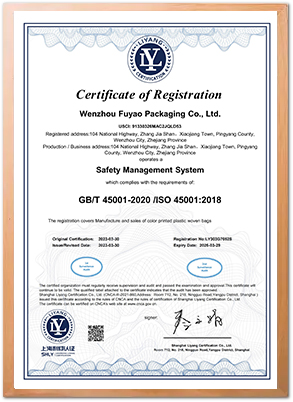
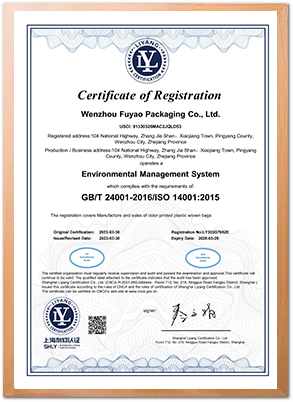
Our company has been recognized as an AAA Credit Enterprise and has obtained multiple international certifications:
These certifications demonstrate our strict quality control and compliance with global standards.
Customized high-barrier packaging solutions designed for international agricultural and chemical supply chains.