
How Fertilizer Packaging Bags Improve Storage, Transport, and Product Safety
Introduction
In the fertilizer supply chain, packaging often doesn’t get enough attention—until something goes wrong. Moisture damage, bag breakage, and product loss during transport can quickly eat into margins and affect customer satisfaction.
For fertilizer manufacturers, agricultural companies, and cooperatives, choosing the right Fertilizer Packaging Bags is a practical decision that directly impacts efficiency, cost control, and product quality.
Where Fertilizer Packaging Bags Are Actually Used
Fertilizer Packaging Bags are not limited to just one stage—they move through the entire supply chain.
Common use points include:
• Filling lines in fertilizer production plants
• Warehouse storage before distribution
• Bulk transportation (truck, container, shipping)
• Secondary distribution by agricultural dealers
• On-site storage at farms or cooperatives
Because fertilizers are often handled multiple times, packaging needs to be strong, stable, and reliable under pressure.
Typical Application Scenarios in Daily Operations
In real-world operations, these bags are designed to handle demanding environments:
1. Long-Distance Shipping
Fertilizer products may travel hundreds or thousands of kilometers.
• Bags must resist tearing during loading/unloading
• Strong sealing prevents leakage
• Stable stacking reduces transport risks
2. High-Humidity Storage Conditions
Fertilizers are extremely sensitive to moisture.
• Laminated structures help block humidity
• Inner liners add an extra protective layer
• Keeps granules from clumping or degrading
3. High-Volume Warehouse Handling
Frequent movement increases wear and tear.
• Durable woven materials extend bag life
• Uniform sizing improves pallet stacking
• Anti-slip surfaces enhance stability
4. Outdoor Temporary Storage
In many cases, fertilizers are stored outside.
• UV-resistant materials reduce sun damage
• Strong structure maintains integrity under exposure
Problems Fertilizer Companies Often Face
Without proper packaging, several common issues appear quickly:
Moisture Absorption
• Leads to clumping or chemical changes
• Reduces product effectiveness
Bag Breakage
• Causes material loss
• Creates safety and cleanup issues
Poor Stacking Efficiency
• Wastes warehouse space
• Increases logistics costs
Inconsistent Branding
• Weak packaging reduces product visibility
• Hard to differentiate in competitive markets
How Fertilizer Packaging Bags Solve These Issues
Modern Fertilizer Packaging Bags are designed with these challenges in mind.
Key solutions include:
• Multi-layer structures
Improve moisture resistance and durability
• High-strength woven PP fabric
Prevent tearing under heavy loads
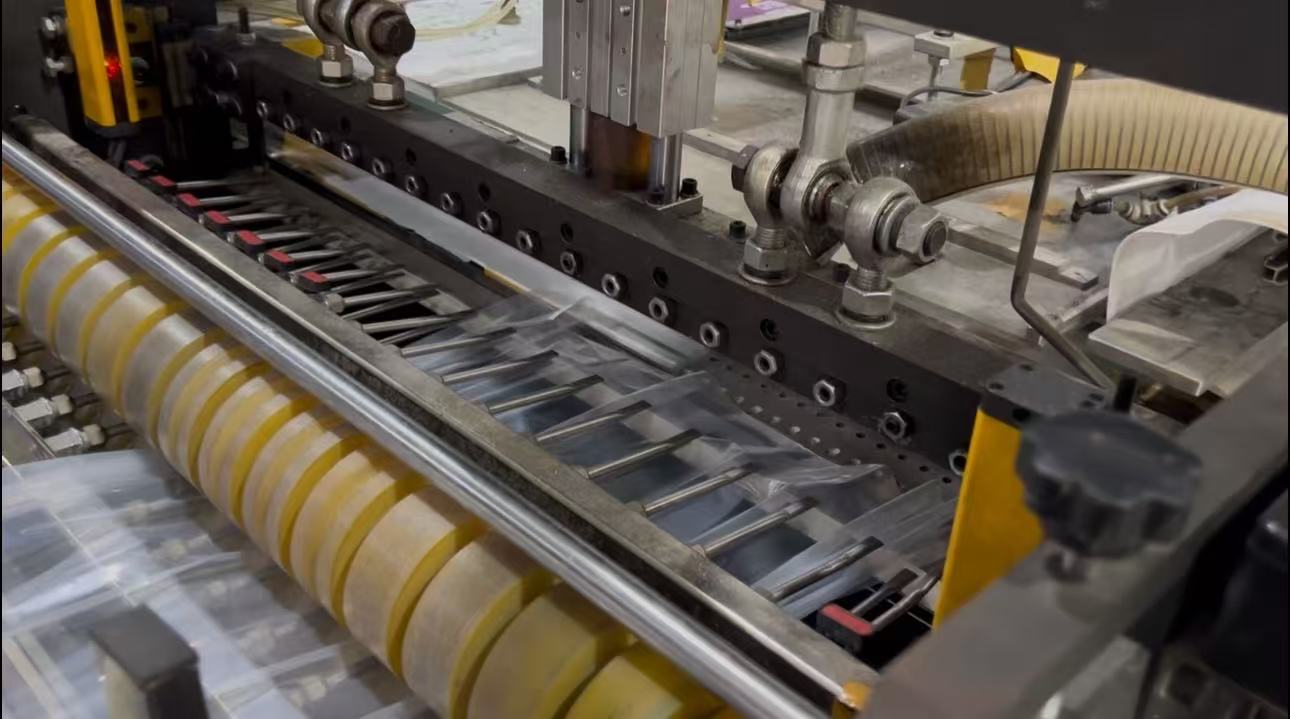
• Precision sealing options
Reduce leakage during transport
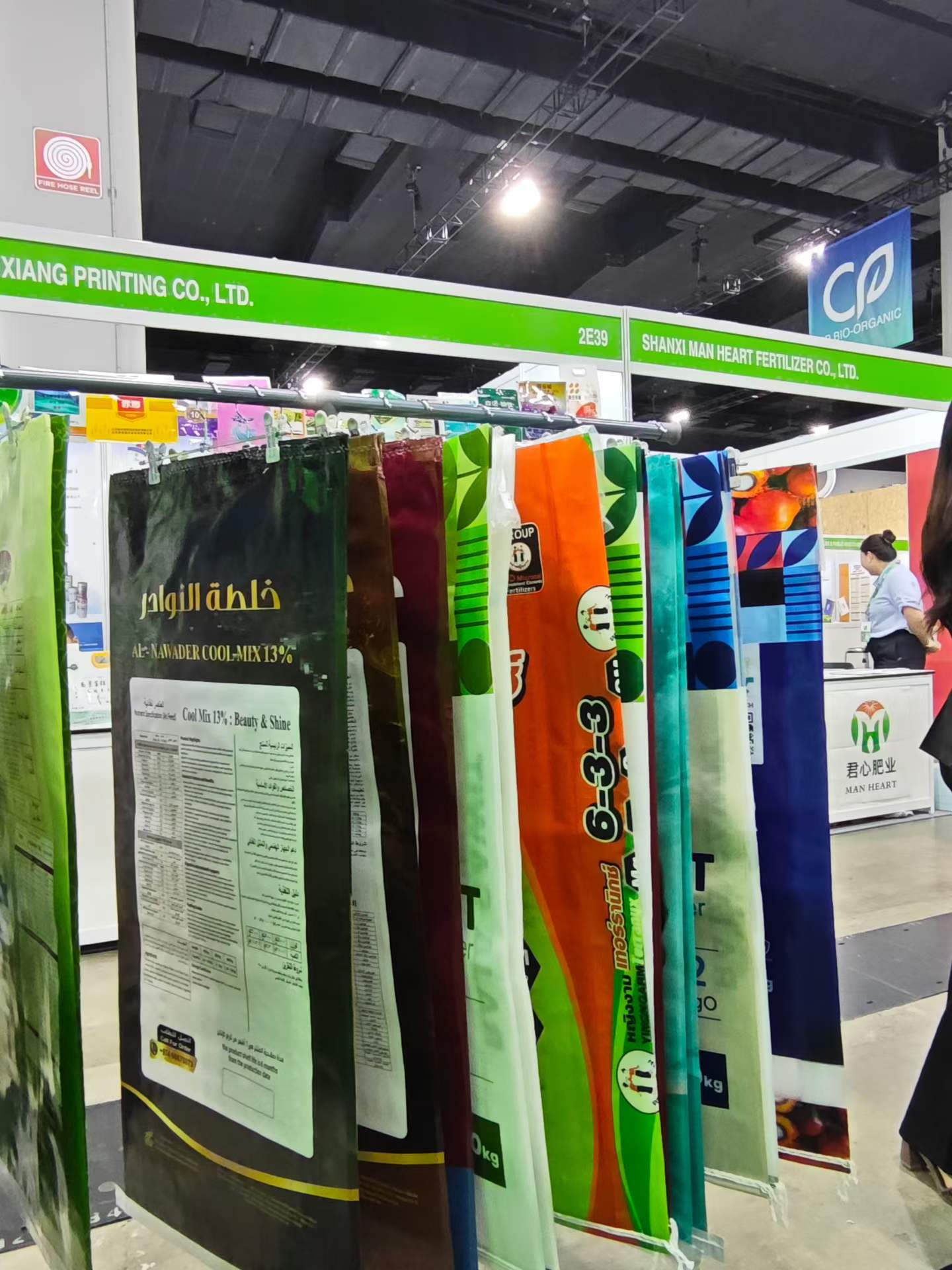
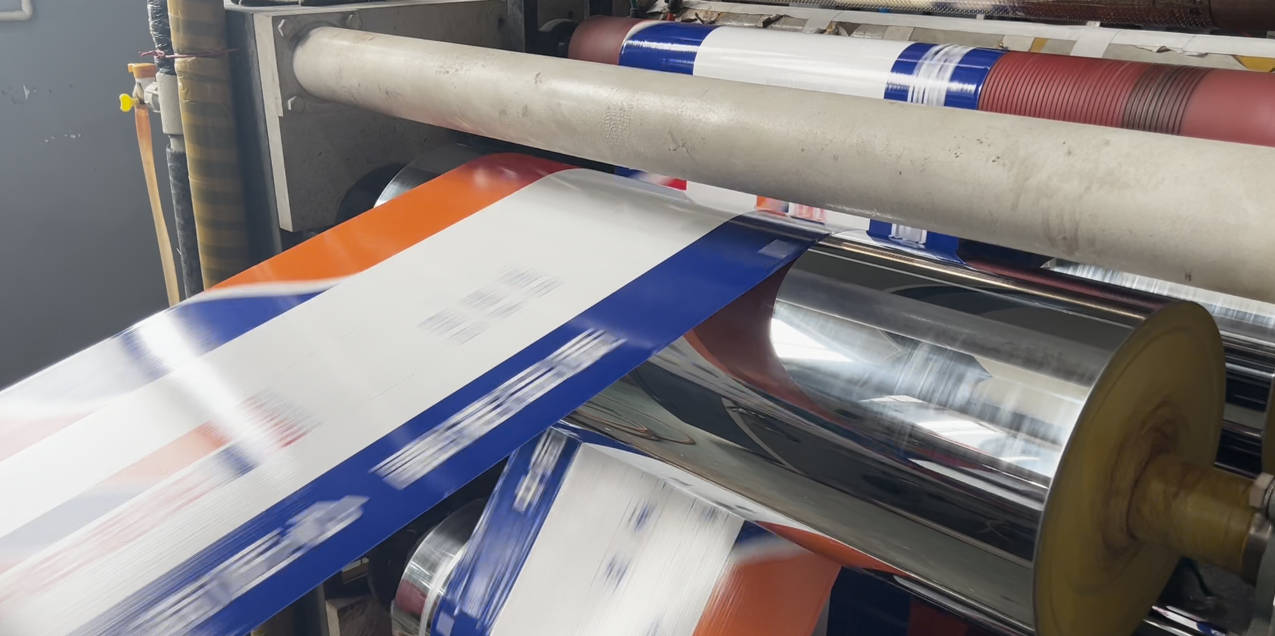
• Custom printing (BOPP lamination)
Enhances brand visibility and product information clarity
Practical Benefits You Can Expect
Switching to high-quality Fertilizer Packaging Bags brings measurable improvements:
Better Product Protection
• Helps reduce loss during transport and storage
• Maintains fertilizer quality over time
Improved Handling Efficiency
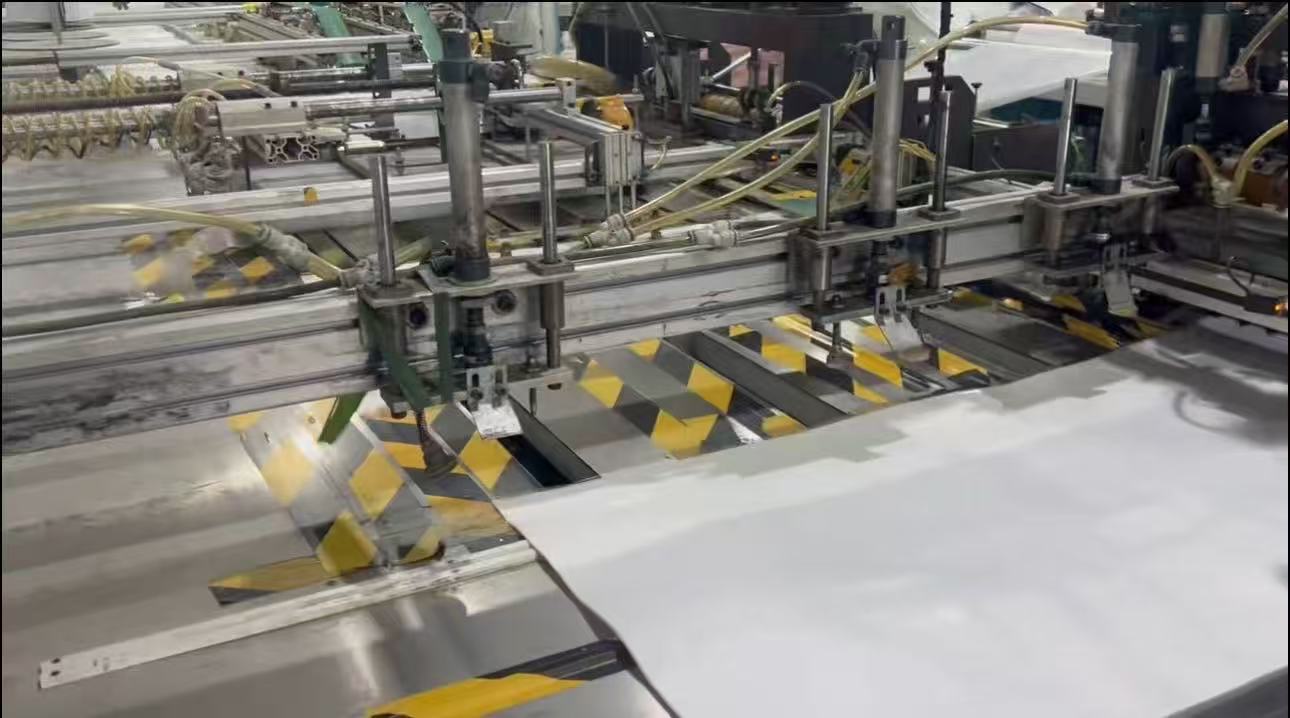
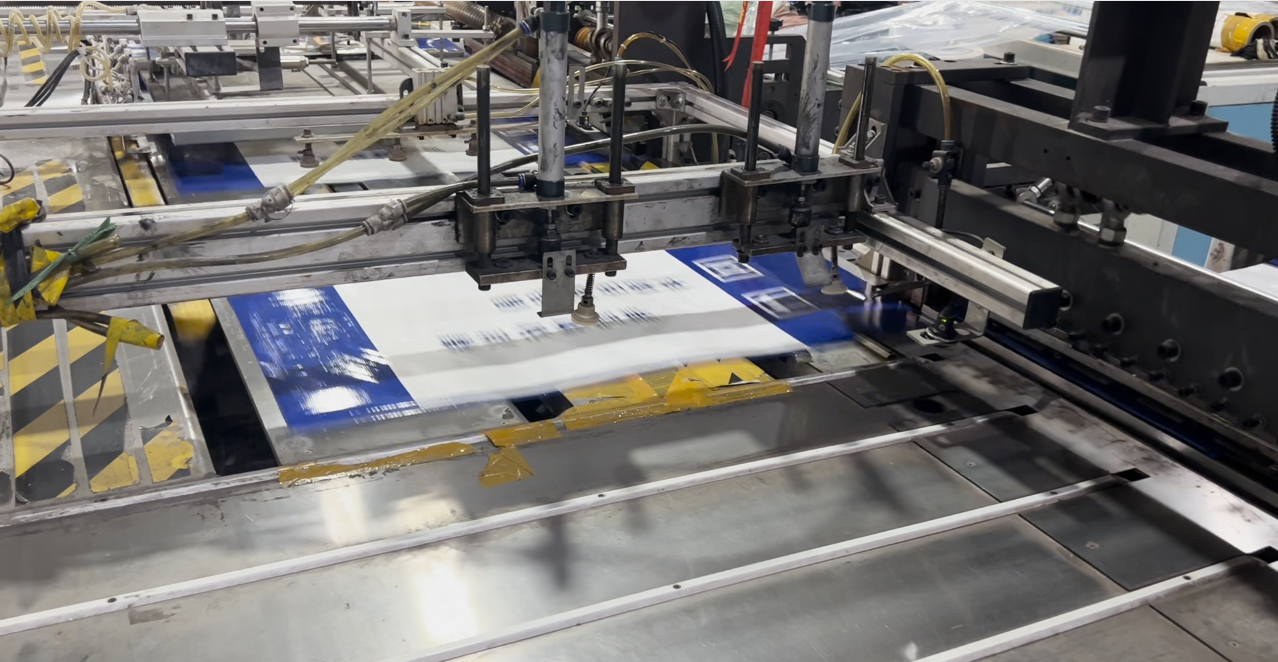
• Works well with automated filling systems
• Easier stacking and palletizing
Lower Operational Costs
• Fewer damaged goods
• Reduced returns and complaints
Stronger Market Presence
• Professional packaging builds trust
• Clear labeling improves user experience
Key Features to Look For
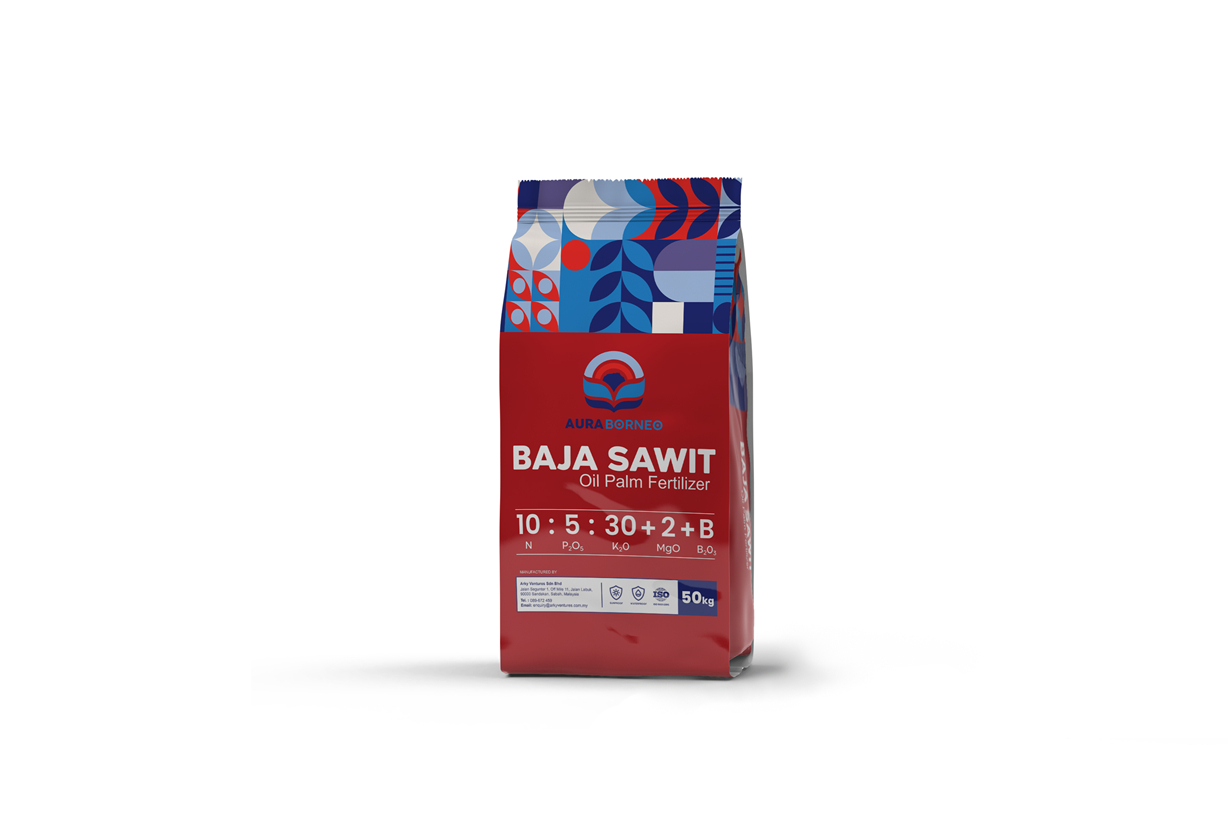
When selecting Fertilizer Packaging Bags, buyers usually focus on:
• Load capacity (commonly 25kg / 50kg)
• Material strength (woven PP with lamination)
• Moisture barrier performance
• Printing quality and customization options
• Bag type (open mouth, valve, gusseted)
Choosing the right combination depends on your specific product and logistics setup.
Certifications and Quality Standards
For large-scale supply and export, compliance matters.
Reliable manufacturers typically meet:
• ISO 9001 (Quality Management)
• ISO 14001 (Environmental Management)
• ISO 45001 (Workplace Safety)
• CE standards (where applicable)
These standards ensure consistency, safety, and long-term reliability.
A Practical Example from the Industry
A fertilizer supplier handling bulk shipments upgraded from basic woven bags to laminated Fertilizer Packaging Bags with inner liners.
After implementation:
• Product loss during storage decreased noticeably
• Warehouse stacking became more stable
• Customer feedback improved due to better packaging quality
This kind of upgrade is common as companies scale operations.
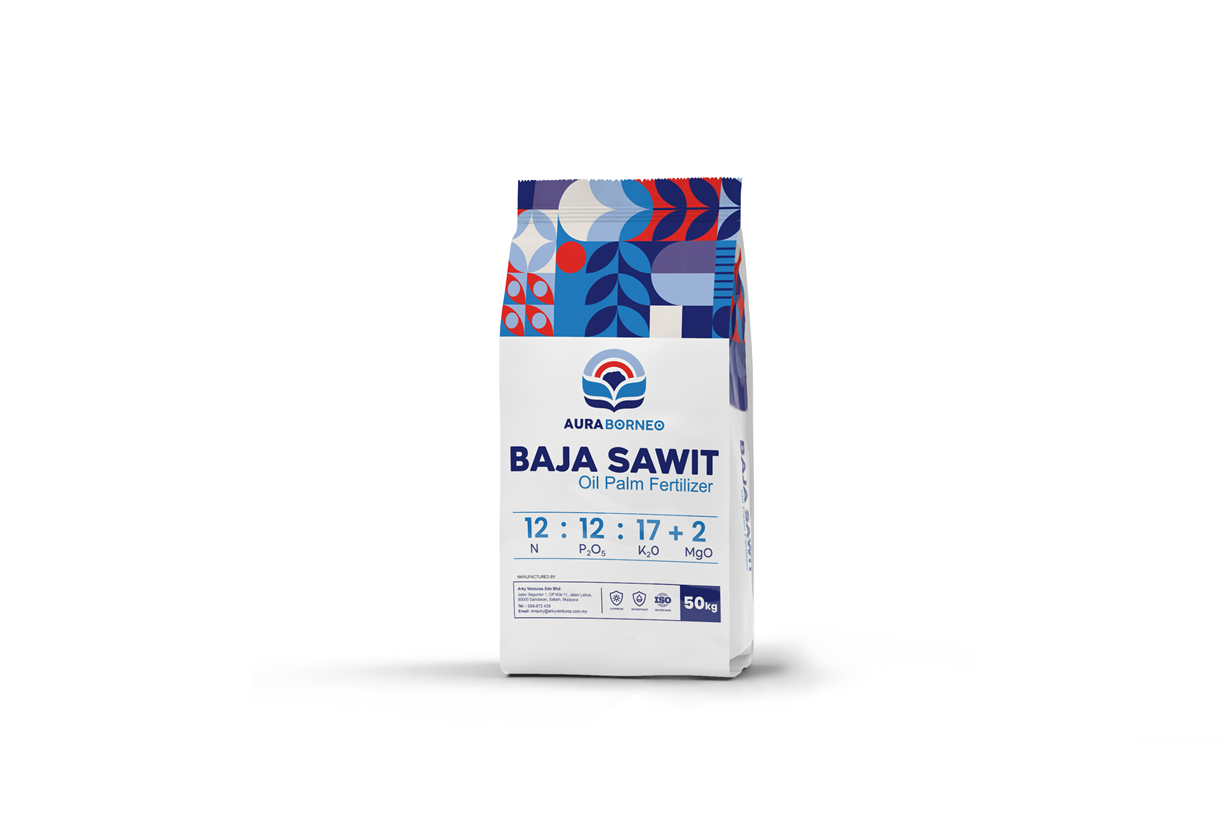
Fertilizer Packaging Bags are more than just containers—they are part of the overall efficiency of your supply chain.
From protecting against moisture to improving transport stability and reducing losses, the right packaging solution supports both operational performance and customer satisfaction.
For fertilizer producers and agricultural distributors, investing in reliable packaging is a practical step toward long-term cost control and consistent product quality.
FAQ
1. What type of Fertilizer Packaging Bags is most commonly used?
Woven polypropylene bags with laminated coating are widely used due to their strength and moisture resistance.
2. Can these bags handle heavy loads?
Yes, most Fertilizer Packaging Bags are designed for 25kg to 50kg loads and can be customized for higher capacities.
3. Are they suitable for automated filling lines?
Yes, many designs are compatible with high-speed automated filling and sealing systems.
4. How do they help reduce product loss?
By preventing moisture entry, leakage, and breakage, they protect fertilizer quality throughout storage and transport.