Leave Your Message
Explore our top-performing food-grade packaging bags designed to optimize bulk handling, automate filling lines, and preserve nutritional quality.
In the modern agricultural and food manufacturing sectors, the packaging of bulk dry goods like rice, flour, grains, and pulses represents a critical juncture in the supply chain. Global food security and efficiency rely heavily on packaging materials that can withstand rigorous transport, prevent contamination, and maintain freshness over long periods. Among the various materials available, plastic packaging bags (specifically those engineered from high-performance polymers like Polypropylene and Polyethylene) have emerged as the industry standard for bulk food processing.
Industrial mills and processing facilities operate at high velocities, requiring packaging systems that integrate seamlessly with high-speed automated filling lines. At the same time, these packaging solutions must comply with strict international food safety regulations, such as those set by the FDA, EFSA, and local food safety authorities. Choosing the right plastic packaging bag is not merely a logistical decision; it is a vital strategy to protect product integrity, minimize food waste, and optimize operational margins.
While traditional natural fibers like jute and burlap were once the mainstay of bulk grain transport, the global food processing industry has rapidly transitioned to engineered plastic bags. This shift is driven by the superior moisture barrier properties, pest resistance, hygienic profiles, and automation compatibility offered by modern polypropylene (PP) and polyethylene (PE) formulations.
The global bulk food processing market is experiencing unprecedented growth, driven by population expansion, urbanization, and the globalization of grain trade routes. Rice and flour are staple foods for billions, necessitating long-distance transportation across varying climatic zones. Consequently, the commercial demand for robust bulk packaging has escalated.
Today, food processors look for packaging that minimizes product loss during handling. According to food logistics studies, physical damage to bags and moisture ingress are the leading causes of post-harvest loss in grain transit. By utilizing customized, high-tensile PP woven bags and multi-layer composite plastic bags, processors can virtually eliminate bag breakage. This reliability has established plastic packaging as a cornerstone of the global agricultural export economy, facilitating the movement of millions of metric tons of food supplies annually.
To understand why plastic packaging dominates bulk food processing, one must look at the material science behind these products. Not all plastics are created equal; bulk packaging relies on specific polymers engineered for strength, flexibility, and barrier performance.
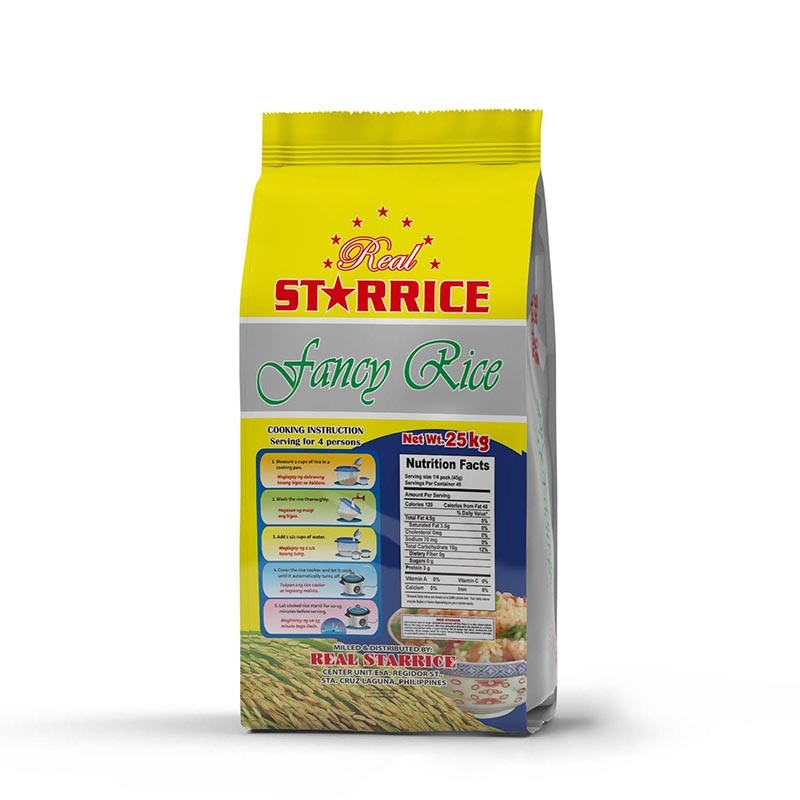
Woven PP bags are manufactured by circular weaving polypropylene tapes in two directions. This structure provides exceptional tensile strength and durability, allowing the bags to carry loads ranging from 10kg to over 50kg without tearing. For dry grains like rice, PP woven bags provide necessary breathability while resisting punctures from sharp grain husks. When paired with an internal PE liner or an external BOPP (Biaxially Oriented Polypropylene) lamination, these bags become highly moisture-resistant, keeping the contents dry and free from external contaminants.
For fine powders like wheat flour, cornstarch, and bakery mixes, woven structures alone can allow product sifting or dusting. In these scenarios, heavy-duty PE bags or FFS tubular films are preferred. Polyethylene offers a completely hermetic seal, preventing fine powders from escaping and keeping moisture and humidity out. FFS automated systems form the bag, fill it with flour, and seal it in one continuous, high-speed operation, drastically reducing labor costs and contamination risks.
Combining the structural strength of plastic with the printability and rigidity of paper, paper-plastic composite bags are widely used for premium flour and food ingredients. Typically, these bags feature an outer layer of high-quality kraft paper laminated to an inner woven polypropylene fabric. This composite design provides an excellent barrier against moisture, grease, and light, while offering a premium surface for high-resolution brand printing.
Bulk food processors face unique environmental and mechanical challenges. The application of advanced plastic packaging directly addresses these pain points:
The future of bulk food packaging is being shaped by two major forces: environmental sustainability and digital transformation. As regulatory bodies enforce stricter guidelines on single-use plastics, the packaging industry is innovating rapidly.
Mono-Material Recyclability: The industry is moving away from complex multi-material structures that are difficult to recycle. Instead, manufacturers are developing high-barrier mono-material PP or PE laminates. These bags offer the same protective qualities but can be easily processed in standard recycling streams, aligning with the circular economy goals of global food brands.
Smart Packaging Integration: The integration of RFID chips, QR codes, and temperature sensors into bulk packaging is on the rise. This technology allows processors to track shipments in real-time, monitor storage conditions (such as temperature and humidity spikes), and guarantee product authenticity throughout the supply chain.







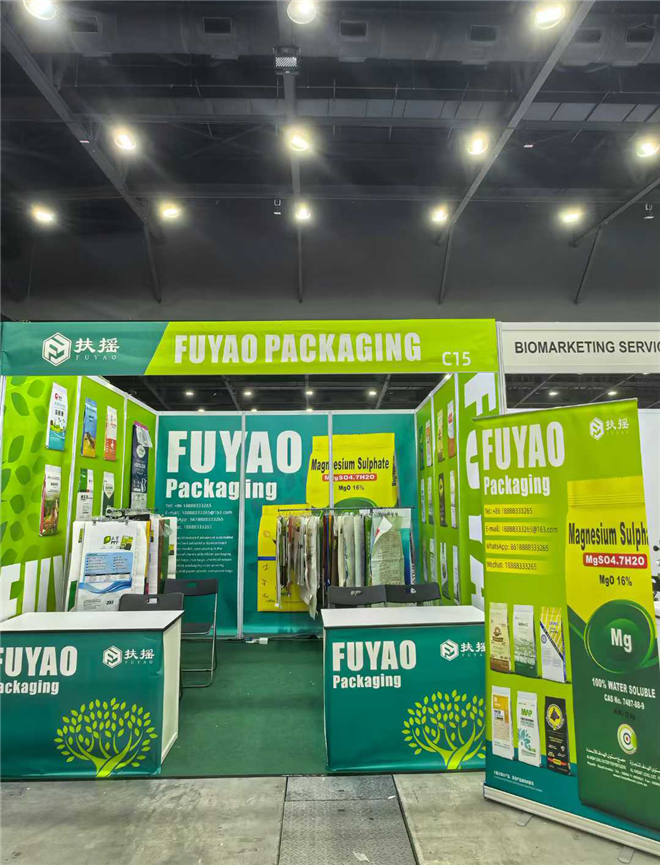
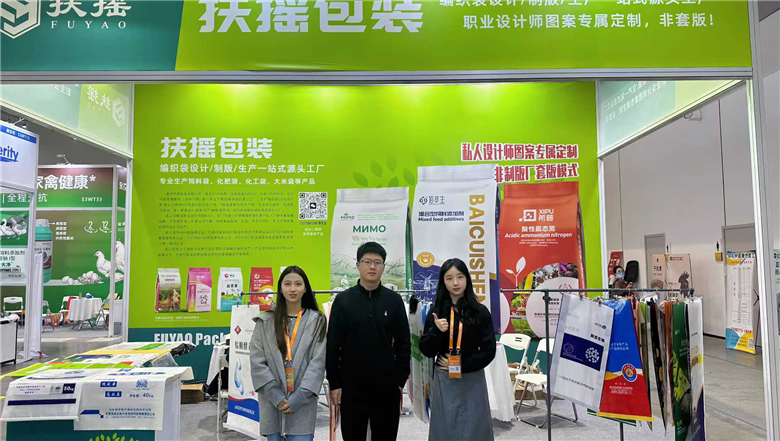
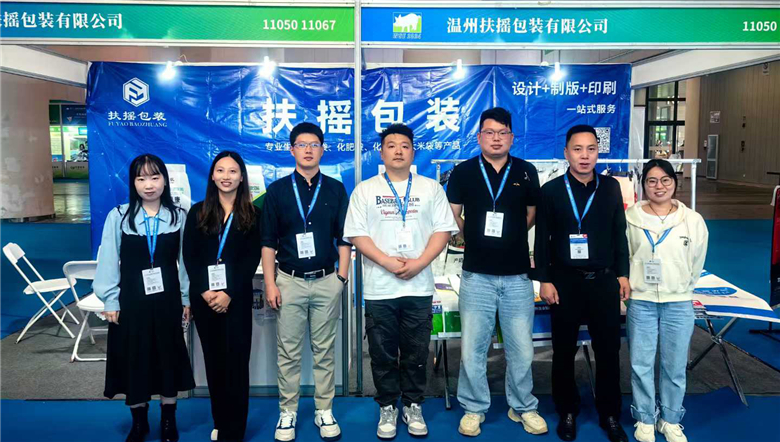
Connecting with food industry leaders worldwide, showcasing our latest heavy-duty plastic packaging technologies.
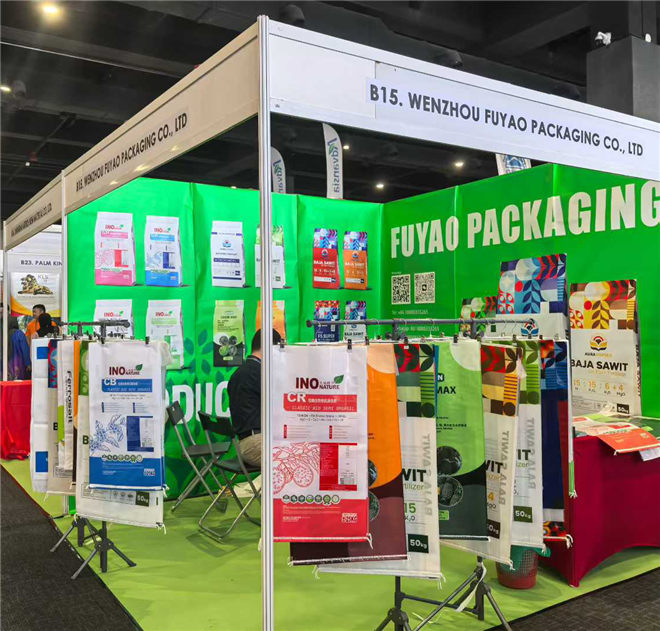
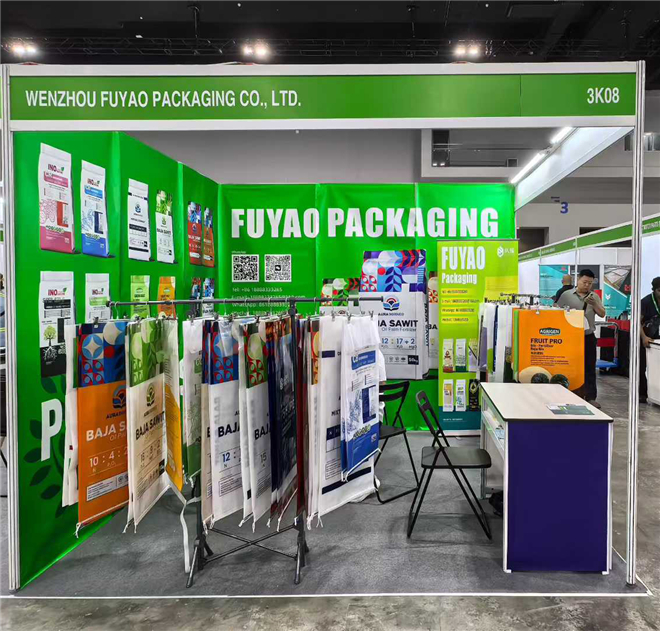
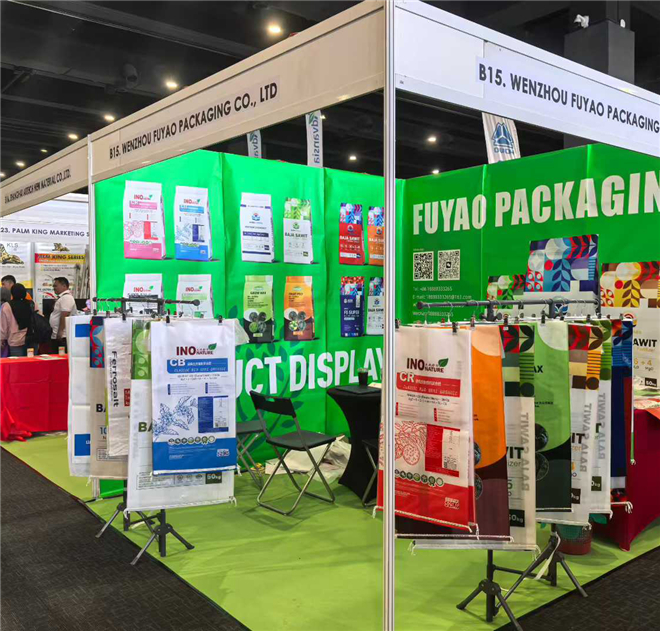
The name “Jiufen” originates from the concept of moderation in traditional philosophy, reflecting a business approach that values balance, humility, and continuous improvement. Rather than pursuing short-term gains, we focus on long-term cooperation and sustainable growth.


As a technology-driven and environmentally responsible manufacturer, we integrate R&D, production, sales, and service into one system. We continuously invest in innovation to enhance product performance and reduce environmental impact.
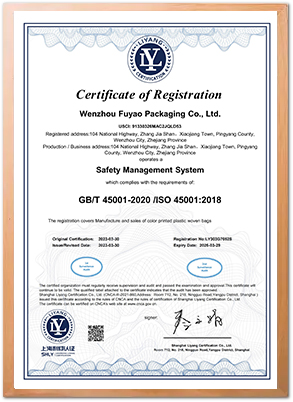
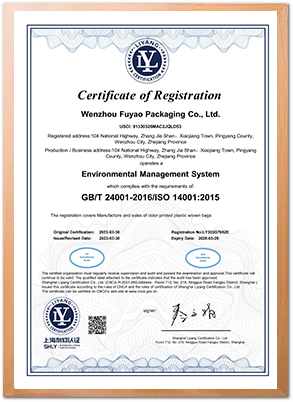
Our company has been recognized as an AAA Credit Enterprise and has obtained multiple international certifications:
These certifications demonstrate our strict quality control and compliance with global standards.
Browse our full range of heavy-duty woven, composite, and automated PE packaging solutions engineered for global bulk transport.