Leave Your Message
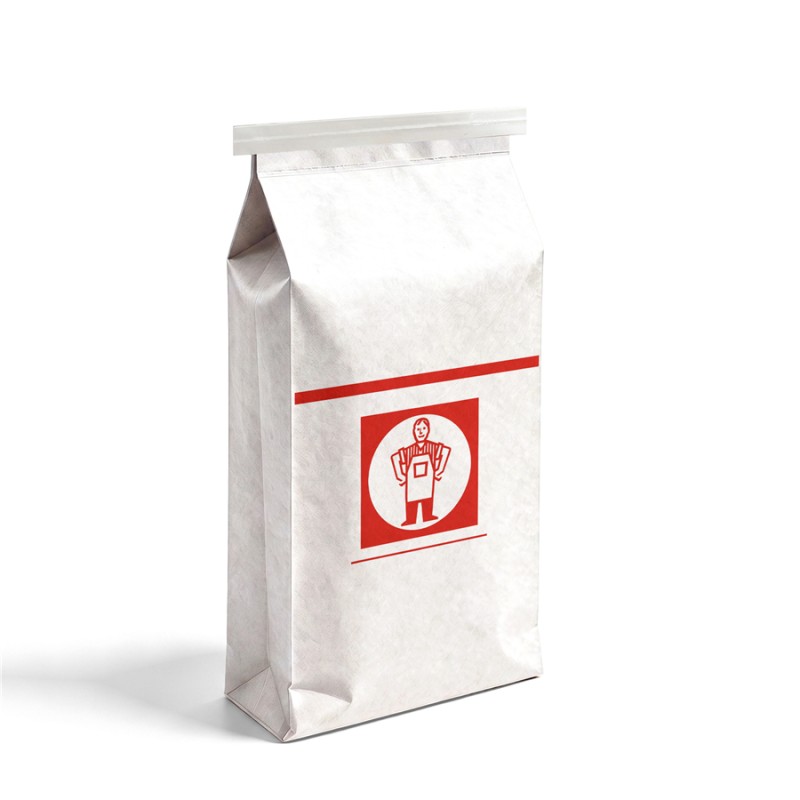
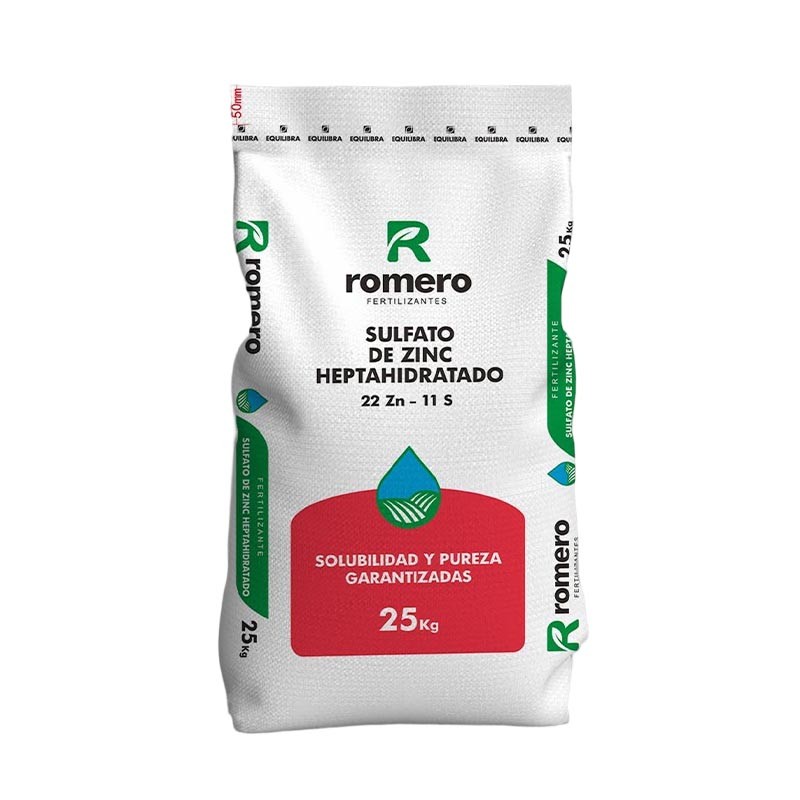
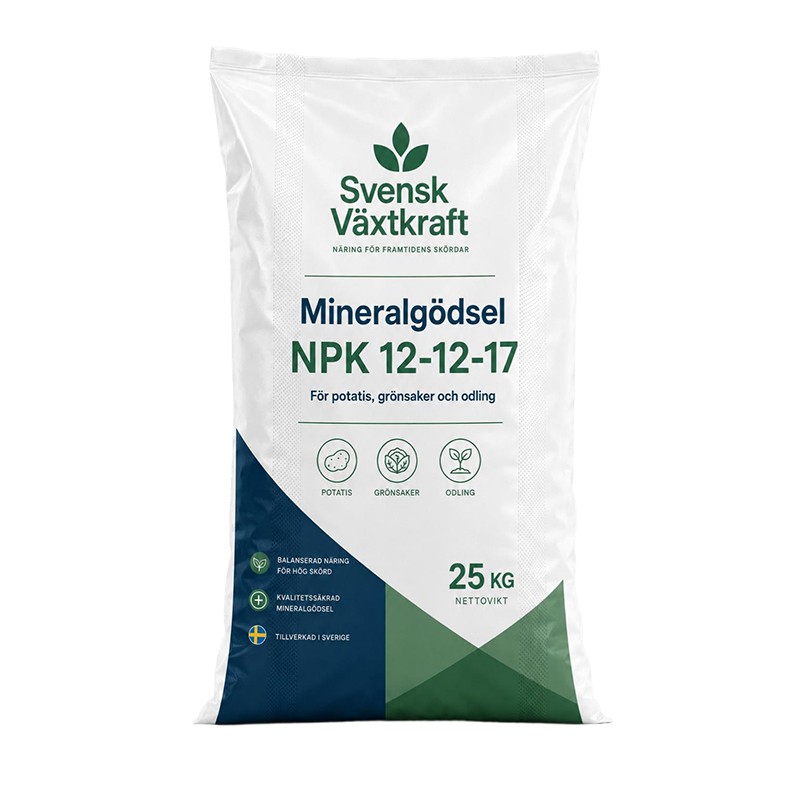
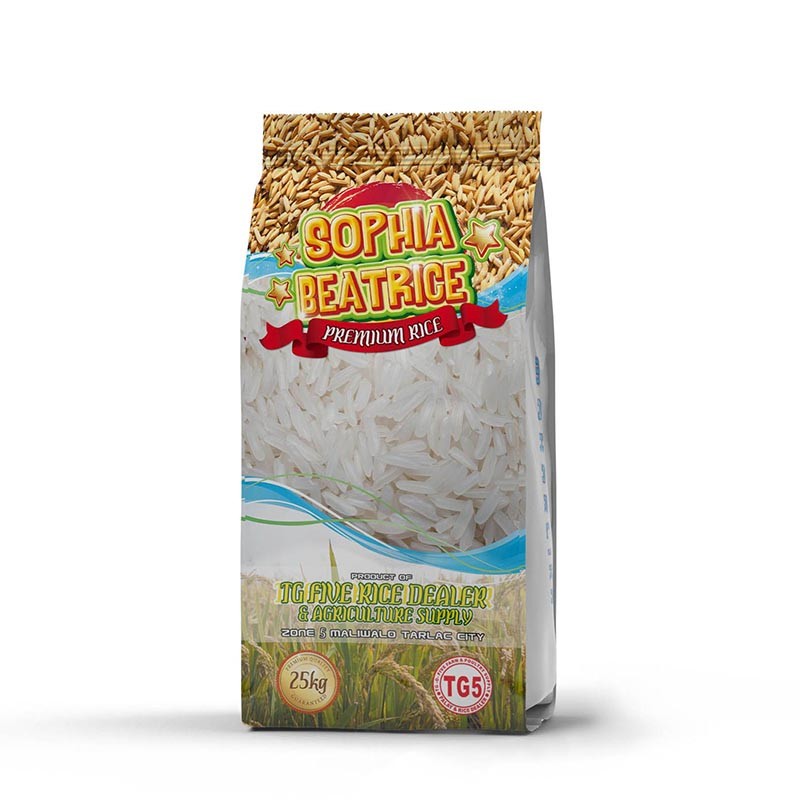
In the modern chemical processing and distribution industries, the choice of packaging is a critical variable that directly impacts product integrity, operational safety, and supply chain efficiency. Chemical raw material powders (such as titanium dioxide, carbon black, food additives, and pharmaceutical intermediates) and synthetic resins (including PE, PP, PVC, ABS, and engineering plastics) present unique storage and transport challenges. These bulk industrial materials are highly sensitive to external environmental factors like moisture ingress, oxygen exposure, and UV radiation, which can lead to degradation, caking, or chemical instability.
The global chemical packaging sector is transitioning from traditional rigid drums and low-grade single-layer bags to high-performance, multi-layer engineered plastic packaging bags. This evolution is driven by the need to minimize product loss, optimize warehouse space, and support automated high-speed packaging lines. Modern industrial facilities rely on advanced packaging materials to maintain the exact physical and chemical properties of their raw materials from the manufacturing plant to the end-user's processing line.
With the rise of Industry 4.0, chemical packaging is no longer just a container; it is an active component of automated supply chains. Modern plastic bags are designed with precise dimensions and friction coefficients optimized for robotic palletizers and automatic Form-Fill-Seal (FFS) machinery, ensuring maximum uptime and zero manual handling risks.
To successfully contain and protect chemical powders and resins, packaging bags must meet stringent technical specifications. A failure in the packaging barrier can lead to costly contamination, environmental hazards, and compromised manufacturing batches.
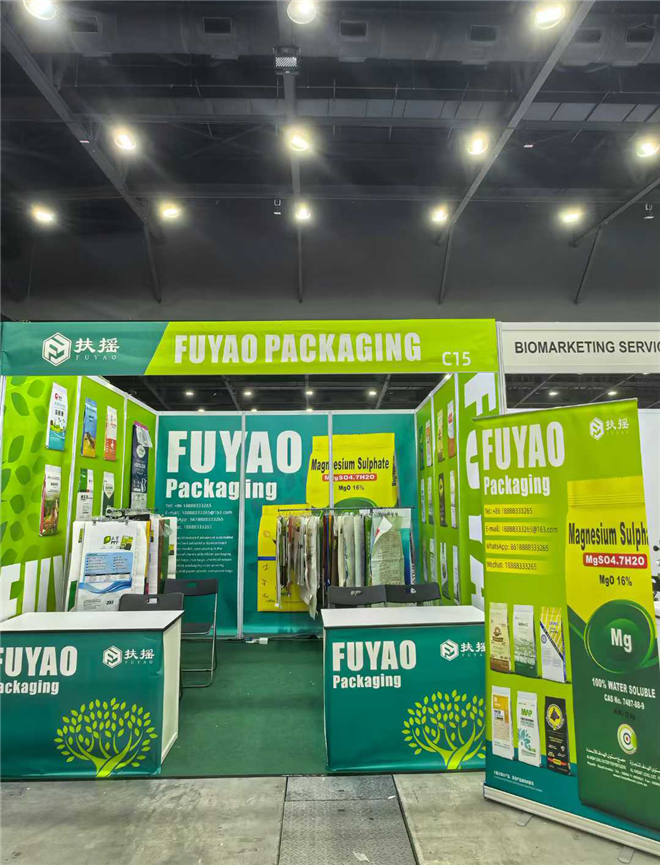
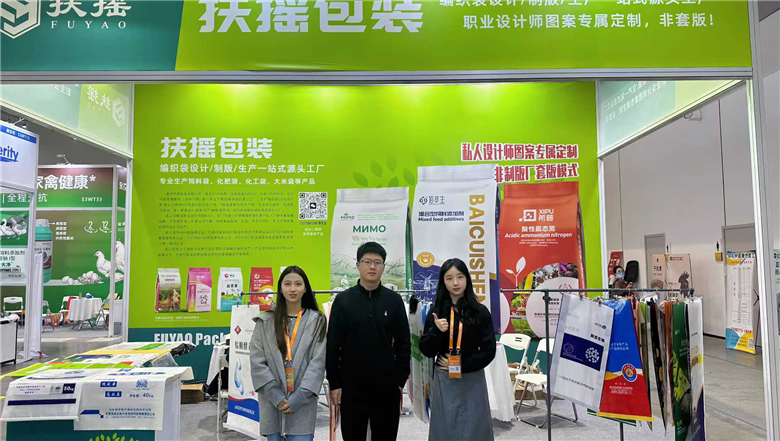
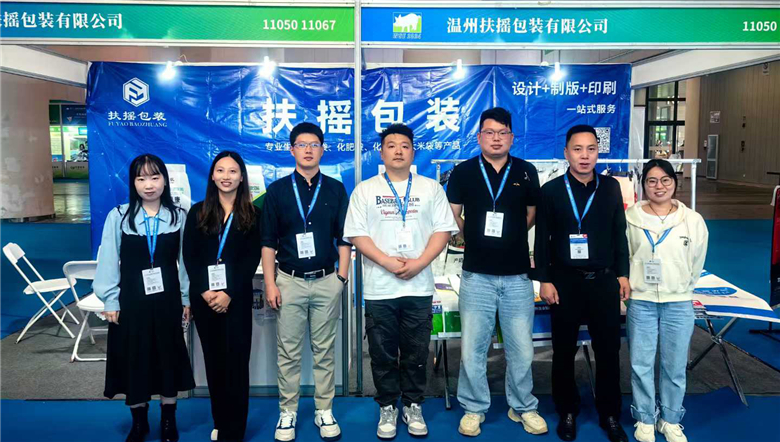
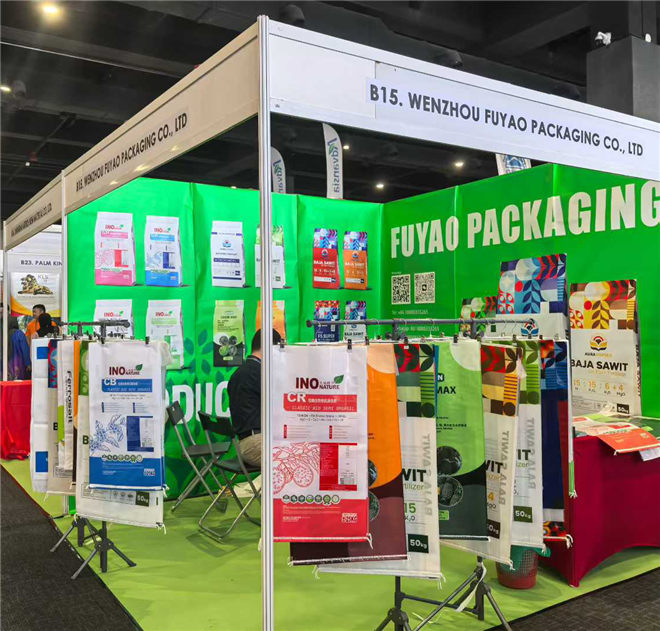
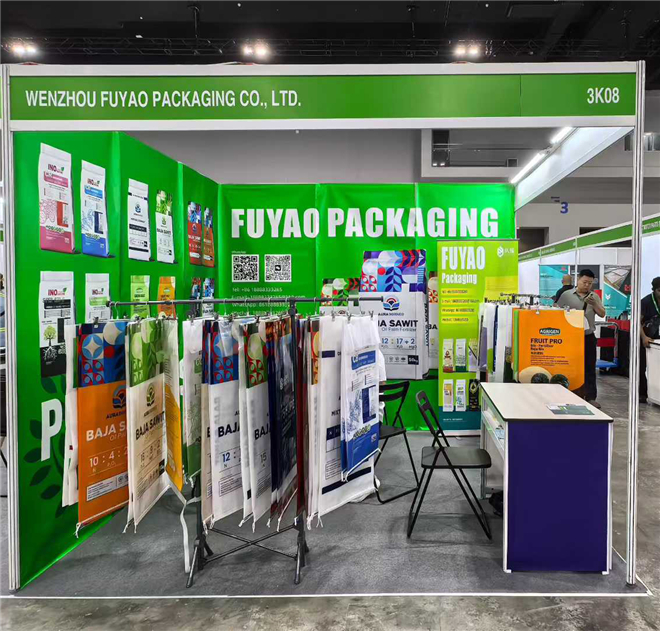
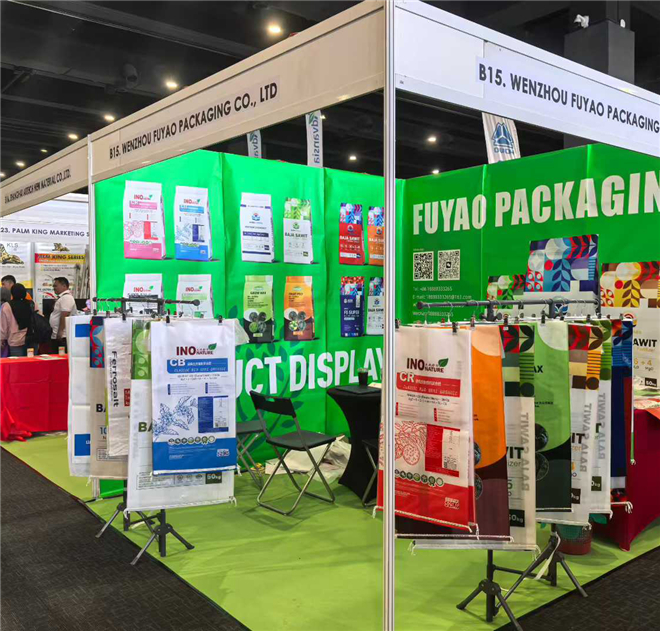
Plastic packaging bags for chemical raw materials are not one-size-fits-all. Different chemical families demand highly specialized material formulations to prevent chemical reactions, ensure physical stability, and guarantee safety. Below, we explore the primary industrial application scenarios:
Synthetic resins, typically shipped in pellet or granular form (such as Polyethylene, Polypropylene, Polystyrene, and PVC compounds), require robust packaging that can withstand high-volume gravity filling and intensive stacking. These materials are highly sensitive to contamination from dust and moisture, which can ruin downstream injection molding or extrusion processes. Heavy-duty PE FFS bags provide excellent puncture resistance and a clean, sealed environment, ensuring that the resins remain completely pure during transit.
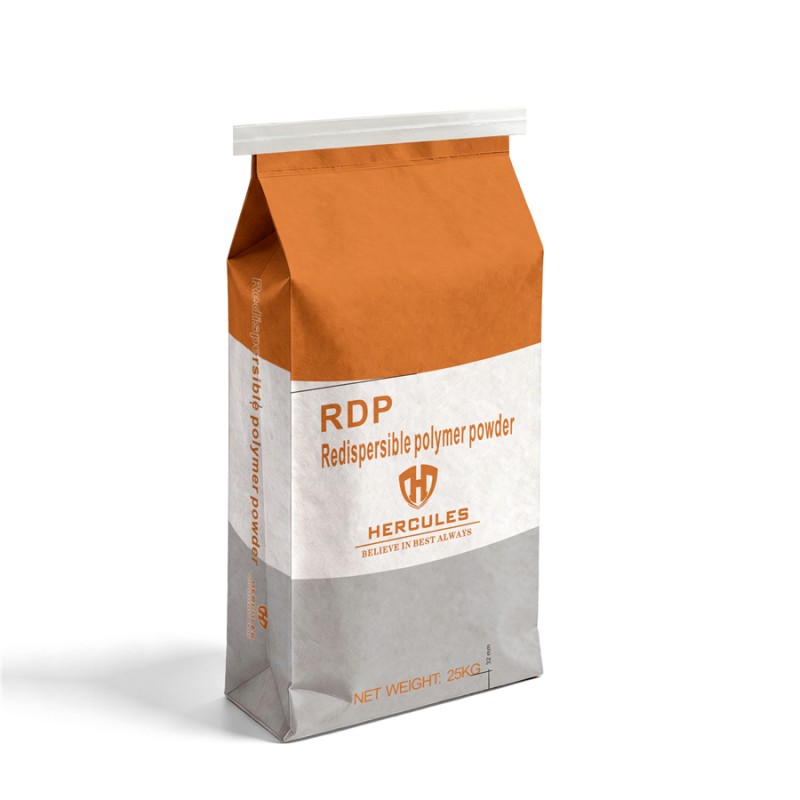
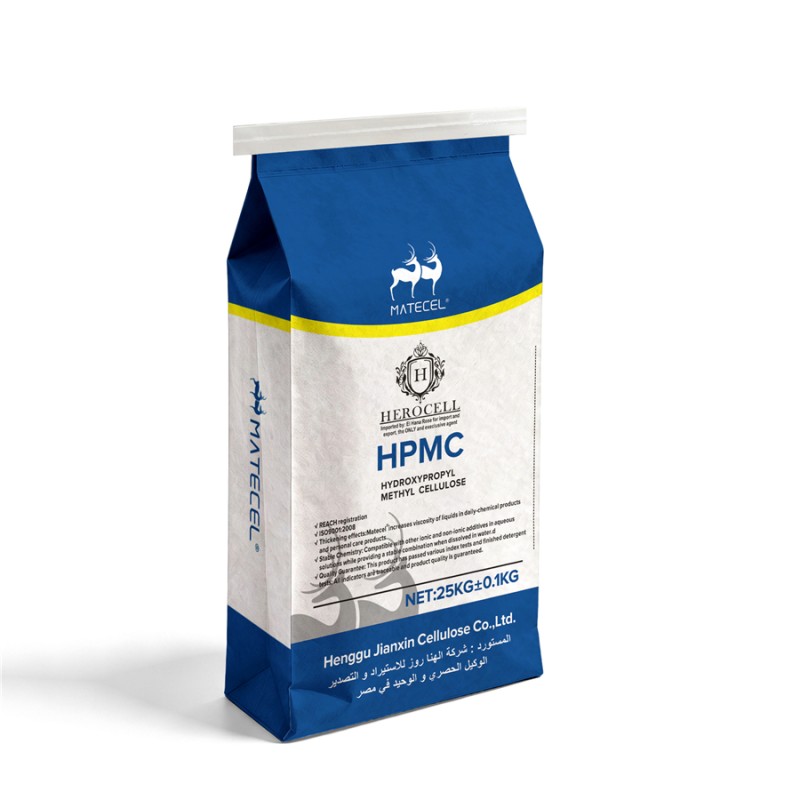
Fine powders, including active pharmaceutical ingredients (APIs), pigments, and catalyst powders, present extreme handling challenges due to their small particle size and potential health hazards. Packaging for these materials must feature absolute barrier properties to prevent the escape of toxic dust and block the entry of ambient humidity. Multi-layer composite bags utilizing EVOH or aluminum barrier layers are widely used here to provide an impenetrable shield against gas and moisture.
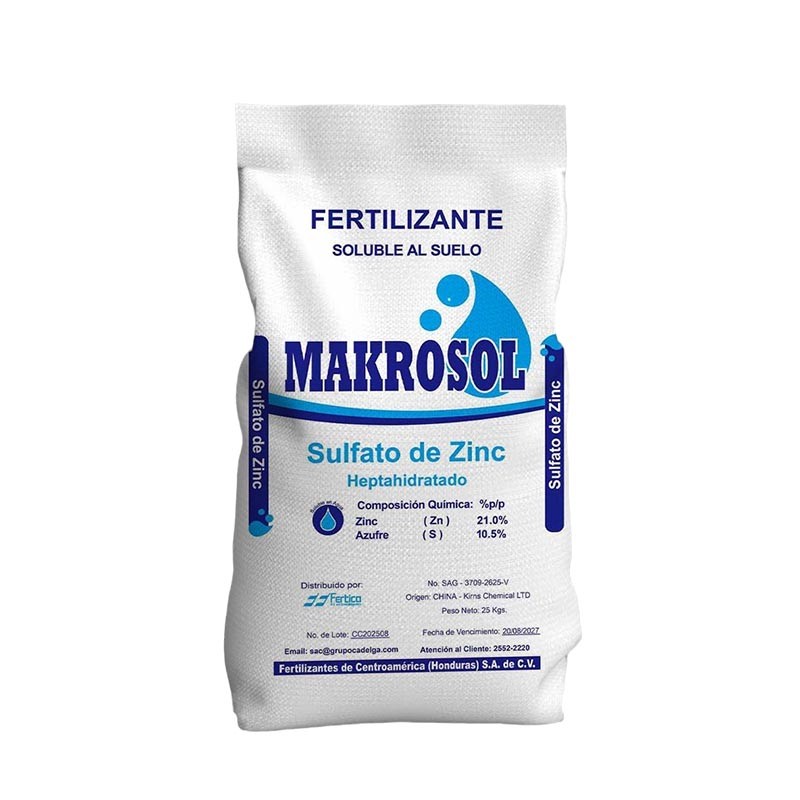
Bulk fertilizers (such as urea, ammonium nitrate, and potash) and agricultural minerals are corrosive and often highly hygroscopic. They are frequently stored in outdoor or semi-outdoor environments, exposing them to intense UV radiation and temperature fluctuations. Packaging bags for these applications are formulated with specialized UV inhibitors and constructed from heavy-duty PE or laminated PP woven materials to prevent degradation of both the bag and its chemical contents.
By utilizing multi-layer co-extrusion technology, we can combine different polymers (such as LLDPE for toughness, HDPE for stiffness, and barrier resins for chemical resistance) into a single, high-performance film. This allows for thinner, lighter packaging that actually delivers superior performance compared to traditional, bulkier materials.
The chemical industry is under increasing pressure to reduce its environmental footprint, and packaging is a major focal point. The future of chemical packaging lies in balancing high performance with sustainability. Key trends include:
Jinan Jiufen Import & Export Co., Ltd. operates as our dedicated international trade partner, working in close coordination with Fuyao Packaging.
While Fuyao focuses on production and manufacturing, Jiufen is responsible for all overseas business operations, including:
This integrated structure allows us to provide a complete supply chain solution, combining factory-level production control with professional export services, ensuring smooth and efficient transactions for global clients.


The name "Jiufen" originates from the concept of moderation in traditional philosophy, reflecting a business approach that values balance, humility, and continuous improvement. Rather than pursuing short-term gains, we focus on long-term cooperation and sustainable growth.

Over the years, we have built long-term partnerships with clients across various industries, providing customized packaging solutions tailored to specific applications. By combining strong manufacturing capability with professional export services, we aim to deliver reliable products, competitive solutions, and consistent support to customers worldwide.

We are committed to deepening our presence in international markets and building a trusted global trade brand through high-quality products and professional service, achieving steady and sustainable growth.
As a technology-driven and environmentally responsible manufacturer, we integrate R&D, production, sales, and service into one system. We continuously invest in innovation to enhance product performance and reduce environmental impact.
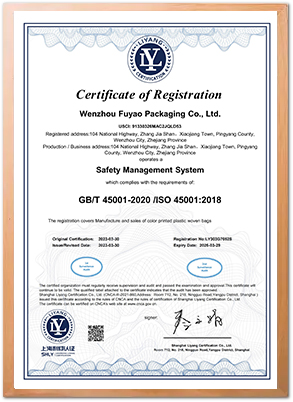
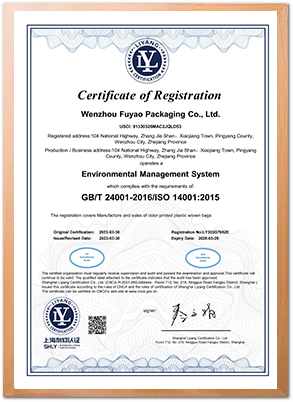
Our company has been recognized as an AAA Credit Enterprise and has obtained multiple international certifications: