Leave Your Message
Engineered for robust mechanical protection, optimal shelf-life stability, and seamless automated high-speed bagging operations.
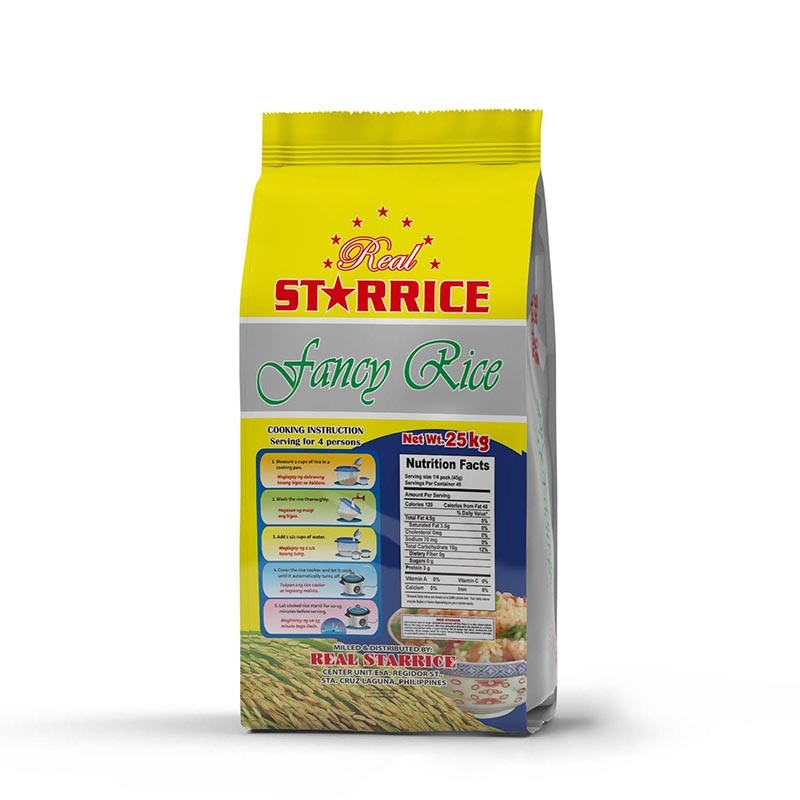
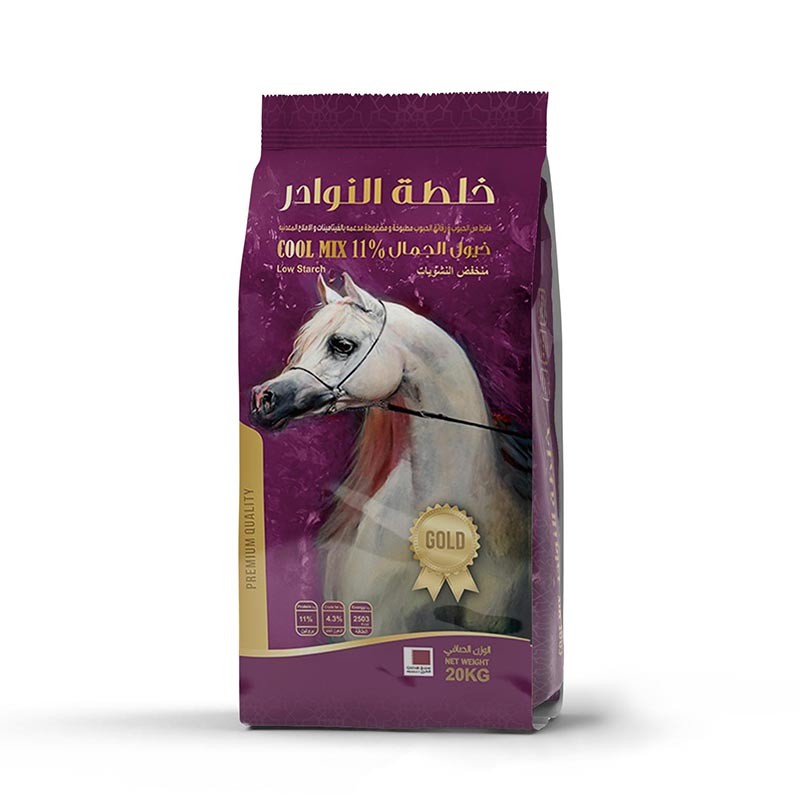
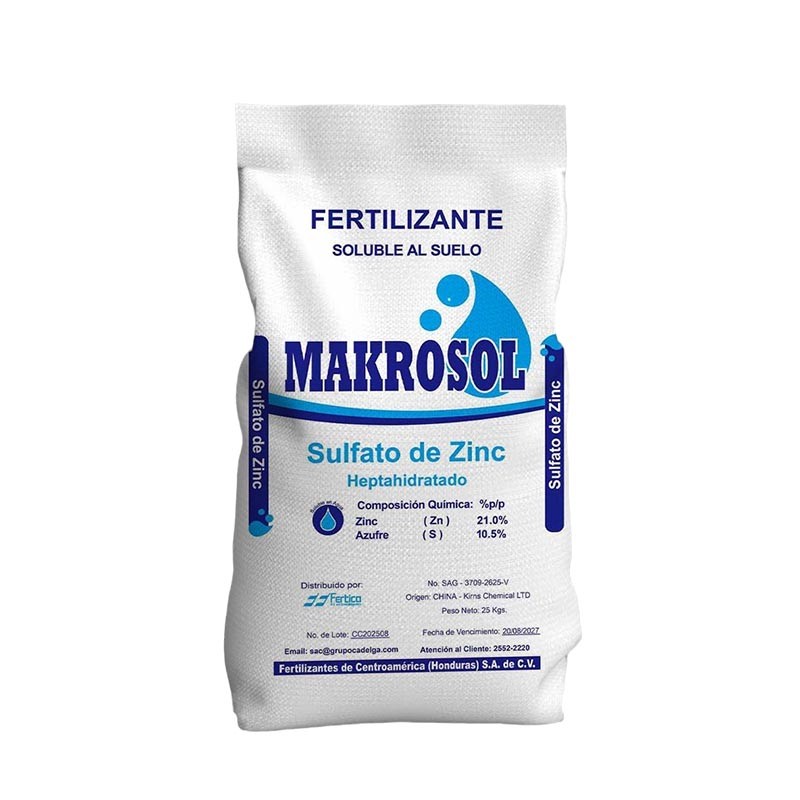
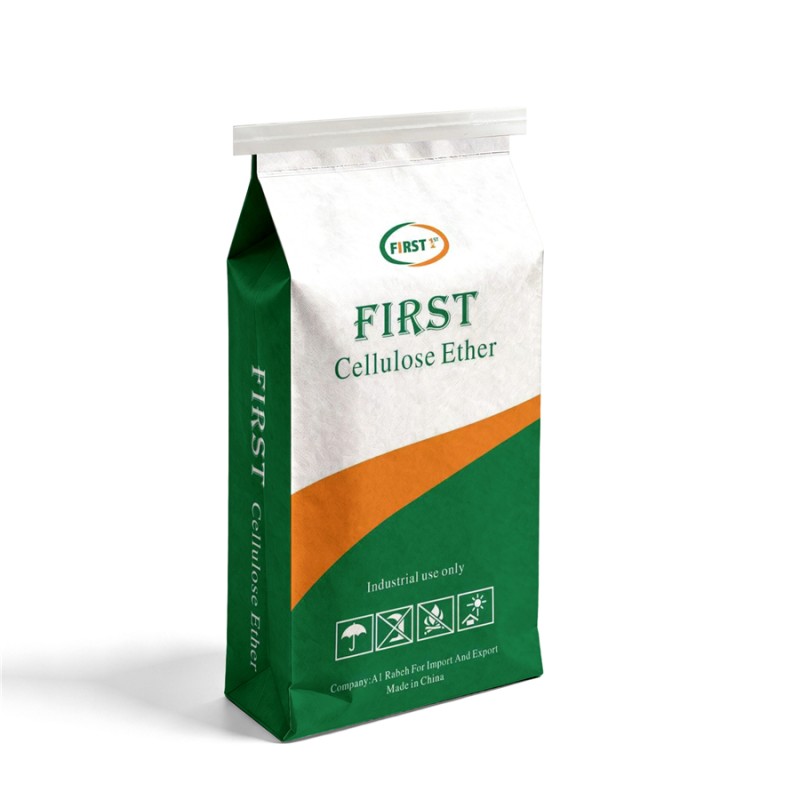
Preserving nutritional bioavailability, fat stability, and biological integrity from manufacturing plants to agricultural feed troughs.
The commercial manufacturing of animal nutrition—spanning formulated mash, crumbled starter diets, expanded pellets, and concentrated micro-premixes—has transformed into a high-precision, multi-billion-dollar global industry. Total global compound feed manufacturing exceeds 1.3 billion metric tons annually. Within this vast production landscape, the preservation of high-cost active ingredients such as micro-encapsulated vitamins, probiotic additives, amino acids, synthetic enzymes, and volatile marine lipids heavily depends on the protective efficacy of the packaging medium.
Traditional single-layer woven bags and unlined paper sacks are no longer sufficient to meet modern biosecurity protocols and long-distance intermodal logistics requirements. The modern packaging bag plastic for livestock, poultry, and aquaculture feed bulk packaging represents an intricate synthesis of polymer chemistry, structural weaving engineering, and functional barrier extrusion. These bags actively prevent moisture-induced clumping, mold proliferation (specifically aflatoxins and ochratoxins), oxidative rancidity of fat coatings, and nutrient degradation caused by ultraviolet (UV) radiation and atmospheric humidity swings.
Formulated with virgin Polypropylene (PP) and High-Density Polyethylene (HDPE) tapes, delivering exceptional burst resistance and puncture strength during 5-to-8 tier pallet stacking and rugged long-haul transport.
Integrated internal PE/EVOH co-extrusion liners and outer BOPP films deliver near-zero Water Vapor Transmission Rates (WVTR) and minimal Oxygen Transmission Rates (OTR) to eliminate lipid oxidation.
Engineered for circular recyclability using mono-material polyolefin blends (All-PP / All-PE) that simplify post-use sorting while complying with international plastic waste reduction directives.
Evaluating operational stressors, biochemical composition, and unique containment challenges across major commercial farming sectors.
Cattle, dairy, sheep, and swine feeds are produced in high volumes (20kg to 50kg bulk formats). Containment must manage abrasive coarse pellets and hygroscopic mineral salts.
Poultry diets feature delicate crumbles, heat-sensitive medicated premixes, and fine mash that demand strict hermetic sealing to avoid pest infestation and biosecurity hazards.
Extruded floating and sinking aquafeeds contain up to 25% fish oils and lipids, requiring maximum grease impermeability and total dockside water resistance.
In modern commercial feed mills, packaging performance is inextricably linked to production line efficiency. Feed packaging lines operating at speeds of 20 to 45 bags per minute demand extreme dimensional consistency, precise coefficient of friction (COF), and controlled bag stiffness. Packaging bags that flex unpredictably or produce excessive static electricity can lead to robotic arm misfeeds, vacuum suction failures, and catastrophic plant downtime.
Our engineered plastic feed bags are calibrated with specific COF levels (static COF 0.35–0.45; kinetic COF 0.28–0.38) through proprietary surface texturing and corona treatment. This balance allows high-speed automated bag placer arms to effortlessly separate individual bags from magazines while ensuring that filled bags remain locked in place when stacked on wooden or plastic pallets during high-acceleration containerized shipping.
| Performance Parameter | Standard PP Woven Bag | BOPP Laminated PP Feed Bag | Multi-Layer Paper-Plastic Composite |
|---|---|---|---|
| Primary Target Application | Standard Grain & Swine Feed | Premium Aquaculture & Poultry Feeds | Hygroscopic Premixes & Micro-Ingredients |
| Moisture Barrier (WVTR) | Moderate (3.5 - 5.0 g/m²/day) | Superior (< 0.8 g/m²/day) | Ultra-High (< 0.5 g/m²/day with foil/PE) |
| Tensile Strength (Warp/Weft) | 850 / 800 N/50mm | 1100 / 1050 N/50mm | 950 / 900 N/50mm |
| Lipid / Fat Barrier Index | Basic (Prone to migration) | Total Barrier (Oil Impermeable) | High Barrier (Coated internal liner) |
| Drop Test Integrity (ASTM D5276) | Pass 1.8m (6 falls) | Pass 2.4m (8 falls) | Pass 2.0m (6 falls) |
| Print Graphic Resolution | Flexographic (Low-Mid DPI) | Photographic Gravure (Up to 300 DPI) | Offset / Flexo High Definition |

















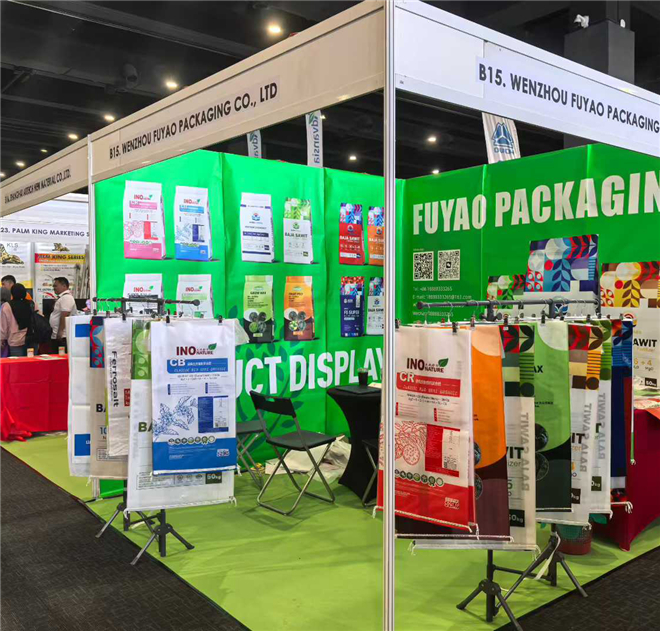
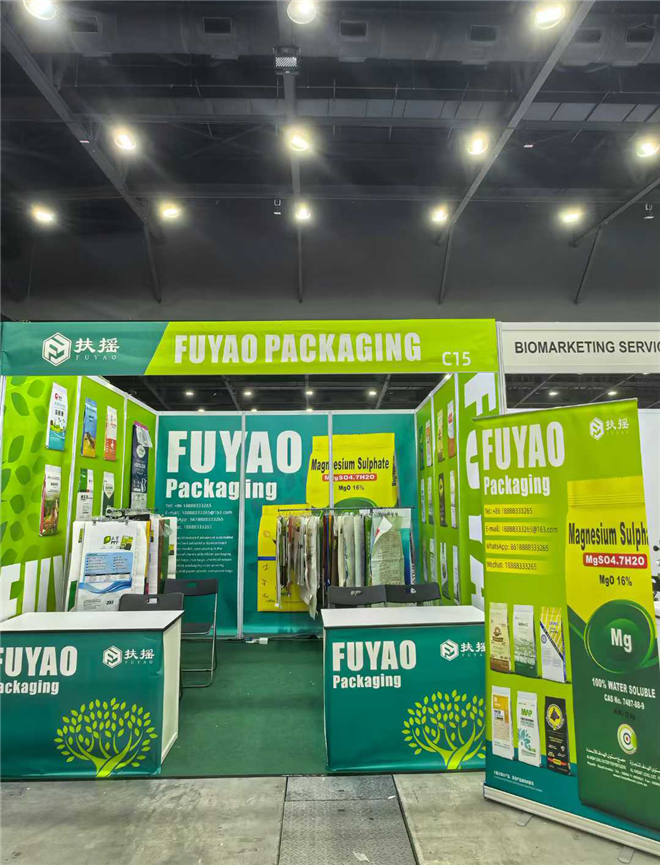
Connecting face-to-face with international agricultural partners, feed producers, and bulk logistics specialists worldwide.
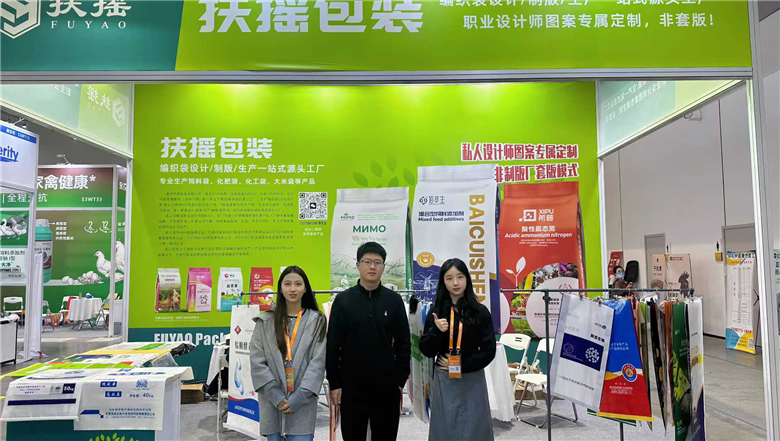
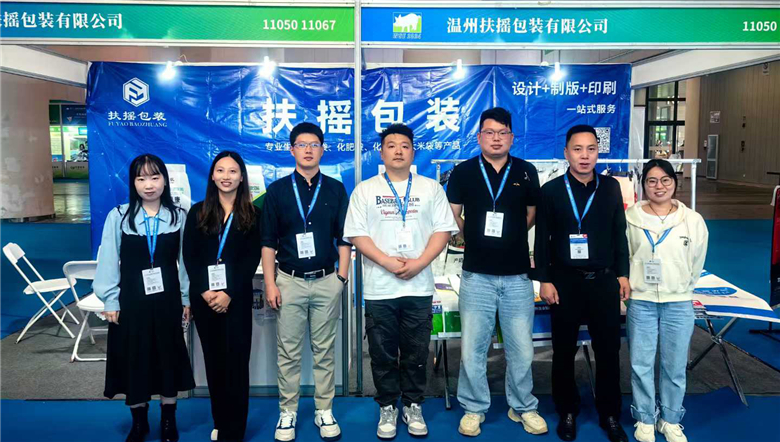
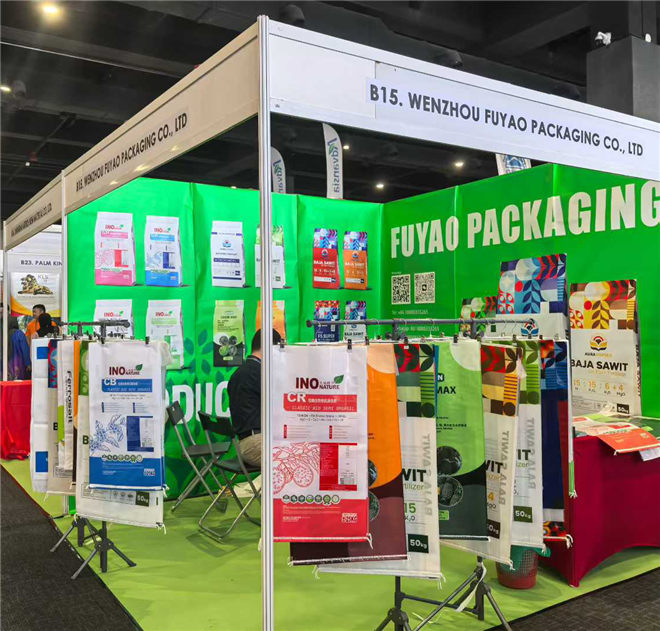
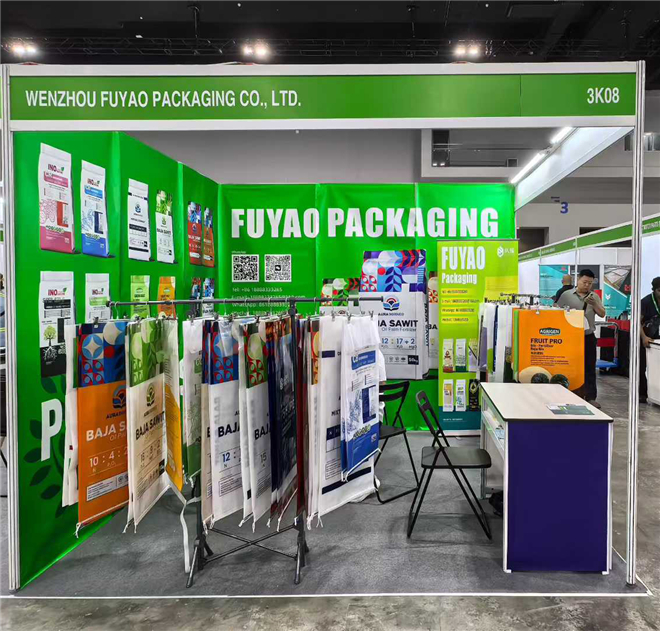
The name “Jiufen” originates from the concept of moderation in traditional philosophy, reflecting a business approach that values balance, humility, and continuous improvement. Rather than pursuing short-term gains, we focus on long-term cooperation and sustainable growth.


As a technology-driven and environmentally responsible manufacturer, we integrate R&D, production, sales, and service into one system. We continuously invest in innovation to enhance product performance and reduce environmental impact.
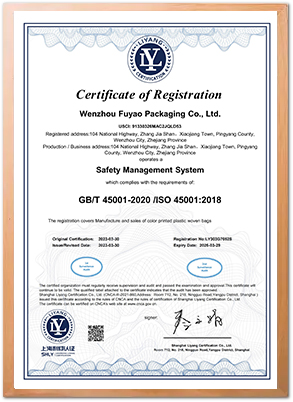
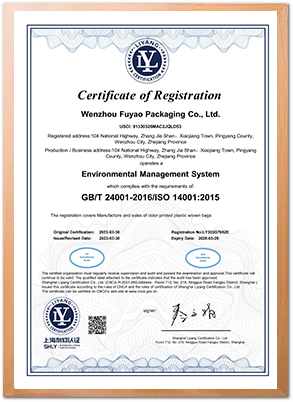
Our company has been recognized as an AAA Credit Enterprise and has obtained multiple international certifications:
These certifications demonstrate our strict quality control and compliance with global standards, guaranteeing that our plastic packaging bags deliver zero chemical migration and total physical containment security.
Harnessing AI-driven quality inspection, anti-counterfeiting RFID/QR integration, and next-generation mono-material recycling.
The convergence of digital agriculture and industrial packaging has unlocked groundbreaking capabilities in feed supply chain visibility. Modern bulk feed bags are increasingly embedded with individual serialized QR codes and UHF RFID tags. These identifiers interface directly with livestock farm management software and cloud ERPs to monitor batch provenance, mill blending timestamps, expiration thresholds, and real-time feed consumption rates.
Furthermore, automated vision inspection powered by AI is now integrated into our extrusion and weaving lines. High-speed camera arrays scan woven fabrics at linear velocities exceeding 300 meters per minute, detecting microscopic weaving defects, tape thickness deviations, or print misalignments in real time. This automated quality assurance eliminates human error and guarantees that every containerized shipment sent to overseas livestock producers meets strict tensile and drop-test thresholds.
From heavy-duty livestock and aquatic feed sacks to specialized industrial chemical and mineral composite bags.