Leave Your Message
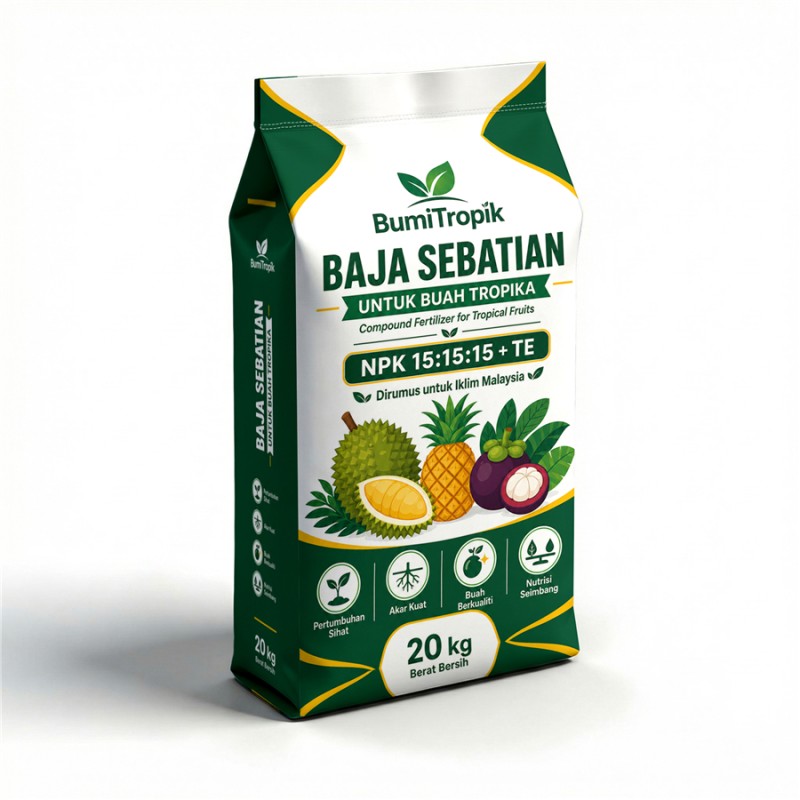
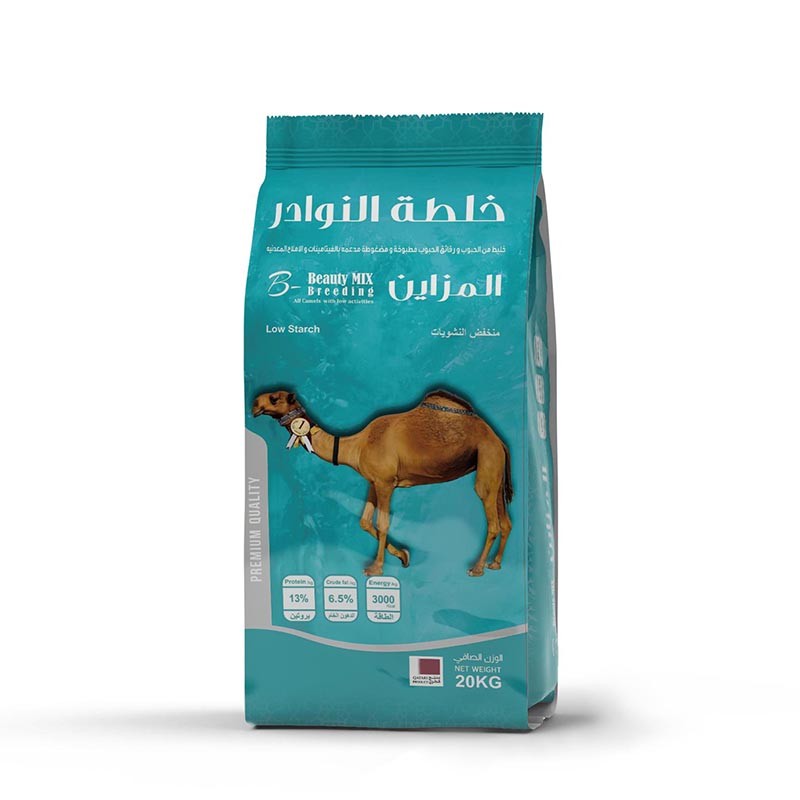
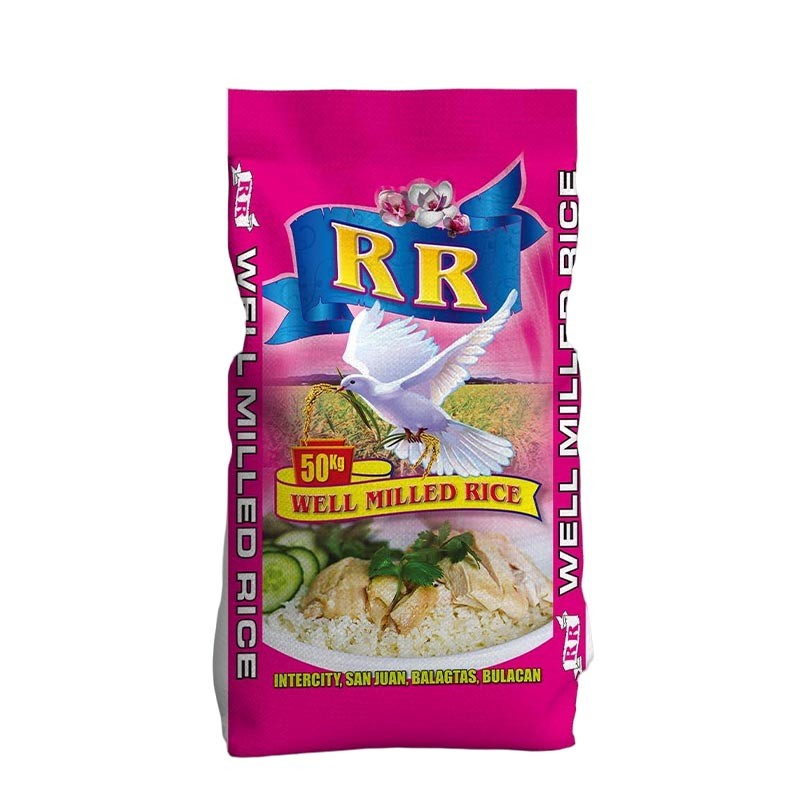
Engineered specifically for bulk storage and transport of rice, grain, flour, and agricultural powders.
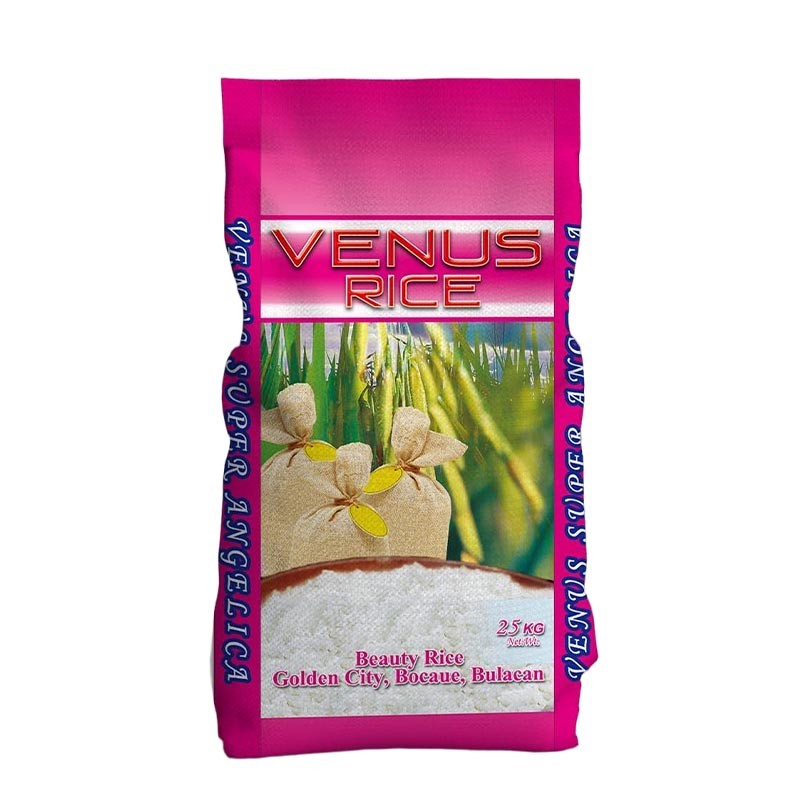
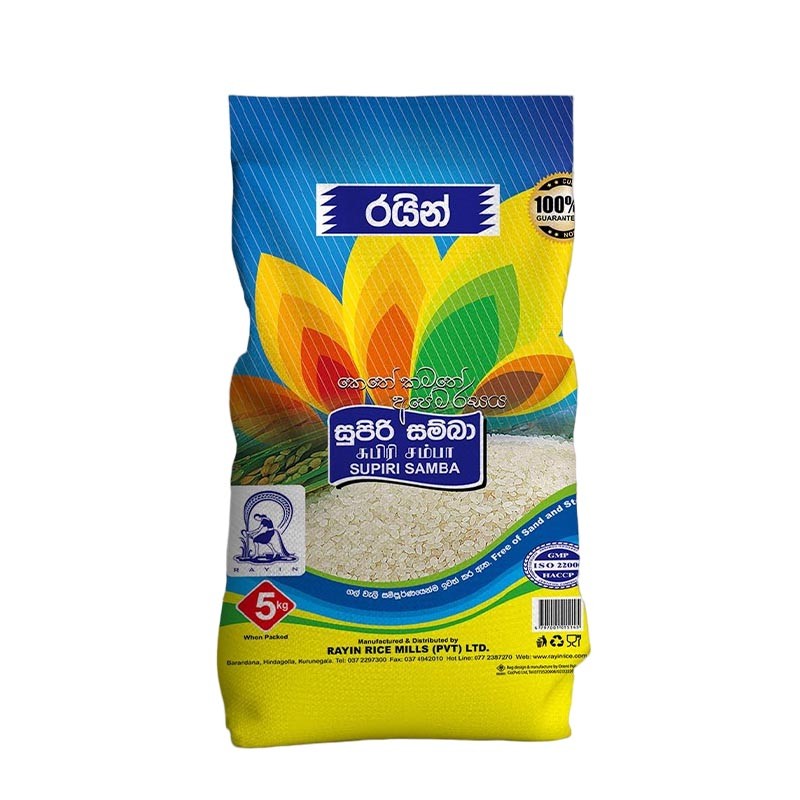
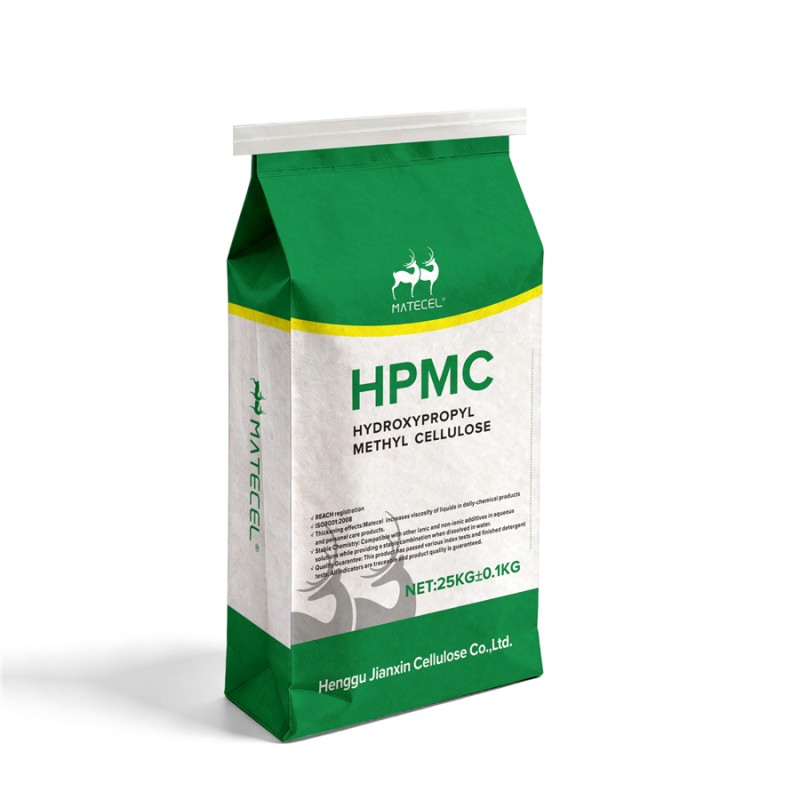
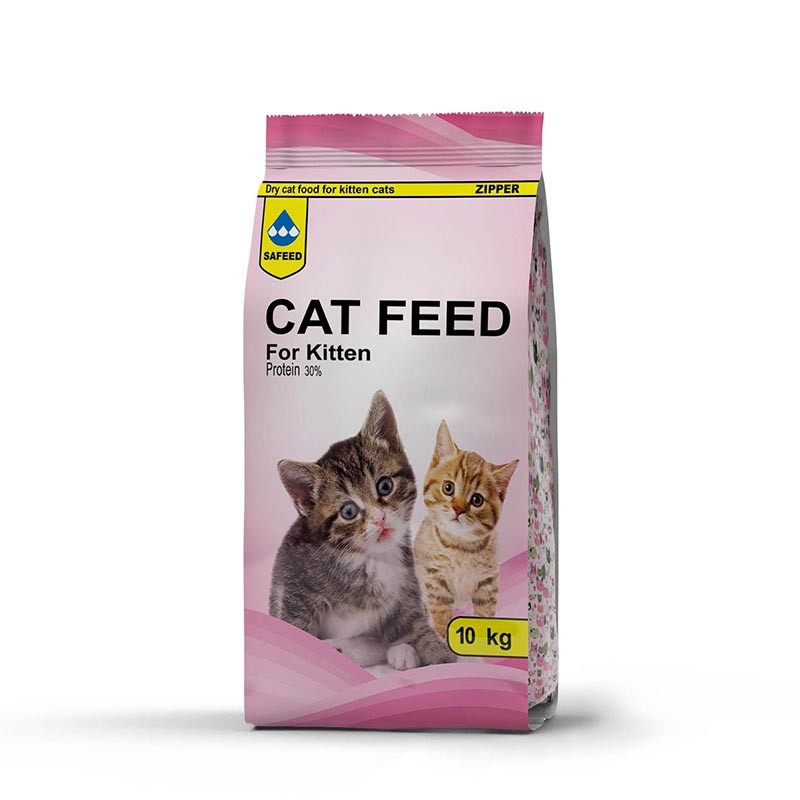
In the global food supply chain, the packaging of bulk dry foodstuffs such as rice, flour, grains, and starch represents a critical interface between agricultural processing and international distribution. The demand for robust, secure, and food-safe packaging materials is surging, driven by population growth, urbanization, and increasingly stringent food safety regulations. Plastic bags—specifically engineered polypropylene (PP) woven bags, multi-wall paper-plastic composites, and laminated high-barrier bags—have become the industry standard for transporting quantities ranging from 10kg up to bulk bags (FIBCs) of 1000kg or more.
Modern processing facilities require packaging that is not only strong enough to withstand automated drop tests and rough maritime shipping but also advanced enough to prevent food spoilage. In the bulk processing of rice and flour, moisture ingress is the single greatest threat, leading to mold growth, clumping, and insect infestations. Therefore, packaging manufacturers have shifted from basic sacks to high-performance composite solutions featuring micro-perforations, moisture-barrier films, and anti-skid surfaces to optimize logistics and protect high-value food assets.
While jute and cotton were historically popular for grain packaging, they offer zero protection against moisture, pests, and fine dust leakage. Advanced polymer-based bags provide superior tensile strength, chemical resistance, and the ability to integrate barrier layers (such as PE inner liners) that are critical for preserving the quality of milled flour and polished rice over long storage periods.
To meet the diverse demands of food processors, different materials are employed depending on the physical characteristics of the food product:
Although rice and flour are often processed in similar bulk facilities, their packaging requirements are vastly different due to their physical states (granular vs. fine powder).
Rice requires a packaging system that prevents external moisture from entering while managing the internal humidity of the grain. If the grain is packed with a moisture level above 14%, it can quickly spoil if stored in an airtight, non-breathable bag. Advanced PP woven bags can be designed with a specific air permeability index, or equipped with micro-perforated liners that allow gas exchange while preventing the entry of flour beetles, weevils, and ambient humidity.
Milled flour is an extremely fine powder that presents unique handling challenges. The packaging must be completely sift-proof to prevent flour dust from leaking during filling and transport. Dust leakage not only represents product loss but also poses a severe safety hazard in processing plants, as airborne organic dust is highly explosive.
To counter this, paper-plastic composite bags are used. The inner plastic liner is sealed hermetically, or the bag is constructed with ultrasonic sealing valves. Anti-static properties are also integrated into the polymer blend to prevent static charge buildup during high-speed automated filling operations.
Modern packaging lines operate at speeds of up to 40 bags per minute. Bulk food packaging must have precise dimensional stability, uniform valve openings, and optimized friction coefficients to prevent slippage on robotic palletizers and automated conveyor systems.
The bulk food packaging industry is undergoing a dual transformation driven by digital technology and environmental consciousness:


















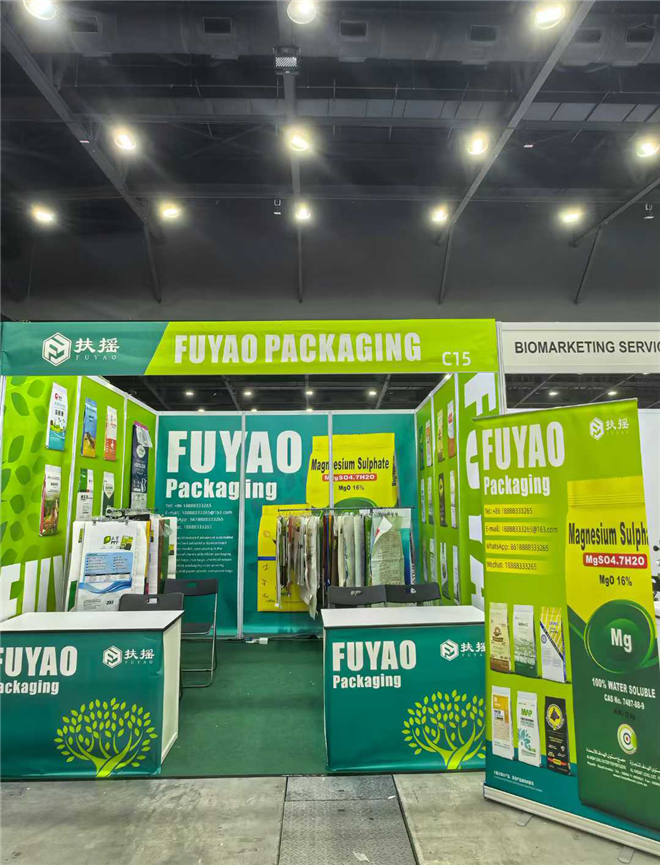
Showcasing our advanced packaging technology and solutions to global partners at international food and packaging trade fairs.
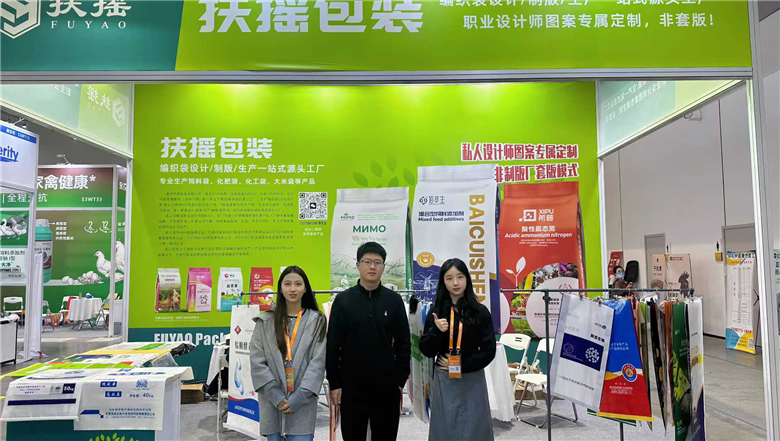
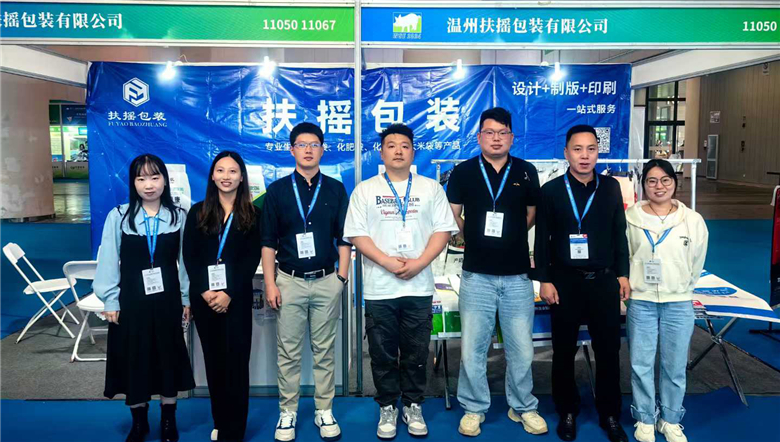
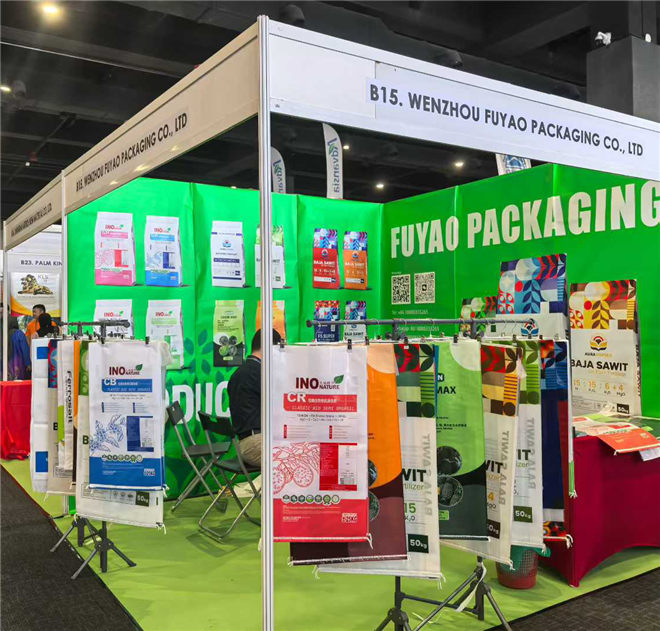
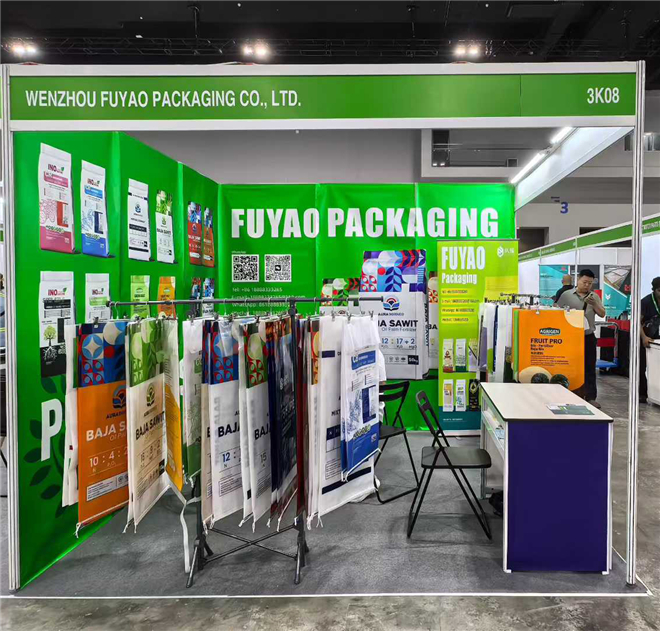
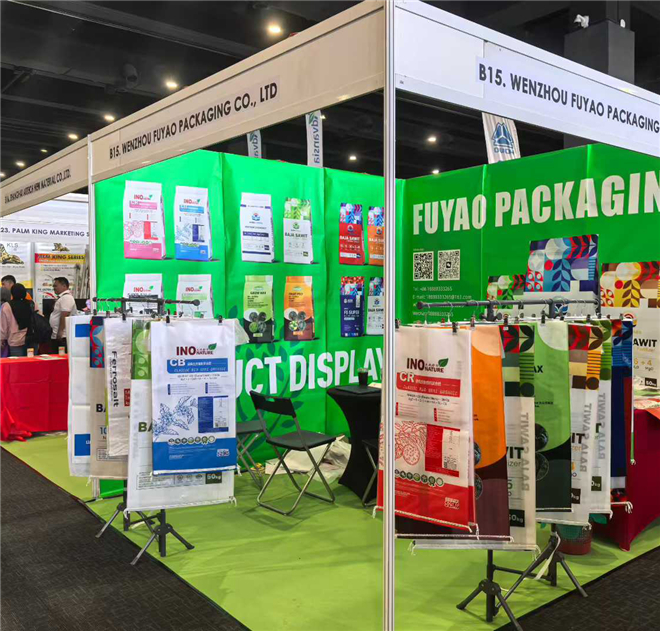
Quality leads the future. We believe in sustainable development and long-term partnerships built on trust and reliability.


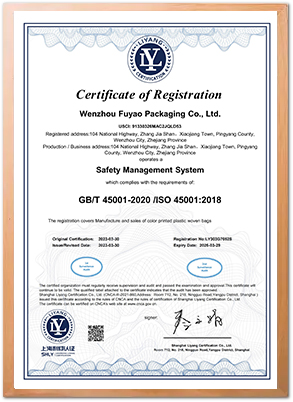
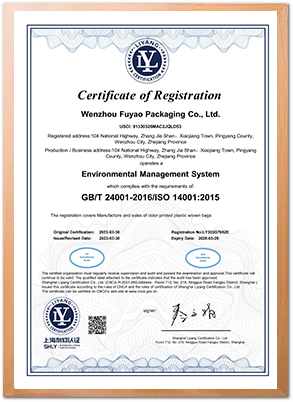
High-performance industrial packaging solutions designed for agricultural, chemical, and food processing applications.