Leave Your Message
Engineered to withstand harsh transcontinental supply chains while ensuring strict moisture vapor transmission rates (MVTR) and 100% recyclable stream compliance.
An exhaustive technical and commercial breakdown of circular polymer containment, mono-material engineering, regulatory mandates, and automated line efficiency.
The transition toward recyclable packaging for chemical raw material powders and resins represents one of the most critical structural shifts in the global specialty chemicals supply chain. Driven by stringent European Green Deal mandates, Extended Producer Responsibility (EPR) taxation, and corporate ESG commitments, chemical producers are rapidly abandoning non-recyclable multi-material laminate sacks in favor of advanced mono-material PE/PP structures, bio-based moisture barriers, and repulpable high-tensile kraft systems without compromising product purity or shelf life.
For decades, packaging engineers serving the basic and specialty chemical sectors faced a difficult dilemma: moisture sensitivity and fine particulate fluidization necessitated complex, multi-layer composite barrier liners. Conventional solutions systematically combined biaxially oriented polyamide (BOPA), aluminum foil (Alu), polyethylene terephthalate (PET), and low-density polyethylene (LDPE). While this multi-material cross-lamination provided impeccable moisture vapor barrier properties and mechanical puncture resistance, it created a recycling impossibility. These multi-layer flexible structures cannot be mechanically delaminated, rendering millions of tons of post-industrial packaging destined directly for municipal incineration or chemical landfill containment.
Today, the macroeconomic paradigm has permanently shifted. The global polymer resins and chemical powders market—encompassing everything from PVC compounders, polyolefin masterbatch manufacturers, and polyurethane polyols to titanium dioxide (TiO2), calcium carbonate, carbon black, and battery cathode precursors—is under immense commercial scrutiny. End-use converters in automotive, electronics, pharmaceutical, and construction manufacturing insist on quantifiable Scope 3 greenhouse gas (GHG) reductions from raw material vendors. Packaging is no longer viewed merely as an inert transport vessel; it is a measurable carbon footprint vector subject to cross-border carbon border adjustment mechanisms (CBAM) and rigorous digital product passports (DPP).
Replacing complex multi-polymer laminates with 100% recyclable mono-polyethylene and oriented mono-polypropylene films, facilitating seamless mechanical regrind without layer separation.
Micro-perforation matrices combined with labyrinth vent paths prevent aerosolized chemical dust escape while expelling entrapped air during palletization and robotic transit.
Nano-scale inorganic SiOx and water-dispersed polymer dispersions that match aluminum foil barrier performance while retaining full pulping or standard polyolefin recycling stream compatibility.
Chemical raw materials exhibit radically diverse physical states, ranging from highly aerated, hygroscopic sub-micron powders to abrasive, spherical, or cylindrical synthetic resin pellets. Ensuring functional circularity demands tailored packaging morphologies:
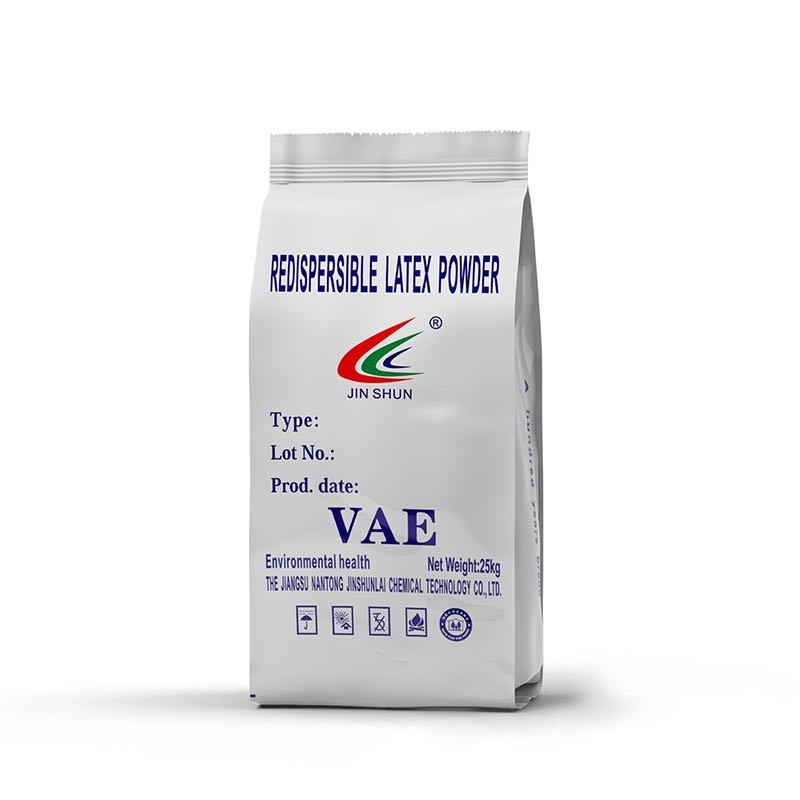
A. Micronized and Ultra-Fine Chemical Powders: Materials such as precipitated silica, calcium stearate, organic pigments, carbon black, and redispersible polymer powders (RDP) behave almost like non-Newtonian fluids during high-speed packaging. When handled inside valve sacks, fine powders fluidize with air, creating internal hydraulic pressures that threaten bag seams. If conventional unlined paper sacks are utilized, moisture penetration initiates caking and premature hydration, destroying thousands of dollars in chemical inventory. Recyclable packaging for these substances requires precision labyrinth micro-deaeration vents. These vents allow pressurized gas to escape within milliseconds on automatic rotary packers while the micron-sized mineral particles are trapped behind tortuous-path nonwoven membranes that melt harmlessly into the polyolefin recycling stream.
B. Reactive Engineering Resins and Polyamide Pellets: Virgin pellets of Polyamide 66 (PA66), Polybutylene Terephthalate (PBT), Polycarbonate (PC), and Thermoplastic Polyurethane (TPU) possess an intense affinity for atmospheric moisture. Any moisture absorption prior to injection molding or profile extrusion results in catastrophic hydrolytic degradation, splay marks, and loss of tensile modulus in molded components. Traditionally, chemical producers deployed foil-lined triplex sacks. Antigravity packaging technology now enables high-barrier mono-material PE heavy-duty sacks (FFS - Form, Fill, and Seal) featuring oriented metallized MDO-PE (Machine Direction Oriented Polyethylene) inner substrates. This breakthrough achieves a Water Vapor Transmission Rate (WVTR) below 0.1 g/m²/24h—matching aluminum foil performance while fitting entirely into Class 4 LDPE mechanical recycling loops.
| Raw Material Category | Primary Degradation Threat | Conventional Packaging Type | Recyclable Alternative Architecture | Circularity Verification Stream |
|---|---|---|---|---|
| Hygroscopic Resins (PA6, PBT, TPU) | Moisture absorption causing polymer hydrolysis | Paper / Alu-foil / PE Triplex Sack | MDO-PE High-Barrier Mono-Material Film | Class 4 LDPE Mechanical Stream (CEFLEX) |
| Fine Chemical Powders (TiO2, Silica) | Caking, dusting, atmospheric moisture clumping | Paper / PE Laminated Sewn Valve Bag | Repulpable Kraft + Dispersed Barrier + Ultrasonic Seal | Paper / Cardboard Recycling (EN 13430) |
| Masterbatch Pellets & Polyolefins | Puncture, friction rupture, UV photo-oxidation | Multi-layer non-recyclable FFS Film | Heavy-Duty Co-Ex Tubular Mono-PE (Hexene/Octene) | 100% Rigid & Flexible PE Recycle Loop |
| Agrochemicals & Specialty Catalysts | Volatile organic outgassing, vapor migration | PET/Alu/PA/PE Quad Seal Sacks | AlOx-coated oriented PE / High-Toughness LLDPE | Mono-material PE Stream / PCR Compatible |
A prevalent misconception among chemical enterprise procurement directors is that switching to recyclable industrial packaging inevitably inflates packaging expenditure. A comprehensive Total Cost of Ownership (TCO) assessment reveals the opposite reality. While specialized mono-material barrier resins carry an initial 4% to 8% raw material premium over commodity non-recyclable multi-layer films, this expenditure is completely neutralized across four distinct financial and operational domains:
First, Plastic Tax and EPR Duty Mitigation: Under the European Packaging and Packaging Waste Regulation (PPWR), packaging materials failing to demonstrate design-for-recycling (DfR) criteria face aggressive penalty tariffs, often exceeding €800 per metric ton. In contrast, mono-material PE and bio-compatible high-strength kraft packaging benefit from eco-modulated fee reductions, dramatically lowering net landed packaging fees in export territories.
Second, High-Speed Automation Efficiency: Modern chemical synthesis plants rely heavily on high-throughput Form-Fill-Seal (FFS) lines and automatic ultrasonic valve-bag packers operating at rates of 1,200 to 2,200 bags per hour. Our engineered mono-PE tubular films and composite bags are formulated with exact coefficients of friction (COF inside/outside: 0.20/0.40) and optimized hot-tack sealing windows. This eliminates bag jams, reduces seal failure scrap rates by over 42%, and maximizes pallet stacking stability up to three tiers high without lateral slippage.
Third, Product Loss Reduction: Chemical powders spilled during ocean container transit represent substantial financial liability, environmental hazard protocols, and toxic waste disposal fees. Antigravity reinforced seam matrices and hermetic ultrasonic welds resist burst pressures up to 18 kPa during standard drop tests (ISO 7965-1 compliant from heights of 1.8 meters), ensuring that reactive catalysts and micro-powders arrive at international processing plants intact.
As the circular economy matures, the frontier of chemical packaging innovation is expanding into high-percentage Post-Consumer Recycled (PCR) polyolefins and smart tracking. Incorporating up to 30% or 50% circular PCR resin into heavy-duty sacks without sacrificing elongation at break or dart drop impact resistance has been achieved via advanced 7-layer and 9-layer co-extrusion blown film technologies. Virgin polymer matrices sandwich the recycled core layer, shielding the packed chemical powder or pure resin from any residual cross-contaminants.
Furthermore, the integration of 2D serialized data matrices, RFID asset tagging, and AI-enabled life cycle assessment (LCA) algorithms allows multinational chemical distributors to trace every bulk bag from resin production to end-user decanting and post-industrial recycling collection. The resulting closed-loop ecosystem fulfills the highest ESG thresholds while ensuring complete containment integrity across maritime, rail, and road intermodal freight corridors worldwide.














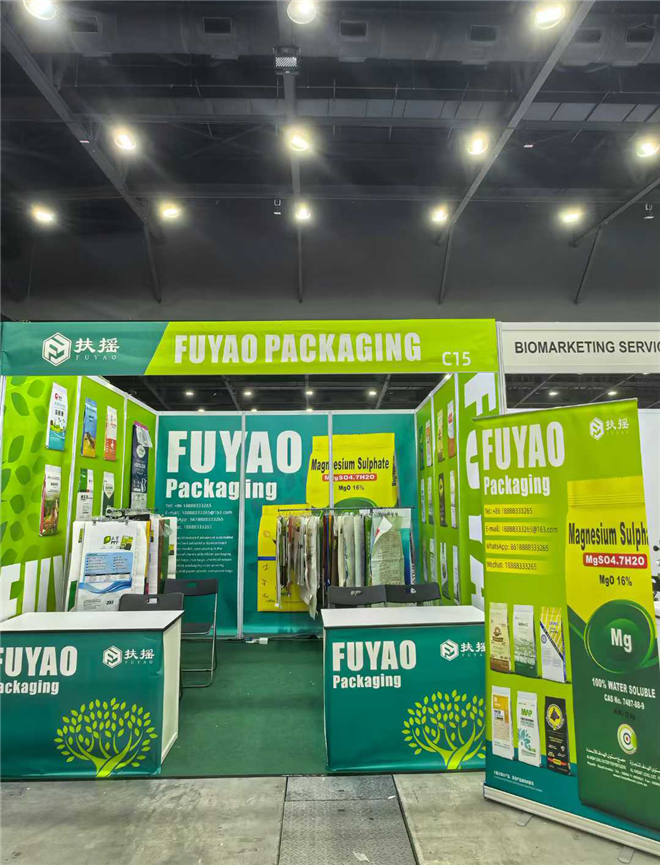
Connecting with international polymer producers, specialty chemical compounders, and bulk powder distributors at premier global industrial trade fairs.
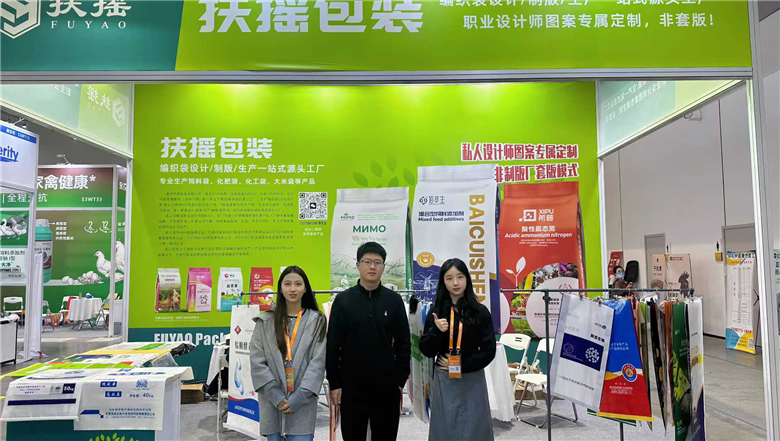
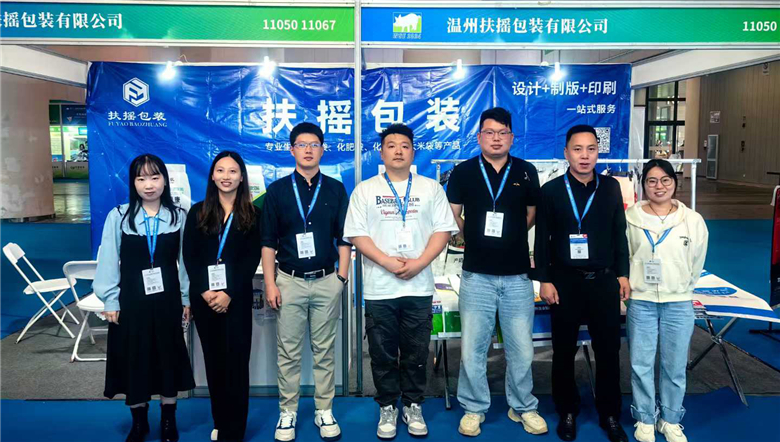
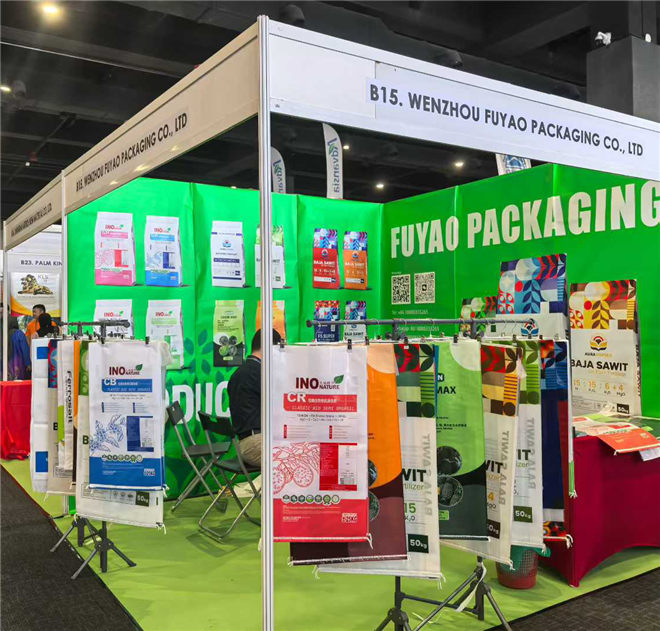
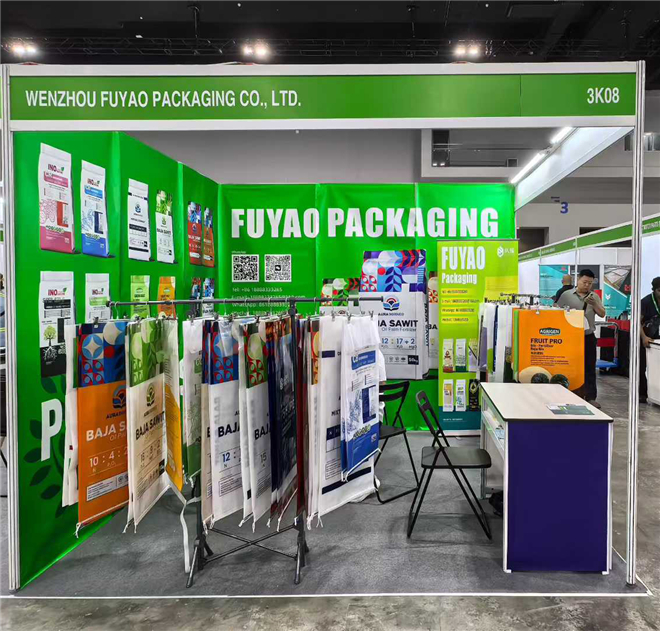
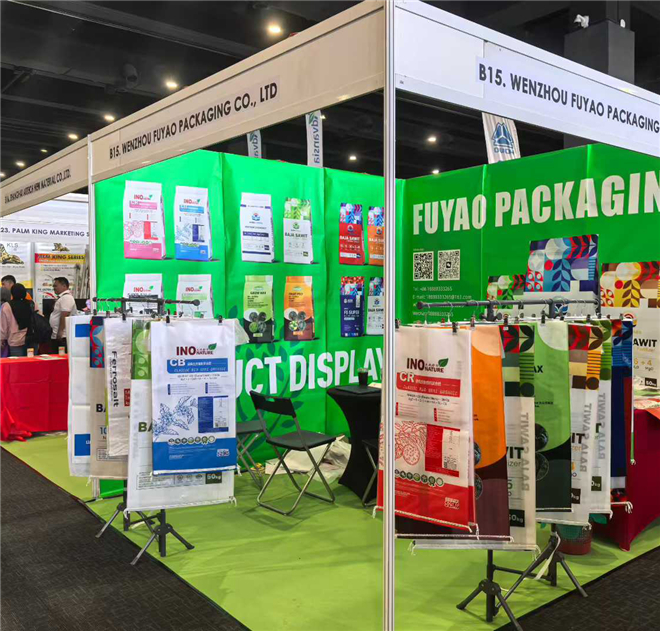

Over the years, we have built long-term partnerships with clients across various industries, providing customized packaging solutions tailored to specific applications. By combining strong manufacturing capability with professional export services, we aim to deliver reliable products, competitive solutions, and consistent support to customers worldwide.

We are committed to deepening our presence in international markets and building a trusted global trade brand through high-quality products and professional service, achieving steady and sustainable growth for polymer and chemical containment worldwide.
As a technology-driven and environmentally responsible manufacturer, we integrate R&D, production, sales, and service into one unified system. We continuously invest in advanced extrusion, weaving, and coating innovation to enhance product performance while drastically reducing industrial environmental footprints.
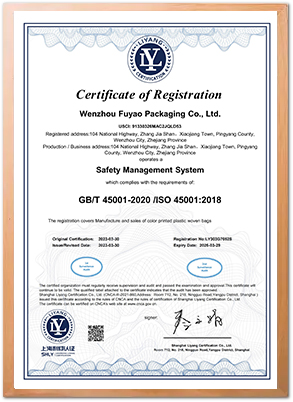
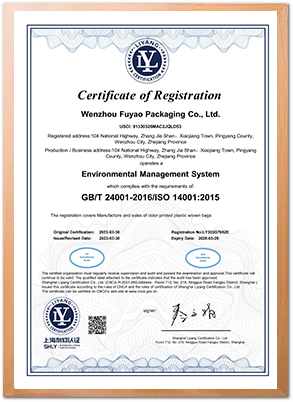
Our enterprise has been proudly recognized as an AAA Credit Enterprise and maintains strict compliance with major international certification systems:
These international accreditations demonstrate our uncompromising commitment to quality control, structural integrity, and full regulatory conformity across global chemical powder supply chains.
Exhaustive range of recyclable, moisture-resistant industrial packaging solutions for chemical raw powders, bulk synthetic resins, fertilizers, and feed aggregates.