Leave Your Message
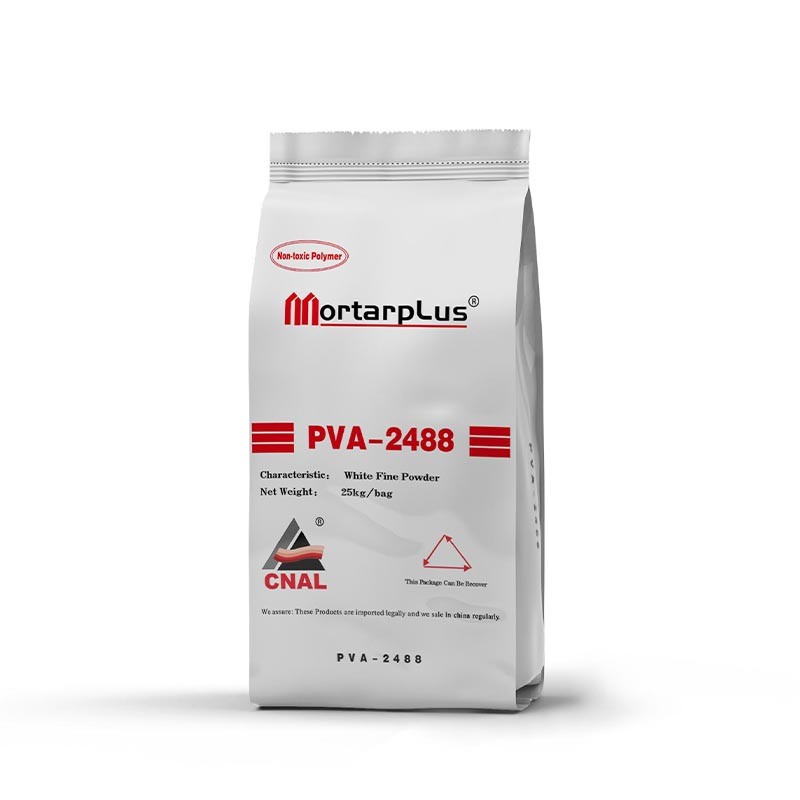
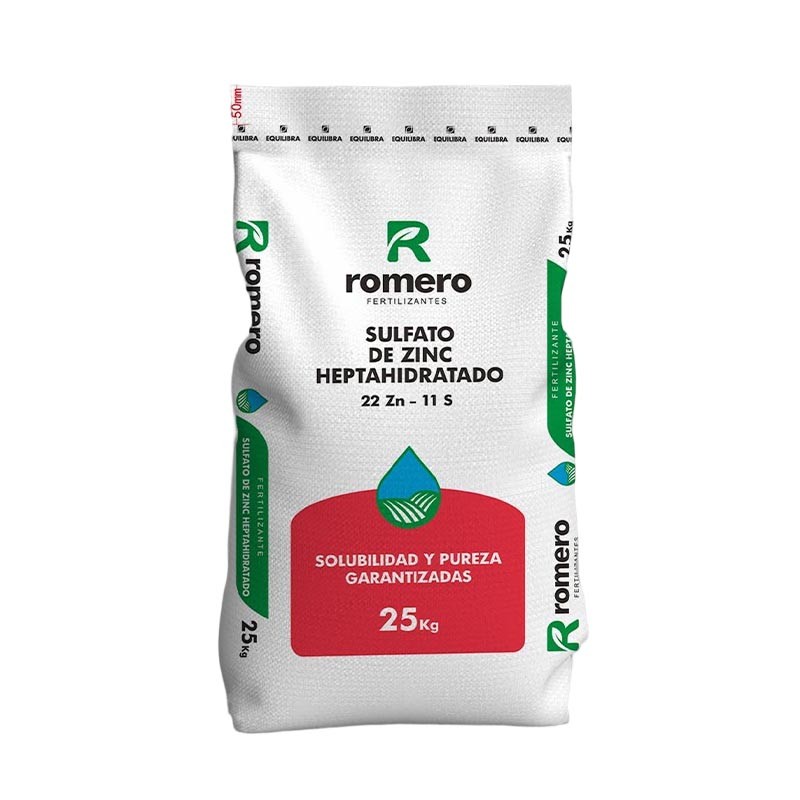
Explore our leading recyclable high-performance packages designed specifically to handle heavy, fine-particle construction materials.
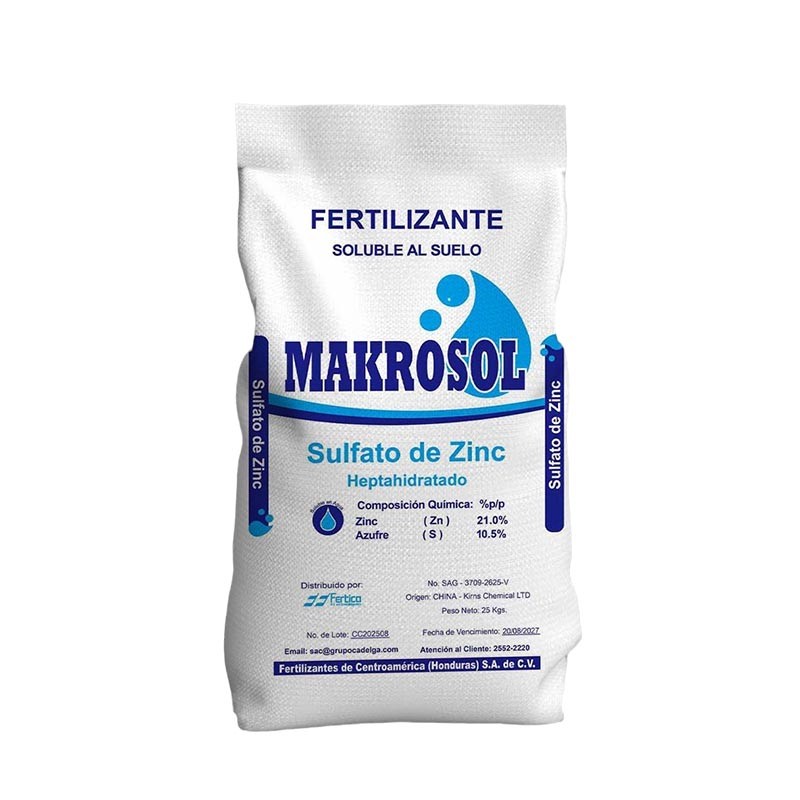
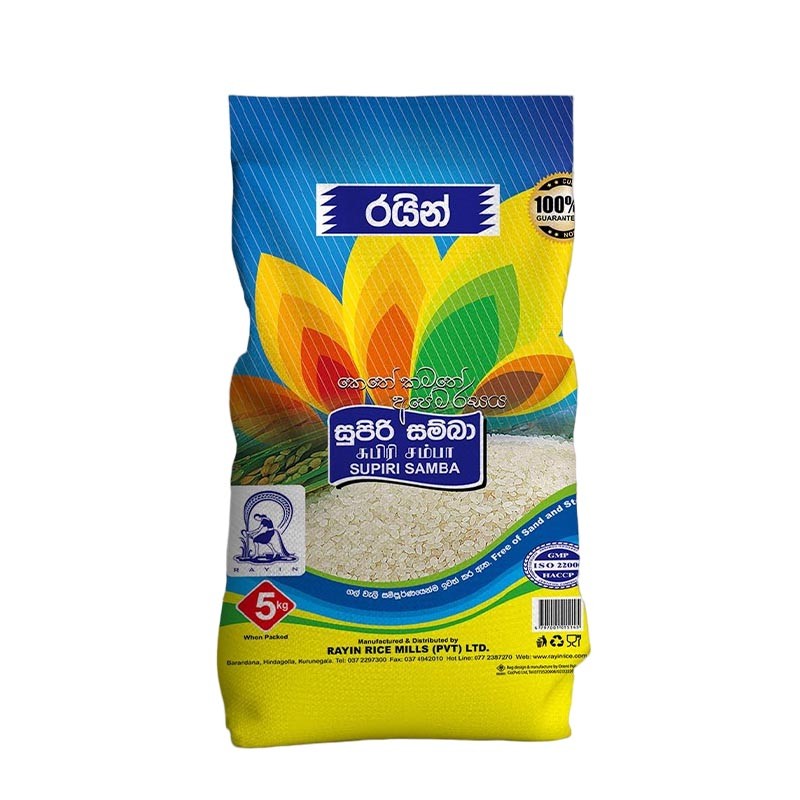
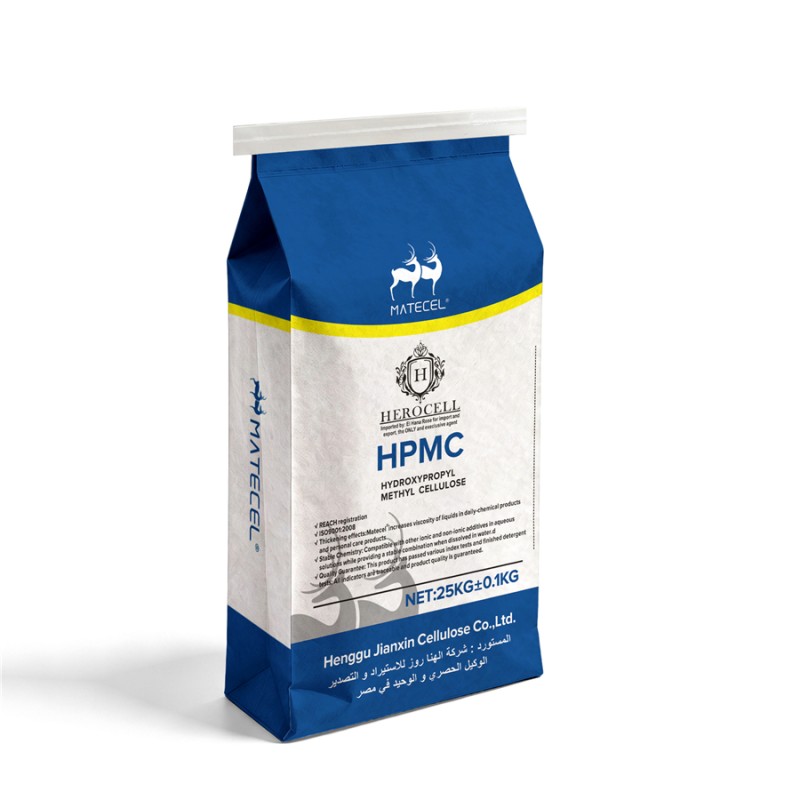
For decades, the global supply chain for industrial mineral powders (such as silica sand, talc, kaolin, gypsum, and bentonite) and construction materials (including dry-mix mortar, cement, and grout) has relied heavily on multi-layer packaging. These traditional formats often combine paper, plastics, and aluminum foils. While effective at keeping moisture out and preventing dust leakage, these composite materials are notoriously difficult to recycle. Consequently, millions of tons of industrial packaging waste end up in landfills annually.
Today, the industrial packaging sector is undergoing a massive transformation. Driven by stringent environmental regulations, global corporate ESG (Environmental, Social, and Governance) targets, and the rise of the circular economy, manufacturers are actively seeking high-performance, recyclable packaging for industrial mineral powders and construction materials.
The primary barrier to adopting recyclable packaging has always been performance. Mineral powders are heavy, abrasive, and highly sensitive to moisture. A breach in the package leads to product spoilage, respiratory hazards from dust, and economic loss. Modern packaging technology solves this through advanced polymer engineering and composite design.
By using single-family polymers (such as 100% Polypropylene or Polyethylene), packaging can be easily shredded, melted, and pelletized back into high-quality PCR (Post-Consumer Recycled) resin without separation processes.
Rather than using non-recyclable aluminum foil layers, modern recyclable bags utilize ultra-thin, high-performance vapor barriers that protect sensitive powders from hydration while remaining compatible with standard recycling streams.
Engineered woven structures provide the high tensile strength required to withstand drops, rough handling, and stacking up to multiple tiers in warehouse environments.
Industrial mineral powders and construction materials cover a vast range of physical properties, each demanding specific characteristics from their packaging. Below, we dissect how modern recyclable packaging adapts to these demanding environments.
Fine mineral powders like silica sand and kaolin clay present unique containment issues. Their microscopic particle size allows them to seep through standard woven seams, creating dust hazards in warehouses. Recyclable packaging engineered for these materials utilizes micro-perforated liners or dust-proof seams. These designs allow air to escape during high-speed filling processes while trapping the fine powder inside, keeping the external environment clean and safe.
Cementitious products are highly reactive to humidity. Standard paper bags often fail when exposed to rain or damp ground on construction sites. Recyclable composite bags—combining high-strength Kraft paper with a recyclable barrier coating—ensure the product remains dry and active for its entire shelf life, even under challenging outdoor storage conditions.
Switching to mono-material PP woven bags for construction logistics can reduce packaging-related carbon emissions by up to 35% compared to multi-material laminated paper-plastic bags, due to easier recycling processes and lighter overall weight.
Concrete additives, accelerators, and plasticizers are chemically active components that require specialized packaging. The packaging must resist chemical degradation while maintaining its structural integrity. Our range of recyclable polymer bags features chemical-resistant barriers that prevent migration of active agents, ensuring the additives perform exactly as intended when mixed on-site.











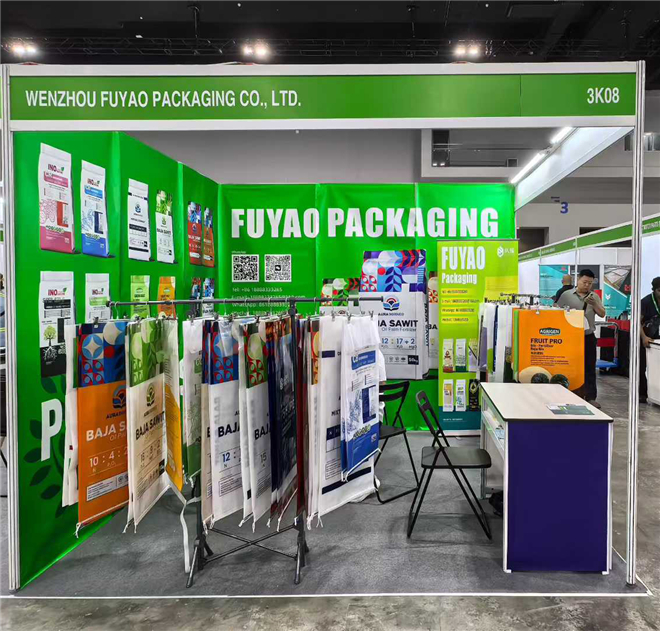
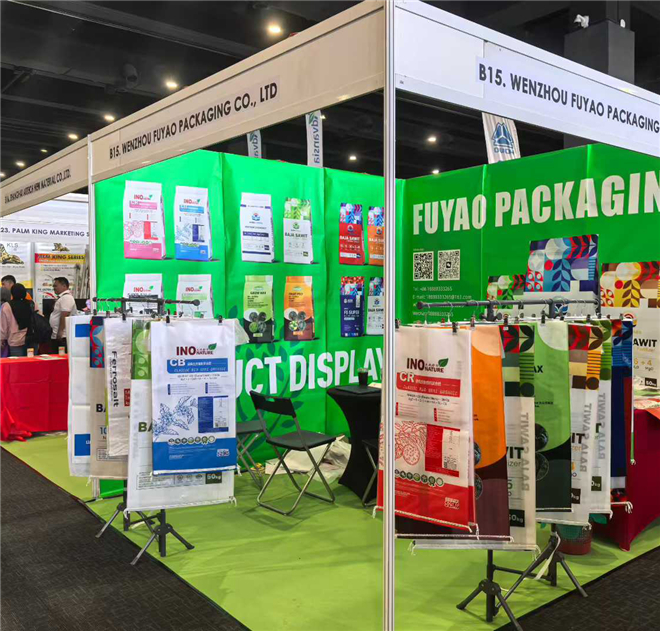

Our Commitment

Our Vision
To successfully replace legacy packaging, recyclable solutions must integrate seamlessly with existing industrial filling lines. Whether you utilize impeller packers, air-flow packers, or gravity-fed valve bag fillers, our packaging is engineered to meet precise operational parameters.
Depending on the bulk density and chemical profile of your mineral powders, we customize the polymer blend and bag thickness. Options include high-strength linear low-density polyethylene (LLDPE) for superior puncture resistance, and woven polypropylene (WPP) for high tensile load capacities. These materials are engineered to support payloads from 15kg up to 50kg, ensuring structural integrity throughout overseas shipping and rough job site handling.
Additionally, we offer multi-wall kraft paper bags incorporating fully compostable or recyclable water-soluble liners. These are ideal for dry-mix concrete applications where the entire bag can be thrown directly into the mixer, eliminating packaging waste entirely on the job site.
To maximize efficiency on automated packaging lines, we provide a variety of custom closure options:
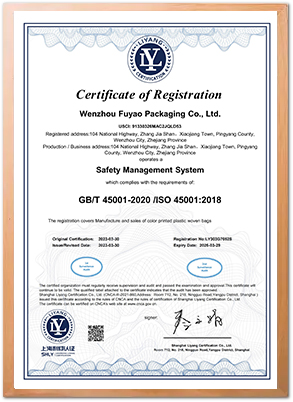
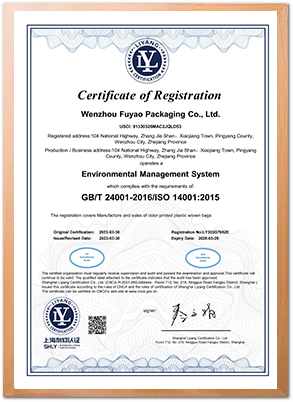
As the construction and mining sectors commit to carbon neutrality, packaging is no longer viewed as a disposable necessity, but as a critical asset in the circular economy loop. By designing packaging that is 100% recyclable, we enable our clients to convert waste streams into valuable secondary raw materials.
Our research and development team is continually collaborating with global recycling networks to ensure that our bags are easily recognized by automated sorting facilities. By utilizing standard polymer classifications and non-toxic, water-based inks for branding, we guarantee that the recycling process is as efficient and clean as possible.
Partnering with us means investing in a sustainable future without compromising on the physical protection, durability, and efficiency that your industrial logistics demand.
Select from our comprehensive portfolio of sustainable, heavy-duty industrial containment bags.