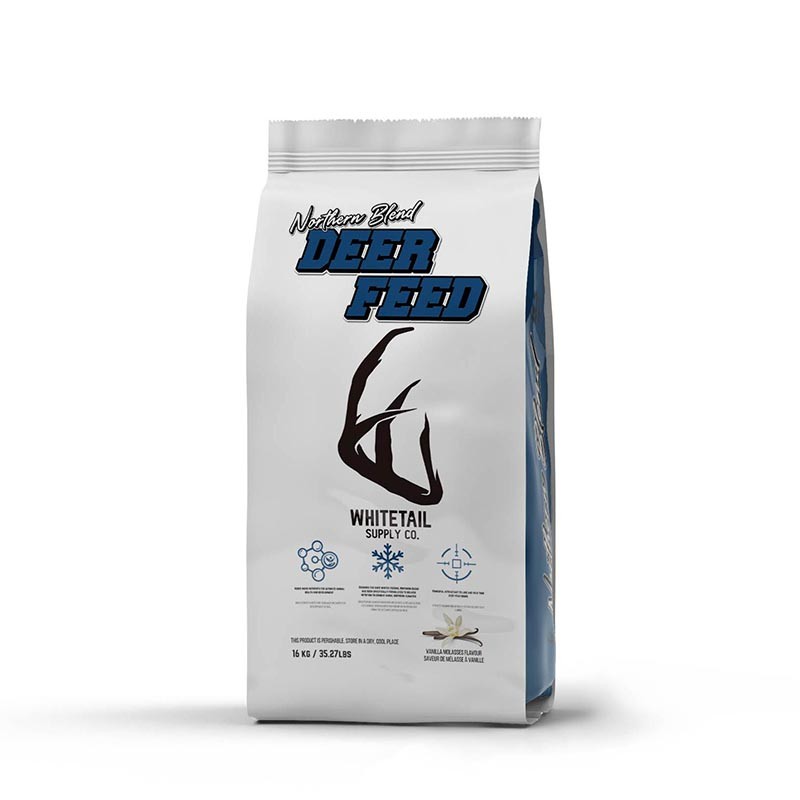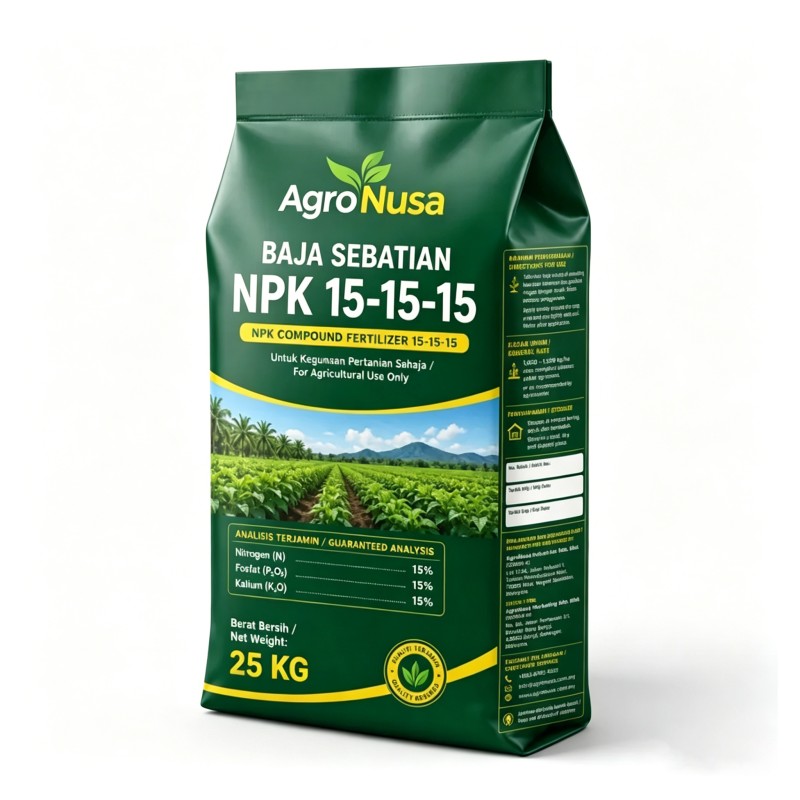


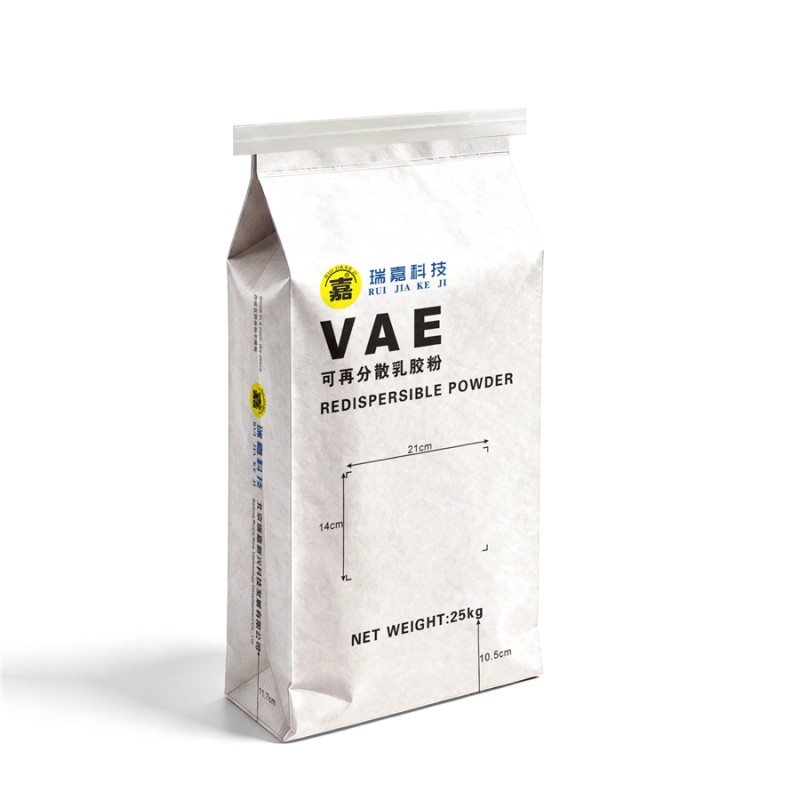
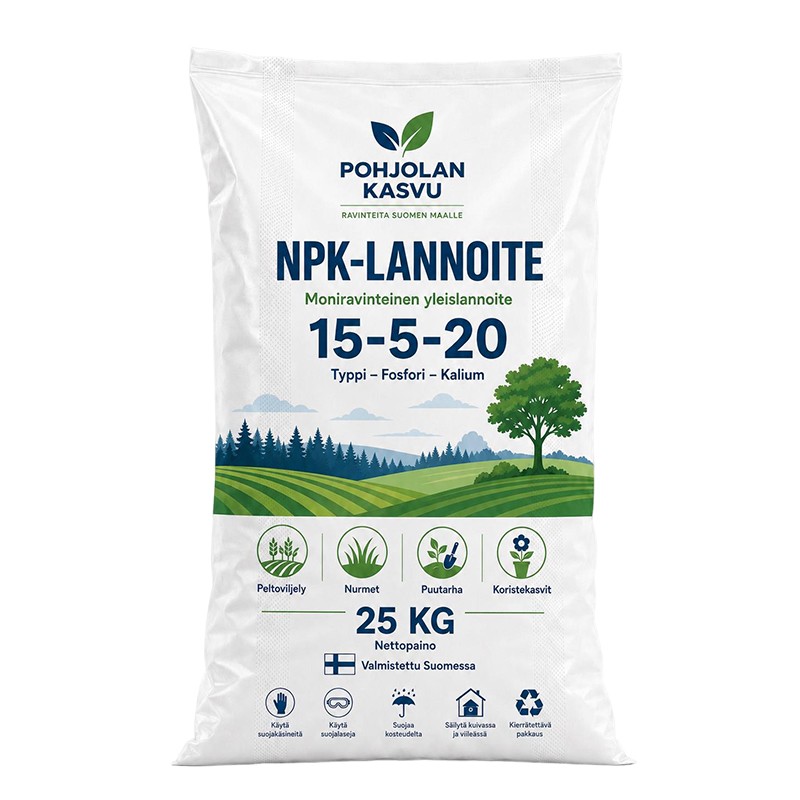
The Evolution of Industrial Packaging: Sack Bags for Industrial Mineral Powders and Construction Materials
In the globalized manufacturing and infrastructure landscape, the demand for highly efficient, durable, and protective packaging solutions has never been more critical. Industrial mineral powders—such as silica sand, calcium carbonate, talc, bentonite, gypsum, and kaolin—alongside heavy-duty construction materials like dry-mix concrete, cement, mortar, and aggregates, present unique logistical challenges. These materials are heavily abrasive, exceptionally dense, sensitive to environmental moisture, and prone to severe dusting during transport and automated filling. Consequently, the industrial packaging sector has evolved from simple container solutions to highly engineered sack bags for packaging for industrial mineral powders and construction materials.
Modern industrial sack packaging is no longer just a passive container. It is an active barrier, a safety shield, and a crucial component of automated supply chains that must withstand drop tests, prevent moisture ingress, and enable dust-free high-speed filling.
Current Market Dynamics & Industrial Landscape
The global construction boom, coupled with expanding chemical and metallurgical processing industries, has pushed packaging manufacturers to innovate. Traditionally, multi-wall paper bags were the standard for dry powders. While paper offers excellent breathability and printability, it often falls short in high-humidity climates or during extended open-air storage. This vulnerability led to the development of plastic-composite and woven polymer materials. Today, the market is characterized by a hybrid approach, combining the stiffness and printability of paper with the moisture resistance and mechanical strength of polypropylene (PP) and polyethylene (PE).
Industrial operations are increasingly shifting toward automated packaging systems, such as Form-Fill-Seal (FFS) machines and high-speed valve packers. This transition requires packaging materials to possess highly specific physical properties, including precise friction coefficients, consistent dimensional tolerance, and rapid air de-aeration capabilities. Sack bags must now be designed to work seamlessly with pneumatic and impeller-type filling nozzles, minimizing downtime and product loss through tearing or bursting.
High Load Capacity
Engineered to carry loads from 20kg up to 50kg without tearing or structural failure under high-stack pressure.
Moisture Barrier
Integrated PE liners and BOPP laminations shield reactive minerals and cement from ambient moisture and water splashes.
Automated Filling
Optimized for high-speed FFS (Form-Fill-Seal) and valve bag packing systems to maximize throughput.
Material Science and Structural Anatomy of Sack Bags
To understand the performance of modern industrial sack bags, one must analyze their structural configurations. Different materials are deployed depending on the specific physical and chemical characteristics of the powder or aggregate being packaged:
1. PP Woven Bags (Laminated & Non-Laminated)
Woven Polypropylene (PP) is renowned for its incredible tensile strength and puncture resistance. For dry construction materials like aggregates, gravel, and sand, standard PP woven bags provide the necessary mechanical support. However, for fine mineral powders, standard woven bags are too porous. In these scenarios, manufacturers apply a thin layer of PP lamination (extrusion coating) or insert a loose Polyethylene (PE) inner liner. This prevents the powder from sifting through the weave and protects it from external moisture.
2. Paper-Plastic Composite Bags
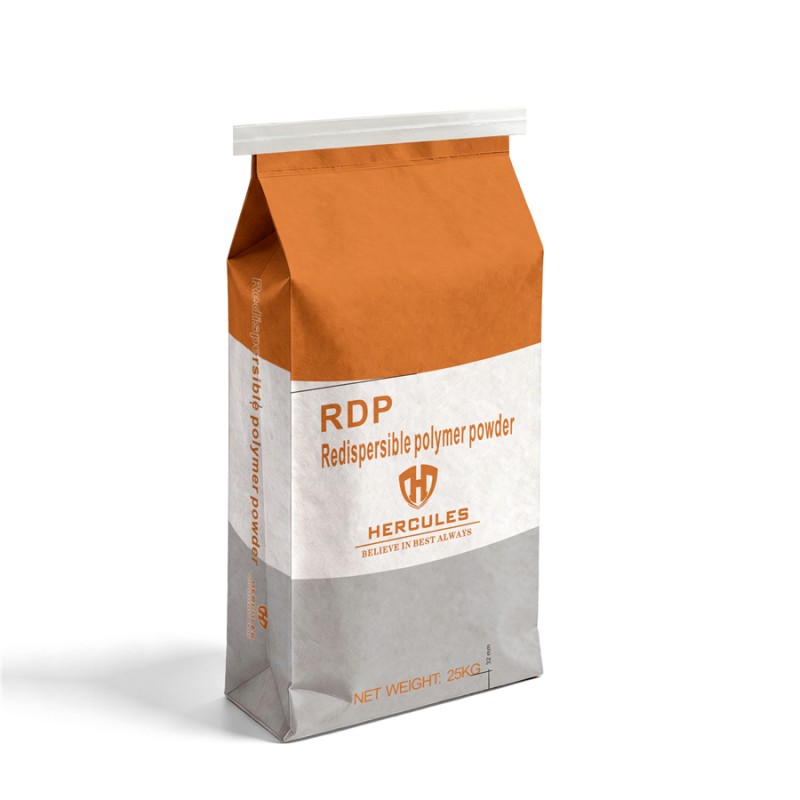
Combining the best of both worlds, paper-plastic composite bags feature an outer layer of high-quality Kraft paper laminated to an inner woven PP fabric. The paper layer provides a smooth surface for high-resolution brand printing, structural rigidity for easy palletizing, and natural slip resistance. The inner woven PP layer provides the structural muscle required to prevent drop-induced bursts. These bags are widely used for premium dry-mix mortars, tile adhesives, and chemical additives.
3. PE FFS (Form-Fill-Seal) Roll Film and Tube Bags
For fully automated, high-throughput operations, PE FFS bags are the gold standard. Instead of using pre-made bags, the packaging machine forms the bag from a continuous tube of co-extruded PE film, fills it with powder, and heat-seals it in a single, continuous process. The PE film is formulated with multiple layers (typically 3 to 5 layers) to combine toughness, moisture protection, and sealability. FFS bags offer superior water resistance, allowing construction materials to be stored outdoors on jobsites without degradation.
4. BOPP Laminated PP Woven Bags
Biaxially Oriented Polypropylene (BOPP) lamination allows for photographic-quality printing on the exterior of a high-strength woven bag. This is highly beneficial for retail-facing construction materials, such as colored grouts, DIY concrete mixes, and landscaping minerals. The BOPP film also acts as an additional moisture barrier, ensuring the contents remain dry and free-flowing.
Deep Application Scenarios in Heavy Industries
The selection of sack bags depends heavily on the specific behavior of the mineral or construction material during storage and handling:
A. Cement and Dry-Mix Mortar Packaging
Cement is highly reactive to moisture; even minor exposure can initiate hydration, causing the cement to clump and render it useless. Furthermore, cement is packed at high temperatures (often exceeding 80°C) and at extremely high speeds. The packaging must allow air to escape rapidly during filling to prevent the bag from ballooning and bursting, while simultaneously blocking moisture from entering during storage. This is achieved using micro-perforated plastic liners or specialized valve bags with self-closing internal sleeves that vent air but seal shut under internal product pressure.
B. High-Purity Industrial Mineral Powders (Silica, Kaolin, Talc)
Industrial minerals are critical raw materials for glass, ceramics, paper, and plastics manufacturing. Contamination is a major concern. A single fiber from a packaging bag can ruin a batch of high-purity polymer or optical glass. Therefore, packaging for these powders requires dust-tight constructions, often utilizing clean-room manufactured paper-plastic composite bags or multi-wall paper bags with heat-sealed PE liners. These bags prevent external contaminants from entering and stop the fine powders from escaping, protecting the workspace and logistics personnel from dust inhalation.
C. Refractory Materials and Heavy Aggregates
Refractory cements and aggregates used in high-temperature industrial furnaces are extremely heavy, dense, and abrasive. They require packaging that resists puncture from sharp, crystalline particles. Multi-layered, reinforced PP woven bags with heavy-duty stitching and bottom reinforcement patches are deployed to handle these extreme physical demands.
Sustainable Trends & Future Outlook
As environmental regulations tighten globally, the industrial packaging sector is under pressure to reduce its carbon footprint and enhance recyclability. Historically, composite bags (such as paper laminated to plastic) were difficult to recycle because separating the paper fibers from the polymer matrix is technically challenging. The industry is actively addressing this through several key trends:
- Mono-Material Packaging: Transitioning toward 100% PE or 100% PP structures (including the barrier layers and adhesives) to facilitate easy recycling in standard municipal waste streams.
- Biodegradable and Bio-Based Plastics: Integrating biopolymers derived from renewable resources that offer the same moisture barrier properties as traditional PE but decompose safely under industrial composting conditions.
- Recycled Content Integration: Incorporating Post-Consumer Recycled (PCR) resins into the core layers of heavy-duty PE and PP bags without sacrificing the tensile strength required for industrial loads.
- Smart Packaging: Embedding RFID chips or high-density QR codes directly onto the sack surface to enable real-time tracking of mineral batches, automated inventory management, and digital verification of product authenticity on construction sites.