Leave Your Message
In the modern global food supply chain, the storage and transportation of bulk commodities like rice, flour, grains, and food-grade powders present unique challenges. As urban populations grow and international trade expands, food processing facilities require packaging that does not simply hold the product, but actively preserves its quality and safety from plant to consumer.
Traditionally, woven polypropylene bags and simple single-layer paper sacks were the industry standard. However, these traditional methods offer minimal protection against moisture ingress, pest infestation, and oxygen exposure. The industry is currently witnessing a massive technological shift towards multi-layer co-extruded sealing bags. These advanced packaging solutions utilize barrier films to extend shelf life, maintain nutritional integrity, and prevent contamination.
Furthermore, automation in food processing plants demands packaging materials that are compatible with high-speed Form-Fill-Seal (FFS) machinery. Modern sealing bags are engineered with specific coefficient of friction (COF) values, high tensile strength, and reliable heat-sealability to ensure seamless integration with automated packing lines, thereby reducing labor costs and improving operational efficiency.
The performance of sealing bags for bulk food processing is rooted in material science. To protect sensitive food products like flour and rice, packaging must offer a combination of physical durability and barrier protection. Modern bulk packaging typically features a multi-layer composite structure, carefully engineered to balance performance, cost, and sustainability.
Each layer of a modern food-grade sealing bag serves a specific function:
Flour packaging presents a unique challenge: fine dust particles often contaminate the sealing area during high-speed filling. If the sealing layer cannot melt through this dust contamination, the seal will fail, leading to leaks and product spoilage. Advanced metallocene polyethylene (mPE) resins are increasingly used in the inner layer because they have a low seal-initiation temperature and the ability to seal through contaminants, ensuring a hermetic, leak-proof closure every time.
Additionally, anti-static additives are incorporated into the film layers. Fine flour particles generate static electricity during movement, which can cause dust explosions in processing plants or prevent the bags from stacking properly. Anti-static properties dissipate this charge, enhancing safety and handling efficiency.
Jinan Jiufen Import & Export Co., Ltd. operates as our dedicated international trade partner, working in close coordination with Fuyao Packaging. While Fuyao focuses on production and manufacturing, Jiufen is responsible for all overseas business operations.
This integrated structure allows us to provide a complete supply chain solution, combining factory-level production control with professional export services, ensuring smooth and efficient transactions for global clients.











Bulk food packaging is not a one-size-fits-all market. Rice and flour, while both agricultural staples, have vastly different physical characteristics and storage vulnerabilities, requiring distinct packaging strategies.
Rice is highly susceptible to grain weevils and oxidation, which degrades taste and aroma over time. To combat this, large-scale processors utilize Modified Atmosphere Packaging (MAP) or vacuum sealing. During the packaging process, air inside the bag is evacuated and replaced with nitrogen (N2) or carbon dioxide (CO2) before the bag is hermetically sealed.
For MAP to be effective, the sealing bag must possess an ultra-low Oxygen Transmission Rate (OTR). Our co-extruded packaging bags, utilizing EVOH and Nylon barrier layers, prevent oxygen from entering and preserve the inert gas environment inside the bag. This natural preservation method eliminates the need for chemical preservatives, satisfying the growing consumer demand for clean-label organic foods.
Unlike rice, which benefits from a complete gas barrier, freshly milled wheat flour undergoes a natural aging process. Fresh flour needs to "breathe" slightly to oxidize carotenoid pigments (which naturally whitens the flour) and to mature gluten-forming proteins, improving its baking performance. However, it must still be protected from humidity and pests.
To achieve this balance, we engineer paper-plastic composite bags with micro-perforations or breathable, semi-permeable membrane liners. These specialized liners allow gas exchange (releasing moisture and heat generated by the flour) while preventing liquid water and insects from entering. This ensures the flour matures safely during transit and reaches the bakery in prime condition.
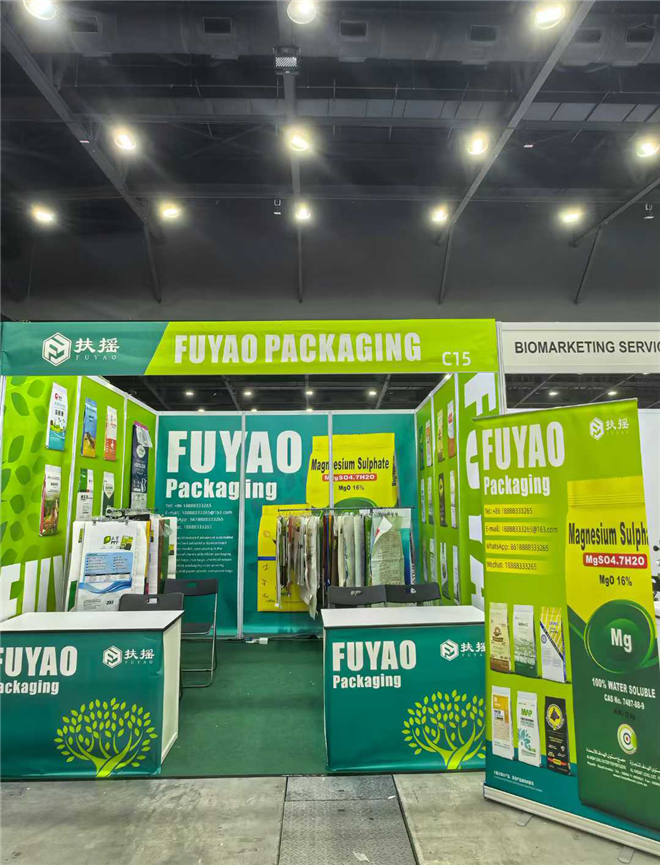
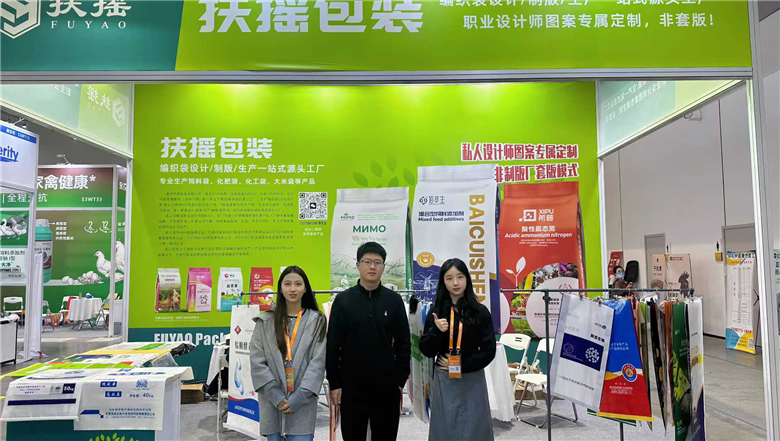
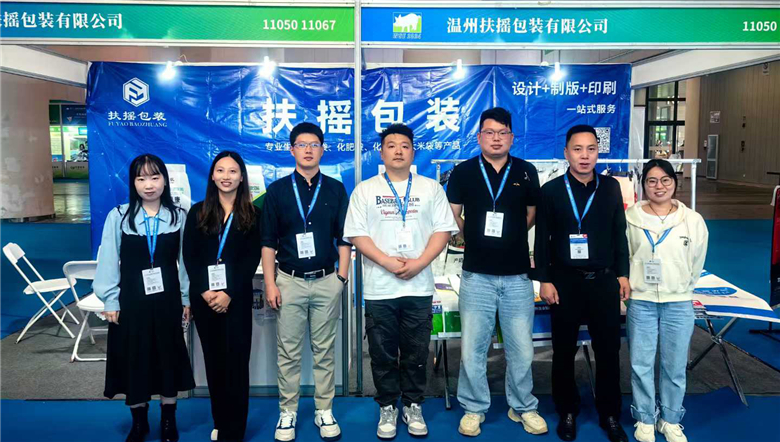
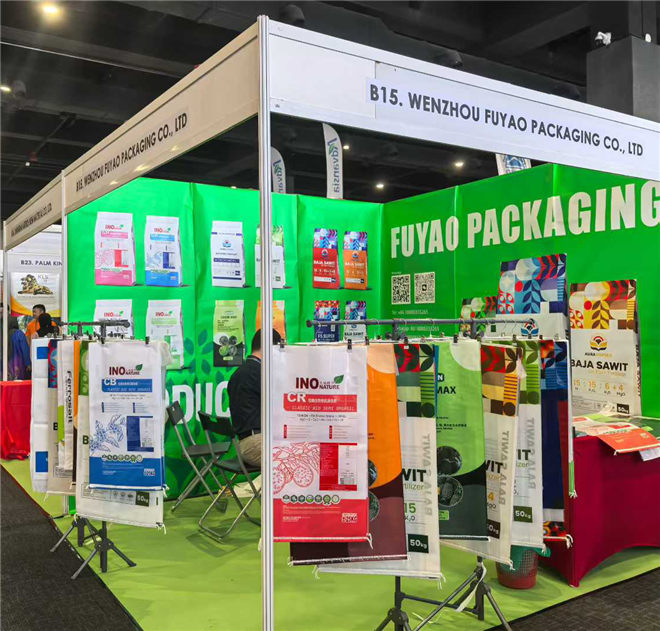
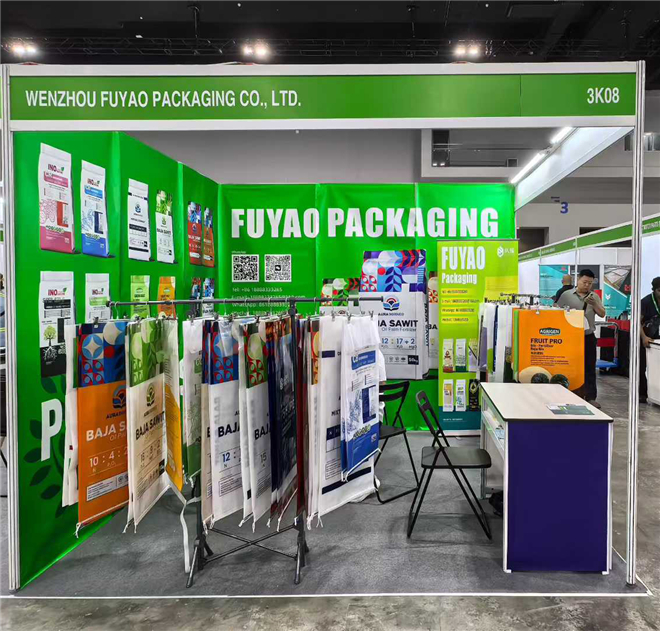
We actively participate in major global packaging, food processing, and agricultural trade exhibitions, showcasing our latest innovations in high-barrier sealing technologies and food-grade packaging materials.
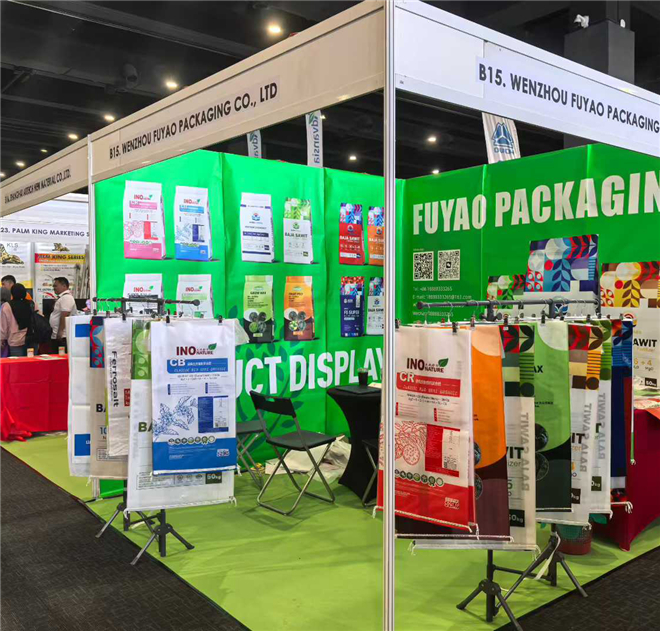
The global packaging industry is undergoing a green revolution, driven by consumer demand and strict governmental regulations on single-use plastics. In the bulk food processing sector, the challenge is to design packaging that is environmentally friendly without sacrificing the barrier properties and mechanical strength required to protect food supplies.
Traditional multi-layer bags laminate different plastics (like PET, Nylon, and PE) together. While highly effective, these mixed materials are extremely difficult to recycle because they cannot be easily separated in standard recycling systems.
To address this, we are investing in the development of mono-material laminates. By laminating oriented polyethylene (MDO-PE) with specialized barrier PE films, we create a packaging bag made entirely of polyethylene. This mono-material structure offers physical strength and oxygen barrier properties comparable to traditional multi-material structures, but is fully recyclable in the PE stream (Level 4 recycling). This allows food processors to meet their sustainability goals while maintaining product integrity.
Another emerging trend is the integration of bio-based resins and biodegradable coatings derived from agricultural waste. These coatings can be applied to kraft paper sacks to provide grease and moisture resistance, allowing the entire bag to be industrially composted after use.
Furthermore, "smart packaging" is entering the bulk food sector. Incorporating printed QR codes and RFID chips directly onto the sealing bags allows for real-time tracking of temperature, humidity, and location throughout the transit cycle. This level of traceability is invaluable for quality control, food safety recalls, and optimizing logistics in the global grain supply chain.
The name “Jiufen” originates from the concept of moderation in traditional philosophy, reflecting a business approach that values balance, humility, and continuous improvement. Rather than pursuing short-term gains, we focus on long-term cooperation and sustainable growth.
 Our Commitment
Over the years, we have built long-term partnerships with clients across various industries, providing customized packaging solutions tailored to specific applications. By combining strong manufacturing capability with professional export services, we aim to deliver reliable products, competitive solutions, and consistent support to customers worldwide.
 Our Vision
We are committed to deepening our presence in international markets and building a trusted global trade brand through high-quality products and professional service, achieving steady and sustainable growth. We strive to lead the packaging industry towards a more sustainable and technologically integrated future.
As a technology-driven and environmentally responsible manufacturer, we integrate R&D, production, sales, and service into one system. We continuously invest in innovation to enhance product performance and reduce environmental impact.
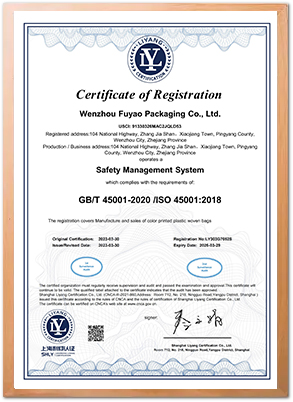
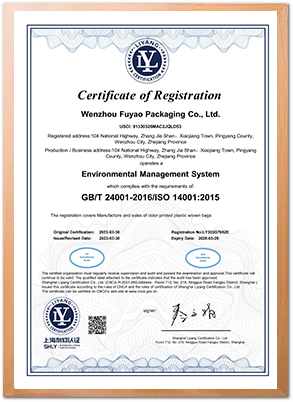
Our company has been recognized as an AAA Credit Enterprise and has obtained multiple international certifications, ensuring our products meet the highest standards of safety, quality, and environmental compliance:
Explore our comprehensive portfolio of high-barrier sealing bags, custom-engineered to protect agricultural commodities, food ingredients, and industrial powders during storage and transport.