Leave Your Message
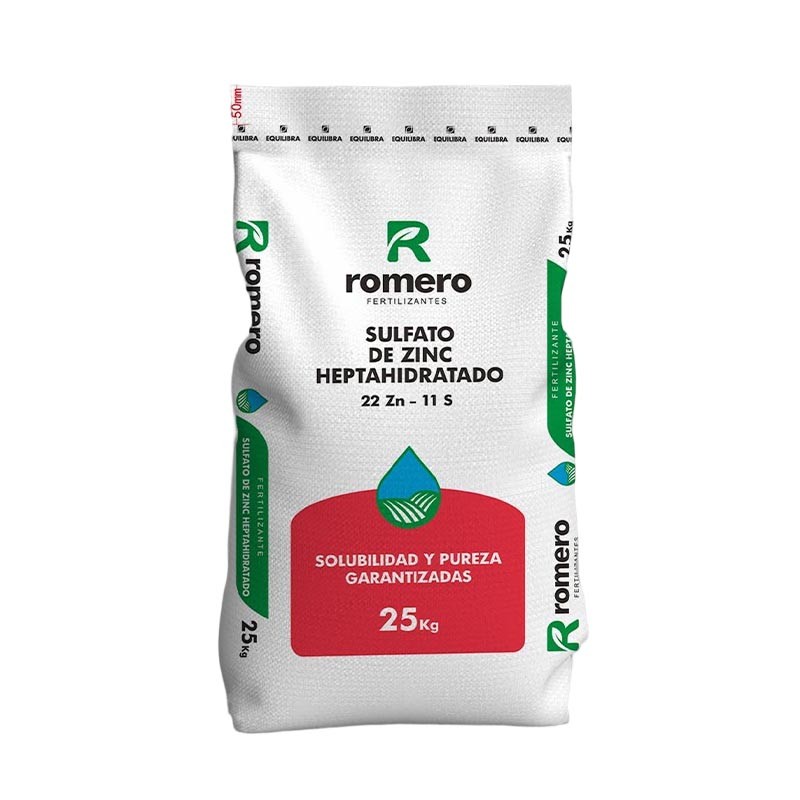
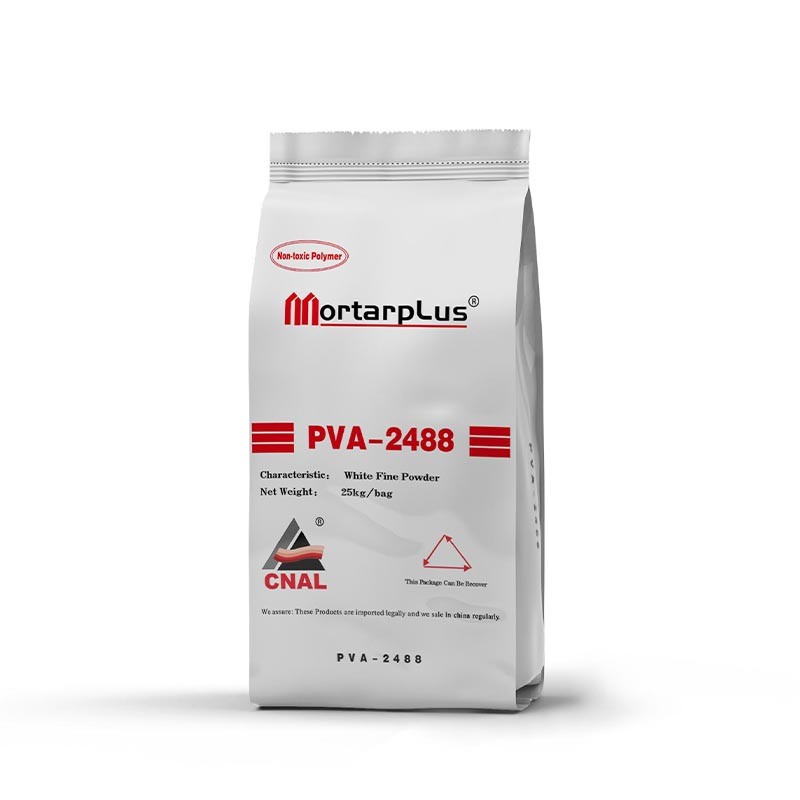
Discover our primary range of heavy-duty stand up packaging bags tailored for industrial powder and resin storage.
The global chemical manufacturing sector is undergoing a significant paradigm shift. Traditionally, chemical raw material powders, plastic resins, and industrial catalysts were stored and transported in rigid containers such as fiber drums, metal barrels, or bulky multi-wall paper sacks. However, modern logistics, strict environmental compliance, and cost-efficiency demands have accelerated the adoption of high-performance stand up bags.
Chemical powders (including pigment powders, food-grade chemical additives, detergents, and dry polymers) and synthetic resins (such as epoxy, polyester, and polyurethane granules) are highly sensitive to external atmospheric factors. Moisture ingress, oxygen exposure, and electrostatic charge buildup represent critical risks that can ruin entire batches of raw materials. Rigid drums, while protective, suffer from high shipping costs when empty, take up massive warehouse space, and present disposal challenges.
In contrast, flexible stand up pouches engineered with technical barrier laminates offer a sustainable, space-saving, and highly protective alternative. By utilizing advanced multi-layer co-extrusion technologies, these bags deliver the exact physical and chemical resistance required to handle volatile, hygroscopic, or corrosive raw materials safely across global supply chains.
Prevents moisture, oxygen, and UV light from degrading sensitive chemical compounds and hygroscopic resins.
Shipped flat when empty, saving up to 85% in warehouse storage and inbound transport costs compared to rigid drums.
Reduces plastic consumption by weight and carbon footprint during transport, aligning with modern green initiatives.
Different chemical raw materials demand distinct structural bag characteristics. Below we analyze three major application environments.
Fine powders, such as carbon black, titanium dioxide, organic pigments, and dry chemical additives, present unique packaging challenges. The primary risk is dusting and product leakage through micro-pores or seams. Furthermore, dry powder movement during filling and transport generates electrostatic charges, which can lead to static discharge hazards in industrial plants.
Our stand up bags for powders feature sift-proof hermetic seals and are manufactured using anti-static inner layers. The inclusion of conductive or static-dissipative polymers ensures that dry powders can be filled, stored, and discharged safely without clinging to the bag interior or creating spark hazards.
Resins like nylon, polycarbonate, polyester, and epoxy are highly hygroscopic—meaning they readily absorb moisture from the surrounding air. If these resins are processed with even trace amounts of moisture, it causes hydrolytic degradation during molding, leading to weak final products.
To combat this, we engineer stand up pouches with thick aluminum foil layers (PET/AL/PA/PE). This layout guarantees a near-zero Water Vapor Transmission Rate (WVTR), keeping the granules bone-dry for extended storage periods, even in high-humidity climates.
Certain industrial powders contain mildly acidic, basic, or oxidising compounds. Standard packaging plastics can degrade when exposed to these chemicals, resulting in packaging failures and hazardous spills.
Our custom-engineered chemical bags utilize specialized chemical-resistant co-polymer contact layers. These inner liners do not react with or absorb active chemical agents, protecting the structural integrity of the bag and ensuring safe handling, compliance with international safety regulations, and long-term shelf stability.
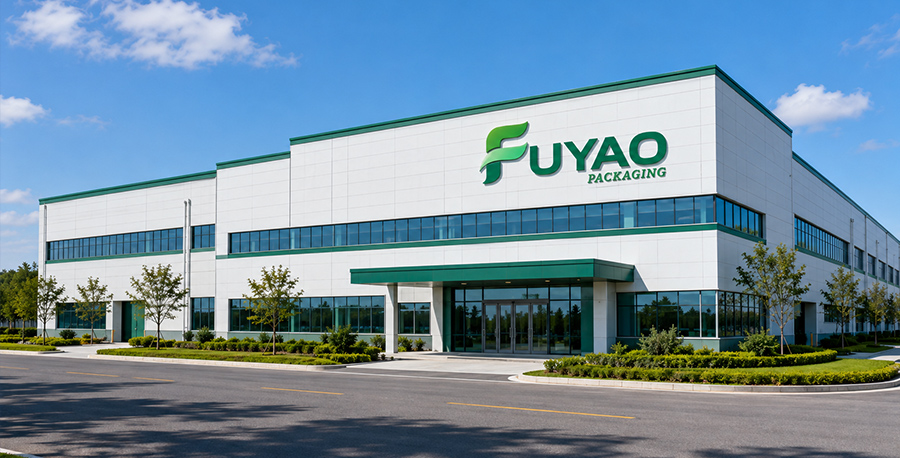
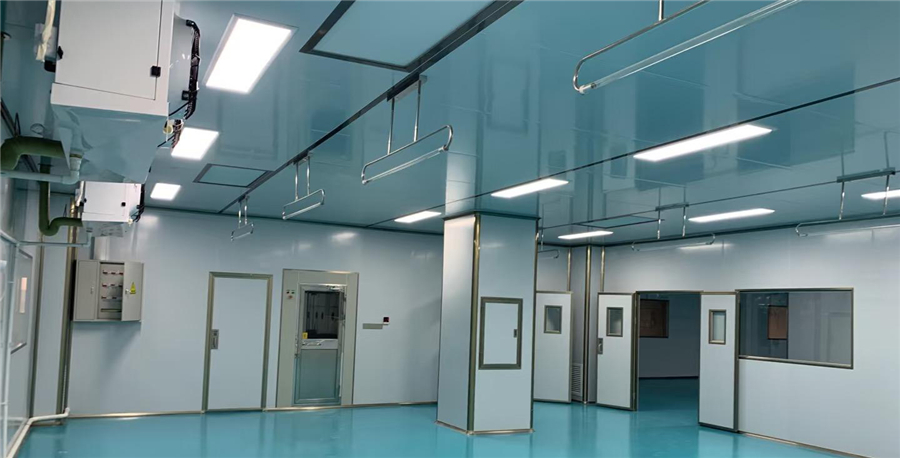
Wenzhou Fuyao Packaging Co., Ltd. was established in 2010 with a registered capital of RMB 20 million. The company covers an area of approximately 10 mu, with a total building space of 10,000 square meters. Located in Xiaojiang Town, Pingyang County, Wenzhou, we are about 50 kilometers from Wenzhou Airport, offering convenient transportation and logistics access.
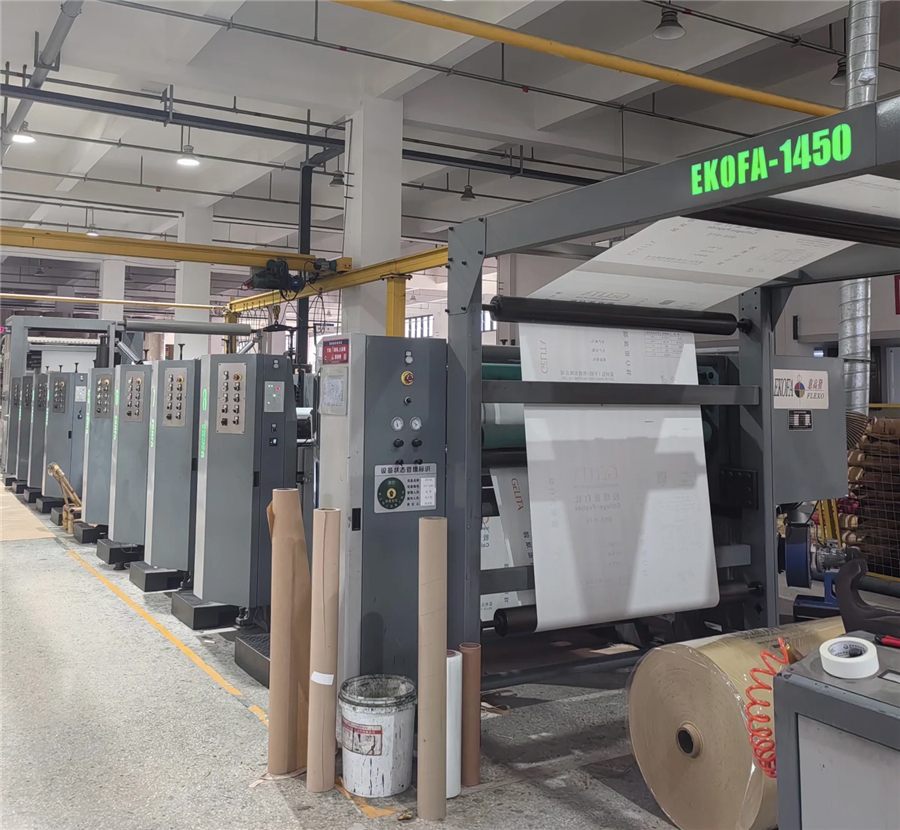
Fuyao Packaging serves as our core manufacturing base, specializing in the production of industrial packaging products. Equipped with advanced automated production lines and operating under standardized manufacturing processes, we ensure stable quality, efficient output, and reliable delivery for global customers.
Years Industry Experience
Floor Area (m²)
Registered Capital
Distance to Airport (KM)
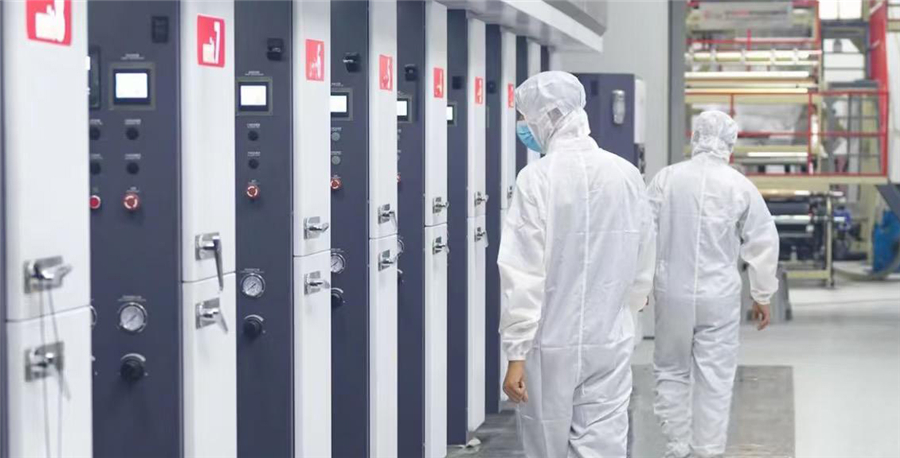
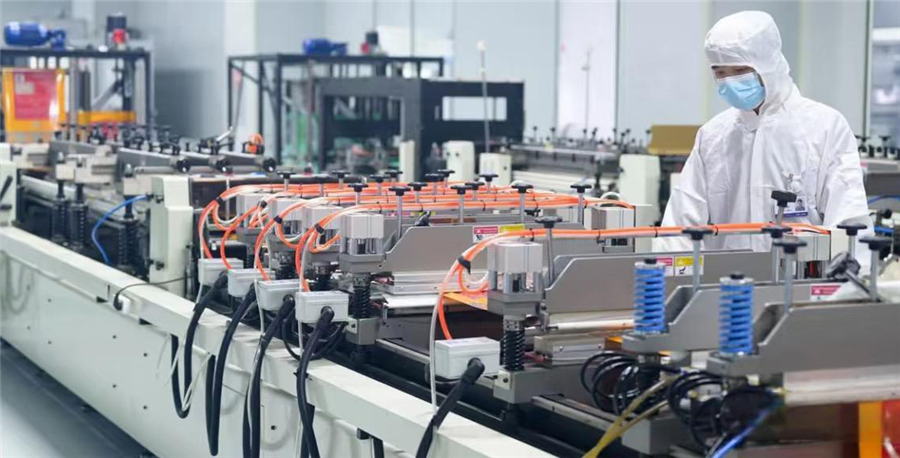
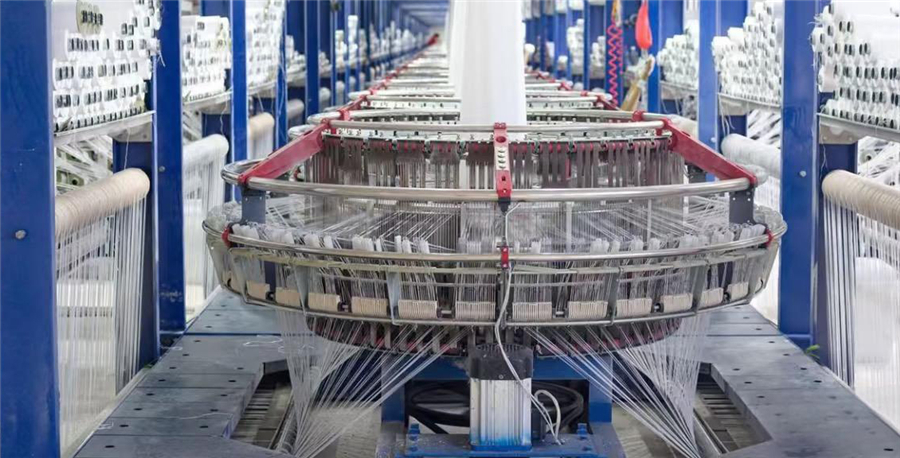
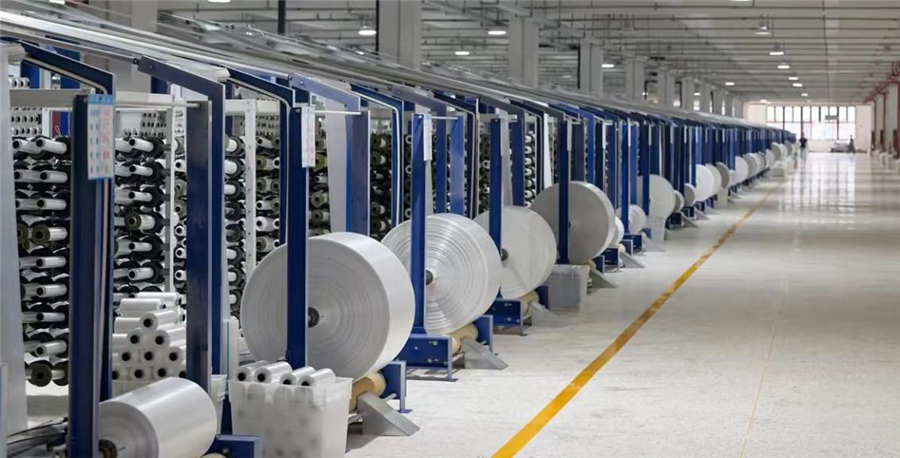
At Wenzhou Fuyao Packaging Co., Ltd., we combine state-of-the-art flexible lamination with precision engineering to serve the chemical, agricultural, and food industries. Our main product range includes:


Designing a stand up bag for chemical raw materials requires balancing multiple material properties to achieve durability, safety, and shelf life.
We utilize multi-layer composite structures that combine the distinct advantages of various polymers and barrier materials. Here is a breakdown of our standard heavy-duty laminate engineering:
Additionally, we offer customized closures, such as heavy-duty press-to-close zippers, slider zippers, and spouted designs for liquid or flowable chemical raw materials. These reclosable features ensure that after the bag is opened, the remaining chemical contents remain shielded from moisture and dust contamination.
To guarantee safe transport, our chemical packaging undergoes rigorous testing procedures, including:
The chemical packaging sector is rapidly evolving, guided by two primary forces: sustainability and smart manufacturing.
Traditional multi-layer bags containing different plastics (like PET and PE) together with aluminum foil are difficult to recycle. The industry is actively shifting toward mono-material structures (such as all-PE laminates) that offer high barrier properties but can be fully recycled in standard PE recycling streams, helping chemical manufacturers meet circular economy regulations.
Modern chemical logistics requires absolute transparency and traceability. By printing high-definition QR codes or embedding RFID tags onto stand up bags, manufacturers and logistics operators can immediately verify batch numbers, safety data sheets (SDS), manufacturing dates, and handling instructions using automated scanning systems.
Review our complete catalog of high-durability, customizable chemical packaging bags designed for resins, powders, and industrial raw materials.