
What Are the Top Plastic Pouch Types for Global Buyers?
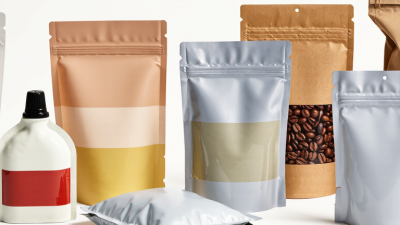
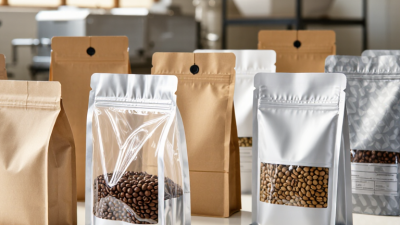
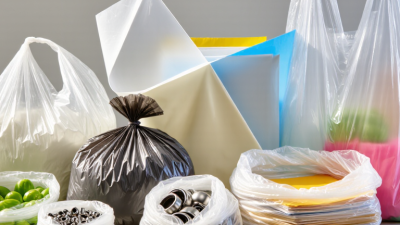
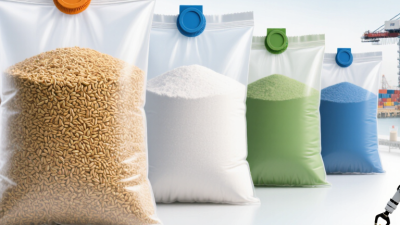
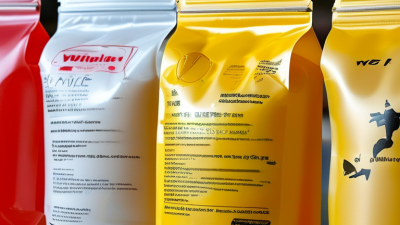
Buyers around the world are often overwhelmed by the packed Plastic Pouch market, since each type tends to solve a specific packaging challenge. For example, stand-up pouches have serious shelf appeal and are super easy to transport, while flat pouches cut down on material use and work great for lightweight stuff. Then there are spouted pouches, which make pouring controlled and simple, and retort or vacuum pouches that keep products fresh for longer shelf life — especially important for items that need to stay safe through extended storage. Honestly, choosing the right pouch really depends on what you’re packing—like how sensitive the product is, what kind of filling equipment you’ve got, how far it needs to go, and even how good the local recycling options are.
I remember Dr. Susan E. M. Selke, a well-known packaging expert, once said, “Good packaging protects the product, the user, and the environment.” That’s still so true today, especially when you're sourcing internationally. When evaluating pouches, you really want to look at things like how well they block oxygen and moisture, how strong the seals are, whether they resist punctures, the quality of printing, and if they’re safe for food contact. A pouch that works like a charm in a dry warehouse might not do so well after a long, humid ocean shipment — small details like these can make or break your packaging.
And honestly, no single format is a one-size-fits-all. Different markets have different needs.
This guide covers the main types of plastic pouches used by global buyers—think stand-up, flat, spouted, retort, vacuum, and mono-material options. We’ll also dig into how customizable they are, what the minimum order quantities look like, how long suppliers take to deliver, and how reliable their quality control is—checking out big names like Mondi, Amcor, and Berry Global. Oh, and don’t forget to be cautious with those sustainability claims. Labels like “recyclable” might sound great, but often depend on recycling systems that aren’t available everywhere, so it’s good to be upfront about that.
Now, sometimes you’ll need to balance how fancy a pouch looks with how complicated it is to produce. A slick, sophisticated pouch can really catch the eye, but all those extra layers might make it tougher to dispose of properly at the end. That’s why thorough testing, supplier audits, and clear, detailed specs are so essential. Honestly, the best choice isn’t always the trendiest one. The real winner is the pouch that protects your product, ships efficiently, and makes sense for the infrastructure in your target market.
Read more »